
Understanding Back Acne: Causes, Treatment Options, and Prevention Tips

Back acne, or “bacne,” is a common skin condition where oil, dead skin cells, and bacteria clog hair follicles on the back, leading to inflammation and breakouts. The back’s thicker skin and harder-to-reach areas may present unique challenges in managing this condition compared to facial acne.

Understanding its causes, symptoms, and treatment options is essential for managing and preventing back acne.

What is Back Acne?

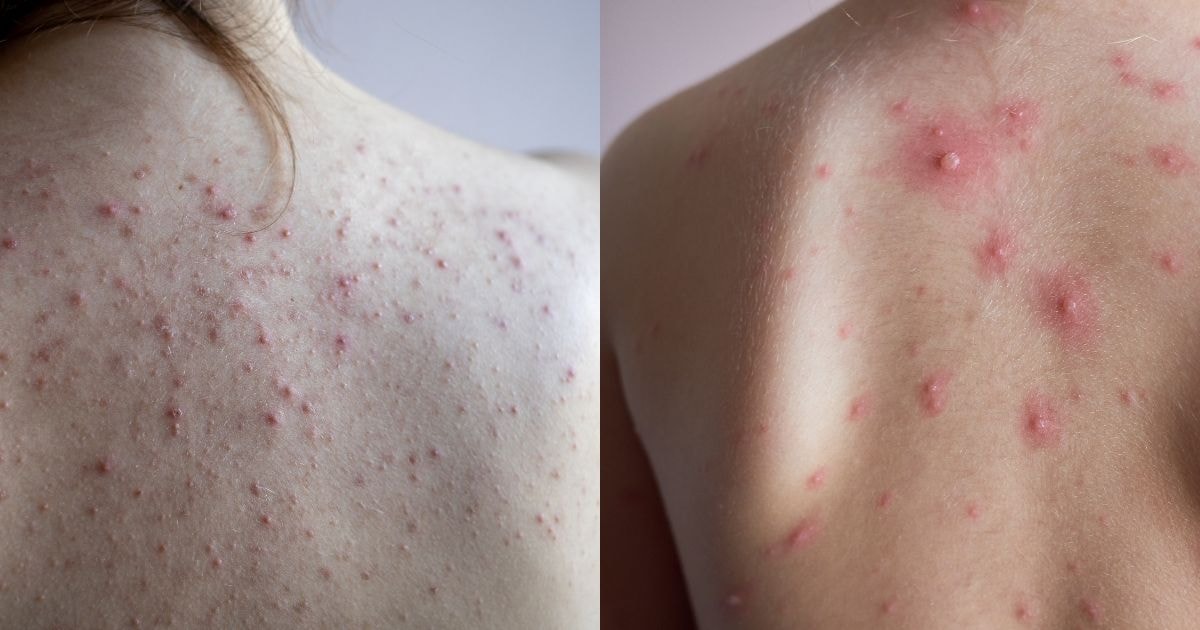
Back acne can manifest as blackheads, whiteheads, papules, pustules, nodules, and cysts. Due to the thicker skin on the back, deeper lesions and scarring may develop, which can sometimes present more persistent cases than facial acne. Commonly affected areas include the upper back, shoulders, and lower back.

Types of Back Acne
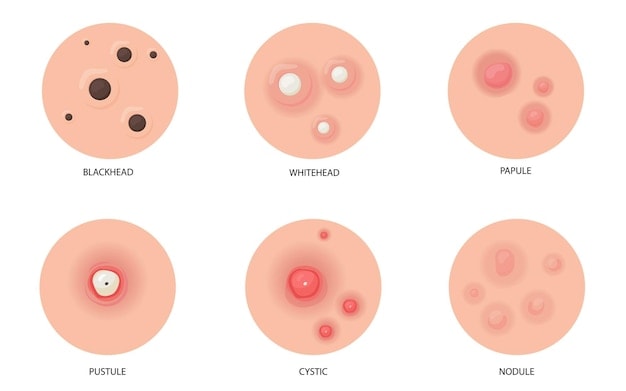
Different types of acne flat set

Back acne includes various types, such as:

  • Comedones: Open (blackheads) and closed (whiteheads) comedones form when a pore is clogged with sebum and dead skin cells.
  • Papules and Pustules: Inflamed lesions, often red and pus-filled bumps.
  • Nodules and Cysts: Larger, deeper, and more painful lesions that are more likely to cause scarring if not treated properly.

Causes of Back Acne

Back acne develops due to a variety of factors, including hormonal changes, lifestyle habits, and external irritants.

Hormonal Changes

Fluctuations in hormones, particularly during puberty, menstruation, pregnancy, or stress, can increase oil production in sebaceous glands,which can clog pores and create an ideal environment for acne-causing bacteria to thrive. Hormonal back acne is often observed in teenagers and adults experiencing hormonal fluctuations or elevated stress levels. It is important to note that not all acne is linked to hormonal imbalances.

Sweat and Friction (Acne Mechanica)

Trapped sweat, tight clothing, and friction can exacerbate back acne in a condition known as acne mechanica. This type of acne is common in athletes or individuals who frequently wear backpacks or tight workout clothes. To minimise sweat-related acne, it’s advisable to wear loose, breathable fabrics and to shower immediately after sweating.

Bacterial Growth

The bacteria Cutibacterium acnes (formerly Propionibacterium acnes) thrive in clogged pores on sensitive skin, leading to inflammation and acne. Though this bacterium is part of the skin’s natural flora, rapid multiplication in clogged pores can lead to breakouts. Maintaining good hygiene and using appropriate antibacterial body washes can help reduce the bacterial load on the skin, potentially reducing acne breakouts.

Dietary Impact

There is growing evidence that diet may influence acne. Studies suggest that high-glycemic foods, such as sugars and refined carbohydrates, may contribute to acne flare-ups by spiking insulin levels, which in turn can lead to increased sebum production. Some research also links dairy products to acne, particularly due to hormones present in milk. A diet focused on whole foods and low in processed sugars may help manage acne in certain individuals.
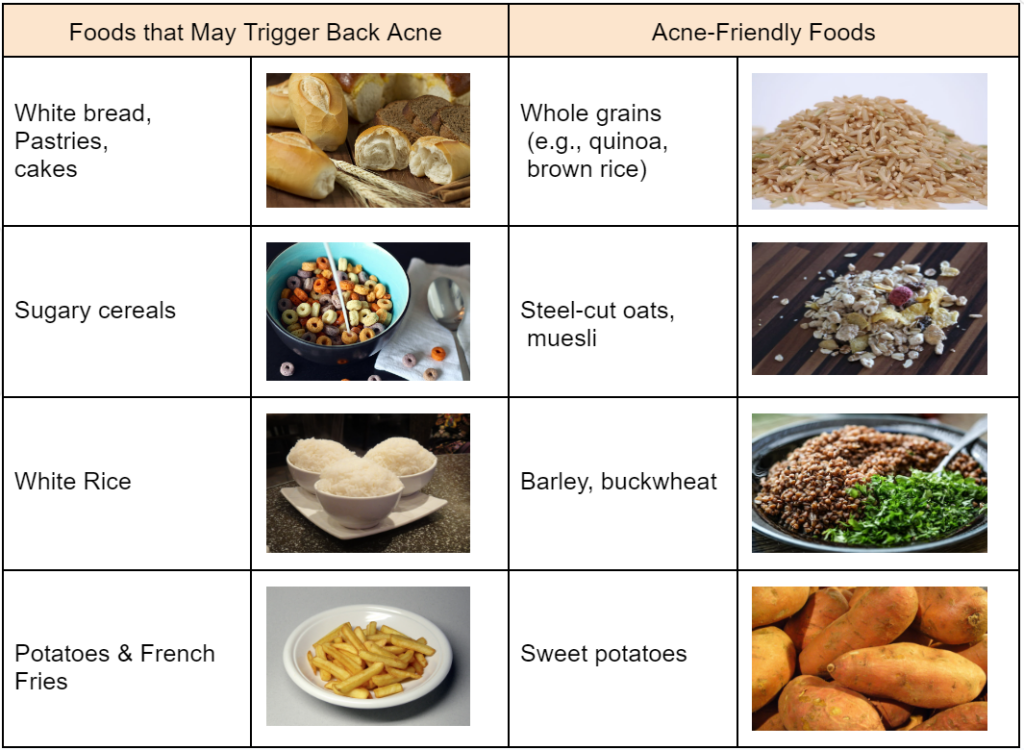
food that triggers acne vs acne-friendly foods

Poor Hygiene and Skincare

Inconsistent cleansing or using inappropriate skincare products may lead to back acne. Failing to clean the back regularly or applying products that clog pores can cause sweat, oil, and dead skin cells to build up, leading to blockages. Opting for non-comedogenic cleansers and exfoliating 1-2 times a week can also help remove dead skin cells.

Symptoms and Severity of Back Acne

Back acne can vary in severity from mild to severe. Symptoms commonly include redness, inflammation, and discomfort. The severity is often assessed based on the number and type of lesions present as well as the degree of skin inflammation. Mild cases may involve a few scattered pimples and minor irritation, while more severe cases can present with numerous, inflamed lesions such as cysts and nodules, leading to significant pain and potential scarring. The overall impact on daily life and skin appearance can help determine the appropriate level of treatment required.

Treatment Options for Back Acne

There are various back acne treatment options including topical medications readily available at drugstores, prescription treatments, and professional interventions if necessary.

Over-the-Counter Treatments

OTC products like salicylic acid, benzoyl peroxide, and alpha hydroxy acids (AHAs) are commonly used to treat back acne. These ingredients help exfoliate the skin, unclog pores, reduce inflammation, and kill acne-causing bacteria.Body washes or sprays specifically formulated for acne-prone skin are recommended for daily use.

Prescription Medications

For more severe cases, prescription treatments such as topical retinoids, oral antibiotics, and hormonal therapies (like oral contraceptives) may be recommended. These treatments target inflammation, reduce bacteria, and help control oil production. In cases of severe cystic acne, isotretinoin, a powerful oral retinoid, may be prescribed under strict medical supervision.

Professional Treatments

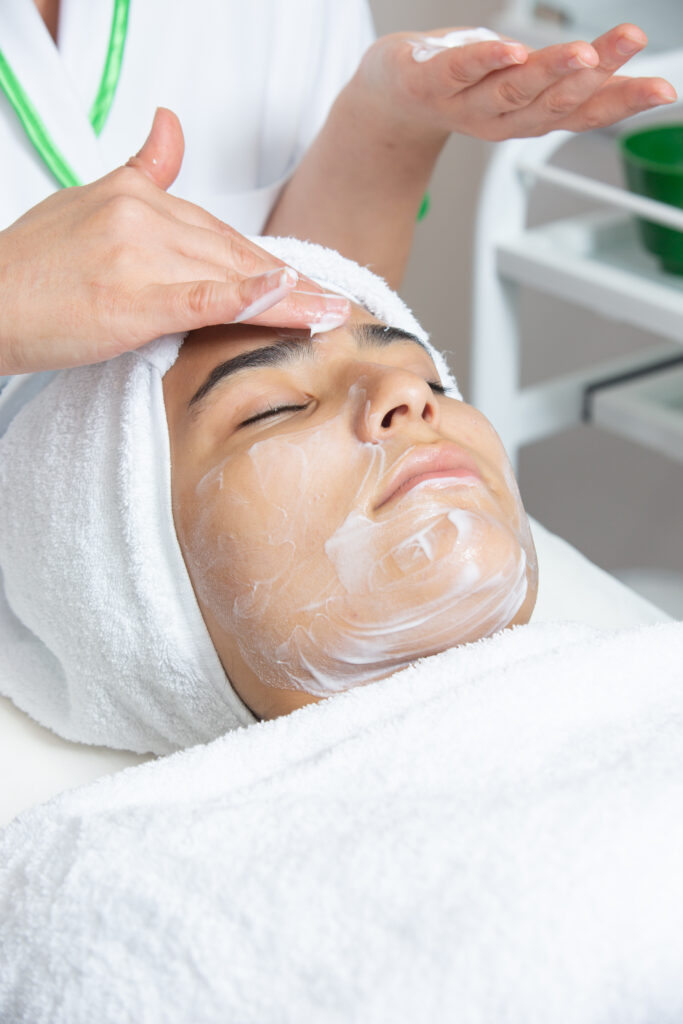
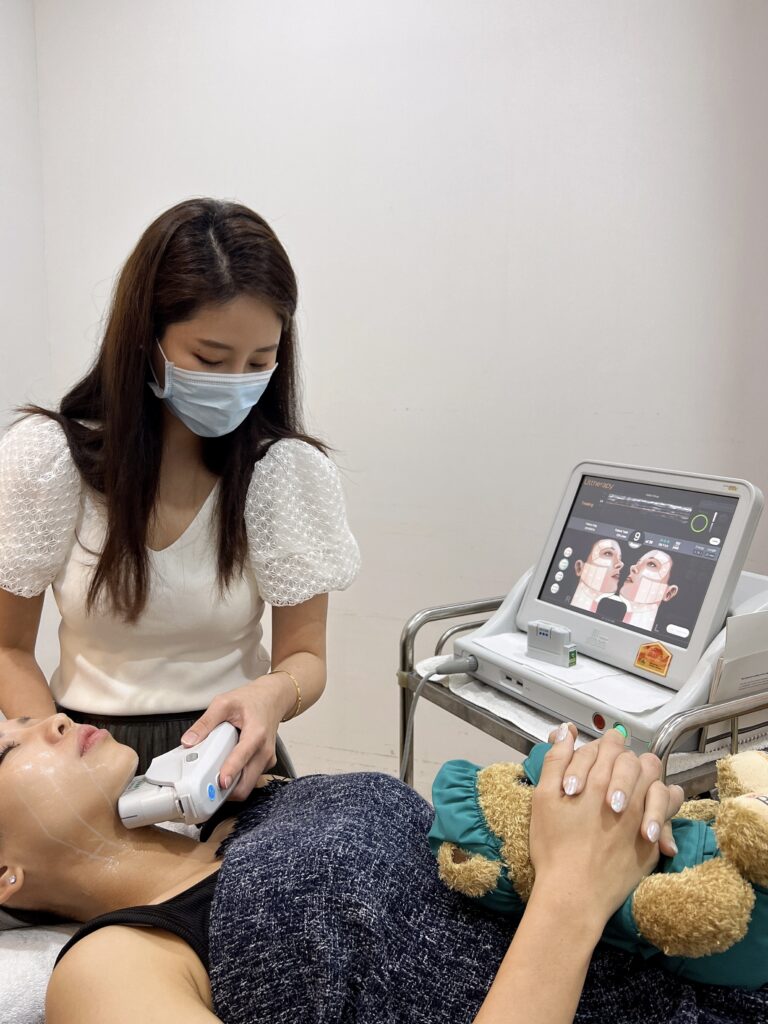
Chemical peels, laser therapy, and light therapy are some of the professional treatments available for back acne. These treatments aim to reduce acne lesions, control oil production, and address acne scarring. Consulting a dermatologist is essential to determine the most suitable professional treatment based on individual needs.

Home Remedies and DIY Approaches

Some people use natural remedies, such as tea tree oil, aloe vera, and honey, for mild cases of back acne, although their effectiveness can vary. While some individuals may find relief using these natural treatments, they should be used cautiously, as they might not be effective for everyone and could potentially irritate the skin.

Skincare Routine
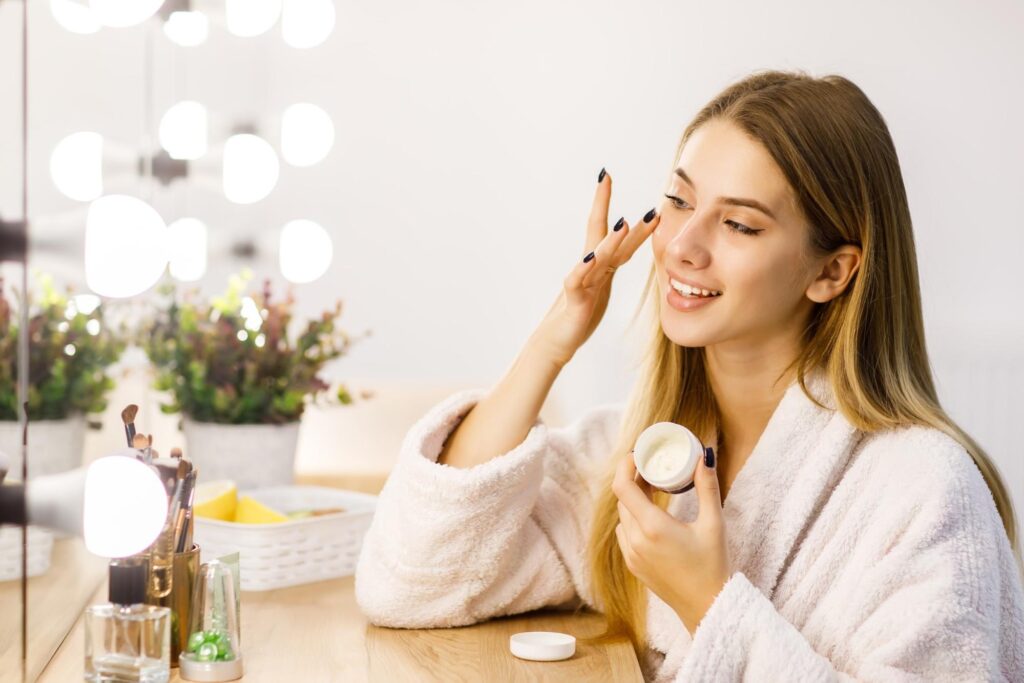
Young beautiful blonde girl cares for face skin with moisturizer in front of mirror

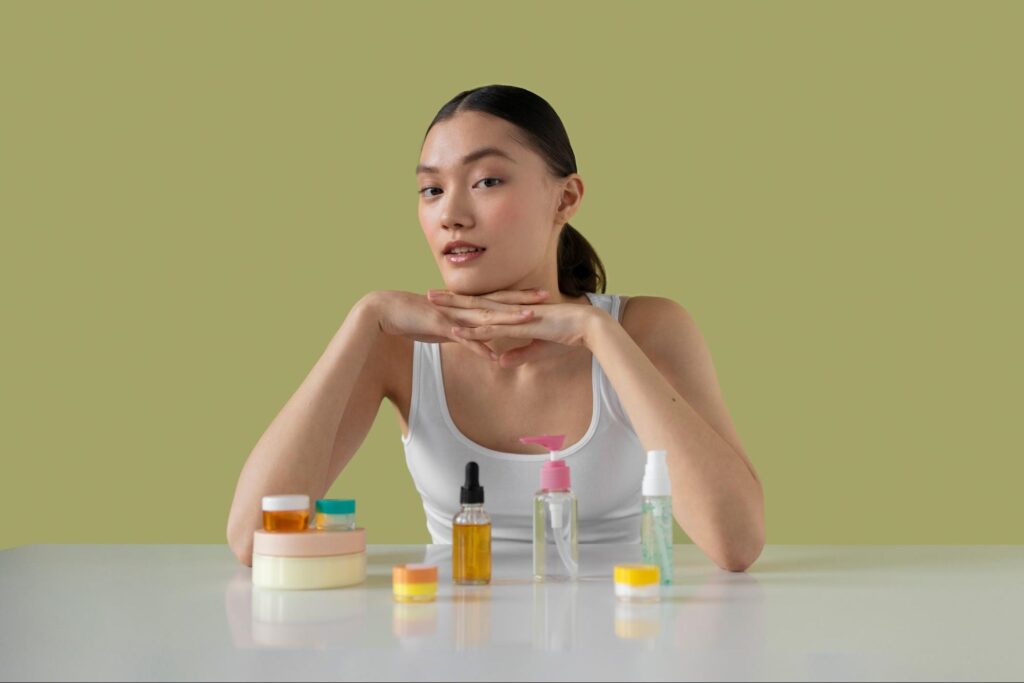
A consistent skincare routine is important in managing and preventing back acne. This includes using acne-friendly skincare products such as a gentle cleanser, exfoliating regularly, and moisturising the skin to maintain its barrier function without clogging pores.

Preventing Back Acne

Preventing back acne requires a proactive approach focusing on proper hygiene, skincare, clothing choices, diet, and lifestyle changes. Understanding the triggers can reduce the occurrence and severity of back acne.

Maintaining Proper Hygiene

Regular cleansing is crucial for preventing back acne. Sweat and bacteria can accumulate on the skin’s surface leading to breakouts. Here are some hygiene tips that may help reduce the occurrence of back acne:

  1. Shower promptly after sweating or any activity that causes perspiration.
  2. Use gentle, non-comedogenic cleansers to remove dirt, oil, and sweat to help maintain clear skin.
  3. Exfoliate the back 1-2 times a week to remove dead skin cells that can clog pores.
  4. Avoid harsh scrubbing as it can irritate the skin and worsen acne.

Choosing the Right Clothing

Tight-fitting clothes, especially those made from synthetic materials, can trap sweat and bacteria against the skin, exacerbating acne. Change out of sweaty clothes immediately to prevent bacteria from sitting on the skin.

Wearing loose, breathable fabrics like cotton is also better suited for those prone to back acne, as they allow the skin to breathe and help reduce moisture buildup. Regularly wash clothes, especially those worn during exercise, to remove sweat, bacteria, and oils.

Diet and Lifestyle Factors

Diet and lifestyle factors significantly impact the severity and frequency of back acne. Consuming high-sugar foods and refined carbohydrates can trigger insulin spikes, leading to increased production of sebum and acne outbreaks.

  • Staying hydrated, eating a balanced diet rich in fruits, vegetables, and whole grains, and managing stress through activities like meditation or exercise can reduce the risk of acne flare-ups.
  • Manage stress by engaging in activities such as yoga, meditation, or exercise to prevent hormone-induced acne flare-ups.
  • Get adequate sleep to help regulate hormonal levels, potentially reducing acne breakouts.

Avoiding Common Triggers

Certain products and habits can worsen back acne. Listed below are common triggers to avoid:

  • Refrain from using heavy or greasy lotions and sunscreens.
  • Avoid letting shampoos and conditioners run down your back during rinsing.
  • Do not pick or pop acne lesions to avoid further irritation, infection, and potential scarring.
  • Limit sun exposure to prevent post-inflammatory hyperpigmentation and long-term skin damage.

Regular Monitoring and Maintenance

Regularly monitoring the skin on your back and maintaining good skincare practices is essential to prevent back acne. Be mindful of any changes in the skin, such as new breakouts or irritation, which might indicate a reaction to a new product or environmental factor.

Dos and Don’ts for Maintaining Clear Skin:

  • Do cleanse daily: Use a gentle cleanser suited for acne-prone skin.
  • Don’t skip moisturising: Even oily skin needs hydration; choose oil-free, non-comedogenic moisturisers.
  • Do use acne treatments as needed: Spot treatments with salicylic acid or benzoyl peroxide can help target specific breakouts.
  • Don’t ignore persistent acne: If acne does not improve with over-the-counter products or becomes painful, consult a dermatologist for professional advice.

Myths and Misconceptions About Back Acne

Bacne is often misunderstood, with several myths and misconceptions surrounding its causes and treatment. Understanding the difference between back acne and other forms of body acne and debunking common myths can help individuals manage this condition more effectively.

Back Acne vs. Body Acne

Myth: Back acne is the same as other types of body acne.

Fact: Body acne can show up on the chest, shoulders, and buttocks, but bacne is persistent due to the skin’s thickness and the higher density of sebaceous glands on the back. This leads to deeper cysts and nodules, which are more difficult to treat and more likely to cause scarring.

Natural Remedies and Back Acne

Myth: Natural remedies, such as tea tree oil or apple cider vinegar, are effective treatments for back acne.

Fact:  While some natural products have antibacterial or anti-inflammatory properties, their effectiveness varies among individuals and should be used cautiously. For example, tea tree oil can be beneficial for mild acne due to its antimicrobial qualities, but incorrect use may cause skin irritation. Similarly, apple cider vinegar is promoted as an acne remedy because of its acidic nature, but undiluted application can disrupt the skin’s pH balance, potentially causing irritation or burns.

Impact of Back Acne on Quality of Life

Back acne can significantly impact both physical comfort and psychological well-being.

Physical Discomfort and Scarring

Back acne, especially when involving nodules or cysts, can cause considerable physical discomfort, including pain and itching. These deeper lesions are more likely to result in acne scarring, which can be:

  • Hypertrophic (raised scars)
  • Keloid (larger, raised scars that extend beyond the initial wound)
  • Atrophic (sunken scars)

Managing active acne and promptly treating scars are crucial to minimising long-term skin damage and scarring. Tips for preventing and treating acne scars on the back include avoiding picking or squeezing lesions, using sunscreen to protect healing skin, and considering professional treatments like chemical peels, laser therapy, and microneedling to reduce the appearance of scars.

Psychological and Social Effects

Many individuals experience reduced self-esteem and confidence due to visible acne lesions, particularly in social gatherings. This can lead to social withdrawal and emotional distress, especially among teenagers and young adults. Addressing these psychological impacts is as important as treating the physical symptoms​.

How to Address the Emotional Impact of Back Acne:

  • Develop a consistent skincare routine for overall skin health and improve self-confidence.
  • Connect with others who have similar experiences to reduce feelings of isolation.
  • Consult a dermatologist or a mental health professional for expert guidance and reassurance.

When to See a Dermatologist
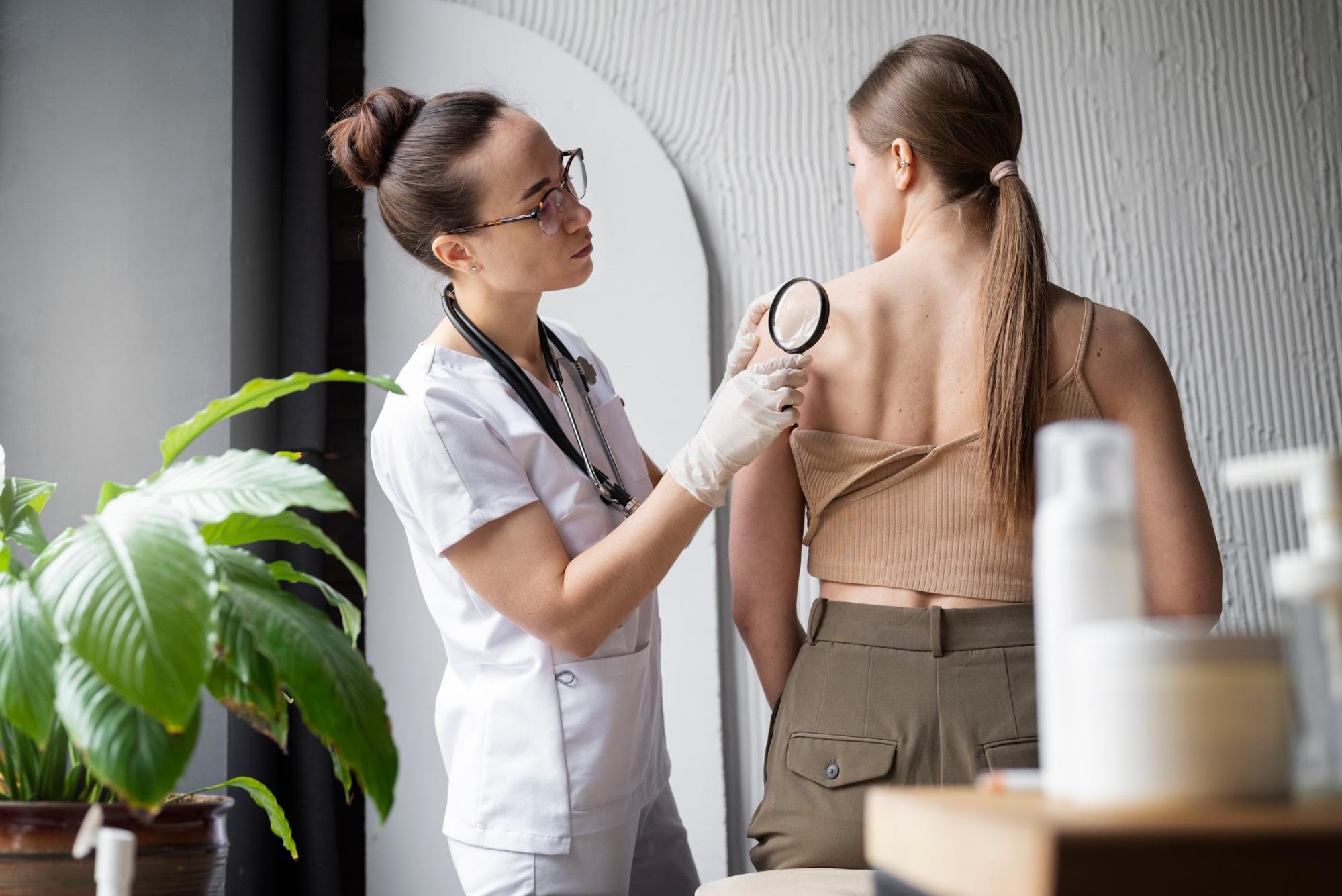
Female doctor diagnosing a melanoma on the body of a female patient

While mild cases of back acne can often be managed with over-the-counter treatments and lifestyle changes, more severe cases may require professional intervention. Here are some indications that back acne might need medical attention:

  • Persistent, severe acne that does not respond to home treatments.
  • Development of painful, cystic acne that causes significant discomfort.
  • Noticeable scarring or changes in skin texture.
  • Emotional distress related to the appearance of acne.

For more information on professional treatments and personalised advice, you may consult a dermatologist or visit Lux Medical Aesthetic Clinic services page.

Conclusion

Back acne can be a persistent and challenging condition, but understanding the causes, symptoms, treatments are crucial steps toward effective acne management. By taking a comprehensive approach that includes proper skincare, lifestyle adjustments, and seeking medical treatments when necessary, individuals can better manage their skin health and improve their quality of life.
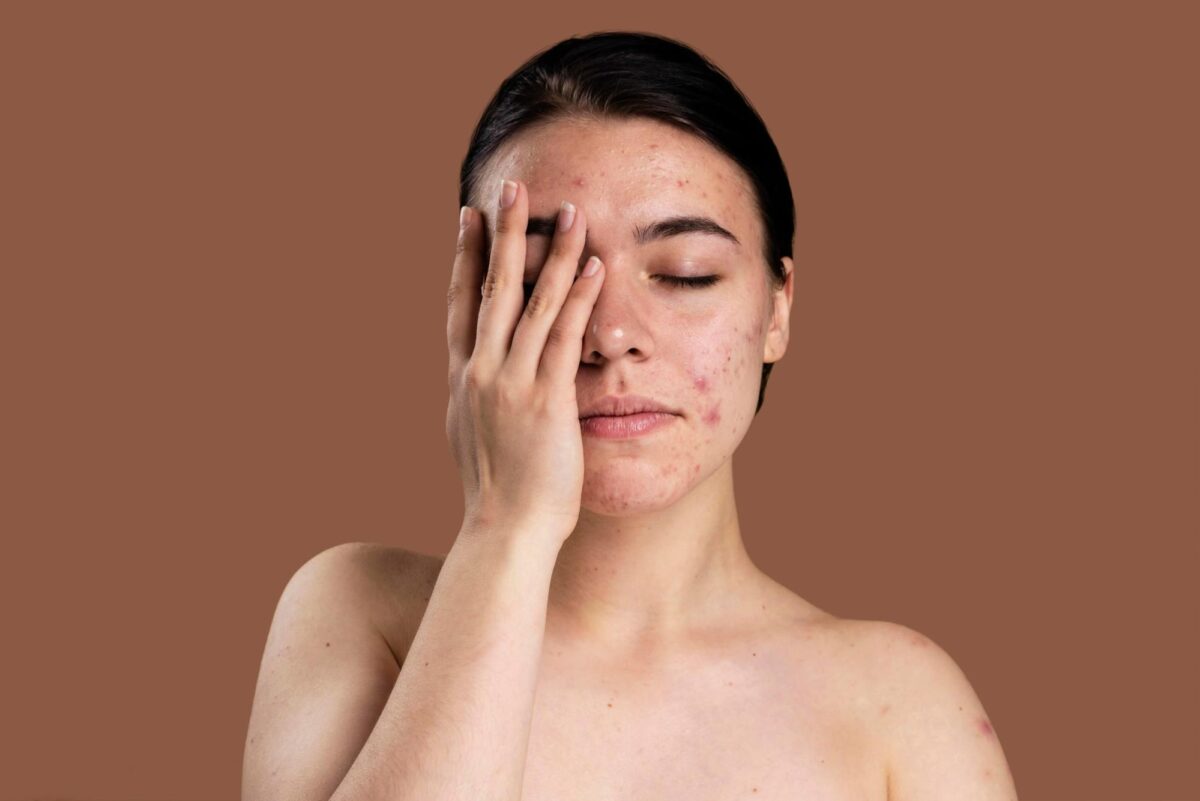
Acne Papules: What is it, Causes, Symptoms, and Treatment Options

Acne is a common skin condition affecting millions of people worldwide, leading to various types of lesions. Among these, acne papules are a specific type of inflammatory acne lesion. Understanding acne papules, their causes, symptoms, and available treatment options can aid in managing the condition.

What are Acne Papules?

Different types of acne flat set

Acne papules are small, raised, reddish lesions occurring on the skin’s surface, typically less than 5mm in diameter. They are a type of inflammatory acne that forms when hair follicles become clogged with oil, dead skin cells, and bacteria. Unlike pustules, papules do not contain visible pus. Papules are solid to the touch and often feel tender. If a papule fills with pus, it may develop into a pustule.

Acne papules are a form of inflammatory acne, distinct from other types of acne, such as whiteheads, blackheads, pustules, nodules, and cysts.

Type of AcneDescriptionAppearanceCommon LocationsSeverity
WhiteheadsClosed comedones filled with sebum and dead skin cells; not inflamedSmall, white or flesh-coloured bumpsFace, shoulders, backMild
BlackheadsOpen comedones filled with oxidised sebum; not inflamedSmall, dark or
black bumps
Face, shoulders, backMild
PapulesInflamed, red, solid bumps without pusRed base with a white or yellow centreFace, back,chest,
shoulders
Mild to Moderate
PustulesInflamed lesions filled with pusRed base with a white or yellow centreFace, back, chest , shouldersModerate
NodulesLarge, painful, solid bumps beneath the skin; deeply inflamedLarge, Hard,Red lumpsFace, Back, chestSevere
CystsDeep, pus-filled lesions that are painful and can cause scarringFace, back, chestSevere

What Causes Acne Papules ?

The development of acne papules is often attributed to several factors that contribute to skin inflammation and clogged pores:

Excess oil production

The sebaceous glands in the skin produce excess oil called sebum. This natural oil is essential for keeping the skin moisturised and protected. However excessive sebum production can combine with dead skin cells and debris, leading to clogged pores and the development of acne. This may result in blackheads, whiteheads, and more severe inflammatory lesions.

Maintaining a regular skincare routine and practising good hygiene may help manage sebum production and reduce the likelihood of clogged pores. Using gentle cleansers and avoiding harsh skincare products can also regulate sebum levels and keep pores clear.

Clogged pores

Dead skin cells that do not shed properly can mix with sebum, leading to clogged pores. This buildup can cause various skin issues, including acne, blackheads, and a dull complexion. Regular exfoliation and a proper skincare routine are essential for removing dead cells and maintaining healthy, clear skin.

Bacterial growth

The bacterium Cutibacterium acnes (formerly known as Propionibacterium acnes) thrives in clogged pores, contributing to inflammation. Although this bacterium is a normal part of the skin’s microbiome, excessive growth can trigger acne breakouts. Proper cleansing and the use of non-comedogenic products can help control bacterial growth and prevent pore blockages.

Inflammation

Clogged pores and bacterial growth lead to skin inflammation, which causes the formation of papules. These small, red bumps are often painful and can impact self-esteem. Regular exfoliation helps remove dead skin cells, unclog pores, and may reduce bacterial buildup and inflammation.

Additional factors, such as hormonal changes (during puberty or menstrual cycles), certain medications (like corticosteroids or lithium), stress, diet, and genetics, can also contribute to the development and worsening of acne papules by increasing sebum production and inflammation.

Symptoms of Acne Papules

Acne symptoms vary, but they typically include several common indicators. These can range from mild to moderate severity and may appear differently depending on the individual. Acne may appear anywhere on the body but is most commonly found on the face, chest, shoulders, and back.

Some common signs of acne papules include:

  • Red or Pink Colouration: Papules are typically red or pink due to inflammation caused by the body’s immune response to bacteria and other irritants trapped in clogged pores.
  • Inflammation and Tenderness: As a form of inflammatory acne, papules cause the surrounding skin to become red, swollen, and often tender to the touch.
  • Absence of White or Yellow Pus: Unlike pustules, papules do not have a visible white or yellow head because the inflammation and blockage occur deeper within the skin, preventing the accumulation of pus near the surface.
  • Progression Potential: Papules can sometimes evolve into more severe acne lesions. If they fill with pus, they may develop into pustules. In some cases, they can progress into nodules or cysts if the inflammation penetrates deeper into the skin.
  • Duration: Papules may persist for several days to weeks, depending on their severity and the individual’s skincare regimen. While some heal on their own, others may take longer to resolve. It is advisable not to pick or pop a papule, as this can worsen inflammation and lead to scarring.

Common Areas Affected by Acne Papules

  • Face: The forehead, cheeks, and chin are the most commonly affected areas.
  • Chest and Back: Acne is prevalent in individuals who sweat excessively or wear tight clothing.
  • Shoulders and Upper Arms: Though less common, these areas can be affected, often due to sweat and friction.

Diagnosing Acne Papules

Aesthetic practitioners diagnose acne papules primarily through a physical examination of the skin, assessing the severity and distribution of the lesions. During the consultation, additional inquiries may include:

  • Acne symptoms
  • Skin care routine and use of cosmetic products
  • Medications currently being taken
  • Allergic reactions to medications
  • Hormonal fluctuations or menstrual cycle patterns (for women)
  • Lifestyle factors, such as diet and stress levels

In rare cases, further tests may be required to rule out underlying conditions if acne presents suddenly and severely in adulthood.

Treatment Options for Acne Papules

If diagnosed with acne papules, treatment may involve a combination of topical and oral medications, as well as lifestyle changes. It is essential to consult a healthcare professional for personalised treatment recommendations.

Over-the-Counter Treatments

For mild cases and severe forms of acne papules, several over-the-counter medications are available. These includes various topical treatments like:

1. Benzoyl peroxide

This OTC medication has antibacterial, anti-inflammatory, and keratolytic properties, helping to reduce bacterial growth and clear clogged pores by breaking down excess oil and removing dead skin cells. 

It is commonly found in cleansers, spot treatments, and gels. Benzoyl peroxide can be drying or irritating, so it’s advisable to start with lower concentrations and increase gradually based on skin tolerance.

2. Salicylic acid

Salicylic acid penetrates deep into the pores to exfoliate the skin and remove dead skin cells, preventing clogged pores and reducing inflammation. Salicylic acid is available in various formulations, including cleansers, toners, and acne patches.

3. Azelaic acid

Naturally found in grains like barley, wheat, and rye, azelaic acid has both antibacterial and anti-inflammatory properties that can reduce swelling and kill bacteria on the skin, making it a useful treatment for mild to moderate acne papules. Azelaic acid is available in gels and creams, and it can be beneficial for those who find other treatments too irritating.

4. Retinoids

Topical retinoids, which are derivatives of vitamin A, help prevent clogged pores and promote cell turnover. They treat acne papules by reducing the formation of new lesions and decreasing inflammation. Retinoids are available both over-the-counter and by prescription. Prescription-strength retinoids, such as tretinoin, adapalene, and tazarotene, are typically more potent and used for more severe cases of acne.

Prescription Medications

For more severe or persistent acne papules, prescription medications may be necessary:

1. Topical antibiotics

These are commonly prescribed for moderate to severe acne papules to reduce bacterial growth and inflammation. Examples include clindamycin and erythromycin. These antibiotics are often combined with benzoyl peroxide to enhance their effectiveness and reduce the development of antibiotic resistance.

2. Oral Medications

For more persistent or severe cases of acne papules, oral antibiotics such as doxycycline, minocycline, and tetracycline may be prescribed to reduce inflammation and bacterial presence within the skin. They are generally used for a limited duration to prevent antibiotic resistance and are often combined with topical treatments for enhanced results.

3. Hormonal Treatments

Women with acne papules may benefit from hormonal treatments like birth control pills, which help regulate hormones that can contribute to acne. Oral contraceptives containing both oestrogen and progestin can reduce the activity of sebaceous glands, thereby decreasing oil production and preventing clogged pores.

4. Dapsone

A topical gel with antibacterial and anti-inflammatory properties, dapsone is particularly effective for treating inflamed acne lesions like papules. It is usually applied twice daily and can be combined with other topical treatments for enhanced results.

Home remedies

While home remedies can be helpful for mild acne papules, their effectiveness varies, and they should be approached with caution due to potential irritation. Common suggestions include:

1. Tea Tree Oil

Known for its antibacterial and anti-inflammatory properties, tea tree oil can reduce acne-causing bacteria and inflammation. It should be diluted with a carrier oil before applying to the skin to prevent irritation.

2. Aloe Vera

Aloe vera has natural antibacterial and anti-inflammatory properties, making it beneficial for treating acne. Applying aloe vera gel directly to the affected areas can help soothe the skin and reduce the appearance of papules.

3. Honey

Honey has antimicrobial properties and may help clear clogged pores. Applying a thin layer of raw honey and leaving it on for about 20 minutes before rinsing may provide soothing benefits.

4. Apple Cider Vinegar

Known for balancing the skin’s pH and its antibacterial properties, apple cider vinegar should be diluted with water before applying to the skin. Always perform a patch test first to check for skin sensitivity.

Medical Procedures

For individuals experiencing more severe or persistent acne, medical intervention may be necessary. Dermatologists offer a range of advanced treatments designed to address acne lesions and improve the overall appearance of the skin. These treatments target various aspects of acne formation, such as inflammation, bacterial growth, and clogged pores.

Before starting any new treatment, it is essential to consult with a dermatologist who can assess your skin type, acne severity, and overall health. They will provide personalised recommendations and guide you through an appropriate skincare regimen. In addition to medical treatments, adopting a healthy lifestyle that includes regular exercise, a balanced diet, stress management, and proper sleep can support the skin’s healing process.

Acne treatment is often a gradual process, requiring patience and persistence. If one approach doesn’t yield immediate results, don’t be discouraged—clear skin often requires time and consistency.

Here are some of the common medical procedures used to treat acne papules:

1. Chemical Peels

Chemical peels involve the application of a chemical solution, such as glycolic acid, to exfoliate the skin and remove damaged layers. This process helps to clear blackheads, whiteheads, and papules by unblocking pores and encouraging new skin growth. However, side effects may include temporary redness and increased sensitivity to sunlight, so it’s essential to follow your dermatologist’s aftercare instructions carefully.

2. Light and Laser Therapy

Light therapy utilises specific wavelengths of light to target acne-causing bacteria and reduce inflammation. This treatment may help manage acne-causing bacteria and inflammation, potentially reducing the occurrence of papules. Various types of light, including red and blue light, may be used, and the procedure typically requires multiple sessions for optimal results.

3. Corticosteroid Injections

For large, painful papules or cystic acne, dermatologists may recommend corticosteroid injections. This procedure involves injecting a steroid solution directly into the affected area, which can reduce inflammation and the size of the lesion within a short period. It is often used for quick relief of severe breakouts that are resistant to topical treatments.

How To Prevent Acne Papules

Preventing acne papules involves several strategies to maintain skin health:

  • Maintain a proper skincare routine: Use non-comedogenic products and cleanse the skin regularly to remove excess oil and debris.
  • Avoid irritating products: Fragrance-free and gentle skin products are preferable.
  • Manage stress: Stress reduction techniques, such as yoga or meditation, can help reduce inflammatory responses.
  • Dietary considerations: Avoid high glycemic foods that may trigger acne outbreaks.

When to Seek Professional Advice

While mild cases of acne papules can often be managed with OTC medications and lifestyle changes, more severe forms may require professional intervention. Consulting a medical or aesthetic practitioner can offer more targeted treatments and advice. Here are some indications that an acne papule might need medical attention:

  • Persistent, severe acne papules that do not improve with OTC treatments
  • Development of painful acne that causes discomfort
  • Noticeable scarring or skin texture changes
  • Emotional distress due to the appearance of acne

It’s also important to differentiate acne papules from other skin conditions like perioral dermatitis or keratosis pilaris, which may require different treatments.

For more information on professional treatments and personalised advice, you may consult a dermatologist or visit Lux Medical Aesthetic Clinic services page.

Conclusion

Acne papules, while common, can be effectively managed with the right knowledge and treatment approach. By understanding the causes, symptoms, and available treatments, individuals can take control of their acne. While OTC medications and home remedies may help, seeking professional advice is often beneficial for more persistent or severe cases.

What is Active Acne: Types, Causes, 3 Treatments, and Prevention

Active acne is an ongoing skin condition characterised by inflamed spots and sometimes painful lesions. These lesions range from mild blackheads and whiteheads to more severe cysts and nodules. Unlike occasional pimples, active acne involves a persistent cycle of breakouts that may require continuous management.

This guide explores the types, causes, treatments, and prevention strategies for active acne, while also addressing its psychological impact. It aims to offer practical, evidence-based advice to help individuals effectively manage and treat active acne, reducing its effect on their daily lives.

What is Active Acne?

Active acne refers to acne lesions that are currently inflamed or developing. Unlike scars or pigmentation left from past breakouts, active acne involves ongoing lesions that are often red, swollen, or painful. This condition often results from excess oil production, clogged pores, bacterial growth, and inflammation, frequently affecting the face, back, chest, and shoulders.

Types of Active Acne Lesions

Different types of acne flat set

Blackheads and Whiteheads: These non-inflammatory lesions occur when hair follicles are clogged with oil and dead skin. Blackheads are open at the surface of the skin, appearing black due to oxidation, while whiteheads are closed beneath the skin.

  • Papules and Pustules:  These inflamed lesions can be painful and may leave scars if not treated properly. Papules are small, red bumps, while pustules contain pus.
  • Nodules and Cysts: These are more severe forms of acne. Nodules are large, solid, painful lumps beneath the skin, while cystic acne are pus-filled that often result in more significant scarring if left untreated.

Causes and Triggers of Active Acne

According to a study, acne affects 85% of individuals between the ages of 12 and 24. While commonly associated with teenagers, acne can affect people of all ages, though it becomes less common over time. More than 25% of women and 12% of men in their 40s report experiencing acne. Active acne results from a combination of internal and external factors:

Hormonal Influences

Hormonal changes, particularly during puberty, menstruation, pregnancy, and menopause, can increase sebum production, leading to clogged pores and acne development. Androgens, the male hormones present in both males and females, can trigger acne by stimulating the sebaceous glands to produce excess sebum and more oil. This is why teenage boys are more likely to have severe acne compared to girls.

Dietary Factors

Diets high in refined sugars and dairy have been linked to acne flare-ups. Maintaining a balanced diet may help manage acne severity. Certain foods associated with acne breakouts in some individuals include:

  • Pasta
  • White rice
  • White bread
  • Breakfast cereals
  • Baked goods
  • Potatoes
  • Sugars
  • Sugar-sweetened beverages
  • Dairy
  • Eggs

On the other hand, research suggests that adopting a low-glycemic diet could potentially lessen acne occurrences. Such diets include most fresh vegetables, some fresh fruits, beans, and steel-cut oats.

Environmental and Lifestyle Factors

In addition to diet, environmental factors such as exposure to pollutants, high humidity, stress, and lack of sleep can worsen acne. Lifestyle factors, such as smoking and the use of oil-based skincare or cosmetic products that clog pores, may also contribute to acne.

Genetic Predisposition

Family history also plays a crucial role in acne development, with studies suggesting that individuals with a family history of acne are more likely to develop the condition themselves​.

Symptoms of Active Acne

Symptoms of active acne may be characterised by the following:

Severity Levels

  • Mild Acne: Characterised by a few whiteheads or blackheads and small pustules. Typically requires minimal treatment and may resolve with over-the-counter remedies​.
  • Moderate Acne: Involves more significant numbers of papules and pustules. Prescription medications or combined topical treatments may be necessary.
  • Severe Acne: Includes cysts and nodules that are often painful and can lead to scarring. This type requires more intensive treatments, such as oral medications or professional procedures.

Inflammatory vs. Non-inflammatory Acne

Acne is broadly classified into two main categories: inflammatory and non-inflammatory. Understanding the difference between these types is crucial for selecting the most appropriate treatment strategies.

Non-Inflammatory Acne

Non-inflammatory acne is typically less severe and is easier to treat with over-the-counter (OTC) products like salicylic acid, which helps to exfoliate the skin and keep pores clear. It is generally not painful and does not lead to acne scarring unless picked or squeezed.

Inflammatory Acne

Inflammatory acne, in contrast, involves more severe, often painful lesions characterised by swelling, redness, and pus. This type of acne is caused by clogged pores and an overgrowth of Propionibacterium acnes (P. acnes) bacteria, which thrive in oily environments and trigger an inflammatory response.

Inflammatory acne is often referred to as “active acne” due to its ongoing, dynamic nature that involves persistent breakouts and inflammation.

Common Areas Affected by Active Acne

The face, back, chest, and shoulders are the areas most commonly impacted by active acne.

acne in different parts of the body

Treatment Options for Active Acne

A variety of treatment options are available for active acne, ranging from over-the-counter medications to professional treatments, depending on the severity and persistence of the condition:

Over-the-Counter Treatments

Many topical acne creams are readily available at drugstores, including:

  • Benzoyl Peroxide: This topical treatment kills acne-causing bacteria and helps clear blocked pores. Available in various concentrations and formulations, including gels, creams, and cleansers, benzoyl peroxide can cause dryness and irritation, especially at higher concentrations.
  • Salicylic Acid: An exfoliating agent that helps remove dead skin cells and prevent pore blockage. It is often helpful for addressing blackheads and whiteheads.. Salicylic acid is found in many acne washes and spot treatments but can sometimes cause dryness or peeling.
  • Azelaic Acid and Glycolic Acid: These ingredients help reduce the inflammatory skin condition and exfoliate the skin. Azelaic acid may assist in reducing pigmentation caused by acne, while glycolic acid supports the shedding of dead skin cells.

Prescription Medications

  • Topical Retinoids: Derived from Vitamin A, retinoids like tretinoin and adapalene help unclog pores and reduce inflammation. They are often used for moderate to severe acne but require careful application, as they can increase skin sensitivity to the sun.
  • Oral Antibiotics: These are used to reduce bacteria and inflammation in moderate to severe acne. Common antibiotics include doxycycline, minocycline, and erythromycin. Long-term use can lead to antibiotic resistance, so these are often prescribed for limited periods.
  • Hormonal Treatments: For women, hormonal treatments such as oral contraceptives or spironolactone can help regulate hormonal fluctuations that contribute to acne. These treatments are particularly effective for adult women whose acne flares up around their menstrual cycles.

Professional Treatments

  • Chemical Peels and Laser Therapy: These facial treatments help exfoliate the skin and reduce acne scars by removing the top layers of skin or targeting bacteria and excess oil production. Laser treatments can also target deeper layers of the skin, making them an option for treating severe acne.
  • Extraction Procedures: In-office extractions can remove large cysts or nodules, alleviating discomfort and preventing scarring. This procedure is typically performed by a dermatologist using sterile instruments to reduce the risk of infection.

Natural and Home Remedies

For those seeking alternative approaches, several natural and home remedies are available. Some are supported by scientific evidence, while others rely on anecdotal claims. Caution is advised, as results can vary based on skin type, acne severity, and other factors. Common natural remedies include:

  • Tea Tree Oil: Known for its anti-inflammatory and antimicrobial properties, tea tree oil is often used as a natural remedy to reduce acne-causing bacteria and soothe inflamed skin.
  • Aloe Vera: Widely recognized for its soothing and healing properties, aloe vera contains salicylic acid and sulfur, both commonly used in acne treatments.
  • Honey and Cinnamon Mask: Both honey and cinnamon have antibacterial and anti-inflammatory properties.
  • Green Tea: Rich in antioxidants, particularly epigallocatechin gallate (EGCG), green tea has been shown to reduce sebum production, fight inflammation, and inhibit the growth of P. acnes.
  • Apple Cider Vinegar: Containing organic acids proven to combat acne-causing bacteria and inflammation, apple cider vinegar should be diluted with water to avoid skin burns and irritation. It is commonly used as a toner or spot treatment but may cause irritation for sensitive skin.

Prevention and Management of Active Acne

Preventing active acne requires a combination of proper skincare and lifestyle modifications:

Skincare Routine for Active Acne

good looking girl

Effective acne control requires a comprehensive skincare routine tailored to your skin type and acne severity. Here are some recommended practices:

1. Cleansing

Cleansing is the foundation of any acne management routine. It’s essential to wash your face twice daily—once in the morning and once in the evening—to remove dirt, oil, makeup, and other impurities that can clog pores.

  • Choose a Suitable Cleanser: Opt for a gentle, non-foaming cleanser that is free from harsh chemicals and fragrances to avoid irritating the skin. Look for cleansers containing acne-fighting ingredients like salicylic acid or benzoyl peroxide.
  • Avoid Over-Cleansing: Over-washing or using harsh cleansers can strip your skin of natural oils, prompting excess oil production and potentially worsening acne. Stick to a gentle cleanser, and avoid scrubbing your skin harshly.

2. Exfoliation

Exfoliation helps remove dead skin cells that can clog pores and lead to acne. However, over-exfoliating can irritate the skin and make acne worse, so it’s important to exfoliate gently.

  • Chemical Exfoliants: Opt for chemical exfoliants like alpha hydroxy acids (AHAs) or beta hydroxy acids (BHAs), which dissolve dead skin cells and unclog pores without the harshness of physical scrubs. Salicylic acid, a BHA, is particularly effective for acne-prone skin as it penetrates deep into the pores and helps prevent breakouts.
  • Frequency: Exfoliate no more than 2-3 times per week, depending on your skin’s sensitivity.

3. Moisturising

Contrary to popular belief, moisturising is a crucial step for all skin types, including oily and acne-prone skin. Proper hydration helps maintain the skin’s natural barrier and can prevent overproduction of oil.

  • Choose Non-Comedogenic Moisturisers: Look for non-comedogenic (won’t clog pores), oil-free, and lightweight moisturisers. Gel-based moisturisers are often best for oily skin, while those with hydrating ingredients like hyaluronic acid can help maintain moisture balance without adding excess oil​.
  • Ingredients to Look For: Moisturisers with niacinamide or ceramides can reduce inflammation and strengthen the skin barrier. Avoid heavy, oil-based products that can clog pores and worsen breakouts.

Skincare Product Recommendations by Skin Type

Skin TypeRecommended CleanserRecommended MoisturizerAdditional Tips
OilySalicylic Acid CleanserOil-Free Gel Moisturizer with NiacinamideUse clay masks 1-2 times per week to reduce excess oil.
DryCream Cleanser with Glycolic AcidHydrating Moisturizer with Hyaluronic AcidAvoid over-exfoliating; use a humidifier to maintain skin hydration.
SensitiveFragrance-Free Gentle
Cleanser
Lightweight Moisturizer with Ceramides and Hyaluronic AcidAvoid physical exfoliants; patch-test new products to check for irritation.
CombinationGel Cleanser with Salicylic Acid or Benzoyl PeroxideLightweight,
Non-Comedogenic Moisturizer
Target T-zone with oil-control products while using hydrating products in drier areas.

Dietary and Lifestyle Adjustments

A balanced diet low in high-glycemic foods and dairy may help manage acne severity. Staying hydrated is also essential for maintaining healthy skin and reducing the risk of clogged pores.

Long-Term Acne Management Strategies

Managing acne goes beyond just using topical treatments and medications. Dietary and lifestyle changes can prevent acne and promote healthy skin. Consider the following adjustments for long-term management of active acne:

  1. Reduce high glycemic index (GI) foods
  2. Limit dairy intake
  3. Incorporate omega-3 fatty acids
  4. Increase intake of antioxidant-rich foods
  5. Stay hydrated
  6. Manage stress levels
  7. Ensure adequate sleep
  8. Avoid touching your face
  9. Exercise regularly
  10. Practise good hygiene and skincare

Living with Active Acne

Living with active acne can be physically and emotionally challenging.  Acne often impacts self-esteem and quality of life, potentially leading to anxiety, depression, and social withdrawal. It’s important to address these psychological effects by seeking support from friends, family, or mental health professionals. Developing a skincare routine focused on overall skin health, rather than just treating acne, can help reduce stress and improve skin condition.

Conclusion: Taking Control of Active Acne

Acne affects many people and can be frustrating, but understanding its symptoms and causes—such as hormonal changes, diet, and environmental influences—is essential for choosing effective management strategies. To control acne, establish a consistent skincare routine, avoid known dietary triggers, manage stress, and consult a dermatologist for personalised treatment options.

How Painful is Ultherapy? 5 Factors You Need to Know

Ultherapy is a non-invasive cosmetic procedure that may help tighten skin and address loose or sagging areas without requiring surgery. Common concerns of individuals considering Ultherapy from other treatments are, “Is Ultherapy a painful treatment?” or “How painful is Ultherapy?”

This guide outlines the five factors that may influence the level of discomfort experienced during an Ultherapy session. Understanding these factors will help you decide whether this treatment might be the right option for achieving more youthful skin.

Understanding Ultherapy Pain Levels

Ultherapy is often reported to cause minimal pain, allowing most individuals to resume their daily activities shortly after treatment. However, the level of discomfort varies depending on the individual’s pain tolerance and the specific area being treated. Some people experience sensations ranging from warmth or tingling to temporary redness or flushing.

Any discomfort is typically manageable and short-lived, with symptoms usually subsiding once the procedure is completed. A very slight aching sensation may be experienced after the treatment. This typically resolves within a few days but can last up to 2 weeks in some individuals

What are the Factors Affecting Pain Levels?

Treatment Area

Pain levels can vary depending on the treatment area. The sensation might be more noticeable in more sensitive and thinner areas, such as around bony areas like the jawline or forehead,, and the procedure may feel more uncomfortable. Areas with thicker skin, like the cheeks may result in less pronounced discomfort.

Numbing Cream Application

Topical numbing creams can help alleviate discomfort during the Ultherapy procedure. These creams typically take about an hour to take effect and are removed just before the procedure begins to ensure they do not interfere with the delivery of ultrasound energy.

Individual Pain Tolerance

Pain perception varies depending on an individual’s pain tolerance. Those with a lower tolerance for pain may find the procedure more uncomfortable, while those with a higher pain threshold may experience only mild discomfort.

Skin Sensitivity

Skin sensitivity can influence the experience of the procedure. Individuals with pre-existing skin conditions or naturally sensitive skin may experience increased discomfort. Additionally, recent sun exposure may make the skin more sensitive and reactive, leading to a more intense sensation during the treatment.

Session Length and Device Settings

The length of the treatment session and the settings on the Ultherapy device can also affect discomfort levels. Longer sessions or those that use higher energy settings may result in greater discomfort. However, qualified professionals can adjust these settings based on individual needs and preferences, maintaining a balance between treatment effectiveness and patient comfort.

Pain Management During Ultherapy Treatment

Various pain management strategies are employed before, during, and after the treatment to make the Ultherapy experience more comfortable.

Pre-Treatment Strategies

Before an Ultherapy session, a topical numbing cream is applied to desensitise the skin and minimise sensations during the procedure. Oral pain relief medication may also be recommended for pain control.

During Treatment

During the Ultherapy procedure, cooling or vibrating devices may be used to help soothe the skin, provide temporary relief or create distractions. These devices can help reduce the sensation of discomfort by numbing the skin.

Additionally, the doctor may offer real-time feedback to make the experience more tolerable. The settings on the Ultherapy device can be adjusted based on the individual’s comfort level, aiming to balance treatment effectiveness and patient comfort.

Post Treatment

After the Ultherapy session, a soothing mask will be applied to calm the skin and reduce any irritation. Although usually unnecessary, over-the-counter pain relievers may also help manage any lingering pain,

Comparison to Other Cosmetic Treatments

Ultherapy is an option for individuals seeking a non-invasive skin-tightening treatment with minimal discomfort and downtime. Compared to other cosmetic procedures, such as laser resurfacing or surgical facelifts, Ultherapy generally offers a more comfortable experience with a relatively shorter recovery period.

Laser treatments for skin tightening use heat-based technology to stimulate collagen production by targeting the skin’s surface. While effective, these procedures may sometimes result in more noticeable discomfort due to the intensity of the heat. Recovery can be longer, with patients potentially experiencing redness, peeling, and sensitivity for several days or weeks.

Surgical facelifts, although highly effective for more pronounced skin tightening, involve anaesthesia, incisions, and a longer recovery time. This often includes swelling, bruising, and discomfort during the recovery period, along with a higher risk of complications compared to non-invasive treatments.

In contrast, Ultherapy uses focused ultrasound technology to stimulate collagen production and address skin laxity, targeting deeper layers of the skin without affecting the surface. This method results in only mild to moderate sensations, which are generally considered manageable by most patients.

The pain scale for Ultherapy is typically seen as manageable, with most individuals reporting temporary discomfort that subsides shortly after the procedure. Unlike more invasive methods, Ultherapy allows for a quicker return to daily activities, offering effective skin-tightening results with minimal pain and recovery time.

Is Ultherapy Pain Worth It?

Ultherapy uses focused ultrasound technology to stimulate the natural production of new collagen, enhancing skin firmness and elasticity over time. Although some discomfort may be experienced during the procedure, many individuals find it manageable. The long-term aesthetic benefits of improved skin texture often outweigh the temporary discomfort for most patients.

Conclusion

Ultherapy is generally well-tolerated. While some individuals may experience temporary discomfort, mild swelling, or redness, these effects typically subside within a few days. Many patients appreciate the benefits of skin tightening and rejuvenation despite the mild, manageable sensations.

For a more comfortable experience, it is essential to consult with a qualified professional who can discuss pain management options and help determine if Ultherapy is appropriate for you.

Intracel Acne Scars Treatment

Intracel Acne Scars Treatment

The Intracel Microneedling treatment offers revolutionary solutions for stubborn Acne Scars.

What is Intracel and what does it do?

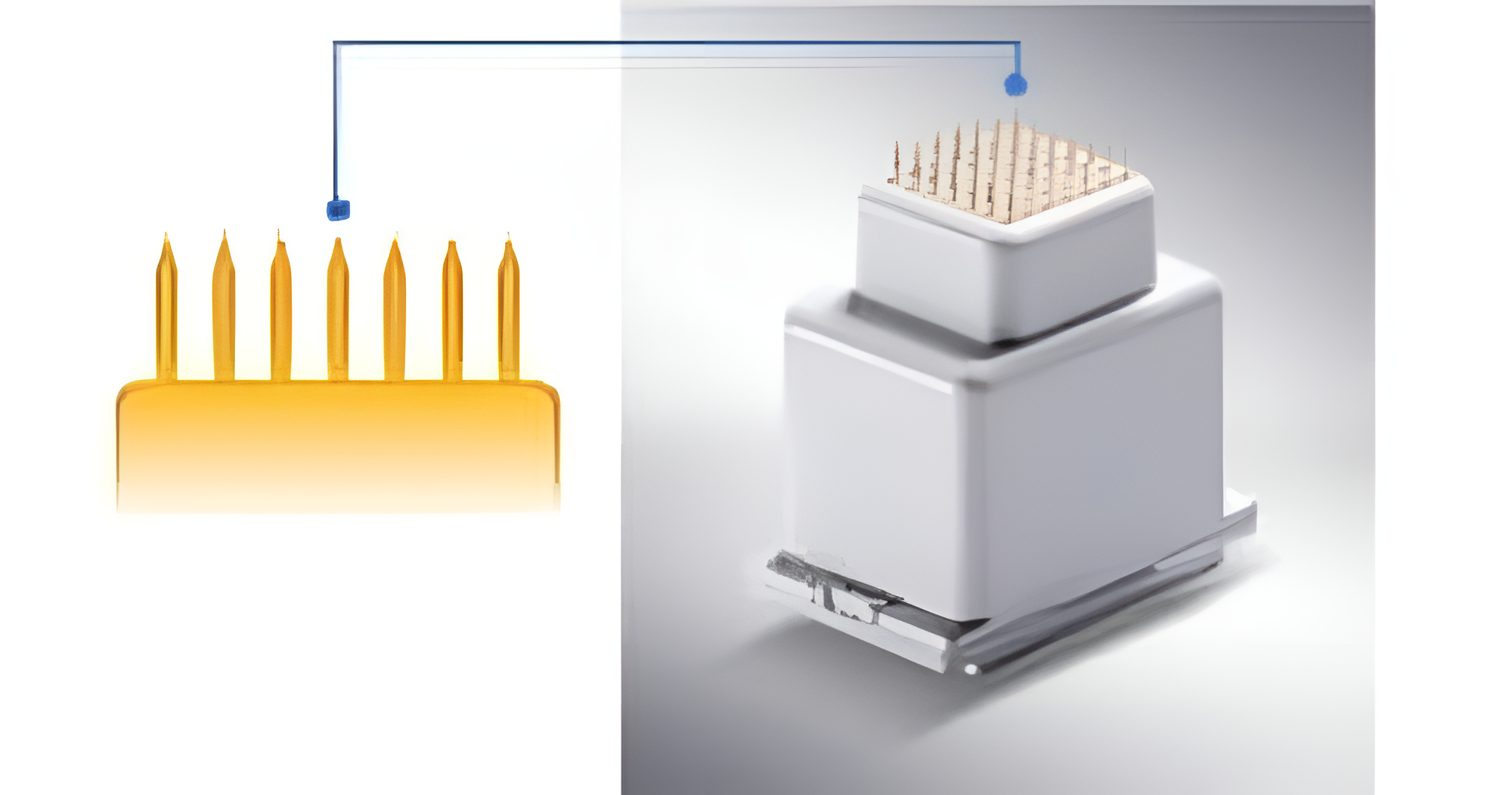
The Intracel treatment offers Microneedling coupled with Fractional Radio Frequency (RF), applied at just the right depth within the skin. This helps to mainly improve acne scars. At the same time it reduces pores, lifts and tightens the skin through collagen stimulation.

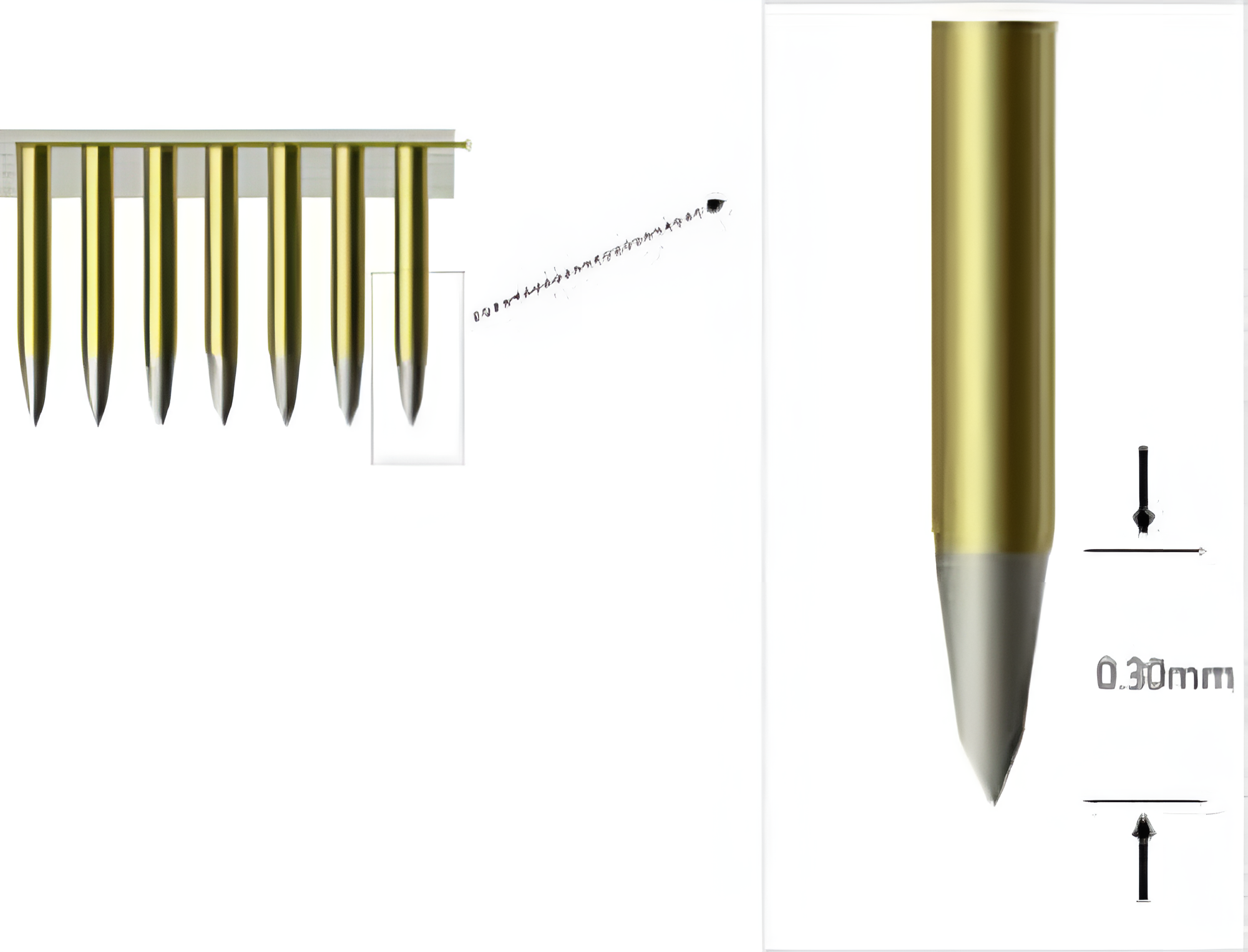
The fractional RF is delivered through an array of microneedles into the skin. Each needle is fully insulated except 0.3mm of the needle tip where RF energy is emitted. This special technology ensures that the RF energy is delivered into the skin exactly where it is needed, without damaging the top layer of the skin.

What does the Microneedling and Radio Frequency do?

The combination of Microneedling and RF further improves collagen stimulation within the skin. This helps to smoothen acne scars, tighten skin and reduce pore size. When treating acne scars, it is usually recommended to utilize a combination of treatments. Combining Intracel together with Edge Fractional CO2  Acne Scar Laser Removal can help to further improve the smoothening of acne scars to obtain even better results.

How is the treatment done?

A layer of topical numbing cream is first applied to the skin. This helps to make the procedure more comfortable. The Intracel Microneedle array is then applied to the skin. When the treatment starts, the needles from the array penetrate the skin surface and delivers RF into the skin where it triggers the body’s own collagen production process. The increase in amounts of collagen within the skin smoothens acne scars and firms the skin.

Is there any downtime associated with this procedure?

Mild redness or flushing can be expected from the treatment for 2-3 days.

Are there any side effects?

The Intracel treatment is FDA approved, safe and has been used to treat many satisfied and happy patients. Side effects are rare but includes infection, pigmentary changes, slight swelling and acneiform rash.

Will my acne scars improve immediately?

The full result from each Intracel session can be seen after 2-3 months. This is the usual amount of time taken by the body to stimulate collagen production. Immediately after treatment, one might find that the scars have improved tremendously and the skin is much tighter. This is usually due to the slight swelling of the skin immediately post treatment. This effect may last 1-2 weeks before seemingly returning the skin to its original state. The condition of the skin will then continue to improve slowly over 2-3 months as the body stimulates collagen growth. It is recommended to receive 3-4 sessions of Intracel treatment for even better results. A consultation with a doctor will help to determine the number of sessions required.

For more information on acne scar removal in Singapore

Say Goodbye to unsightly acne scars today with the Intracel Acne Scar treatment!

Because you’re beautiful as you are. At Lux Medical Aesthetic Clinic, we’re just here to accentuate your features. Contact us via telephone at +65 68159922. You can also contact us via SMS/WhatsApp at +65 88669922 or email at consult@luxaestheticclinic.com.

Important Information

*prices stated are exclusive of 9% GST.

Nothing in this website constitutes or is intended to constitute medical advice and readers rely on the statements contained herein at their own risk. Treatment results, experiences and downtime (if any) may vary by individuals. Please make an appointment with our clinic for a thorough medical assessment of your condition and treatment requirements.

Dermal Fillers: What They Are, 5 Types, 4 Benefits, and Treatment Areas

Fillers are a non-surgical option that may enhance facial features, address sagging skin, and reduce the appearance of fine lines. They can help restore lost volume and contour specific areas of the face. This post will provide information on what fillers are, the types available, their benefits, and the areas that they may treat.

Whether you’re curious about the types of fillers used for non-surgical cosmetic enhancements or want to understand the benefits and risks, this article provides clear, factual insights to help guide your decisions.

What are dermal fillers?

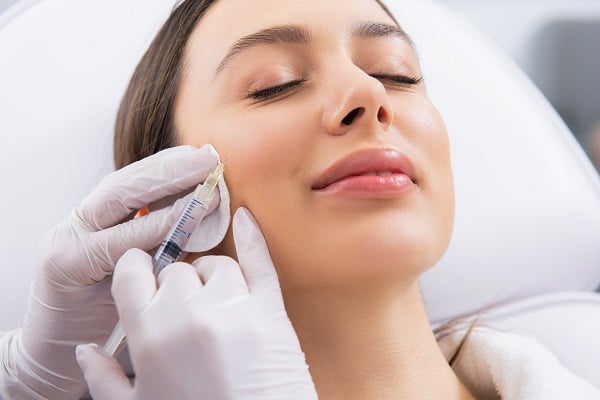
Dermal fillers are gel-like substances that may assist in restoring volume lost due to ageing or other factors in areas of the face such as the cheeks, lips, and under the eyes. Additionally, fillers can soften the appearance of facial wrinkles and fine lines.

Injectable dermal fillers are non-surgical cosmetic procedures that have gained popularity for their potential to offer noticeable changes with relatively short recovery times for many patients.

Types of Fillers

There are several types of fillers, each with distinct properties.

Type of FillerLongevityCommon UsesPopular Brands
Hyaluronic Acid Fillers6 to 18 monthsLips, cheeks, nasolabial folds, under-eye areaJuvederm, Restylane
Collagen Fillers3 to 6 monthsFine lines, wrinkles, lip enhancementZyderm, CosmoPlast
Calcium Hydroxyapatite12 to 18 monthsCheeks, jawline, temple, nasolabial folds, marionette linesRadiesse
Poly-L-Lactic Acid FillersUp to 2 years((gradual results)Deep wrinkles, facial folds, volume lossSculptra
Polymethylmethacrylate (PMMA) FillersSemi-permanentDeep wrinkles, folds, volume restoration, scarsBellafill

Hyaluronic Acid fillers

Hyaluronic acid fillers are among the most popular fillers due to their versatility and natural results. HA is a substance found naturally in the body, and these fillers work by retaining water, potentially providing hydration and volume to the skin. These are commonly used in areas such as the lips, cheeks, nasolabial folds, and under-eye areas.

Collagen Fillers

Collagen-based fillers were among the first types of fillers derived from human or animal collagen and used in cosmetic treatments. They may provide structure and support to the skin. However, the results are temporary as the body gradually absorbs collagen. Newer types of fillers, like HA fillers, have largely replaced collagen-based options.

Calcium hydroxyapatite fillers

Calcium hydroxyapatite (CaHA) is a synthetic form of a naturally found substance in bones and teeth, making it biocompatible and less likely to cause allergic reactions. These fillers may provide volume upon injection to address volume loss in the face and also stimulate collagen production, which can help improve skin texture and firmness over time.

CaHA fillers are suitable for areas such as the cheeks, jawline, temples, nasolabial folds, and marionette lines.

Poly-L-Lactic Acid Fillers

Poly-L-lactic acid fillers are biostimulatory, meaning they work by stimulating the body to produce its own collagen over time. This biodegradable synthetic material develops results gradually over several months.

Poly-L-lactic acid fillers may help treat deep wrinkles, facial folds, and restore volume loss in areas that have lost fat due to ageing.

Polymethylmethacrylate (PMMA) Fillers

Polymethylmethacrylate (PMMA) fillers are considered semi-permanent. The microspheres remain under the skin to provide long-lasting support. PMMA fillers contain about 20 percent PMMA microspheres suspended in 80 percent purified collagen gel.

These fillers may be used to treat wrinkles and folds, improve the appearance of scars, and restore volume in areas such as the cheeks and temples.

How do dermal fillers work?

Dermal filler treatment works through different mechanisms depending on its composition. The primary mechanisms by which fillers achieve their results can be categorised into two main types:

  • Physical Filling: This involves the direct volume replacement effect of the filler material. Upon injection, the filler occupies space under the skin, providing volume and support to the surrounding facial tissues immediately after the procedure.
  • Biostimulation: Some fillers stimulate the body’s natural collagen production, leading to gradual improvements over time.

Each type of filler also differs in its mechanism:

  • Hyaluronic Acid: Works primarily through its hydrophilic properties, drawing moisture into the skin, adding volume and hydration.
  • Collagen: Provides both volume replacement and collagen stimulation. The microspheres of CaHA create a scaffold that encourages fibroblast activity, promoting the formation of new collagen over time.
  • Poly-L-Lactic Acid: Primarily function through biostimulation. It stimulates natural collagen production, which gradually restores volume and improves skin texture.
  • Polymethylmethacrylate (PMMA) Fillers: Provide structural support while also stimulating collagen production.

Benefits of Dermal Fillers

Injectable fillers are generally considered safe for cosmetic enhancements, with many offering minimal downtime for a more rejuvenated appearance.

Immediate Cosmetic Enhancements

Dermal filler treatments may provide near-instant results. Once injected, most fillers will immediately add volume or smooth facial wrinkles, providing a quick fix for those looking for subtle or significant improvements.

  • Plump lips
  • Smooth lines and wrinkles
  • Restore volume in the cheeks
  • Contour the jawline

Versatility of Application

Dermal filler injections can be used in various areas, including:

  • Lips
  • Cheeks
  • Chin
  • Nasolabial folds
  • Temples
  • Hands

Minimal Downtime

One of the significant advantages of fillers is the minimal downtime associated with the treatment. Most patients can return to their regular activities almost immediately, making it a convenient option compared to a surgical procedure.

Reversible and Safe Options

Certain fillers, such as hyaluronic acid (HA) fillers, are reversible. In cases where the results are unsatisfactory, hyaluronidase can be injected to dissolve the filler. These treatments are generally safe, with many being FDA-approved. However, results and safety depend on individual factors and the type of filler used.

Areas of Treatment

Dermal fillers can be used in different areas of the face to help improve aesthetics and restore volume.

The doctor does injections to correct the hump on the nose with the beauty of the blonde. The beautician doees injections against wrinkles on the face. Women's cosmetology in a beauty salon

Nose Fillers

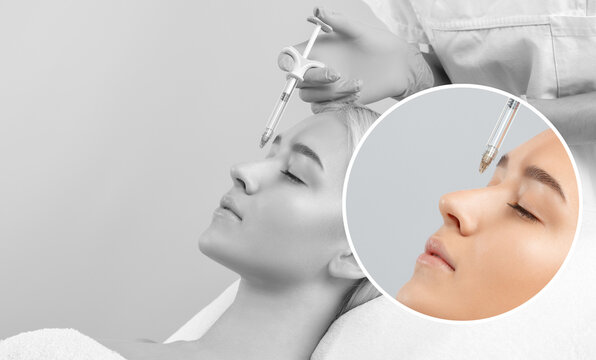
Nose fillers can help elevate the height of one’s nose bridge by perking up the tip, enhancing the beauty angles of the nose, and enhancing one’s frontal and side profiles. Unlike surgical nose implants, nose fillers help produce natural results without altering its natural shape.

womans chin being injjected

Chin Fillers

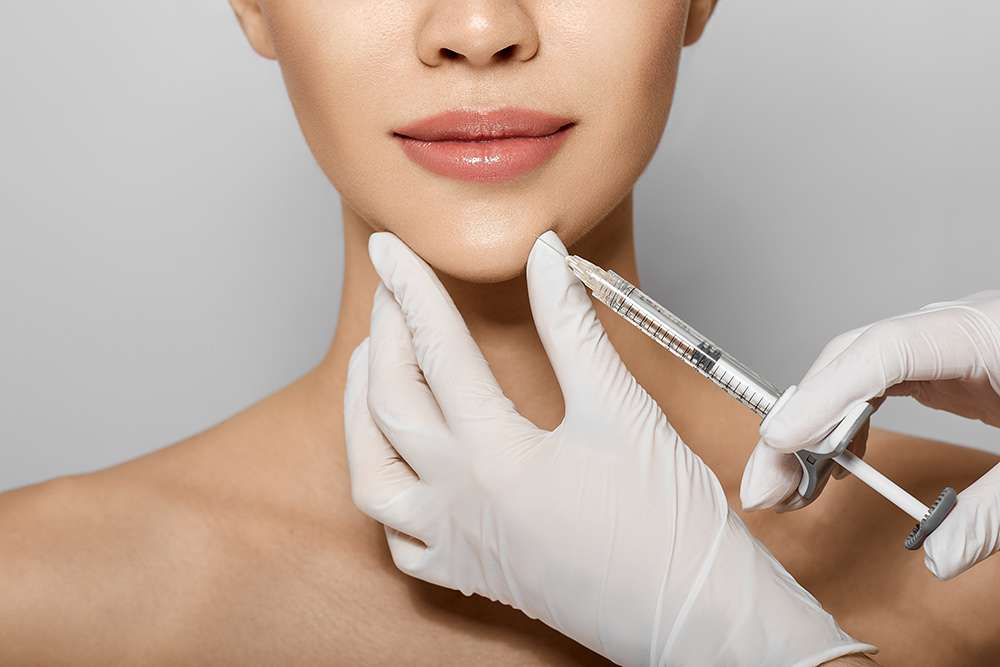
Chin fillers can potentially improve the chin’s shape and enhance facial symmetry. This treatment may help define a weak or receding chin and improve the jawline’s appearance, contributing to a more balanced profile.

womans face injected

Cheek Fillers

Cheek fillers are commonly used to restore volume in the midface, which can diminish with age. By adding volume, fillers may help improve the appearance of the cheekbones and offer a subtle lift.

Beautician doing injection filler on female client

Lip Fillers

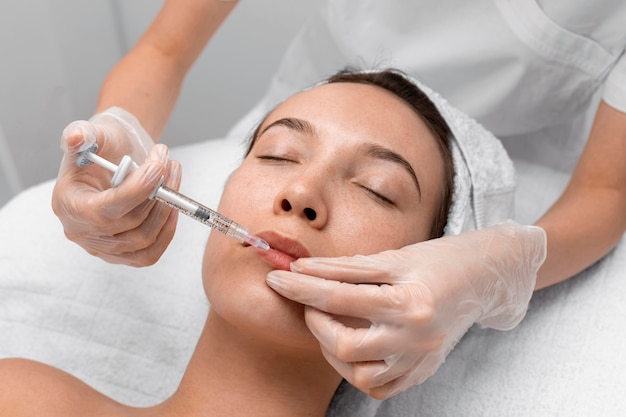
Lip fillers may be used to add volume, enhance lip shape, define the lip border, and reduce the appearance of vertical lip lines. They can also improve hydration in the lips.

Temple Filler Injection

Temple Fillers

Temple fillers are used to restore volume in the temples, which can become hollow over time. This treatment may smooth the contours of the face, creating a fuller, more balanced look.

Cosmetic botox injection in female forehead

Forehead Fillers

Forehead fillers can be used to add volume to flat areas of the forehead or smooth unevenness. Enhancing the forehead’s contour may contribute to an overall improved facial profile.

womans face with injection

Nasolabial Fillers

Nasolabial fillers are used to soften the appearance of nasolabial folds, which deepen as the cheeks lose volume with age. Fillers can provide lift and volume to the midface, making the folds less prominent.

Risk and Side Effects

Although fillers are generally safe, they may carry certain potential risks and side effects. The most common side effects of dermal fillers are mild and temporary, often resolving within 7-14 days. These may include:

  • Redness and swelling at the injection site
  • Bruising
  • Pain or tenderness
  • Itching or rash

These reactions are a common physiological response to the injection of a foreign substance and may be alleviated by cooling the treated area or using a slow injection technique with local anaesthetics.

While rare, there are some more serious potential side effects of dermal fillers that could occur, such as:

  • Infection at the injection site
  • Nodules, bumps or cysts
  • Granulomas (inflammatory reactions to the filler)
  • Allergic reactions
  • Skin cell death or tissue necrosis
  • Injury to blood vessels
  • Movement of the filler from one area to another
  • Blindness (if the filler is accidentally injected into an artery that blocks blood flow to the eyes)

The side effects and risks of fillers may vary depending on the type of filler used, as well as individual patient factors.

Filler TypeCommon Side EffectsRisks
Hyaluronic Acid (HA)-Swelling especially with large volumes
-Bruising, redness, pain and itching at the injection site
– Asymmetry
– Granulomas and nodules, though less common with newer HA fillers
– Infection
– Tissue necrosis
Collagen– Swelling, bruising, itching or redness at the injection site– Allergenic reaction
– Granulomas
– Infection
Calcium Hydroxylapatite– Bruising, swelling, redness at the injection site
– Nodules and granulomas
– Infection
– Vascular occlusion
Poly-L-lactic Acid (PLLA)— Bruising, swelling, redness at the Injection site
– Nodules and granulomas
– Infection
– Vascular occlusion
Polymethylmethacrylate (PMMA)– Bruising, swelling, redness at the injection site – Nodules and granulomas– Higher rates of complications like infection and nodules – Considered permanent with results lasting five years

Cost of Dermal Filler Treatment

The cost of filler treatments may vary based on factors such as the treatment area, type of filler used, and the number of syringes administered. It is advisable to consult with a healthcare professional for a better understanding of the potential costs involved in your specific treatment plan.

FillerCost
Tear Trough Filler$800 per syringe
Chin Filler$700 per syringe
Cheek Filler$700 per syringe
Lip Filler$800 per syringe
Temple Filler$700 per syringe
Forehead Filler$800 per syringe
Nasolabial Folds Filler$700 per syringe

Longevity of Fillers

The duration of the filler’s effect may depend on the type of filler used. Common fillers and their typical durations include:

  • Hyaluronic Acid (HA) Fillers: Typically last between 6 to 18 months.
  • Collagen Fillers: Last between 3 to 6 months.
  • Calcium Hydroxylapatite (CaHA) Fillers: Typically last 12 to 18 months.
  • Poly-L-lactic Acid (PLLA) Fillers: May last up to 2 years.
  • Polymethylmethacrylate (PMMA) Fillers: Considered semi-permanent.

Several factors may influence the longevity of fillers, including:

  • Metabolism: Individuals with faster metabolisms may break down fillers more quickly.
  • The area treated: Fillers applied to high-movement areas like lips and smile lines tend to have a shorter duration.
  • Injection technique: Uneven filler absorption due to poor technique may reduce the treatment’s longevity.
  • Lifestyle factors: Habits such as smoking, alcohol consumption, and a poor diet may accelerate the breakdown of fillers.

Conclusion

Fillers offer a versatile solution for improving facial aesthetics, providing lift and volume restoration in various areas of the face, such as the nose, chin, cheeks, lips, temples, forehead, and nasolabial folds. These treatments may involve minimal downtime and are reversible for certain types of dermal fillers.

Although widely considered safe, fillers do carry some risks and side effects, which may vary depending on the type of filler used and individual factors. The cost and longevity of fillers also differ based on the treatment area and filler type.

Given the complexity and individual nature of these treatments, it is advisable to consult with a doctor for a personalised treatment plan that meets your specific needs and goals.

HIFU Body Treatment: Your Key to Non-Surgical Body Sculpting!

In today’s world, where everyone is seeking effective and minimally invasive solutions for body sculpting, HIFU body treatment offers a promising method of non-surgical body contouring. This technology targets stubborn fat and tightens the skin, providing noticeable improvements without the need for incisions or downtime.

If you struggle with stubborn fat deposits that diet and exercise just can’t seem to fix, HIFU body treatment may be the non-surgical solution you’ve been seeking to refine your body shape and achieve a more sculpted, toned physique.

What is HIFU Body Treatment?

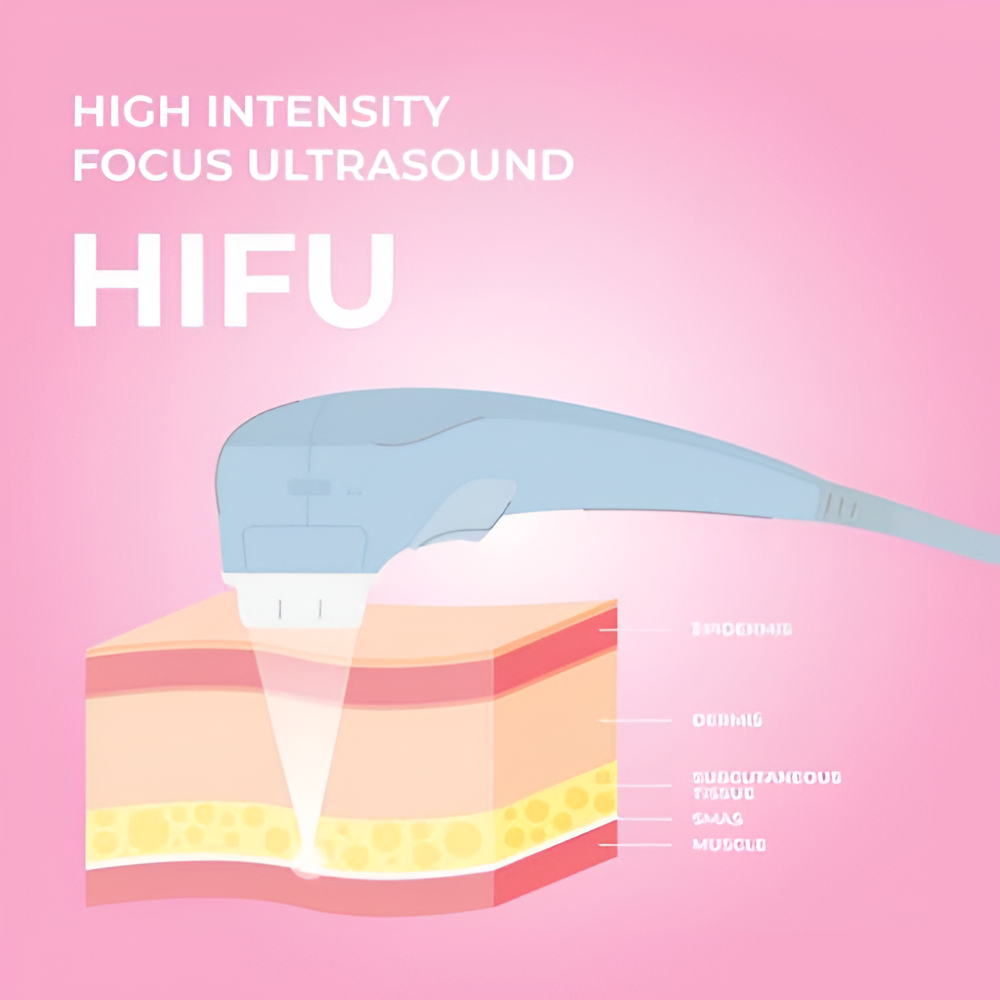
High-Intensity Focused Ultrasound (HIFU) body treatment is a non-invasive aesthetic procedure designed to target and destroy fat cells. This treatment tightens the skin without damaging the surface of the skin.

HIFU technology works by delivering high-intensity ultrasound energy deep into the skin, where it generates thermal energy. This energy disrupts fat cells, which are then naturally eliminated by the body’s lymphatic system. Additionally, HIFU stimulates collagen production, leading to smoother, firmer skin. HIFU can also be used in other treatment areas, such as a HIFU eye lift.

Here are the key aspects of HIFU body treatment:

  • Non-surgical: No incisions or downtime are required.
  • Targets fat cells: Focused ultrasound waves selectively break down fat cells.
  • Skin firmness: Stimulates collagen production to enhance skin elasticity.
  • Quick and convenient: Sessions last between 30 to 90 minutes.
  • Safe and effective: Few reported side effects.
HIFU illustration

Benefits of HIFU Body Treatment

Minimal Downtime

Unlike traditional surgical procedures, HIFU treatment requires little to no recovery time, and patients can return to their daily activities almost immediately.

Non-Invasive

The treatment does not involve any incisions or injections, reducing the risk of scarring and infection.

Long-Lasting Results

HIFU treatment stimulates collagen production, which continuously tightens and lifts the skin over time, providing enduring results.

Targeted Fat Reduction

The technology precisely targets fat cells, ensuring effective treatment of problem areas without affecting surrounding tissues.

Pain-Free

While some patients may experience slight discomfort, the process is generally well-tolerated and may involve minimal discomfort.

Quick Procedure

Sessions are relatively short, typically lasting between 30 to 90 minutes, making it convenient for those with busy schedules.

Skin Rejuvenation

In addition to reducing fat, HIFU can rejuvenate the skin, which reduces fine lines and wrinkles while improving skin texture.

How Does HIFU Body Treatment Work?

High-Intensity Focused Ultrasound (HIFU) is a fat-reduction treatment that simultaneously tightens the skin.

Fat Reduction with HIFU

HIFU targets and destroys fat cells through a process known as thermal coagulation, where focused ultrasound waves heat the subcutaneous fat tissue to a specific temperature, causing the fat cells to break down. 

Over time, the body’s natural metabolism processes and eliminates these fat cells, leading to a slimmer and more contoured appearance.

Targeted Areas for Fat Reduction:

  • Abdomen
  • Thighs
  • Arms
  • Flanks (love handles)
  • Buttocks
  • Back
skin lightening illustration

Skin Tightening with HIFU

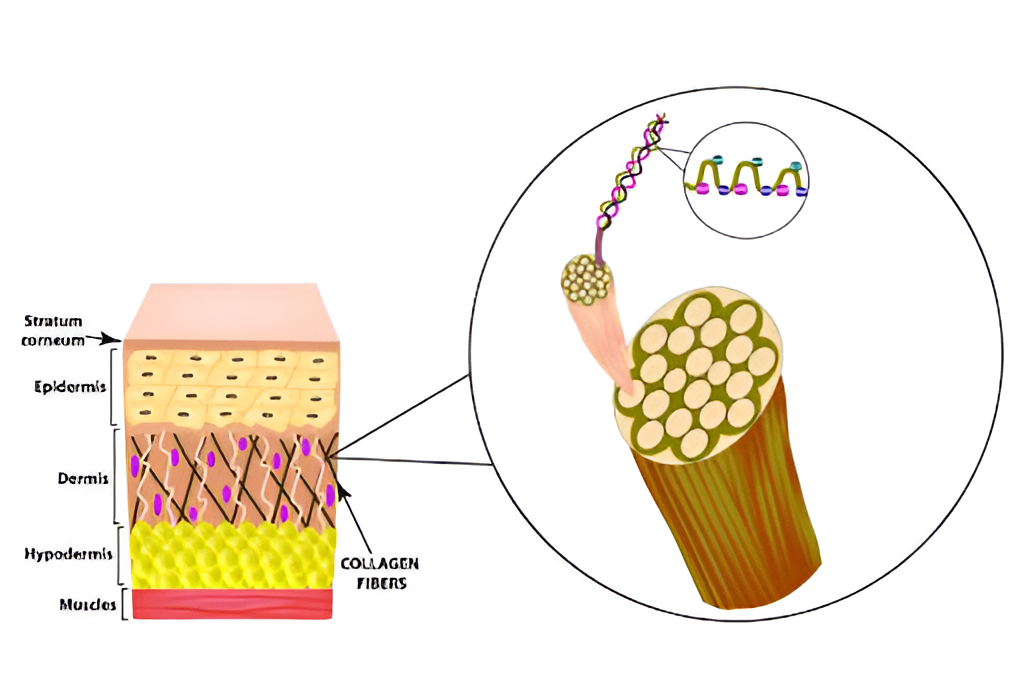
In addition to overall fat reduction,  HIFU stimulates collagen production in the skin. The thermal energy from the ultrasound waves triggers the body’s natural healing response, leading to the regeneration of collagen fibres.

This process results in firmer, tighter skin and improved elasticity, effectively reducing the appearance of sagging skin.

You can also learn more about the broader HIFU treatment for skin tightening approach here.

Who is a Good Candidate for HIFU Body Treatment?

Ideal candidates for HIFU treatment are individuals who struggle with stubborn fat that does not go away with regular diet and exercise. This procedure is perfect for those looking to target the abdomen, thighs, or arms to achieve a more toned and sculpted look without the need for surgery. People who prefer minimal recovery time and want to avoid the risks associated with traditional surgical procedures will also find HIFU a compelling choice.

However, pregnant women and individuals with certain medical conditions, such as skin infections in the target area, should avoid this procedure.

It is also not recommended for those with a high degree of obesity, as HIFU is designed for spot reduction rather than extensive fat loss. Consult your doctor to determine if HIFU body treatment is the right fit for your needs and health profile.

If you are exploring other types of HIFU treatment, you can also learn more about Liftera here

What to Expect During the Procedure

doctors patient treatment

Consultation

Our doctor will assess your health profile, discuss your body contouring goals, and determine your suitability for the procedure. This also allows for addressing any concerns, ensuring that you understand the treatment plan and expected outcomes.

Preparation and Application of Ultrasound Gel

On the day of the treatment, the targeted area will be thoroughly cleaned, and a specialised ultrasound gel will be applied. This gel facilitates the smooth transmission of ultrasound waves and enhances the effectiveness of the HIFU device.

HIFU Device Application

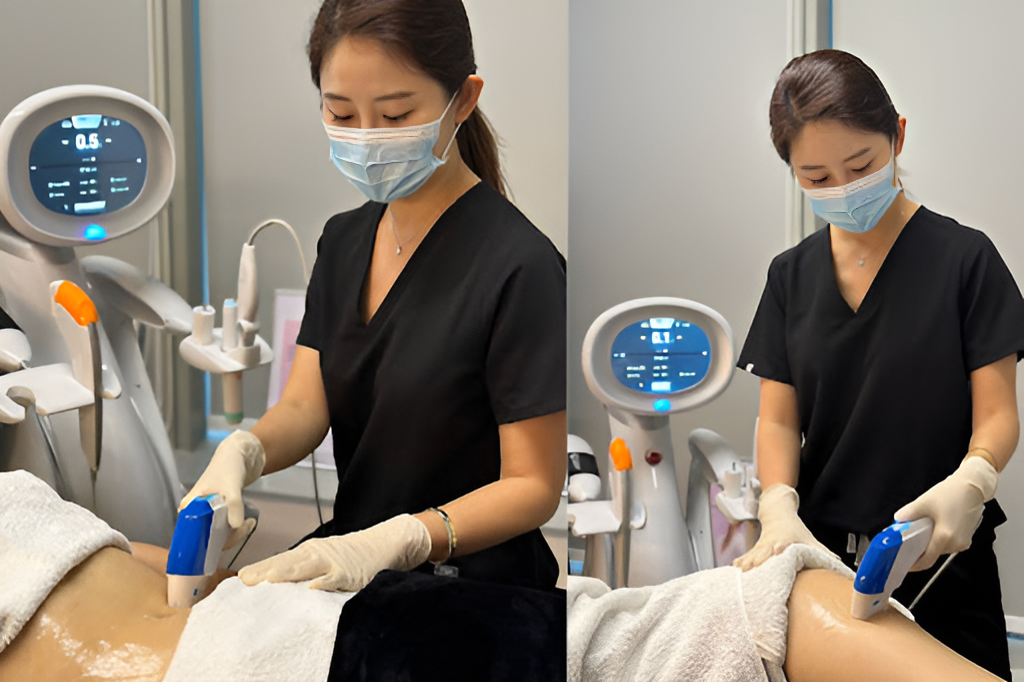
Following the preparation, the medical professional will use a hand-held HIFU device to deliver focused ultrasound energy to the targeted fat cells beneath the skin. The device’s precision effectively targets stubborn fat deposits while leaving the surrounding tissues unharmed.

Duration and Pain Management

The duration of the treatment course can range from 30 to 90 minutes. Some patients experience minimal discomfort during the procedure, often describing a warming sensation or slight tingling.

Pain management typically involves applying a topical numbing cream or oral painkillers to ensure a comfortable experience.

Can HIFU body treatment be combined with other treatments? Yes. It can be combined with other treatments to accelerate results and provide a more comprehensive approach to body contouring and skin tightening. This includes Body Thermage, Cryolipolysis, and MediSculpt.

What to Expect After the Procedure

Potential Side Effects

While HIFU body treatment is generally safe, some patients may experience mild side effects. Commonly reported side effects include slight discomfort, redness, and swelling in the treated area. These effects are usually temporary and tend to resolve within a few hours to a couple of days.

In rare instances, some individuals might experience bruising, a mild sensation of warmth, or numbness that can last for a short period following the procedure.

Recovery Time and Downtime

HIFU body treatment requires minimal downtime. Most patients can resume their activities immediately after the procedure. There is no significant recovery period needed, making it convenient for patients with busy lifestyles.

Timeline for Visible Results

The results from HIFU body treatment are not immediate. The body’s natural process of eliminating the destroyed fat cells takes time. Most patients begin to notice visible improvements around 4 to 12 weeks after the procedure, with full results becoming apparent up to 6 months post-treatment.

Post-Treatment Care Tips

  • Drink plenty of water to aid in the metabolic elimination of fat cells.
  • Eat a balanced diet and exercise regularly to support and sustain the treatment results.
  • Refrain from using saunas or hot tubs for a few days post-treatment to allow the skin to recover fully.

How often does the HIFU body treatment need to be done? HIFU body treatment ideally requires 1 session every 9-12 months. For stubborn/bulky areas, a repeat session in that area can be done 1-3 months later.

How Many Sessions Are Needed?

Most patients see improvements after the first session. However, a series of treatments may be recommended for those looking for more substantial changes.

Typically, additional sessions may be advised for stubborn areas. It is recommended that these be spaced about 4 to 12 weeks apart to ensure maximum effectiveness. This allows the body ample time to naturally eliminate the disrupted fat cells and for the skin to adjust to the new contours.

Follow the schedule and attend all sessions to achieve your desired results. Regular follow-up appointments will help monitor your progress and make any adjustments to your treatment plan.

Why Choose Us?

At Lux Medical Aesthetic Clinic, our doctor is qualified and experienced in medical aesthetics.

We utilise modern technology to facilitate HIFU body treatments. Our HIFU devices allow us to target stubborn fat deposits accurately while preserving the surrounding tissues.

Our clinic understands that every individual is unique, with specific body contouring goals and varying physiological needs. That’s why we offer a customised treatment plan tailored to your specific requirements.

Treatment plans may involve single or multiple sessions, depending on your needs and desired outcomes. Our approach aims to provide effective results in body contouring.

How Much Does HIFU Body Treatment Cost?

The cost of HIFU’s complete fat reduction treatment depends on the location, clinic, treatment area, brand of technology and doctor’s expertise. It can range from $550 to $3,500 per session.

Want a Slimmer Silhouette? Explore HIFU Body Treatments Today!

Ready to take the next step in achieving your body contouring goals? Booking a consultation or treatment session at Lux Medical Aesthetic Clinic is easy and convenient. Simply reach out to us through one of the following methods:

Liftera HIFU V-Face Non-Invasive Lifting: What is it and 7 Benefits

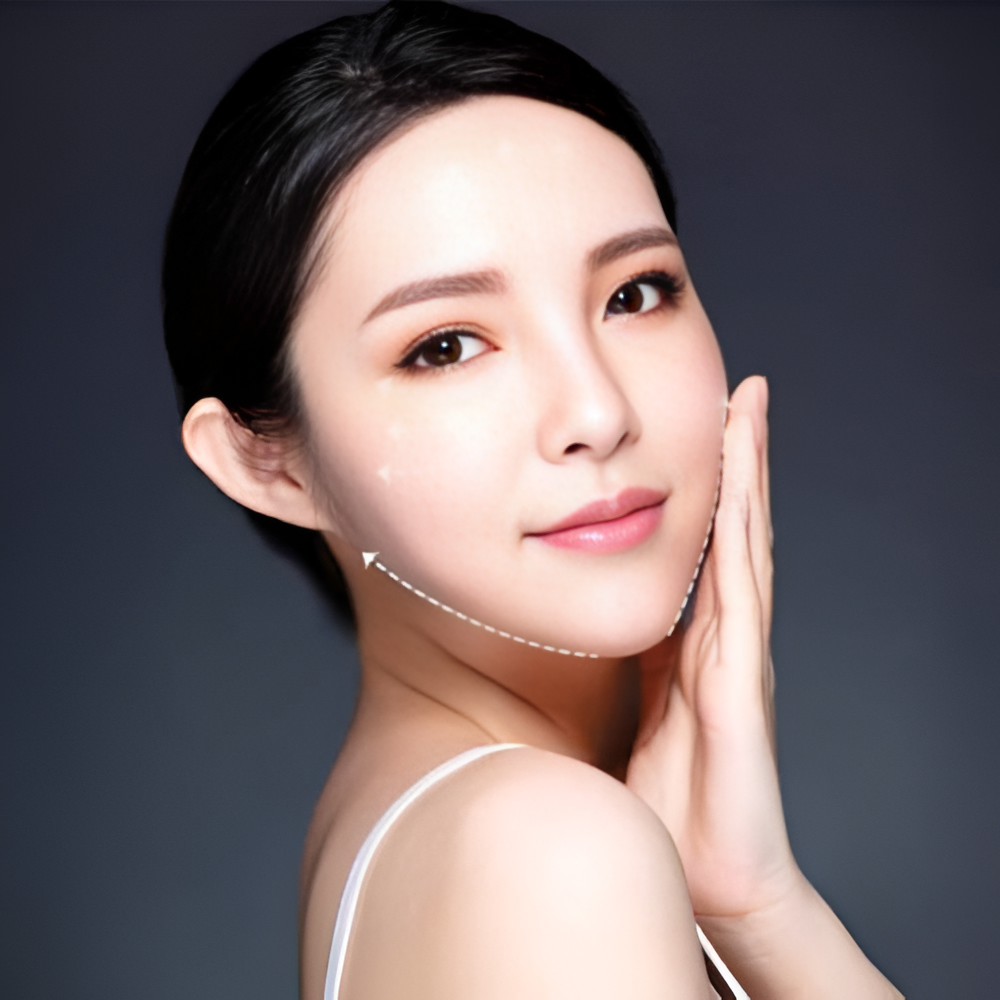
Are you looking to achieve the highly sought-after V-shaped face? This aesthetic goal has just become simpler and more accessible with Liftera HIFU. Imagine redefining your facial contours without the need for surgery, incisions, or lengthy recovery times.

Liftera utilises High-Intensity Focused Ultrasound (HIFU) technology to lift and tighten your skin, leaving you with smoother and firmer skin for a more youthful, contoured appearance. Don’t miss out on this opportunity to achieve your aesthetic goals with Liftera HIFU.

What is Liftera HIFU?

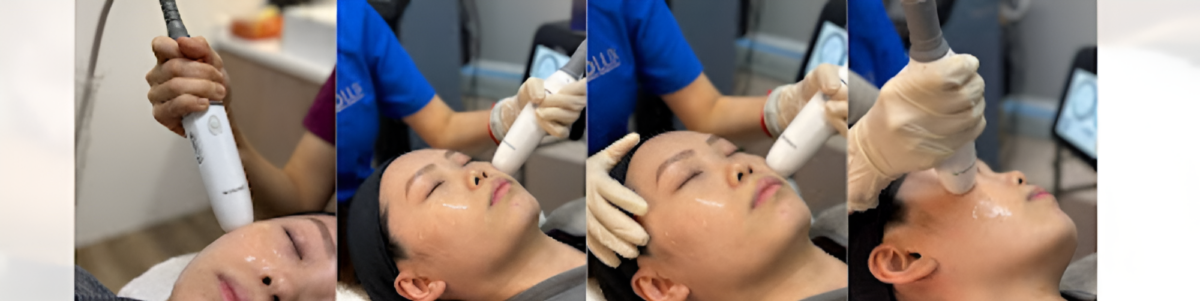
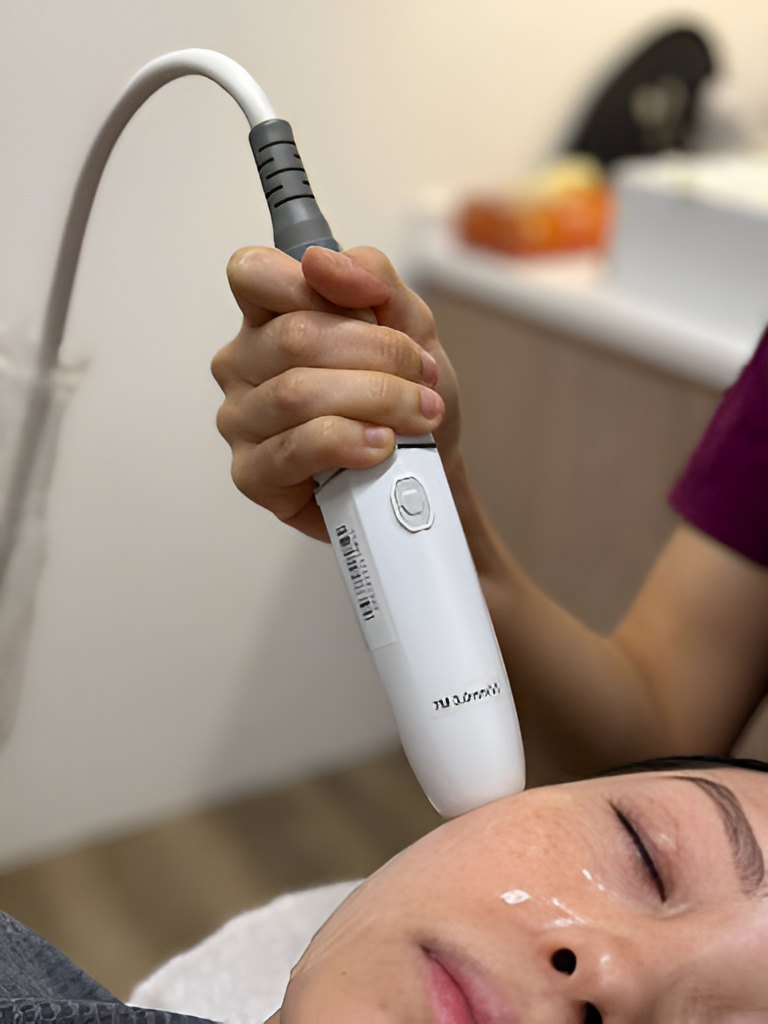
Liftera HIFU uses high-intensity focused ultrasound (HIFU) technology that releases sound waves to penetrate specific skin layers without affecting the surface. This energy heats the underlying tissues to stimulate collagen production—a natural protein in the body responsible for skin elasticity and firmness. Triggering collagen production leads to a noticeable lifting and tightening effect, making the skin appear smoother and more toned over time.

Key Features and Mechanisms:

  • Adjustable Depth Penetration: The technology allows for precision in adjusting the depth, ensuring it reaches the specific layers of the skin – the superficial muscular aponeurotic system – that need treatment.
  • Targeted Treatment Areas: HIFU can be focused on various parts of the face and neck, making it a versatile option for addressing different concerns.
  • Non-Invasive: This does not require any surgical incisions, resulting in minimal downtime and eliminating the need for a lengthy recovery period.
  • Stimulates Collagen Production: By heating the targeted tissue, Liftera HIFU effectively kickstarts the body’s natural healing processes, enhancing collagen production.

What is the difference between HIFU and Liftera? HIFU (High-Intensity Focused Ultrasound) and Liftera both stimulate collagen production and tighten skin. However, Liftera is a specific type of HIFU treatment that utilises Thermal Diffusion Treatment (TDT ™) Technology, offering faster results and with less discomfort compared to traditional HIFU treatments.

girl being treated to her face

Is Liftera HIFU Right for Me?

When considering Liftera HIFU treatment, it’s crucial to align your individual goals and realistic expectations. Results from Liftera HIFU typically appear gradually, with noticeable improvements often becoming evident over a few months.

Potential Benefits and Goals:

  • Reduction of mild to moderate wrinkles
  • Lifting and tightening of sagging skin
  • Improved skin elasticity
  • Enhanced overall skin texture
  • Non-surgical and minimally invasive

Liftera HIFU is generally considered a safe procedure, but some patients may experience side effects.

What are the side effects? The Lux V-Lift HIFU treatment is a safe procedure that does not harm the skin’s surface. There may be some slight reddening of the skin and a light tingling sensation for a few weeks, which typically resolve quickly.

To determine whether Liftera HIFU is suitable for you, it’s best to consult a qualified medical doctor.

Who is suitable for this treatment? Individuals with moderate skin laxity and facial fat, as well as those who are under 40 years old who seek preventative measures to delay the onset of ageing, are suitable for this treatment.

However, there are certain situations where it might not be recommended. These include:

  • Pregnancy
  • Serious skin infections or open wounds in the treatment area
  • Severe or cystic acne in the area to be treated
  • Individuals with pacemakers or other electronic implants
  • Severe heart conditions or disorders
  • Active systemic or local skin disease that may alter wound healing
  • Recent surgical procedures in the treatment area

If you are still comparing non-surgical lifting options, this HIFU vs Ultherapy guide may help.

Treatment Target Areas

Liftera HIFU targets specific areas to achieve a more youthful and lifted appearance. This tightening and contouring treatment addresses common signs of ageing.

  • Jowls
  • Cheek
  • Eye Corners (Crowfwhileet)
  • Forehead and Brow Areas (to improve droopy eyelids)
  • Saggy Heavy Cheeks
  • Lax Double Chin
  • Jawline (Facial Contouring)
  • Upper Neck

Benefits of Liftera HIFU

  • Skin Tightening and Lifting: Liftera HIFU uses high-intensity focused ultrasound to target the deeper layers of the skin, promoting a tightening and lifting effect.
  • Wrinkle Reduction: By stimulating collagen production, Liftera HIFU smooths out skin for a more youthful appearance.
  • Collagen Stimulation: The procedure encourages the natural production of collagen to maintain skin elasticity and firmness.
  • Clinically Safe: Liftera HIFU has been rigorously tested and proven to be safe for clinical use, ensuring that patients receive effective treatment without compromising their well-being.
  • Zero Downtime: One of the major advantages of Liftera HIFU is that it requires no recovery period. 
  • Non-invasive & No Needles: As a non-invasive treatment, Liftera HIFU does not involve any incisions or needles, making it a more comfortable and less daunting option for skin rejuvenation, unlike conventional lifting techniques.
  • Comfortable: The procedure is designed to be less painful compared to traditional HIFU, ensuring a more pleasant experience for patients.

Individual results may vary with Liftera HIFU treatments.

beautiful young woman

Liftera HIFU Treatment Process

Consultation

  • Initial Assessment: Our doctor will assess your skin and discuss your aesthetic goals.
  • Medical History Review: Our doctor will review your medical history to make sure there are no treatment contraindications.
  • Expectation Setting: You’ll receive detailed information about what to expect before, during, and after the treatment.

Preparation

  • Cleansing: The treatment area will be cleaned to remove any impurities.
  • Topical Anaesthetic: A topical anaesthetic will be applied to the area to minimise discomfort.
  • Marking: Treatment areas will be marked out to ensure the precise application of the HIFU technology.

Treatment Application

  • Device Calibration: The Liftera HIFU device will be calibrated according to the specific needs of your skin and treatment goals.
  • Application: The device is then used to deliver focused ultrasound energy to the treatment area, promoting collagen production and tissue regeneration.
  • Duration: The procedure takes between 30 to 90 minutes, depending on the treated area.

Is Liftera painful? Most patients experience little to no pain during the treatment. Some may feel a slight tingling sensation or warmth as the heat energy stimulates the skin’s regenerative process.

How often should I do Liftera? For optimal results, it is recommended to have at least 4 sessions spaced four weeks apart.

Aftercare

The recovery process for Liftera HIFU is typically straightforward and involves minimal downtime, making it a convenient option for those with busy lifestyles. 

For optimal results, here are some aftercare tips:

  • Sun Protection: Protect your skin from sunlight after the treatment as per normal. Apply SPF of 50 or higher sunscreen daily and avoid long sun exposure.
  • Hydration: Drink plenty of water to help support your skin’s healing and rejuvenation process.
  • Gentle Skincare: Use gentle, hydrating skincare products and avoid harsh exfoliants or irritants for a week after the treatment. Focus on keeping the skin moisturised.

Liftera HIFU Treatment Cost and Recovery

The cost of Liftera HIFU treatment starts at $650, varying depending on location, treatment area, and provider experience.

  • Treatment Area Size: Larger areas require more time and resources, impacting the cost.
  • Number of Sessions Needed: Some patients may require multiple sessions to achieve their desired results.
  • Provider Experience: More experienced providers may charge higher fees but often offer more reliable results.

Lux Medical Aesthetic Clinic offers a Lux V-Lift HIFU treatment package at $2000* for 4 sessions.

Why Choose Lux Medical Aesthetic Clinic

Like any medical treatment, Liftera HIFU should be performed by a qualified professional. Lux Medical Aesthetic Clinic is a preferred choice for Liftera HIFU treatment (Lux V-Lift HIFU Therapy), focusing on:

  • Good Reputation: Lux Medical Aesthetic Clinic has built a sterling reputation for delivering aesthetic solutions. Our commitment to client satisfaction and safety has made us a reliable choice for many.
  • Emerging Technology: We utilise the latest Liftera HIFU (Lux V-Lift HIFU Therapy) devices, ensuring precision and effective treatments.
  • Customised Treatment Plans: Our approach meets the unique needs of each client for personalised care and optimal results.
  • Comfortable and Inviting Environment: Our clinic’s professional and inviting atmosphere ensures a comfortable and pleasant experience during your visit.

Conclusion

Liftera HIFU treatments offer a non-surgical solution for lifting, tightening, and reducing wrinkles. Unlike a surgical facelift, this procedure utilises focused ultrasound energy to stimulate collagen production, promoting skin rejuvenation and a more youthful appearance.

If you are considering Liftera HIFU or seeking ways to achieve younger-looking skin, consulting a qualified dermatologist or practitioner is the best next step. Use this opportunity to learn more about your skincare options and make informed decisions about your journey to healthier, more radiant skin.

HIFU for Double Chin: How It Works, 5 Benefits, and Cost

Are you struggling with the double chin dilemma that just won’t go away? This common cosmetic concern affects many people. Fortunately, High-Intensity Focused Ultrasound (HIFU) offers a non-invasive method for reducing the appearance of a double chin. Utilising ultrasound technology, HIFU targets and destroys fat cells beneath the skin, which may result in a slimmer and more defined jawline.

In this article, you’ll learn about the causes of double chins, prevention strategies, and how HIFU technology can help improve your profile and enhance your appearance.

Understanding Double Chins

A double chin, also known medically as submental fat, is the accumulation of a layer of fat beneath the chin. This extra tissue creates the illusion of a second chin. Various factors can cause this condition. 

  • Genetics: Some people are more predisposed to accumulating fat under the chin due to their genetic makeup.  
  • Weight Gain: Excess weight can impact fat deposition in various areas, including under the chin. 
  • Ageing: Collagen and elastin production naturally declines as we age. These proteins provide skin elasticity and structure, and their decrease can contribute to a double chin appearance.
  • Posture: Poor posture may weaken muscles in the neck and chin area, which can lead to sagging skin.

How to Prevent Double Chin

Preventing a double chin involves adopting a healthy lifestyle with a focus on maintaining balanced nutrition and regular physical activity. Here are key steps you can take to potentially reduce the risk of developing a double chin:

  • Balanced diet: Prioritising a nutrient-rich diet plays a crucial role in managing overall body weight and minimising fat accumulation under the chin. Include a variety of lean proteins such as fish, chicken, and legumes, alongside plenty of fruits, vegetables, and whole grains. These foods provide essential nutrients while supporting healthy weight management, which in turn helps control the amount of fat stored in the chin and neck areas.
  • Regular physical activity: Staying active not only helps with overall weight management but also keeps the muscles in your body toned. Incorporating facial exercises, such as chin lifts or neck stretches, can specifically target the muscles around the jawline, chin, and neck. Strengthening these muscles may reduce sagging and help create a more defined profile. Additionally, full-body exercises, such as cardio and strength training, assist in burning excess calories and reducing fat throughout the body, including under the chin.
  • Good posture: Maintaining proper posture strengthens the muscles in your neck and prevents the sagging of the skin. By sitting and standing upright, you help engage and support the muscles under your chin and neck, reducing the likelihood of developing a double chin over time. Regularly checking your posture, especially while sitting at a desk or using electronic devices, can prevent the weakening of these muscles.
Young woman holding fork with tomato and healthy salad standing in kitchen
Hifu machine

What is HIFU?

High-Intensity Focused Ultrasound, or HIFU, is a non-invasive aesthetic treatment that uses focused ultrasound waves. This technology targets the skin’s deeper layers to cause contraction, triggering collagen synthesis. The result is a natural lift for a firmer, more youthful appearance.

HIFU machines have a unique method of delivering ultrasound energy with precision, making them beneficial for various aesthetic purposes. Its ability to target smaller, more specific areas and deliver uniform energy makes HIFU an effective option for double chin reduction.

This versatility allows tailored treatments that may address the under-chin for lift and contour with minimal downtime and no invasive procedures.

For a broader understanding of how the treatment works and what it can address, this guide to HIFU provides additional context.

How Does HIFU Work for Double Chins?

HIFU delivers focused, high-intensity ultrasound energy targeting stubborn fat cells under the chin. This energy is converted into thermal energy, which disrupts fat tissues by creating controlled thermal injury points. Over time, the body’s natural metabolic process gradually removes the fat cells.

Additionally, HIFU stimulates collagen production, which may tighten and firm the skin. This dual action allows HIFU to target both fat reduction and skin tightening. The treatment is designed to minimise the impact on surrounding tissues.

For readers interested in how HIFU can be used beyond the chin area, including other body regions, this guide to HIFU body treatment provides additional detail.

Benefits of HIFU for Double Chin

Reduced Fat Under the Chin

HIFU targets stubborn fat deposits beneath the chin, which may help to reduce submental fat.

Tighter and Firmer Skin

The ultrasound energy can stimulate collagen and elastin production, potentially leading to tighter and firmer skin.

Defined Jawline

HIFU can help reduce fat and tighten the skin around the neck and chin, contributing to an improved jawline.

Minimal Downtime

As a non-invasive treatment, HIFU requires minimal downtime, allowing most patients to resume daily activities shortly after the procedure.

Fewer Risks Compared to Surgery

As a non-surgical alternative to traditional procedures like liposuction, HIFU carries fewer risks. It does not require incisions or general anaesthesia, significantly reducing the chances of complications such as infection or scarring.

HIFU treatment on the lower face and jawline

Who is a Good Candidate for HIFU Double Chin Treatment?

HIFU treatments are suitable for a wide range of individuals. Here are some factors that can help determine if you’re a good fit for this procedure:

  • Age Group (Late 20s to 60s): Typically, individuals in their late 20s to 60s are considered ideal candidates for HIFU. In this age range, the skin’s ability to produce collagen is still active, which enhances the treatment’s effectiveness in tightening and lifting the skin. Younger individuals may respond better due to their skin’s higher elasticity.
  • Mild to Moderate Skin Laxity: HIFU is often recommended for those with mild to moderate skin laxity under the chin. It may help tighten the skin and reduce sagging. However, individuals with more significant sagging may need to explore more extensive treatment options.
  • Healthy Individuals with Realistic Expectations: Candidates in good health may benefit from HIFU, with gradual and subtle improvements over time. It’s helpful to have an open discussion with a qualified doctor to gain a clear understanding of what the treatment can achieve.

However, HIFU may not be the best option for everyone:

  • Pregnant or Nursing Women: It is generally recommended that pregnant or breastfeeding women avoid energy-based procedures like HIFU due to the lack of research on safety during pregnancy and lactation.
  • Severe Skin Laxity: For individuals with severe skin sagging, HIFU may not provide the desired outcome, as the non-invasive nature of the treatment limits its ability to address excessive laxity. Surgical options may be more appropriate in these cases.
  • Skin Conditions in the Treatment Area: People with active skin issues, such as open wounds, infections, or severe acne in the chin or neck area, are not suitable for HIFU. The procedure could exacerbate these conditions and interfere with the healing process.
  • Metal Implants Near the Area Being Treated: HIFU uses high-frequency sound waves, which can interact with metal implants such as pacemakers or metal plates in the neck or jaw area. Individuals with these implants should avoid the treatment to prevent any adverse reactions.

What Happens During a HIFU Double Chin Treatment?

Understanding what happens during a HIFU double chin treatment can help reduce apprehensions and ensure you are well-prepared for the procedure.

Pre-Treatment Preparation

Before the treatment, patients will undergo a thorough consultation with the practitioner. During this session, the medical professional will review the patient’s medical history, skin condition, and specific concerns. The treatment area under the chin will be marked, and any remaining questions about the procedure will be addressed to set realistic expectations. This consultation also ensures the patient is an appropriate candidate for HIFU based on their individual skin laxity and fat levels.

Procedure Overview

Once the consultation is completed, the procedure begins with the application of a numbing cream to the targeted area under the chin. This helps to minimise discomfort during the treatment. After the numbing cream has taken effect, an ultrasound gel is applied to facilitate the smooth transmission of ultrasound energy. The treatment is precise, targeting specific fat layers while sparing the surrounding tissues.

  • Duration of Treatment
    A single HIFU session for the double chin typically lasts between 30 and 90 minutes, depending on the size of the area being treated and the individual’s needs. The session may be shorter for smaller, more localised fat deposits, while larger areas may require a longer treatment duration.
  • Treatment Plan
    To achieve optimal results, one to three sessions are generally recommended. These sessions are spaced several weeks apart, allowing time for the gradual reduction of fat cells and collagen production to occur. The practitioner will customise the treatment plan based on the patient’s response to the initial session and the desired outcome.
  • Level of Discomfort
    While HIFU is generally well-tolerated, individual experiences of discomfort can vary. Some patients report a mild tingling or prickling sensation during the treatment, but this usually subsides quickly.
Doctor in procedure

Recovery After HIFU Double Chin Treatment

korean woman applying skincare

One of the key advantages of HIFU is its minimal recovery time. Patients may experience short-term effects such as mild swelling, redness, or soreness in the treated area, which typically subside within a few days. Unlike invasive procedures, most individuals can resume their regular activities immediately following treatment, making HIFU a convenient option for those with busy schedules.

Following specific aftercare steps can help support recovery and enhance the benefits:

  • Keep your skin and body hydrated to support skin health and promote healing.
  • Adopt a gentle skincare routine to soothe the treated area and avoid irritation.
  • Use a moisturiser to maintain skin hydration and aid in the recovery process.
  • Avoid harsh products such as exfoliants or strong acids, which can aggravate sensitive skin post-treatment.
  • Protect the treated area from sun exposure by applying sunscreen to prevent irritation and support healing.

Results of HIFU Double Chin TreatAment

The results of HIFU treatment for double chin reduction are gradual and influenced by several factors. Individual metabolism plays a crucial role, as a faster metabolism can lead to quicker fat elimination. The extent of fat reduction needed is also significant; those with larger deposits may require more sessions for noticeable changes.

Younger individuals often experience faster results due to higher collagen production, while skin elasticity and laxity affect the outcome as well. Additionally, treatment frequency impacts results, with some patients needing multiple sessions to achieve their desired effect. Patience is essential as the body continues to eliminate fat cells and produce collagen over time.

Cost of HIFU Double Chin Treatment

The cost of HIFU double chin treatment varied depending on several factors, including:

  • Number of sessions required: The overall cost increases with the number of sessions needed to achieve optimal results.
  • Skin conditions in the treatment area: Pre-existing skin conditions, such as severe acne, infections, or significant skin laxity, can complicate the procedure. These conditions may require additional sessions, specialised care, or postponement, which could increase the overall cost.
  • Professional expertise: More experienced practitioners often charge higher fees due to their specialised skills and knowledge.
  • Technology and equipment used: The use of advanced or cutting-edge HIFU machines can lead to higher costs due to their precision and effectiveness.

At Lux Medical Aesthetic Clinic, a full-face session is priced at S$1,980 before GST. The final price depends on the number of areas treated, skin condition, and whether HIFU is combined with other procedures.

Alternatives to HIFU Double Chin Treatment

If HIFU isn’t suitable for you, there are alternative treatments available for double chin reduction:

  • Kybella Injections: These injections use a synthetic form of deoxycholic acid to destroy fat cells under the chin.
  • Facial Exercises: Regular exercises that target the chin and neck muscles may help tone the area and reduce the appearance of a double chin.
  • Liposuction: A surgical option where an incision is made under the skin to insert a tube and suck out the fat.
  • Chin filler: Chin fillers can help to create a more harmonized appearance and reduce the visibility of a double chin 

Safety and Side Effects

HIFU is generally considered a safe and non-invasive procedure with a good safety record. The treatment uses focused ultrasound energy that specifically targets fat and skin tissues without damaging surrounding areas. Since it does not require incisions or surgery, the risks associated with HIFU are lower than those of invasive procedures.

Before considering HIFU, consult a qualified professional. Individual consultations are essential for assessing each person’s suitability for HIFU treatment, as they allow for a personalised evaluation of one’s medical history and skin condition. These consultations also provide an understanding of the procedure, its potential outcomes, and possible side effects.

Conclusion: Is HIFU Double Chin Right for You?

HIFU may be a suitable option for individuals looking to reduce the appearance of a double chin without surgery. Its non-invasive approach and minimal downtime make it appealing for those seeking gradual fat reduction and skin tightening. Before proceeding, it is important to consult a qualified doctor who can assess whether the treatment aligns with your aesthetic goals, treatment area, and expectations. For readers who want to understand the procedure, suitable areas, and expected outcomes in more detail, HIFU treatment for lifting and skin tightening offers further information.

By understanding the benefits, costs, and aftercare involved, you will be better placed to make an informed decision and approach treatment with clearer expectations.

How Hyperpigmentation Is Formed and How to Treat Them

Hyperpigmentation is a common skin concern characterized by dark patches or spots on the skin. At Lux Aesthetic clinic, we specialize in effective treatments to help you achieve a clearer, more radiant complexion. Understanding how hyperpigmentation forms and the available treatments can guide you in managing and improving your skin’s appearance.

What is Hyperpigmentation?

Hyperpigmentation occurs when certain areas of the skin produce more melanin than usual. Melanin is the pigment responsible for your skin’s colour. While hyperpigmentation itself is harmless, it can be a cosmetic concern for many individuals. The most common types of hyperpigmentation include:

  • Melasma: Often triggered by hormonal changes, such as pregnancy or birth control pills.
  • Sunspots: Also known as solar lentigines or age spots, these result from prolonged sun exposure.
  • Post-inflammatory Hyperpigmentation: Occurs after an injury or inflammation of the skin, such as acne.

How Hyperpigmentation Is Formed

Hyperpigmentation forms due to various factors that increase melanin production in the skin:

  • Sun Exposure: Ultraviolet (UV) rays from the sun stimulate melanin production. Over time, excessive sun exposure can lead to sunspots.
  • Hormonal Changes: Hormonal fluctuations, particularly in women, can trigger melasma. This is common during pregnancy or with the use of hormonal contraceptives.
  • Skin Inflammation: Conditions like acne, eczema, or psoriasis can cause inflammation. Once the inflammation heals, it can leave behind dark spots or patches.
  • Genetics: Your genetic makeup can influence your susceptibility to developing hyperpigmentation.

Effective Treatments for Hyperpigmentation

At Lux Aesthetic clinic, we offer advanced treatments tailored to effectively reduce the appearance of hyperpigmentation.

1.Laser Treatment

Laser treatment targets hyperpigmentation by emitting a focused beam of light that penetrates the skin to break down excess melanin.

  • Procedure: The laser targets pigmented areas without damaging the surrounding skin. This promotes the natural healing process to remove the pigment.
  • Benefits: Laser treatments are non-invasive, offer minimal discomfort, and provide significant improvement in skin tone and texture.
  • Zero downtime: Laser treatments that treat pigmentation include the Q-switch ND Yag laser and PICO laser. These laser treatments usually have no downtime and you will be able to go about your daily activities as per normal after the treatment 

2. Oral Supplements: Heliocare Luminance

Heliocare Luminance is an oral supplement that contains Fernblock® which has excellent DNA repair and anti-oxidant properties. It is designed to support skin brightening and reduces the formation of hyperpigmentation. It works by reducing hyperpigmentation from within, promoting a more even and radiant skin tone.

The four main ingredients in Heliocare Luminance are Fernblock, Glutathione, Nicotinamide, and Rosemary extract. These powerful antioxidants and natural plant extracts collaborate to shield the skin from UV damage and decrease melanin production.

Incorporating Heliocare Luminance into your daily routine, with 2 capsules—one in the morning and one in the evening—enhances the effectiveness of topical treatments and supports overall skin health.

Preventing Hyperpigmentation

Preventing hyperpigmentation can help maintain a more even skin tone. Here are some tips to help you prevent dark spots:

  • Use Sunscreen: Apply a broad-spectrum SPF 50 or higher sunscreen daily to protect against harmful UV rays. You may also try out oral sunblock like Heliocare Oral Ultra to protect your skin against the sun!
  • Avoid Picking at Skin: Picking or squeezing pimples can lead to post-inflammatory hyperpigmentation.
  • Consistent Skincare Routine: Use products containing ingredients like vitamin C, retinoids, and niacinamide to help reduce the appearance of hyperpigmentation and prevent new spots from forming.

Conclusion

Hyperpigmentation can be a frustrating condition, but understanding its formation and the available treatments can help you manage and improve your skin’s appearance. At Lux Aesthetic clinic, we offer advanced treatments like laser therapy and oral supplements such as Heliocare Luminance to effectively combat hyperpigmentation. Contact us today to schedule a consultation and take the first step towards clearer, more radiant skin.