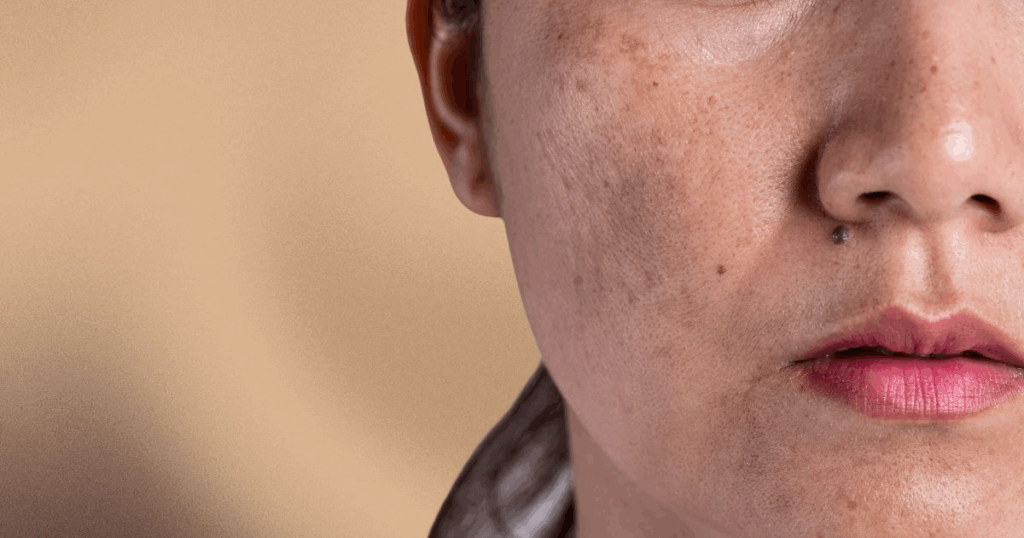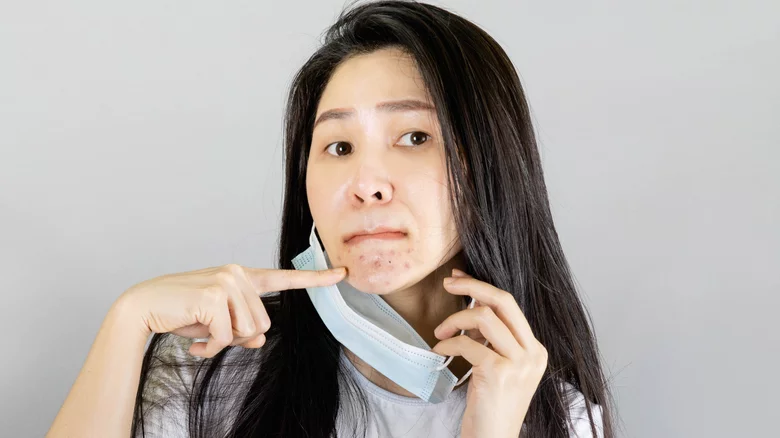

Dull Skin: What is it, Causes, Treatments, and Prevention Tips

Dull skin may affect how your complexion looks and feels, often appearing tired or lacking radiance. Understanding its possible causes and knowing how to support your skin’s natural condition can help improve overall skin appearance over time.

In this article, we’ll explore the characteristics of dull skin, discuss common contributing factors, and share general care tips that may support a brighter, healthier-looking complexion.

What is Dull Skin?

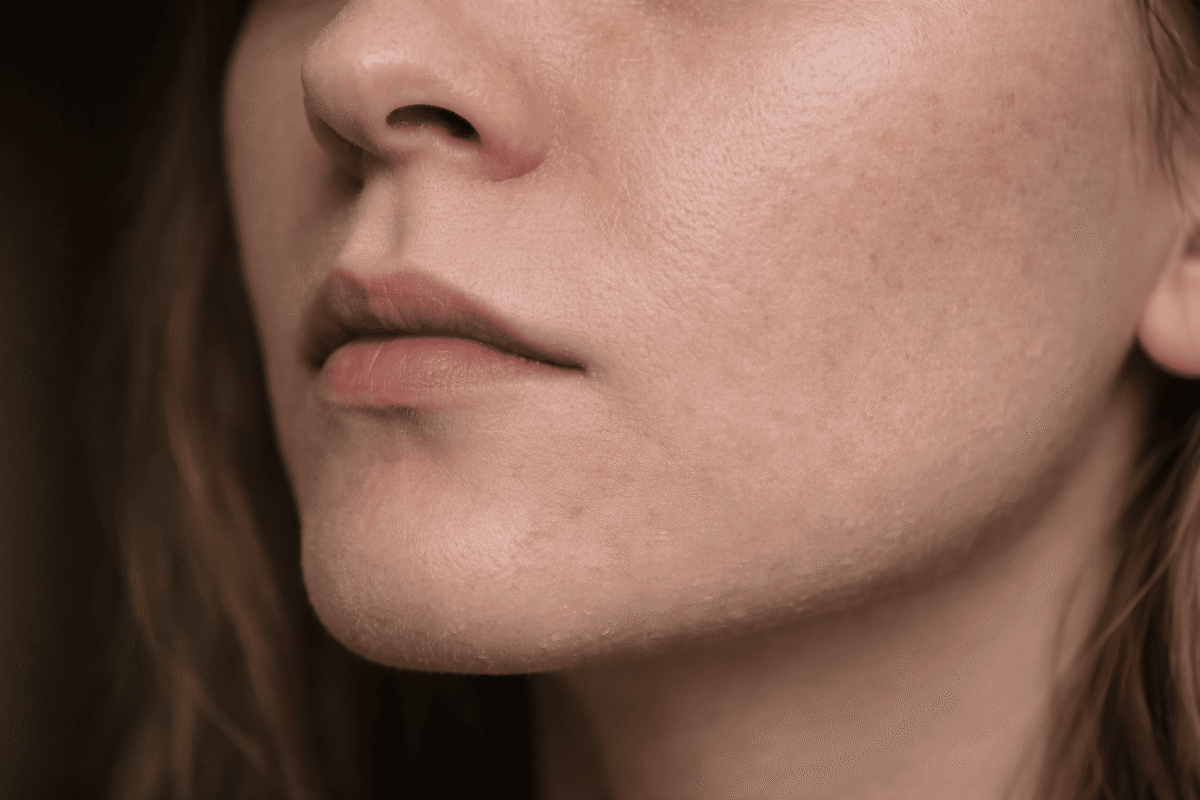
Dull skin is commonly described as skin that appears less smooth or less even in tone. It may feel dry or look flat, and can result from various internal or external factors.

Some characteristics often associated with dull-looking skin include:

  • Rough texture: The skin may feel uneven or coarse to the touch.
  • Less radiance: The skin may appear tired or less luminous than usual.
  • Uneven tone: Areas of discolouration or patchiness may be more noticeable.
  • Dryness or tightness: A lack of moisture can make the skin feel uncomfortable.

These features may affect how the skin looks in different lighting or under certain conditions. 

Causes of Dull Skin

A variety of factors may influence how your skin looks and feels. Below are some common contributors that could affect skin texture and tone over time:

Environmental Factors

Elements such as sun exposure, pollution, and changing climates may impact the skin’s surface. For example, frequent sun exposure may contribute to changes in skin texture or tone, while environmental particles may settle on the skin, potentially affecting its clarity.

Lifestyle Habits

Daily habits such as poor sleep, limited hydration, or an unbalanced diet may influence how refreshed the skin appears. Stress and fatigue are also known to affect the skin’s overall condition.

Skincare Routine Mistakes

Skincare habits can also play a role. For instance, infrequent exfoliation may lead to a build-up of dead skin cells, while not using a moisturiser suited to your skin type might contribute to dryness. Choosing appropriate products and applying them consistently may support healthier-looking skin.

Treatments to Brighten Dull Skin

Managing dull skin often involves a combination of consistent skincare habits and, in some cases, professional support. Below is an overview of skincare products that may help support the skin’s appearance when used regularly.

1. At-Home Skincare Products
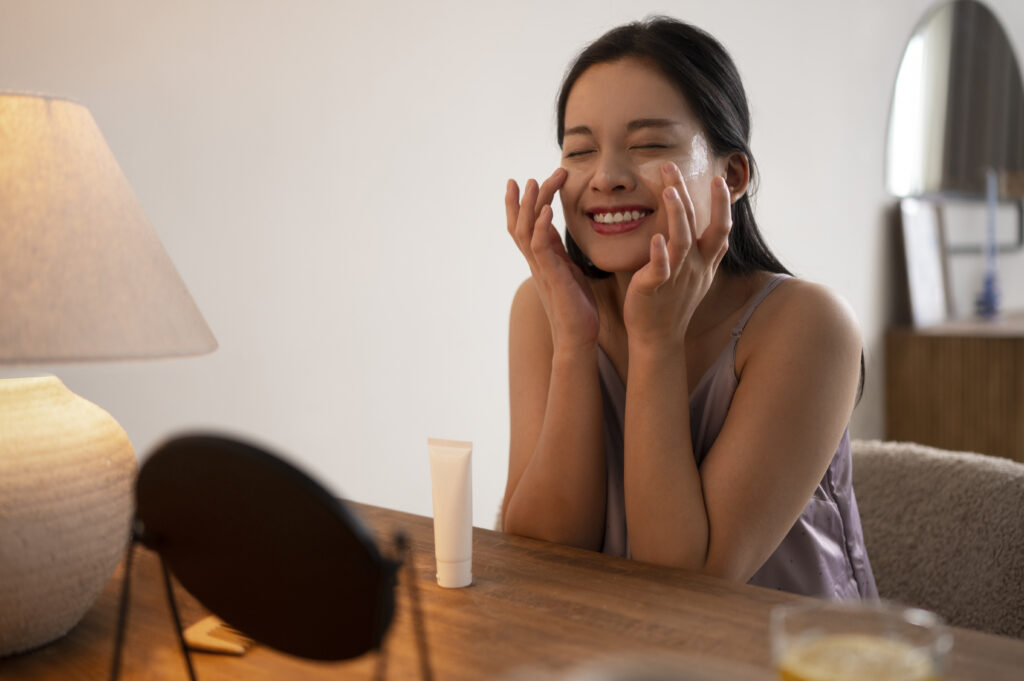
Incorporating suitable skincare products into your daily routine may support healthier-looking skin over time. Consider the following product types:

  • Cleansers: A gentle, pH-balanced cleanser can help remove surface buildup without disrupting the skin’s moisture balance. Choose one that matches your skin type.
  • Exfoliants: Exfoliation may assist in removing surface dead skin cells. Products that contain alpha or beta hydroxy acids (AHAs or BHAs) are commonly used to help improve skin texture.
  • Moisturisers: Hydrating moisturisers help maintain skin comfort. Ingredients such as hyaluronic acid are often used in formulations designed to help attract and retain moisture.
  • Serums: Some individuals choose brightening serums that contain ingredients like Vitamin C, which may support a more even-looking skin tone with regular use.
Product Type Active Ingredient Benefits for Dull Skin
Gentle Cleansers Hyaluronic Acid Helps retain moisture, combating dryness and dullness.
Exfoliating Products Glycolic Acid Removes dead skin cells, promoting a smoother and brighter complexion.
Hydrating Moisturisers Vitamin E Provides antioxidant protection and hydrates the skin, enhancing radiance.
Brightening Serums Vitamin C Brightens skin tone and reduces pigmentation for a more even complexion.

2. Professional Treatment

Some individuals may explore in-clinic options to support overall skin texture and clarity. These treatments are typically administered by trained practitioners and can be tailored to suit different skin concerns.

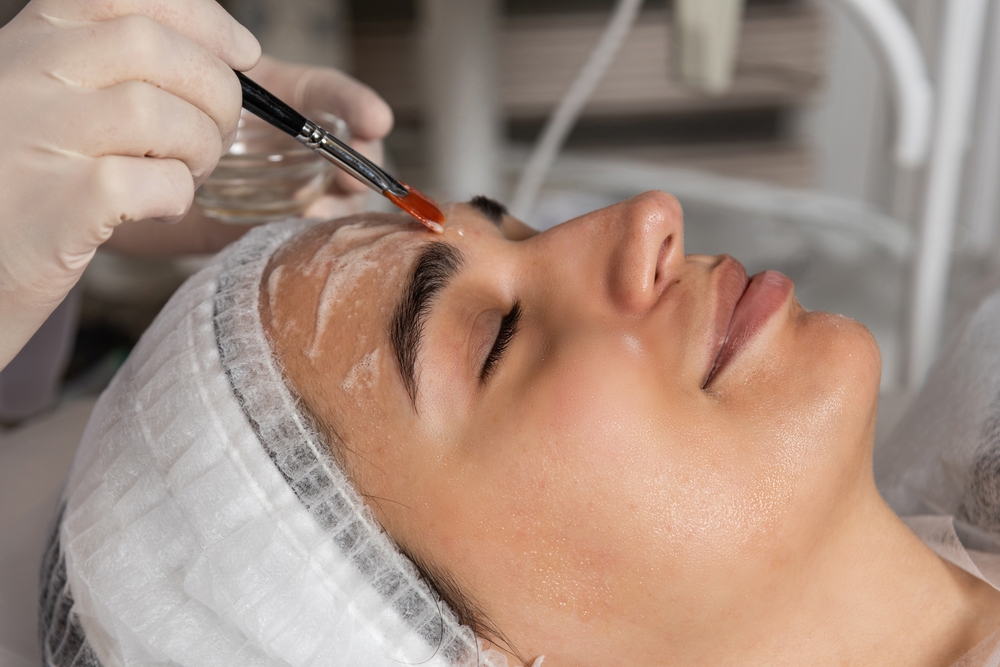
  • Chemical Peels: This approach involves exfoliating the upper layers of the skin, which may support a smoother texture and more even appearance over time. Peels vary in strength and should be selected based on individual skin type and concerns.
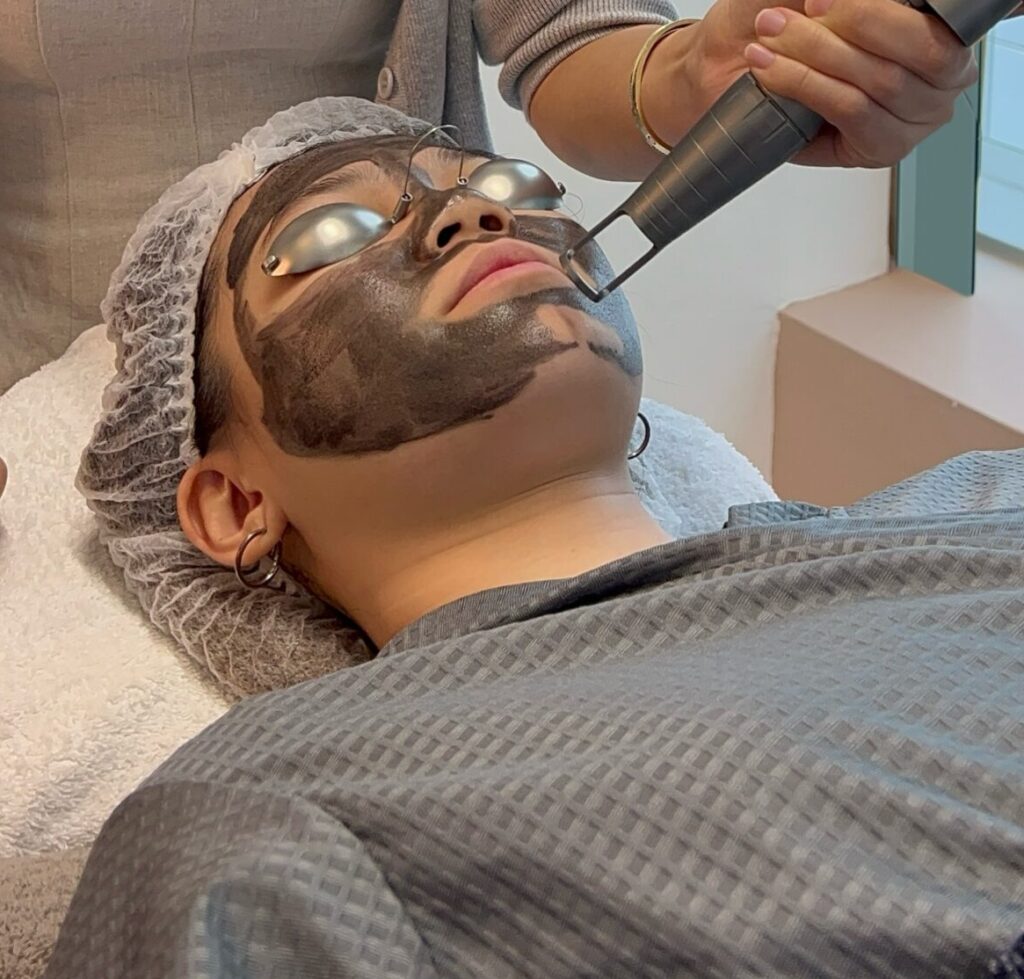
  • Laser Therapy: Light-based treatments may be used to support collagen stimulation and target concerns such as uneven skin tone. A qualified practitioner will determine the most suitable option depending on your skin’s condition.
  • Microdermabrasion: This non-invasive treatment gently removes dead skin cells from the surface, supporting skin renewal and a smoother overall appearance.

Before undergoing any professional treatment, it’s important to consult a qualified practitioner who can assess your skin and recommend options suited to your individual needs.

Prevention Tips for Dull Skin

Simple lifestyle habits may help support the skin’s overall condition and reduce the likelihood of a dull or uneven appearance. Here are a few general tips to consider:

1. Keep Hydrated

Adequate hydration supports overall skin comfort and function.

  • Drinking enough water throughout the day may help maintain moisture levels.
  • A balanced diet with antioxidant-rich foods, such as berries and leafy greens, can also support skin health.

2. Use Sunscreen

Consistent sun protection may help protect the skin from UV-related changes.

  • Choose a broad-spectrum sunscreen with an SPF suitable for your daily activities.
  • Reapply as directed, especially during prolonged sun exposure.

3. Always Moisturise

Hydration through moisturisers helps to support the skin’s natural barrier.

  • Select products suitable for your skin type: Look for moisturisers that contain hydrating ingredients like glycerin or hyaluronic acid.

4. Exfoliate Regularly

Exfoliation may help remove dead skin cells from the surface.

  • Incorporate gentle exfoliation once or twice a week, depending on your skin’s needs.
  • Avoid harsh scrubs that may cause irritation or damage to the skin barrier.

Vitamins and Supplements for Dull Skin

Some individuals consider vitamins or supplements as part of a broader approach to general well-being. While these options are not substitutes for a balanced diet or skincare routine, they may complement your efforts to support skin health.

  • Vitamin C: Often associated with antioxidant properties, Vitamin C plays a role in supporting normal skin function. It is available through a variety of fruits, vegetables, and dietary supplements.
  • Vitamin E: Known for its antioxidant role, Vitamin E contributes to the protection of cells from oxidative stress and may help maintain skin comfort.
  • Vitamin D: Commonly obtained through sun exposure and food, Vitamin D supports overall health, including that of the skin.
  • Collagen Supplements: Some people choose collagen products as part of their wellness routine. These may be used to complement other efforts, but evidence regarding their impact varies.
  • Omega-3 Fatty Acids: Found in sources such as flaxseed oil and oily fish, Omega-3 fatty acids contribute to overall skin health by supporting lipid balance.
Vitamin / Supplement Benefits for Skin Health Food Sources
Vitamin C Supports collagen production and acts as an antioxidant. Citrus fruits (oranges, lemons), strawberries, bell peppers, broccoli, kiwi.
Vitamin E Acts as an antioxidant, protecting skin cells from damage. Nuts (almonds, hazelnuts), seeds, spinach, broccoli, vegetable oils.
Vitamin D May support skin barrier function and overall skin health. Fatty fish (salmon, mackerel), egg yolks, fortified milk.
Collagen Supports skin elasticity and hydration and may improve skin texture. Bone broth, fish, chicken skin, collagen supplements.
Omega-3 Fatty Acids Helps maintain the skin’s lipid barrier and may reduce inflammation. Fatty fish (salmon, sardines), flaxseeds, chia seeds, walnuts.

When to Seek Professional Help

If you’re concerned about persistent changes in your skin’s appearance, seeking advice from a qualified professional may offer further insights and options tailored to your needs. Here are some situations where professional input could be helpful:

Persistent Dullness

If your skin continues to appear lacklustre despite a consistent at-home routine, a professional consultation may help identify contributing factors and recommend suitable treatment options.

Changes in Skin Texture or Tone

Noticing increased roughness, uneven tone, or dry patches may suggest your skin requires a more tailored approach. A trained practitioner can assess your skin and offer guidance on next steps.

Acne or Blemishes

If blemishes or frequent breakouts accompany dullness, this may indicate that your current products aren’t well-suited to your skin type. A skincare professional may assist in refining your routine.

Signs of Irritation or Sensitivity

Increased sensitivity or irritation after using certain products may suggest your skin barrier has been affected. A practitioner can help identify possible irritants and recommend more suitable alternatives.

Lack of Improvement with Over-the-Counter Products

If non-prescription skincare products aren’t producing the results you’re aiming for, a professional can help explore other options, which may include clinic-based treatments or adjustments to your regimen.

Conclusion

Dull skin is a common concern that may influence how your skin looks and feels. Fortunately, it can often be supported by a consistent skincare routine that includes practices such as sun protection, regular exfoliation, and adequate hydration. A balanced diet and the appropriate use of skincare products may also help maintain the skin’s overall condition.

For individuals seeking further support, professional treatments may offer additional options. If dullness persists despite lifestyle adjustments, it may be helpful to speak with a qualified practitioner who can provide guidance tailored to your skin’s unique needs.
How Long Does Nose Filler Last: Duration, Factors, and Maintenance

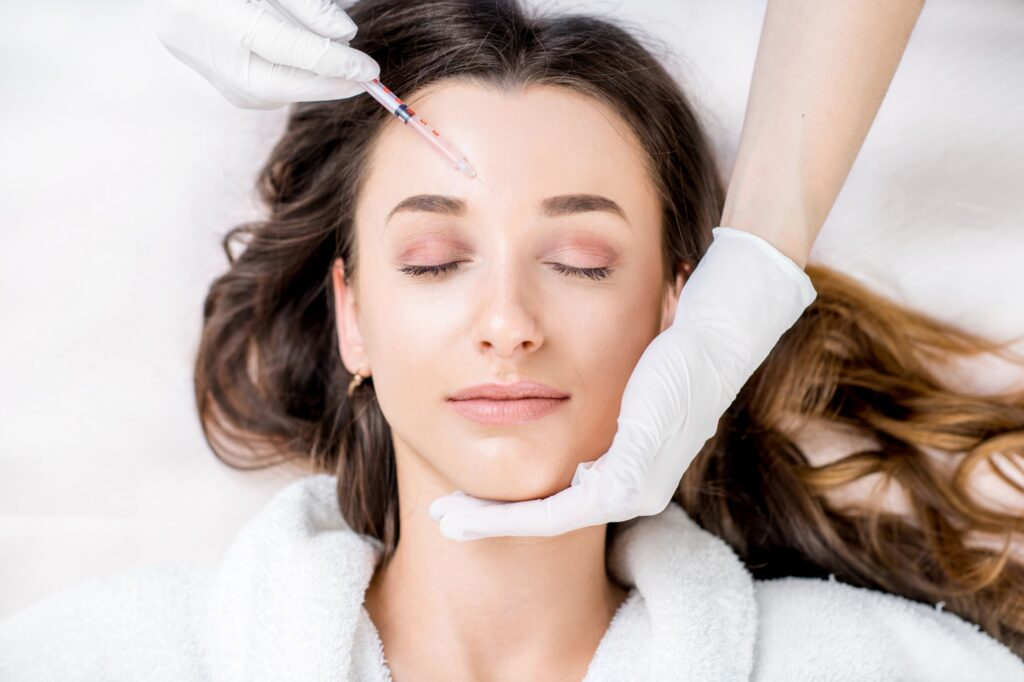
Nose filler, also referred to as non-surgical rhinoplasty, is an aesthetic procedure that involves injecting dermal filler into specific areas of the nose. This approach does not involve surgery and may be considered by individuals who are exploring temporary adjustments to the nose profile.

The most commonly used fillers for this procedure include formulations containing hyaluronic acid. In some cases, other substances such as calcium hydroxylapatite may be used based on clinical assessment. This technique is sometimes chosen to address minor irregularities in the nasal contour or to support volume in specific areas.

How Long Do Nose Fillers Last?

The duration of nose fillers varies depending on the type of filler used and how the body processes it. Fillers containing hyaluronic acid are commonly used in non-surgical rhinoplasty and may last between 9 and 12 months. Fillers with denser formulations, such as calcium hydroxylapatite, may remain longer—typically up to 12 to 18 months.

Factors such as metabolism, lifestyle, and the area treated can influence how long the effects are noticeable. A doctor can advise on the most suitable approach based on your facial structure, treatment goals, and expectations.

Factors Influencing Longevity of Nose Fillers

The duration of nose fillers following a non-surgical treatment varies between individuals. While the type of filler plays a role, other factors such as metabolism and lifestyle habits may also influence how long the results are visible.

1. Type of Filler Used

The specific formulation of the filler is one factor that can affect its longevity. Different fillers have varying densities and compositions, which may influence how long they remain noticeable in the treated area.

Type of Filler Main Ingredient Longevity Notes
Hyaluronic Acid (e.g., Juvederm, Restylane) Hyaluronic Acid 6–12 months Gradually absorbed by the body, with a smooth natural appearance.
Calcium Hydroxylapatite (e.g., Radiesse) Calcium Hydroxylapatite 12–18 months Denser and longer-lasting. Often used for structural enhancement.
Poly-L-Lactic Acid (e.g., Sculptra) Poly-L-Lactic Acid Up to 2 years Stimulates collagen production but may take longer to see full results.

This comparison can guide your decision when discussing nose filler treatment options with an aesthetician, ensuring you choose a filler that aligns with your aesthetic goals and desired longevity.

2. Injection Technique

The technique used to administer nose fillers may influence how long the effects remain visible. Factors such as injection depth, precision, and method can affect the filler’s stability and integration with surrounding tissue. The following considerations are commonly discussed in aesthetic practice:

  • Depth of Injection: Placing fillers at an appropriate depth during non-surgical rhinoplasty can support even distribution and stability within the treated area.
  • Precision of Application: Accurate placement helps ensure the filler remains in the intended position and maintains a balanced nasal contour.
  • Volume Used: Using a suitable amount of filler helps avoid unnecessary pressure in the treated area, supporting even results.
  • Layering Approach: Gradual layering of filler during the procedure may promote structural support and improve filler stability over time.
  • Injector Expertise: A qualified medical practitioner applies appropriate techniques to achieve safe and proportionate results.

3. Patient Factors

The duration of nose filler results can also vary based on individual characteristics. Beyond the product used or injection method, patient-related factors may influence how long the filler remains visible.

Metabolism: Each person’s metabolism processes filler at a different rate. Individuals with faster metabolic activity may notice shorter-lasting effects compared to others.

Lifestyle Habits: Daily routines, such as regular sun exposure or smoking, may influence how long fillers remain noticeable. Ultraviolet (UV) rays can impact skin condition, and smoking may affect overall skin health and elasticity.

Skin Type: Skin thickness and oil levels can affect how the filler settles in the treated area. For example, thicker or oilier skin may influence filler integration and appearance over time.

A medical consultation allows for a personalised assessment based on your skin characteristics and lifestyle factors. Your doctor can determine whether this procedure is suitable and what to expect from the results.

What to Expect Over Time

Nose fillers gradually change in appearance from the time of injection until the body metabolises the product. The timeline below outlines general stages that patients may experience:

Immediately After Injection: You may notice a visible change in nasal contour shortly after treatment. Temporary swelling or redness at the injection site is common and usually subsides within a few days.

1–3 Months: During this period, the filler typically settles into the treated area. This stage may represent the most visible phase of the treatment.

3–6 Months: Some gradual reduction in volume may begin, depending on the type of filler used. However, many patients still observe visible effects during this time.

6–12 Months: For hyaluronic acid fillers, noticeable effects may begin to diminish as the body metabolises the product. Some fillers with denser formulations may last longer.

12+ Months: By this stage, most fillers have been fully broken down by the body. Your doctor can advise whether further treatment is appropriate based on your goals and clinical evaluation.

This general timeline supports informed expectations and can help guide future treatment planning with a medical professional.

How to Maintain the Longevity of Nose Fillers?

Following clinical aftercare and maintaining certain lifestyle habits may help support the appearance of nose filler over time. Below are general post-treatment tips that are often recommended:

Aftercare Tips

Avoid Excessive Touching: Avoid touching, pressing, or applying direct pressure to the nose for the first 24 to 48 hours. This allows the filler to stabilise.

Manage Swelling: Use a cold compress if needed to manage swelling, but avoid placing it directly on the nose unless advised by your doctor.

What to Avoid

Direct Sunlight and Heat: Limit sun exposure and avoid high-heat environments, such as saunas or steam rooms, during the initial recovery period. Excessive heat may influence how the filler behaves in the treated area.

Smoking and Alcohol: Reduce or avoid alcohol and smoking immediately after treatment. These substances can affect overall skin condition and hydration, which may influence how the skin responds post-procedure.

Intense Exercise: Hold off on vigorous physical activity for the first 24 to 48 hours. Elevated body temperature and circulation may impact the way filler settles.

Maintenance and Follow-Up

Follow-Up Appointments: Consider scheduling a follow-up appointment with your doctor within a few weeks after the procedure. This visit allows the doctor to review the treated area and discuss any concerns or next steps, if necessary.

Touch-Up Treatments: Some patients return for additional treatments between 6 and 12 months after using hyaluronic acid fillers. In other cases, longer intervals may apply depending on the filler type used. Your doctor can assess whether any adjustments are appropriate based on your treatment goals and clinical response.

Signs That Your Nose Filler is Wearing Off

Over time, hyaluronic acid fillers used in non-surgical rhinoplasty gradually break down, leading to visible changes in the treated area. As the filler diminishes, areas that were previously elevated may return closer to their original shape.

The skin over the treated region may also feel different as the filler dissipates and the tissue adjusts. In some cases, minor unevenness can appear as the filler wears off at varying rates.

If you observe these changes and are considering options to address them, a consultation with your doctor can help determine whether additional treatment is appropriate.

When to Seek Medical Attention

While nose fillers are considered non-surgical procedures, certain symptoms may require medical evaluation. If you experience persistent pain or swelling, signs of an allergic reaction, discolouration such as blue or grey tones, or increasing redness and sensitivity at the injection site, contact your doctor promptly.

Unusual lumps, prolonged firmness, or symptoms such as blurred vision, severe headaches, or dizziness are uncommon but may require immediate medical attention. Seek urgent assessment from a qualified healthcare professional if any of these occur.

Conclusion

Nose filler is a non-surgical procedure that involves the injection of dermal fillers to modify the nasal profile. This treatment is temporary and may address certain structural irregularities in the nose.

The duration of results depends on several factors, including the type of filler used, injection techniques, and individual factors such as metabolism and lifestyle habits. Aftercare practices and periodic clinical reviews can help assess how the filler is responding over time. Other procedures, such as thread lifts, may be considered as alternatives for individuals seeking structural support.

At Lux Medical Clinic, we’re here to guide you every step of the way, ensuring safe, effective treatments tailored to your needs. Contact us to learn more about enhancing your nose’s shape and achieving a beautiful, enhanced look.

HIFU vs Surgical Facelift: Is Non-Invasive the Ideal Replacement?

HIFU and surgical facelifts target age-related changes, but they cater to different needs.HIFU (High-Intensity Focused Ultrasound) is a non-invasive option that uses ultrasound energy to stimulate collagen and support skin tightening. Surgical facelifts, on the other hand, involve making incisions on the skin surface to address loose skin or reposition facial tissues, with changes that are visible soon after surgery.

Why Compare These Treatments?

HIFU may be considered by individuals looking for gradual changes and shorter recovery times, while surgical facelifts may provide more pronounced changes that can last for several years. Both are approaches used to address age-related changes, but they differ in method and may suit different preferences and expectations.

What is HIFU?

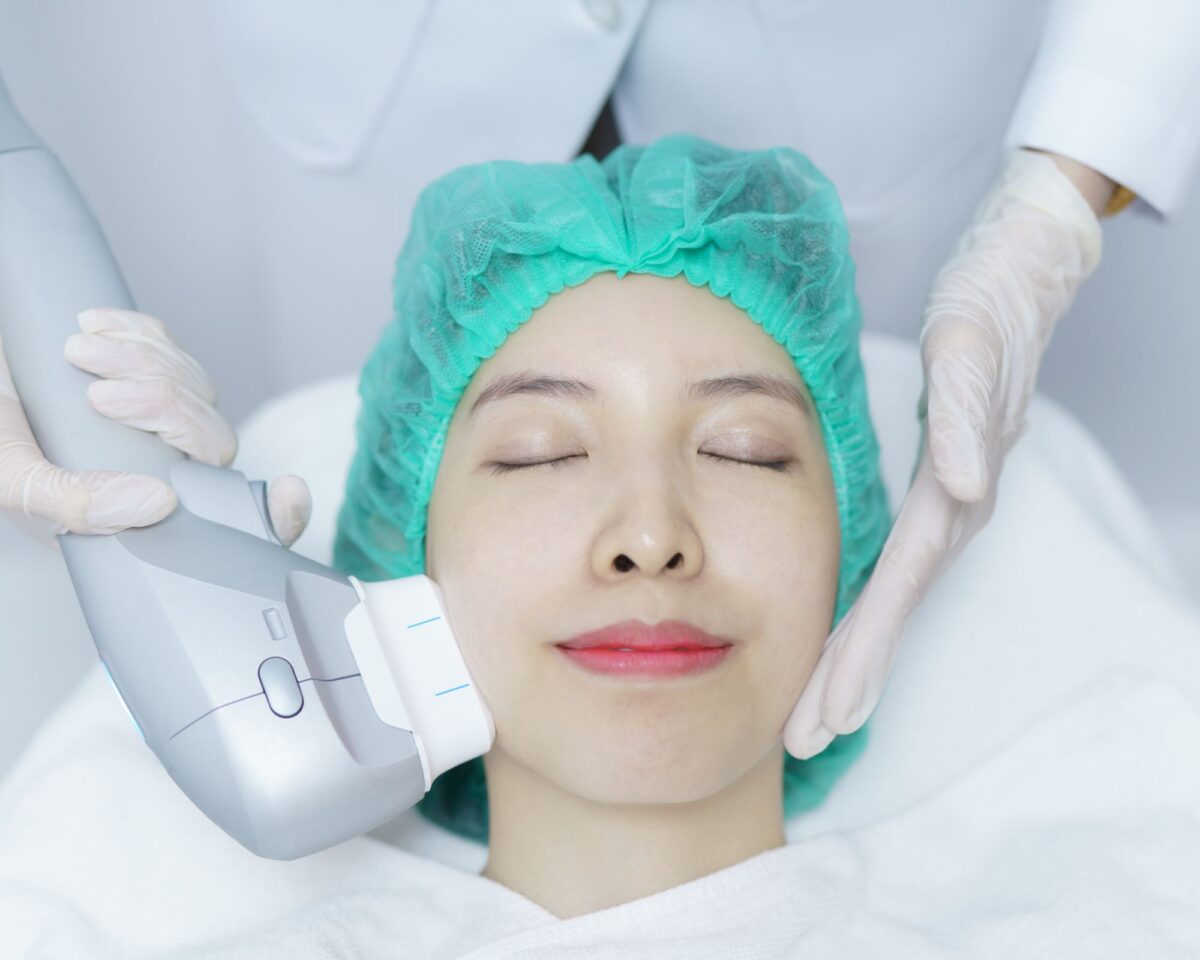
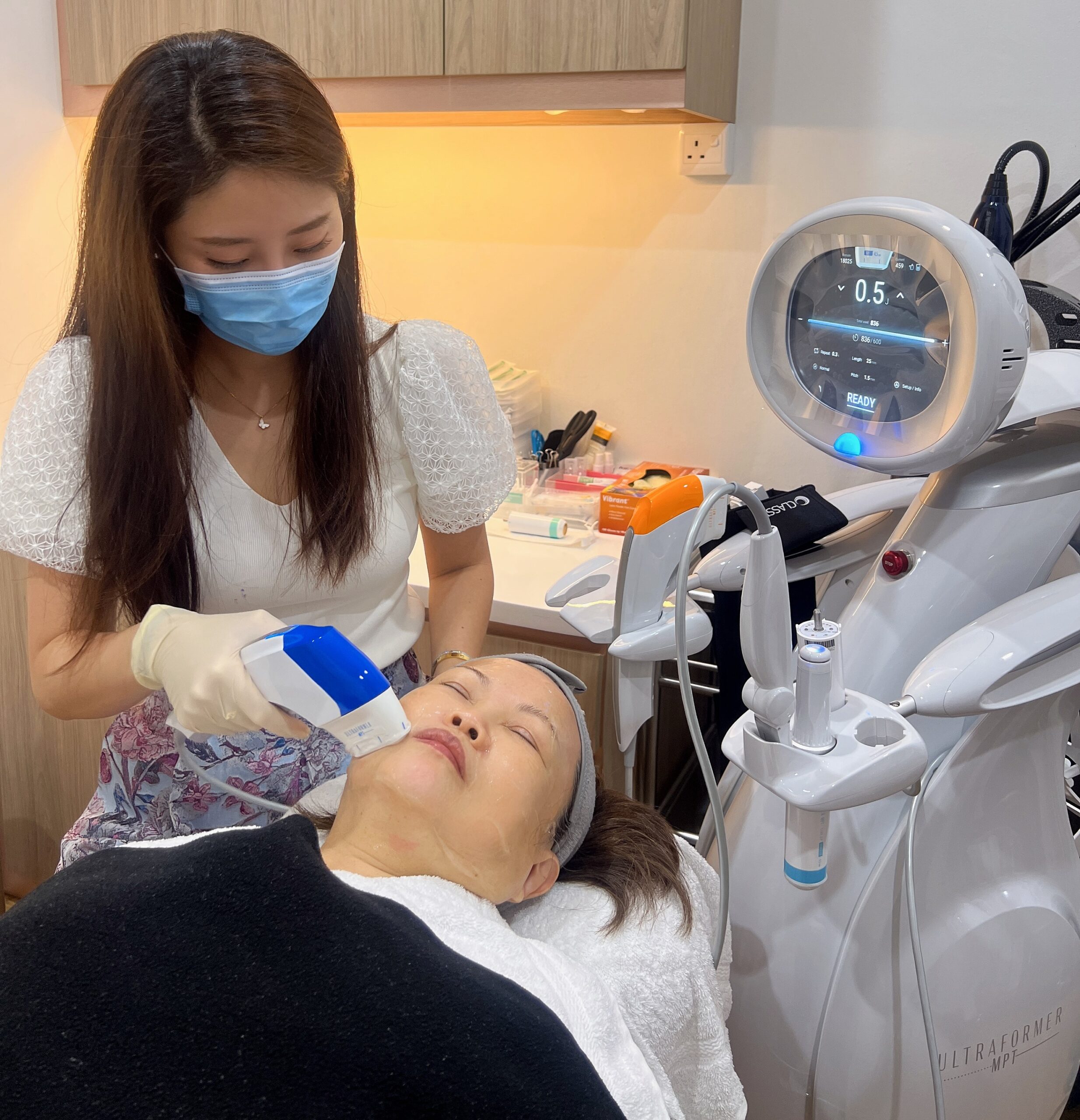
HIFU treatment in progress

High-intensity focused ultrasound (HIFU) is a non-invasive procedure that may be used to address age-related skin changes. It works by delivering ultrasound energy into deeper layers of the skin, which may support tightening in the treated area. For readers who want a broader explanation of how HIFU works and when it may be suitable, this guide to HIFU offers a useful starting point.

A HIFU facelift targets deeper skin layers, including those addressed in surgical facelifts. These ultrasound waves stimulate collagen and elastin production and reduce facial fat to reduce a double chin. It also works by gradually tightening the skin layer and improving its elasticity over time. Most individuals are able to resume normal activities shortly after treatment, though some temporary discomfort or mild side effects can occur.

If you are considering this option further, HIFU treatment for lifting and skin tightening may be worth exploring. The treatment page gives more detail on benefits, target areas, and what to expect during the process.

What is a Surgical Facelift?

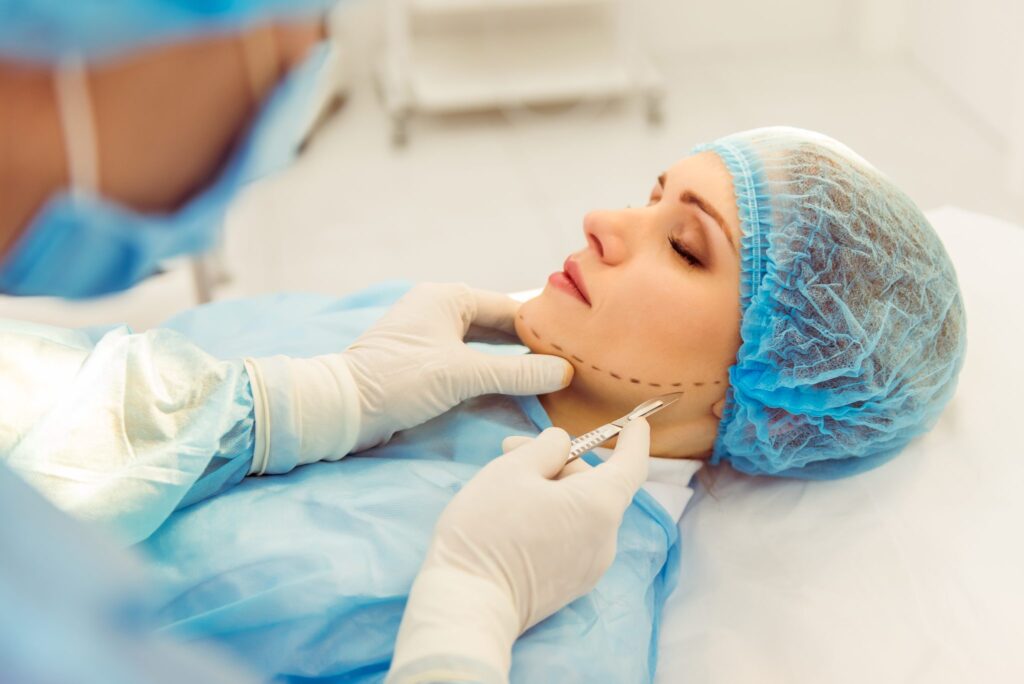
Surgeon performing facelift treatment on woman with marked jawline in operating room

A surgical facelift, or rhytidectomy, is a procedure that involves making incisions in the skin. This procedure helps reduce visible signs of ageing in the face and neck. Its primary purpose is to address sagging skin, deep wrinkles, and loss of facial contour, providing a more youthful, rejuvenated appearance, though outcomes can vary among individuals.

Purpose

  • To tighten sagging skin and muscles.
  • To reduce deep wrinkles, particularly around the nose, mouth, and chin.
  • To restore facial volume and definition to the jawline and neck lift.

General Procedure

  1. Preparation: The facelift surgery procedure begins with either general anaesthesia or intravenous sedation.
  2. Incisions: The surgeon makes strategic incisions, typically around the hairline, behind the ears, and in some areas under the chin for neck contouring.
  3. Tissue Adjustment: The underlying muscles and tissues on the facial skin are tightened, and excess skin is removed or repositioned to achieve a smoother, firmer appearance.
  4. Closure: The surface incisions are carefully closed with sutures or skin adhesives to minimise scarring.
  5. Recovery: Post-procedure, patients experience swelling and bruising, which are common, with full recovery taking several weeks.

A surgical facelift may provide longer-lasting changes compared to non-invasive approaches. The choice of treatment should always be guided by consultation with a qualified professional.

HIFU vs Surgical Facelift: Key Differences

The table below compares HIFU treatment and facelift surgery to help you decide which option fits your needs appropriately.

Factor HIFU Facelift Surgery
Procedure Type Non-invasive treatment Invasive surgical procedure
Cost Lower (varies by clinic, typically SGD 800–SGD 3,000) Higher (ranges from SGD 10,000–SGD 25,000+)
Downtime Minimal (may involve mild redness/swelling) Significant (2–4 weeks recovery period)
Longevity of Results Temporary (6 months to 2 years) Long-lasting (8–10 years or more)
Target Audience Individuals seeking subtle, non-surgical and gradual results Those looking for dramatic, immediate results
Effectiveness Moderate (ideal for mild to moderate laxity) High (addresses severe skin laxity effectively)
Recovery No recovery time needed Requires post-surgery care and rest

Benefits of HIFU and Surgical Facelift

The table below highlights general differences between HIFU treatment and facelift surgery. These points are for information only and may vary depending on individual factors.

Benefit HIFU Procedure Facelift Surgery
Non-Invasive No incisions or needles are required Not applicable (surgical procedure)
Treatment Approach Gradual changes may be observed over weeks to months Changes may be visible soon after surgery
Downtime Changes may last several years, though the duration varies between individuals Recovery may take several weeks
Collagen Stimulation Ultrasound energy may support collagen and elastin production Not applicable (focuses on repositioning tissue)
Duration of Effects Changes may last several years, though the duration varies between individuals Effects may last 6 months to 2 years, depending on maintenance and individual factors
Treatment Areas Can be applied to areas such as the jawline, cheeks, and neck Addresses the entire face and neck
Suitability May be less suited for more severe laxity or significant fat loss Often considered for more advanced changes in skin laxity
Skin Texture May support improvements in firmness and skin texture Primarily addresses sagging or loose skin

Can You Combine HIFU and a Facelift?

Depending on individual needs, HIFU treatment and facelift surgery may sometimes be considered together. A facelift involves removing extra skin and tightening facial tissues, with changes that are visible soon after surgery. HIFU, which stimulates collagen production, may be used afterwards to support skin firmness over time. If you are considering HIFU as part of a longer-term treatment plan, it may also help to review common HIFU side effects and what to expect after treatment.

Advantages of Combining HIFU treatment and a Facelift surgery:

  1. Enhanced Longevity: HIFU may support skin firmness following surgery by stimulating collagen production.
  2. Improved Skin Quality: HIFU may support skin texture and firmness, complementing the structural adjustments made during a facelift.
  3. Non-Invasive Maintenance: HIFU may provide a less invasive way to support surgical changes over time.
  4. Targeted Rejuvenation: HIFU can address smaller areas or concerns not fully resolved by surgery, like fine lines or skin laxity in specific zones.

Combining these treatments requires careful planning and assessment with a qualified professional, who can determine suitability and timing on a case-by-case basis.

Can HIFU Replace a Facelift?

HIFU and surgical facelifts serve different purposes, and suitability depends on factors such as age, skin condition, and the degree of skin laxity.

  • Severity of Sagging: HIFU may be considered for mild to moderate skin laxity. Surgical facelifts are generally considered when skin laxity is more pronounced.
  • Age: Younger individuals (often in their 30s to 50s) may consider HIFU for early changes or as part of a maintenance approach. Older individuals with more advanced changes may be advised to explore surgical options.
  • Skin Condition: HIFU may support skin firmness and elasticity, but may be less suited for addressing deep wrinkles or changes in facial contour, where surgery might be considered.

HIFU may be considered earlier in the ageing process, while surgical facelifts are generally used for more advanced changes. They are not direct substitutes for one another.

Conclusion

The comparison between HIFU and facelift highlights that both approaches address different needs and expectations. HIFU is a non-invasive treatment that may support gradual changes using ultrasound energy, and it may be considered for younger individuals or those with mild skin laxity. A facelift, in contrast, is a surgical option that may be used for more advanced age-related changes, and its effects may last longer than non-surgical approaches. Consulting with a professional can help assess individual circumstances and guide discussions on which option—or combination of options—may be suitable.

Facial Volume Loss: Causes, 4 Treatments, and Prevention

Facial volume loss is a common change that may affect appearance as people age. This condition can arise from various factors, and certain lifestyle habits may also contribute. There are treatment options that may be used to address facial volume loss, ranging from non-surgical to surgical approaches. In this post, we’ll also discuss preventive measures that may support facial structure and skin health over time.

What Is Facial Volume Loss?

Facial volume loss refers to the reduction of subcutaneous fat, collagen, and tissue in the face, which may change the natural contours and reduce skin elasticity.

The effects of facial volume loss may be more noticeable in certain areas:

  • Hollow Cheeks: The cheeks may appear flatter and less defined as fat pads shrink and shift downward.
  • Sunken Eyes: Reduced volume around the eyes can create a tired or aged look, with noticeable hollowness beneath the eyes.
  • Sagging Skin: The lack of support from underlying fat can lead to loose skin around the jawline, often referred to as jowls.

Causes of Facial Volume Loss

Facial volume loss is influenced by multiple factors and may contribute to gradual changes in appearance over time. Understanding the causes—such as natural ageing, genetics, and lifestyle factors—may help individuals better understand how these changes occur.

Natural Ageing Process

As we age, our bodies undergo several changes that may contribute to facial volume loss:

  • Decline in Collagen and Elastin Production: Starting in the late 20s and early 30s, the production of collagen and elastin diminishes. These proteins provide structure and elasticity to the skin, and a decrease in their levels may affect skin firmness and texture.
  • Fat Pad Resorption: The fat pads in the face that provide structure and fullness gradually reduce over time, which may contribute to hollow cheeks and under-eye changes.
  • Muscle Atrophy: The muscles beneath the skin can weaken with age, which may also contribute to changes in skin support.

Genetic Factors

Genetics may influence how quickly facial volume changes develop. Some individuals may be predisposed to lose facial fat at a faster rate than others, which may lead to earlier changes in facial appearance. Family history can also affect the areas most likely to be impacted by volume loss.

Lifestyle Factors (Diet, Smoking, Sun Exposure)

Several lifestyle habits may contribute to facial volume loss:

  • Diet: A diet lacking essential nutrients may affect skin health and elasticity. Diets low in antioxidants may also be less effective in supporting the body against oxidative stress, which can affect collagen.
  • Smoking: Smoking is associated with increased breakdown of elastin and collagen and can reduce blood flow, depriving the skin of important nutrients.
  • Sun Exposure: Chronic exposure to UV rays can damage skin cells and contribute to collagen breakdown, leading to thinner skin over time.
  • Sudden Weight Loss: Rapid weight loss may cause the fat pads in the face to shrink, leaving the skin stretched. This can make the face appear slimmer, and the changes may persist even if weight is regained.

Treatment Options for Facial Volume Loss

Several treatment options may be considered for individuals looking to address facial volume changes.

Dermal Fillers

Dermal fillers are injectables that may be used to address volume changes in areas such as the cheeks, lips, and temples. They often contain substances like hyaluronic acid or collagen-stimulating agents.

  • Hyaluronic Acid Fillers: Hyaluronic acid occurs naturally in the body and can attract moisture to the skin, which may help improve fullness in targeted areas. The procedure involves injections into specific regions, and some temporary swelling or bruising may occur after treatment. The effects typically last from six months to over a year, depending on the specific product used.
  • Collagen-Stimulating Fillers: These fillers may provide initial fullness and can also stimulate collagen production over time, which may support changes in skin texture and firmness.
Filler Type Longevity
Hyaluronic Acid 6–12 months
Collagen-Stimulating 1–2 years

Fat Transfer (Fat Grafting)

Fat transfer, also known as fat grafting, is a procedure that involves harvesting fat from areas such as the abdomen or thighs and injecting it into parts of the face where volume has been reduced.

The effects may last for an extended period, though they can vary between individuals. As with any procedure, there are risks, including infection or uneven results. Swelling and bruising are also common during recovery, and some downtime is usually required.

Non-Surgical Options (Skin Tightening, Radiofrequency)

Some non-invasive options, like radiofrequency or ultrasound-based skin tightening treatments, may be used to support skin structure and elasticity. These treatments work by delivering energy into the deeper layers of the skin, which may stimulate collagen production and support skin firmness over time.

Surgical Options (Facelift, Implants)

For individuals experiencing more significant changes in facial volume, surgical interventions may be considered.

Facelift

A facelift, or rhytidectomy, is a surgical procedure that may be used to address loose skin around the lower face and neck. It is performed under general anaesthesia, and recovery typically takes several weeks, though this can vary between individuals..

Cheek Implants

Cheek implants are surgical devices that may be placed to change the contour of the cheeks. Recovery often takes several weeks, with swelling and bruising being common during the healing process. These effects usually improve gradually over time.

How to Prevent Facial Volume Loss

While it may not be possible to fully prevent facial volume loss, certain measures may help slow visible changes and support skin health.

Sun Protection and Skincare

Skin care for facial volume loss

Protecting your skin from sun damage may reduce collagen breakdown, which supports overall skin structure.

  • Sunscreen: Regularly applying a broad-spectrum sunscreen with UVA and UVB protection is generally recommended. Sunscreens with an SPF of at least 30 are often advised, and reapplication every two hours when outdoors can provide continued protection.
  • Skincare Products: Using skincare products that support skin health, such as those containing retinoids, peptides, or hyaluronic acid, may help with hydration and elasticity. These ingredients work by supporting the skin’s natural structure.

Lifestyle Habits (Diet, Hydration, Avoiding Smoking)

Healthy lifestyle choices may support skin health and help slow visible changes in facial appearance over time.

  • Balanced Diet: Consuming foods rich in antioxidants, such as vegetables, fruits, nuts, and whole grains, may help protect skin from oxidative stress. Vitamin C–rich foods, like citrus fruits and bell peppers, may also support the body’s natural collagen production.
  • Hydration: Staying well-hydrated supports overall skin hydration. Drinking enough water throughout the day may help keep skin looking and feeling healthy.
  • Avoiding Smoking: Smoking is associated with increased breakdown of collagen and elastin and reduces blood flow, which can deprive the skin of nutrients. Avoiding smoking may help reduce further changes linked to volume loss.
  • Limiting Alcohol Intake: Excessive alcohol consumption can dehydrate the skin, which may affect its appearance over time.

Complications and Long-term Effects

Over time, facial volume loss may contribute to visible changes in appearance and skin support.

As facial fat diminishes, the skin can lose some of its underlying support, which may contribute to the appearance of deeper wrinkles. Areas such as the nasolabial folds (lines from the nose to the mouth) and marionette lines (lines from the corners of the mouth down to the chin) may become more noticeable.

A reduction in volume may also be linked with increased skin laxity, particularly around the jawline, which can result in looser skin and a less defined appearance in the lower face.

When to Seek Professional Help

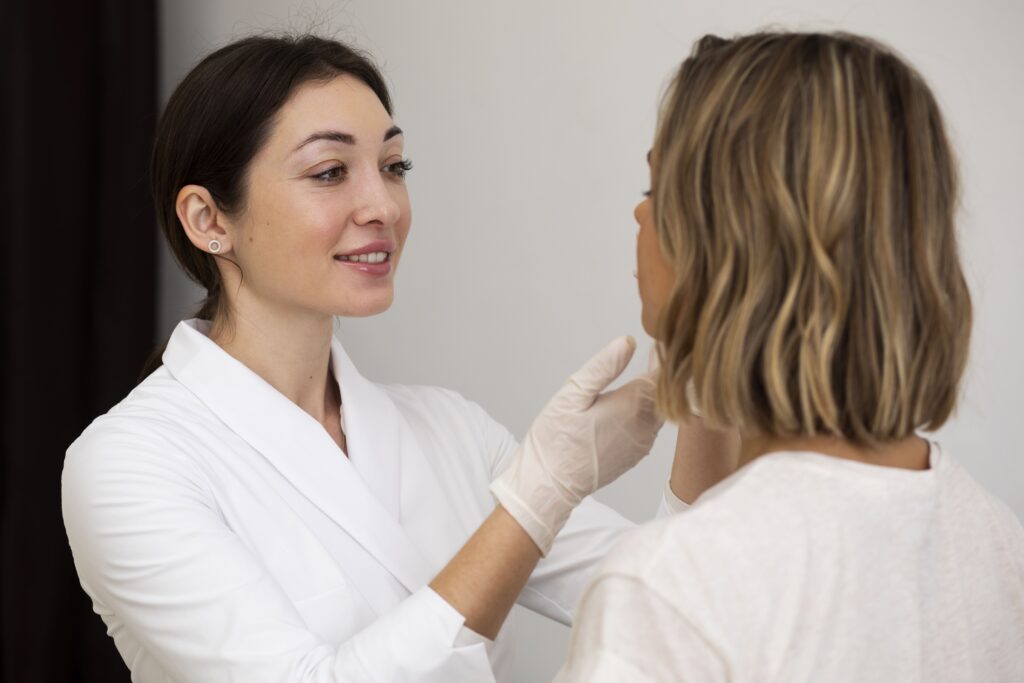
Medium shot woman at smiley doctor's appointment

Some individuals may choose to consult a professional if they notice changes in facial volume that concern them. These may include:

  • Hollow or Sunken Areas: Noticeable changes in the cheeks, temples, or under the eyes.
  • Deepening Wrinkles: Increased visibility of fine lines and wrinkles.
  • Flattened Cheeks: Cheeks that appear slimmer or less full.
  • Sagging Skin: Looser skin along the jawline, which may be linked with changes in support.
  • Thinning Lips: Lips that appear less full or have changed in contour.
  • Changes Affecting Confidence: Visible changes that influence how individuals feel about their appearance.

If you notice these significant changes in your appearance, it may be time to consult a qualified professional.

Conclusion

Facial volume loss is a natural part of ageing and can be influenced by factors such as sun exposure, lifestyle habits, and genetics.

Non-surgical approaches, including skincare practices and lifestyle adjustments, may support skin health and slow visible changes in facial volume. Surgical and non-surgical procedures are also available for those considering additional options.

Understanding these factors may help individuals make informed decisions about how they manage facial changes over time. Consulting a qualified professional may provide further guidance on options suited to individual needs..

Frown Lines (Glabellar Lines): Causes, Treatments, and Prevention

Have you noticed vertical lines between your eyebrows becoming more noticeable over time? Perhaps you refer to them as “frown lines,” or maybe they’re known as glabellar lines in the world of dermatology.

Regardless of what you call them, these lines are a common concern for many people. This article explores what causes frown lines, how they can be managed, and what steps may help reduce their appearance over time

What Are Frown Lines?

Frown lines are vertical creases that appear between the eyebrows, resulting from years of muscle contractions in the forehead. While they are also called worry lines, the medical term for them is glabellar lines. These lines are a common facial feature and are often associated with expressions like frowning or squinting. Over time, repeated facial movements along with the natural ageing process can cause these lines to become more noticeable.

Causes of Frown Lines

Frown lines form from a combination of biological and external factors that include:

  • Facial muscle contractions. Repeated frowning or squinting leads to deep frown lines.
  • Ageing. As the skin naturally loses elasticity over time, it becomes more prone to developing wrinkles.
  • Sun exposure without adequate protection. Prolonged ultraviolet (UV) exposure accelerates skin ageing by breaking down collagen and elastin fibres
  • Genetics. Your genes can influence your skin’s structure and resilience as you age.
  • Lifestyle factors. Habits such as smoking, a poor diet, dehydration and chronic stress may contribute to the formation of frown lines.

Types of Frown Lines

The most common type of frown lines is glabellar lines, which are vertical lines between the eyebrows. These lines are what we are going to talk about in this article.

Other types of frown lines include forehead lines and crow’s feet. Forehead lines are horizontal wrinkles that develop across the forehead, while crow’s feet are fine lines that appear at the outer corners of the eyes.

Treatment Options for Frown Lines

There are various treatment options available to help manage frown lines, including non-invasive and surgical procedures. If you’re in Singapore, here are some of the options for frown line treatments:

1. Anti-wrinkle injections

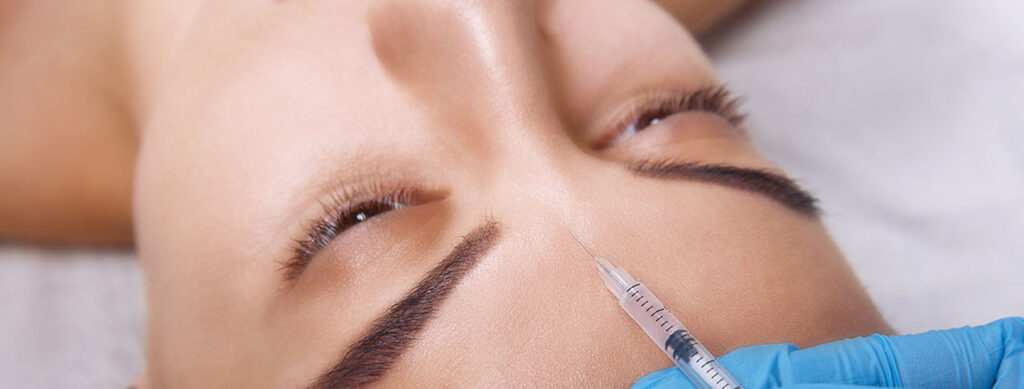
Anti-wrinkle injections work by temporarily relaxing the muscles responsible for frown lines, specifically the procerus and corrugator supercilii muscles. When the neurotoxin is injected into these muscles, it blocks the nerve signals that trigger muscle contractions.

This muscle relaxation can reduce the appearance of frown lines as the skin above gradually smooths. By reducing movement in the treated area, it may also help slow the development of deeper lines over time.

2. Dermal Fillers

Dermal fillers that contain hyaluronic acid (HA) are commonly used to address frown lines by adding volume beneath the skin. These fillers are soft, gel-like substances that retain moisture and support volume in the treated area. When injected around frown lines, HA binds with water molecules in the skin, which may help improve texture and support fullness in the area.

3. Chemical Peels

Chemical peels involve exfoliating the skin’s outer layer, which encourages new skin cell turnover and may enhance skin texture. During the procedure, a chemical solution is applied to the skin, creating controlled micro-injuries that trigger the body’s natural healing response. This process helps remove dead skin cells and may support collagen production. As the outer layer peels away, new skin replaces it, which may improve the appearance of fine lines, including frown lines.

4. Laser Therapy

Laser treatments use focused light energy that may help stimulate collagen production and support skin renewal, which can improve the appearance of frown lines. During the procedure, focused light penetrates the skin, targeting specific layers and generating heat. The heat triggers the body’s natural healing response, which may include new collagen formation. As a result, laser treatments may contribute to smoother-looking skin and a reduction in the appearance of fine lines, including frown lines.

5. Microneedling

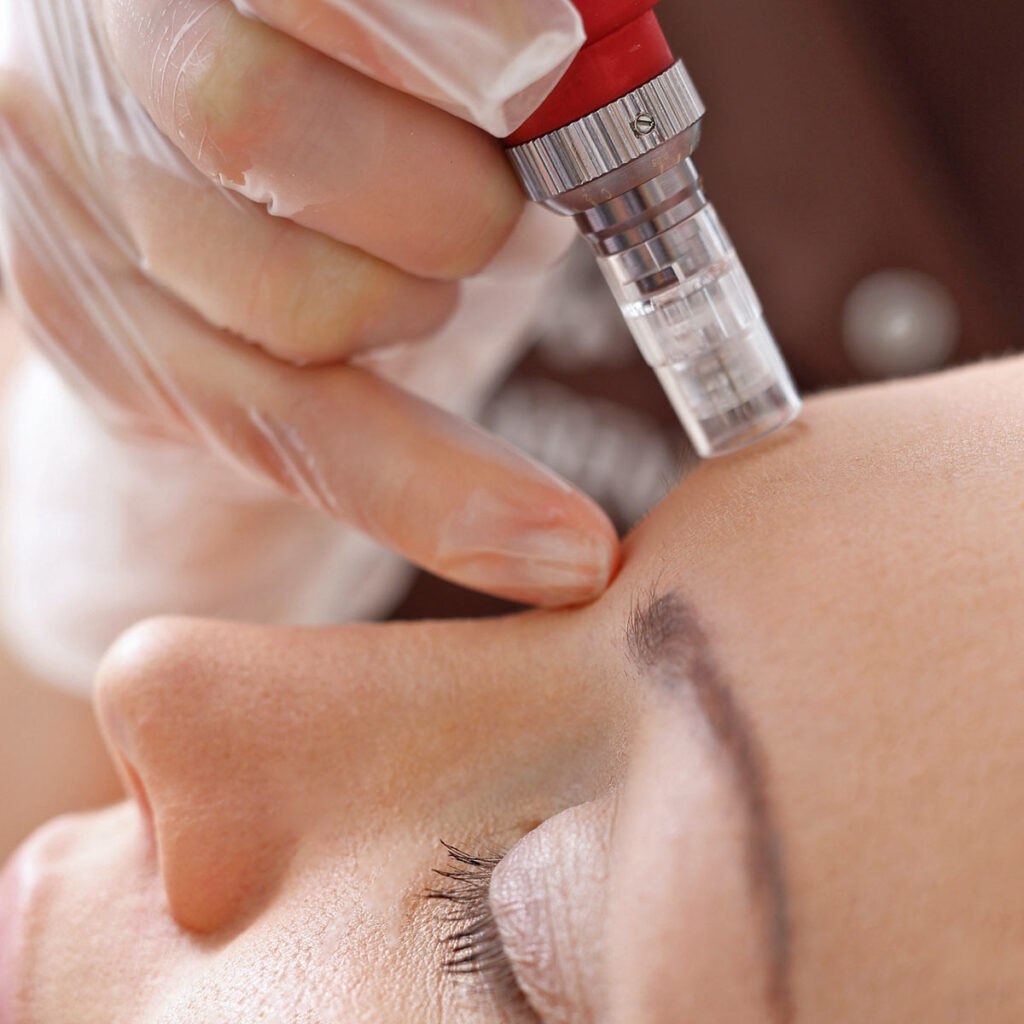
Microneedling is a technique that involves creating controlled micro-injuries in the skin using a device with fine needles. The procedure stimulates the body’s natural healing response and may support collagen production, which plays a role in maintaining skin structure and elasticity. As the skin heals, new tissue develops, which may improve texture and reduce the appearance of fine lines, including frown lines.

6. Radiofrequency Treatments

Radiofrequency (RF) treatments use heat energy to target deeper layers of the skin, which may help stimulate collagen production and support skin structure. During the procedure, a device delivers RF energy into the skin, generating heat that can affect collagen fibres and support skin firmness. RF treatments may also contribute to smoother skin texture and improved elasticity, which can help reduce the appearance of fine lines, including frown lines.

7. Surgical Options (Brow Lift, Facelift)

Surgical procedures such as brow lifts and facelifts are sometimes used to address frown lines and other age-related changes. These procedures involve tightening the skin and repositioning underlying tissues.

Brow Lift

A brow lift focuses on the upper part of the face, particularly the area between the eyebrows. Small incisions, often hidden within the hairline, allow the surgeon to lift and reposition tissues and muscles. As the skin is tightened, frown lines may appear less visible. Results can vary depending on factors such as age, skin type, and healing response.

Facelift

A facelift involves tightening skin and underlying tissues across the face, including the forehead and eye area. Excess skin is removed, and the remaining skin is repositioned. This may reduce the appearance of wrinkles and expression lines. By tightening skin and supporting underlying structures, a facelift may enhance overall facial contours and reduce the visibility of frown lines.

How to Prevent Frown Lines

Preventing frown lines involves adopting healthy lifestyle habits, and these include:

  • Using sun protection. Use broad-spectrum sunscreen daily and re-apply it throughout the day to shield your skin from harmful UV rays.
  • Adopting the right skincare routine. Find a skincare routine that is right for your skin type. Consult a dermatologist or aesthetic practitioner, and incorporate products with exfoliants and moisturisers to promote skin renewal.
  • Having healthy lifestyle choices. Maintain a balanced diet, stay hydrated, get enough sleep and avoid smoking to keep your skin healthy.
  • Managing your stress. Take care of your skin by engaging in regular exercise and practising relaxation techniques.
  • Preventative injections. Regular anti-wrinkle injections can delay the appearance of static frown lines. 

When to Seek Professional Help

If your frown lines persist despite adopting preventive measures or using over-the-counter treatments, it may be time to consult a professional. A qualified aesthetic doctor can help assess your needs and recommend suitable frown line treatment options tailored for you.

Conclusion

Frown lines are a natural part of ageing, but understanding their causes and available treatments can help you make informed choices about their management. Combining preventive strategies with professional treatments may reduce the appearance of frown lines and support long-term skin health.

Understanding Acne Conglobata: Causes, Symptoms, X Treatments and More

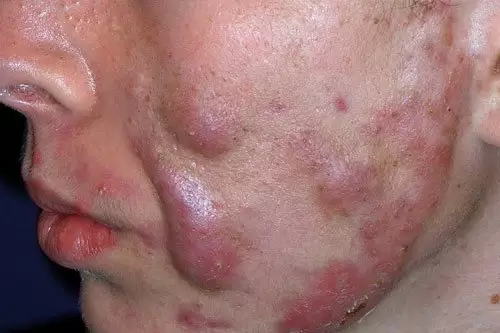
Acne conglobata is a rare and severe type of acne that can sometimes develop from worsening pustular acne. It involves painful nodules and cysts that may merge, which can increase the likelihood of scarring. Management is important, as this condition can affect both skin health and emotional well-being. Because of its visible effects, it may also influence a person’s self-confidence.

In this article, we’ll explore the possible causes, common symptoms, and treatment options for acne conglobata. We’ll also look at long-term management strategies that may support skin health and overall well-being.

What is Acne Conglobata?

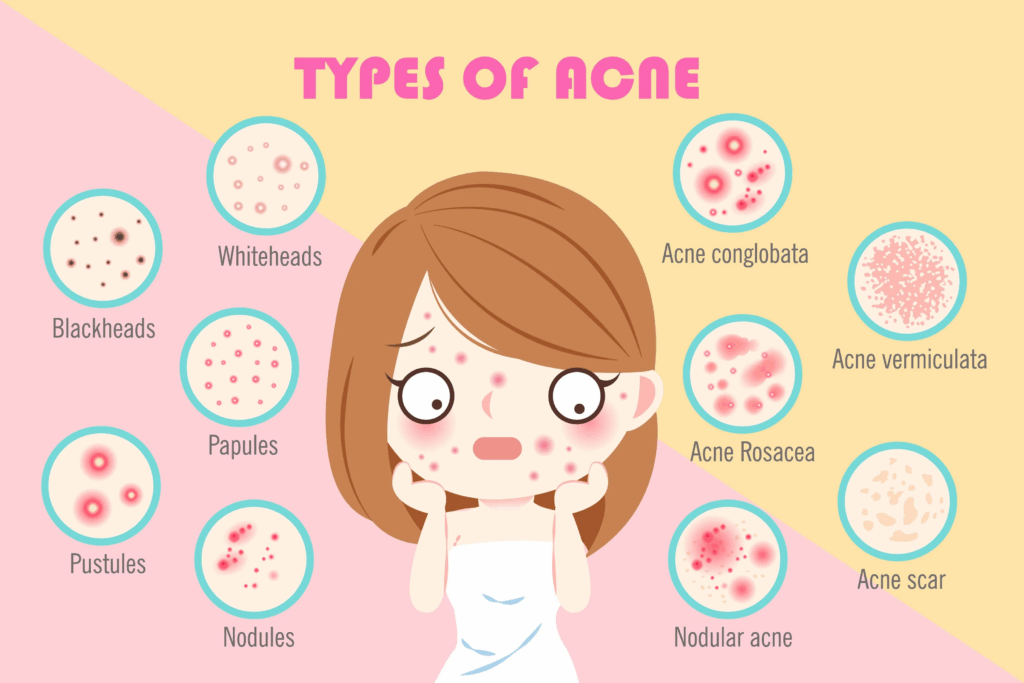
types of acne

Acne conglobata is classified as a severe type of nodulocystic acne, with distinct features that set it apart from more common forms of acne. It is characterised by interconnected inflammatory nodules and cysts, which may cause discomfort and increase the risk of scarring. In this condition, the lesions can sometimes merge beneath the skin, creating more extensive areas of inflammation.

  • Interconnected Nodules & Cysts: Unlike isolated pimples, acne conglobata may involve large, painful lumps that connect beneath the skin.
  • Inflammation: Severe redness and swelling may occur, reflecting significant inflammation.
  • Scarring Potential: Because of its severity, acne conglobata carries a higher risk of scarring, so timely medical assessment is advised.

Epidemiology and Prevalence

Typically, acne conglobata affects young men aged 18-30, though it can also occur in women. Hormonal changes during these years may contribute to its development. Genetic predisposition can also play a role, with some families showing a higher incidence of severe acne.

  • Age Group: Predominantly affects individuals in their late teens to early thirties.
  • Gender: More prevalent in males, possibly linked to testosterone levels.
  • Genetic Links: Family history can increase risk, suggesting a genetic component.

Prevalence rates vary globally, but regions with higher humidity and pollution may see more cases, highlighting environmental influences alongside genetic factors.

Causes of Acne Conglobata

The development of acne conglobata is complex, involving biological, genetic, and environmental factors. Hormonal imbalances, particularly higher levels of androgens, are recognised contributors, as they can stimulate sebaceous glands and increase oil production.

Genetically, some individuals may be more prone to severe acne. In addition, bacteria such as Cutibacterium acnes (formerly Propionibacterium acnes) are involved in the inflammatory process. Environmental factors like high humidity, pollution, and stress may also contribute to flare-ups, reflecting the interplay between internal and external influences.

  • Hormonal Imbalances: Higher levels of certain hormones may overstimulate oil glands and increase pore blockage.
  • Genetic Predisposition: A family history of severe acne may raise the likelihood of developing acne conglobata.
  • Bacterial Infections: Bacteria in blocked pores can trigger inflammation.

Risk Factors

While anyone can develop acne conglobata, some factors may increase the likelihood. A family history of severe acne is a recognised risk factor, suggesting a genetic predisposition. Certain medical conditions, such as hidradenitis suppurativa, may also raise the risk. Lifestyle elements, including diet, skincare routines, and stress management, can influence how acne develops, as can environmental factors like pollution and humidity.

  • Family History: Genetic links can predispose individuals to severe forms of acne.
  • Associated Conditions: Other skin conditions can exacerbate symptoms.
  • Lifestyle and Environment: Diet, skincare, and environmental pollutants contribute to risk.

Symptoms

Acne conglobata presents with symptoms that set it apart from milder forms of acne. These include large, painful nodules and cysts that may connect beneath the skin’s surface. Inflammation is often marked, with redness and swelling. Pain and discomfort are common, and because of its severity, acne conglobata carries an increased risk of scarring.

  • Nodules & Cysts: Large lumps that may merge, causing extensive inflammation.
  • Pain and Inflammation: Severe discomfort with noticeable redness and swelling.
  • Scarring: A high risk of permanent scars if not treated promptly.

Diagnosis

Diagnosis usually involves a clinical examination to distinguish acne conglobata from other forms of acne. Doctors typically assess the pattern and severity of nodules and cysts. In some cases, tests such as biopsies or bacterial cultures may be carried out to rule out other skin conditions.

  • Clinical Examination: Doctors assess the pattern and severity of symptoms.
  • Differentiation: Distinguishing from other acne types is key to treatment planning.
  • Diagnostic Tools: Biopsies and cultures may be used to confirm the diagnosis.

Treatment Options

Management of acne conglobata often depends on the severity of the condition and individual factors. Different medical treatments may be considered as part of care.

Medical Treatments

Medical options may include both oral and topical medications. Oral antibiotics such as tetracycline are sometimes prescribed to manage bacterial involvement and inflammation. Isotretinoin may be prescribed for severe cases, as it acts on oil production and skin cell turnover. Topical agents like retinoids and benzoyl peroxide are used on the skin’s surface with the aim of keeping pores clear and managing inflammation.

  • Antibiotics: Help control infection and reduce inflammation.
  • Isotretinoin: A powerful drug for severe acne, addressing multiple causes.
  • Topicals: Manage symptoms and prevent new outbreaks.
Medication Dosage Potential Side Effects
Tetracycline 1 mg/kg/d for 2–4 weeks Nausea, vomiting, sensitivity to sunlight, dizziness
Doxycycline 1 mg/kg/d for 2–4 weeks Nausea, abdominal pain, photosensitivity
Isotretinoin 0.5 to 1 mg/kg/day Dry skin, chapped lips, mood changes, potential birth defects if pregnant
Benzoyl Peroxide 2.5% to 10% topical, applied daily Skin irritation, dry skin, peeling
Topical Retinoids Once daily (variable potency) Skin irritation, redness, photosensitivity
Clindamycin 1% topical solution or gel, applied twice daily Dry skin, irritation, and rarely diarrhoea

This table provides an overview of common medications used in managing acne conglobata, along with general considerations such as possible side effects. Specific dosages are determined by a doctor and vary depending on individual needs.

Advanced and Surgical Treatments

For severe or resistant cases of acne conglobata, exploring advanced treatment options can provide additional strategies for relief. Advanced treatments include laser therapy and surgical interventions. Laser therapy targets bacteria and reduces inflammation, while surgical options may involve draining large cysts or removing damaged tissue. Corticosteroid injections can also reduce swelling and accelerate healing in stubborn acne nodules.

  • Laser Therapy: Targets and reduces acne-causing bacteria.
  • Surgical Interventions: Drains cysts and reduces severe inflammation.
  • Corticosteroid Injections: Quickly reduce swelling and promote healing.

Complementary and Alternative Treatments

While medical treatments are commonly recommended for managing acne, complementary approaches may also support overall skin health. Home care practices, such as regular cleansing and hydration, may help maintain skin balance. Some people find that dietary adjustments, such as reducing dairy or high-glycaemic foods, are associated with fewer breakouts, although responses can vary.

In addition, lifestyle practices such as stress management or mindfulness may play a role in overall well-being, which can indirectly influence skin health. However, more research is needed to confirm the effectiveness of these approaches.

  • Home Care: Consistent skincare routine with gentle products.
  • Dietary Adjustments: Focus on balanced nutrition to support skin health.
  • Emerging Treatments: Explore new therapies in conjunction with medical advice.

Complications and Long-term Effects

If left untreated or poorly managed, acne conglobata may result in long-term effects such as deep scarring or skin discolouration. In some cases, these changes may be addressed through medical or surgical procedures.

Additionally, chronic inflammation might increase the risk of systemic issues. Timely and effective treatment is crucial for minimising these risks and improving quality of life. Here’s a more detailed look at potential complications and long-term effects.

Potential Complications

Untreated or improperly managed acne conglobata can lead to various complications, notably scarring and secondary infections.

Scarring

One of the recognised risks of acne conglobata is scarring, which can sometimes be long-lasting. The inflammatory nature of this condition may damage the skin, resulting in pitted (atrophic) scars or raised (hypertrophic) scars. These changes can affect physical appearance and may also influence self-esteem or body image.

Secondary Infections

Inflamed nodules and cysts in acne conglobata may sometimes increase the risk of secondary infections. This may occasionally result in conditions such as cellulitis or abscesses, which could require additional treatment. Seeking early medical advice may help reduce the risk of such complications.

Psychological Impact

Severe acne conglobata may affect mental health, sometimes leading to social withdrawal, reduced self-confidence, or anxiety. In some individuals, these challenges may contribute to depression. Because of its visible effects, acne conglobata may also lead to feelings of isolation, highlighting the importance of psychological support alongside medical care.

Long-term Skin Management

Managing acne conglobata and supporting skin health requires ongoing care and preventive strategies. To help reduce flare-ups and support scar management, the following approaches may be considered:

  • Consistent Skincare Routine: Establish a daily regimen that includes gentle cleansing, moisturising, and any targeted treatments as recommended by a doctor.
  • Sun Protection: Use broad-spectrum sunscreen daily to help reduce the risk of worsening scarring or pigmentation changes.
  • Regular Check-ups: Schedule regular appointments with a healthcare professional to monitor skin health, adjust treatment plans, and address concerns.
  • Scar Treatment Options: Under professional guidance, treatments such as silicone gel sheets, chemical peels, or laser therapy may be considered for scar management.
  • Healthy Lifestyle: A balanced diet, good hydration, stress management, and adequate sleep all support general health, which can play a role in skin condition.
  • Avoid Picking or Squeezing: Refrain from manipulating acne lesions to lower the risk of further inflammation and scarring.

Preventing Acne Conglobata

Prevention and early intervention may help in managing acne conglobata. Adopting proactive measures may reduce the frequency of flare-ups and help lower the risk of long-term effects such as scarring or emotional distress.

Early Intervention Strategies

Early diagnosis and treatment may help slow the progression of acne conglobata and reduce the risk of complications, including scarring or infections. Recognising symptoms early and seeking professional advice may also support better long-term management. Key strategies include:

  • Prompt Consultation: Seek medical advice at the first sign of severe acne lesions to allow for timely evaluation and recommendations.
  • Regular Monitoring: Keep track of new or worsening symptoms to identify changes in the condition that may require adjusted treatment plans.
  • Tailored Treatment Plans: Work with your doctor to develop personalised treatment approaches to target specific symptoms and skin types.
  • Education on Skin Care: Understand the importance of using non-comedogenic skincare products and maintaining a consistent skincare routine.
  • Awareness of Triggers: Identify and minimise potential triggers, such as stress, hormonal fluctuations, and dietary factors that may exacerbate breakouts.
  • Support Systems: Engage with support groups or mental health professionals to address the emotional impact of acne and foster a supportive environment for recovery.
  • Lifestyle Modifications: Adopt healthy habits, such as a balanced diet and regular exercise, to enhance overall skin health and resilience.

Lifestyle Modifications

Making conscious lifestyle adjustments can play a significant role in preventing the onset or worsening of acne conglobata. Here are some practical tips focusing on dietary changes, stress management, and effective skincare practices:

Dietary Adjustments

  • Balanced Diet: Focus on a nutrient-rich diet with plenty of fruits, vegetables, whole grains, and lean proteins. Antioxidant-rich foods like berries and leafy greens can help combat inflammation.
  • Limit Sugary and Processed Foods: Reduce intake of high-glycemic index foods, which can spike insulin levels and potentially trigger acne flare-ups.
  • Stay Hydrated: Drink plenty of water throughout the day to maintain skin hydration and promote overall health.
  • Consider Probiotics: Incorporate probiotic-rich foods, such as yoghurt and fermented foods, which may support gut health and, in turn, skin health.

Stress Management

  • Mindfulness Practices: Engage in mindfulness techniques, such as meditation or deep-breathing exercises, to reduce stress and enhance emotional well-being.
  • Regular Exercise: Incorporate physical activity into your routine, as exercise can alleviate stress and improve blood circulation, benefiting skin health.
  • Adequate Sleep: Prioritise quality sleep by establishing a regular sleep schedule, as restorative sleep is essential for skin repair and overall health.

Skincare Practices

  • Gentle Cleansing: Use a mild, non-comedogenic cleanser to remove impurities without irritating the skin. Avoid scrubbing, which can increase inflammation.
  • Moisturise Regularly: Apply a suitable, oil-free moisturiser daily to maintain skin hydration while preventing excess oil production.
  • Topical Treatments: As your doctor guides, consider incorporating topical treatments containing retinoids or salicylic acid to help manage existing lesions and prevent new breakouts.
  • Avoid Irritants: Steering clear of harsh skincare products or physical irritants, such as exfoliating scrubs or rough fabrics, can prevent skin aggravation.

Psychological Impact of Acne Conglobata

Addressing the psychological implications of acne conglobata is an important aspect of overall care and well-being.

Emotional Distress

Acne conglobata can cause significant emotional distress, impacting mental health and quality of life. The visible nature of this condition can lead to self-consciousness or anxiety in social situations. Some individuals worry about their appearance, which may be linked to feelings of low mood or reduced self-esteem

Societal pressures and unrealistic beauty standards may further affect how people experience the condition. For this reason, psychological support such as therapy or support groups can provide coping strategies and a safe space to express feelings. Such support may encourage resilience and a more balanced self-image, complementing physical treatment.

Social Isolation

The social impact of acne conglobata extends beyond physical symptoms. Feelings of embarrassment or self-consciousness may sometimes lead individuals to withdraw from social activities. This can affect relationships, as loved ones may not always understand the emotional difficulties linked to the condition. Open communication and support from friends and family can play an important role in creating understanding and compassion.

Body Image Issues

Acne conglobata may affect body image, leading to negative self-perception or difficulty accepting one’s appearance. Visible lesions and scars can serve as reminders of the condition, sometimes resulting in harsh self-criticism or comparisons to societal ideals.

Supportive strategies may help address these challenges. Practising self-compassion, using positive affirmations, and engaging in body-positive activities such as support groups can provide encouragement. Professional support, including therapy or counselling, may also offer coping mechanisms for building a healthier self-image. Over time, these approaches may support resilience and foster a more positive relationship with one’s body.

When to See a Doctor

It’s important to consult a doctor if you suspect you have acne conglobata or if your acne symptoms worsen. Timely intervention can prevent scarring and manage symptoms more effectively.

  • Consultation Triggers: Increased severity, pain, or scarring.
  • Importance of Early Intervention: Prevents further complications.
  • Professional Guidance: Tailored treatment plans based on individual needs.

For more information or to schedule a consultation, visit Lux Medical Aesthetic Clinic. Together, we can work towards achieving healthier, clearer skin. Our personalised care can provide comprehensive management tailored to your unique needs.

Conclusion

Going through the complexities of acne conglobata requires a complex approach, encompassing medical treatment, psychological support, and lifestyle modifications. Early diagnosis and comprehensive care are paramount in managing symptoms and preventing complications.

Remember, you’re not alone—help is available, and seeking professional guidance can make a significant difference in your skincare journey.

Melasma: What Is It, Causes, Types, Patterns & Treatment Options

Melasma is a common skin condition characterised by brown or grey-brown patches, often on the face. It primarily affects women and can be influenced by hormones, sun exposure and genetics.

This guide covers what causes melasma, its symptoms and treatment options to help you manage and prevent it.

What is Melasma?

Melasma is a type of hyperpigmentation that causes dark patches on the face, especially the cheeks, forehead, nose and upper lip. It is triggered by excessive melanin production and tends to worsen with frequent sun exposure​. While not harmful, melasma can cause significant skin discolouration, which may impact appearance and self-esteem.

How Common is Melasma?

Studies show that melasma affects 15 to 50% of pregnant women and up to 30% of the general population in certain regions. It’s most common in people with darker skin tones, such as those of Asian, Hispanic or African descent. However, anyone can develop melasma, regardless of their ethnicity.

Causes of Melasma

Melasma results from a combination of internal and external factors, with some key triggers including:

  • Hormonal changes. Fluctuations in estrogen and progesterone levels are commonly known as the ‘mask of pregnancy’ due to their frequent occurrence in pregnant women. Hormonal changes increase melanin production in certain areas of the skin, leading to the formation of dark patches. According to a report, between 1.5% and 33% of the population may get melasma and women are more prone to developing melasma, particularly during their third trimester of pregnancy.
  • Sun exposure. Ultraviolet (UV) light is one of the main external factors contributing to melasma. UV rays stimulate the production of melanin pigments, which leads to the darkening of existing melasma patches and the development of new ones. Visible light and infrared radiation can also worsen melasma, making sun protection crucial in managing the condition.
  • Genetics. Genetics also plays a role in melasma development. If there is a family history of melasma, the chances of developing it increase significantly. 
  • Medications. Certain medications like antiseizure medications, phototoxic drugs and some oral contraceptives may increase or worsen melasma. These drugs may cause the skin to become more sensitive to sunlight, thereby enhancing melanin production in affected areas​. Some medications may also lead to skin reactions that result in post-inflammatory hyperpigmentation, mimicking or exacerbating melasma.

Types of Melasma

Melasma is categorised into three types based on how deeply the pigmentation affects the skin:

Epidermal Melasma

This type involves epidermal pigment, appearing as dark brown patches that affect the outermost layer of the skin. This type generally responds well to skin-lightening treatments, such as hydroquinone or azelaic acid.

Dermal Melasma

This penetrates deeper into the skin, producing blue-grey patches. Dermal melasma is more difficult to treat, as the dermal pigment lies in the deeper layers, making it resistant to many surface-level treatments. Patients may require more intensive therapies like laser treatments to target these pigments.

Mixed Melasma

This form of melasma features both epidermal and dermal pigmentation, resulting in patches that appear brown and grey. Due to its involvement of multiple skin layers, mixed melasma can be more difficult to treat effectively.

Distribution Patterns of Melasma

Melasma can be classified by the depth of pigmentation and its distribution on the face. Recognising these patterns helps diagnose melasma and tailor suitable treatment plans. The three main patterns are:

Centrofacial Pattern

This is the most common pattern, affecting the cheeks, nose, forehead, upper lip and chin. These areas are more exposed to sunlight, making them more susceptible to melasma. UV light and visible light are major triggers in these areas, stimulating melanin production and worsening melasma and other pigmentary disorders.

The centrofacial pattern often requires a more comprehensive treatment plan, as the larger surface area demands careful application of sun protection and topical treatments across various regions of the face.

Malar Pattern

The malar pattern affects the cheeks and nose, areas that are also highly prone to sun exposure. Due to its prominent position on the face, this pattern can be more noticeable and can worsen with prolonged UV exposure.

People with darker skin tones are more susceptible to malar melasma, and this pattern is frequently seen in individuals with Asian skin or other deeply pigmented skin types. This pattern is often managed with topical medications like azelaic acid and hydroquinone, combined with chemical peels for effective skin lightening​.

Mandibular Pattern

The mandibular pattern is the least common form of melasma and occurs along the jawline. While less frequent, it can be challenging to treat due to the area’s skin thickness. The mandibular pattern is often accompanied by other melasma patterns, which complicates treatment​. In many cases, this pattern may be linked to hormonal changes, particularly in pregnant women, and might require a combination of oral treatments, topical therapies and systemic treatments​.

Treatment Options for Melasma

Although there is no permanent cure, several treatments can help manage melasma. A comprehensive treatment plan usually includes multiple approaches to minimise pigmentation.

Topical Treatments

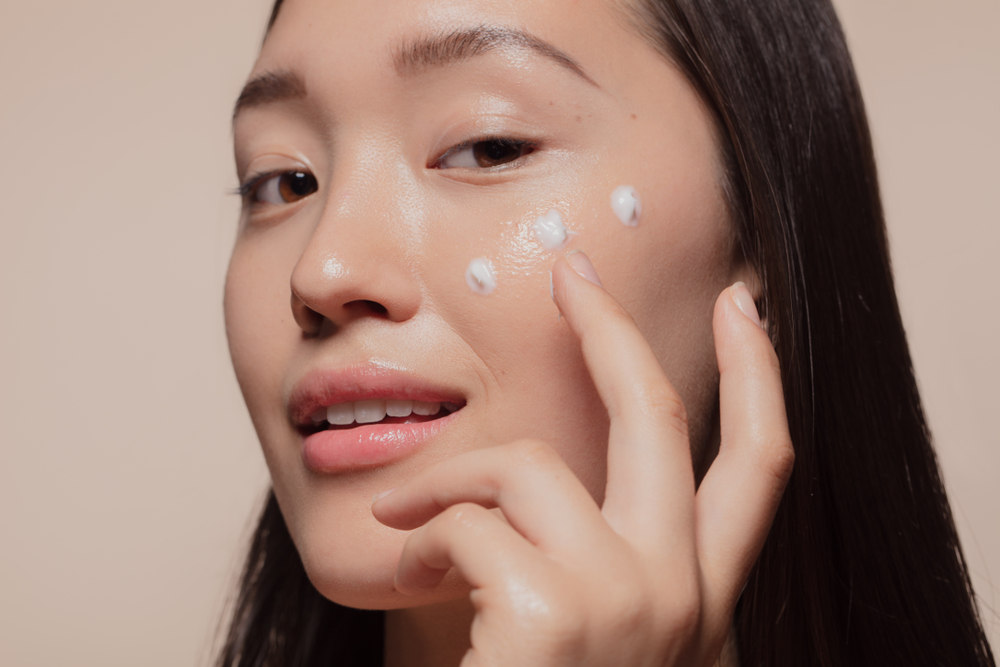
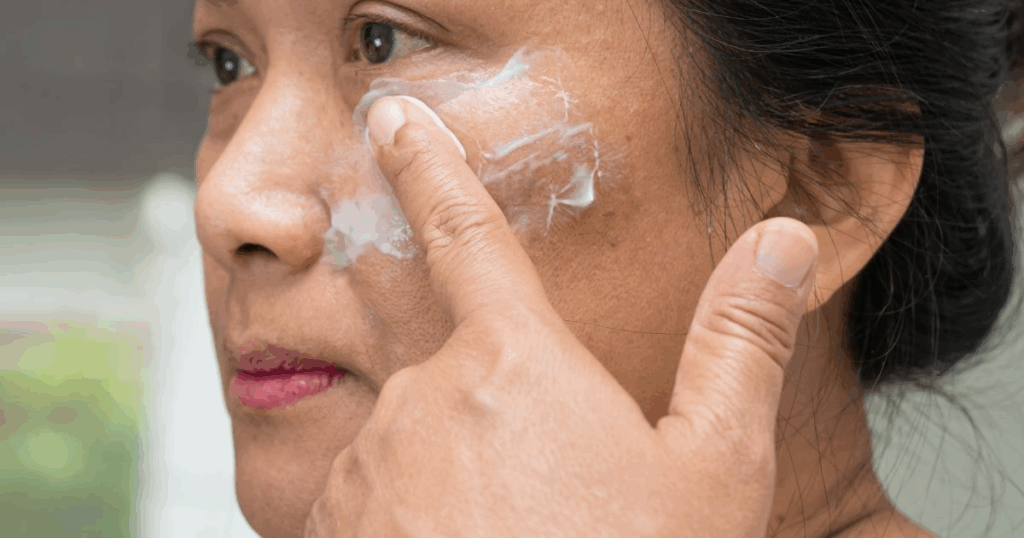
Asian woman applying cream to acne-prone skin as part of her daily facial skincare routine

Topical creams are a first-line treatment for melasma. Common options include:

  • Hydroquinone. This commonly used skin-lightening agent works by blocking the enzyme tyrosinase, which is necessary for melanin production. It is available in concentrations ranging from 2% to 4%. However, prolonged use may lead to complications such as hydroquinone-induced exogenous ochronosis, a condition where bluish-black pigmentation develops. Due to these risks, it is usually used for short periods and under medical supervision.​
  • Kojic acid and azelaic acid. These ingredients are milder alternatives and are often used for long-term management. Kojic acid inhibits tyrosinase, while azelaic acid works by reducing the number of abnormal melanocytes. Both are used in lightening dark patches and are generally well-tolerated.
  • Tretinoin and corticosteroids: Tretinoin (a vitamin A derivative) can increase skin cell turnover, which may help to shed pigmented cells faster. It can be combined with hydroquinone and corticosteroids to reduce inflammation and improve the overall effectiveness of the treatment.

Chemical Peels and Microdermabrasion

Chemical peels are suitable second-line treatment for patients who do not respond well to topical agents alone. This procedure involves the application of acids like glycolic acid or trichloroacetic acid (TCA) to exfoliate the outer layer of the skin, revealing newer, less pigmented skin underneath. Chemical peels also stimulate skin cell production to improve skin texture and even out tone.

There are three main types of chemical peels used for melasma:

  • Superficial peels. These target the outermost layer of skin and are commonly used for epidermal melasma.
  • Medium-depth peels. Used for more persistent pigmentation, these penetrate deeper into the skin.
  • Deep peels. Though rare, these are reserved for the most severe cases, and they carry more risk of complications.

Multiple sessions are usually necessary for visible improvement, and combining peels with topical hydroquinone can prevent new pigment formation.

Laser Treatment

Laser therapies and light-based treatments can help reduce melanin pigments in the skin. These are typically considered for cases that do not respond to topical or chemical treatments. Common laser treatments include:

  • Q-switched laser. This device delivers short bursts of energy that may help break down melanin pigments into smaller particles, which the body can gradually absorb. 
  • Pico Laser: Pico Laser uses ultra-short pulses of laser energy measured in picoseconds to target pigment in the skin. The rapid bursts of energy help fragment melanin into finer particles, which are then cleared by the body’s natural processes. It is commonly used to manage conditions like melasma, pigmentation, and uneven skin tone, while supporting skin rejuvenation with minimal downtime.

It is essential to approach laser treatments cautiously, as improper use may worsen melasma or lead to scarring.

Oral Medications

Oral treatments may be considered for more resistant cases of melasma. One of the most promising options is tranexamic acid, an oral medication that helps reduce melanin production by blocking the interaction between melanocytes and blood vessels. It is particularly useful in patients who do not respond to topical treatments or those with mixed melasma​.

While tranexamic acid has shown good results in reducing pigmentation, it is typically reserved for short-term use due to potential side effects, such as gastrointestinal disturbances. A healthcare professional will monitor patients closely during treatment.

Prevention Strategies for Melasma

While treatment can help reduce the appearance of melasma, prevention is key to managing the condition long-term and minimising future flare-ups. Effective prevention strategies focus on reducing exposure to common triggers and maintaining proper skin care habits. Here are some tips:

Use Sun Protection

A key step in preventing melasma is sun protection. Ultraviolet (UV) radiation is a major trigger for melasma, as it stimulates melanin production and can worsen existing pigmentation. To protect your skin:

  1. Apply broad-spectrum sunscreen with an SPF of at least 30 daily, even on cloudy days. Sunscreens containing zinc oxide, titanium dioxide and iron oxides offer the best protection from UV and visible light. 
  2. Reapply sunscreen every two hours, especially if you’re outdoors or swimming.
  3. Wear protective clothing, like wide-brimmed hats, long sleeves and sunglasses, to shield your skin from direct sunlight.
  4. Avoid peak sun hours from 10 AM to 4 PM.

Be Aware of Hormonal Triggers

Hormonal changes are a leading cause of melasma, particularly in pregnant women and those taking birth control pills or hormone replacement therapy. If you’re using oral contraceptives or other hormonal medications, discuss alternative options with your healthcare provider to potentially avoid triggering melasma​. Pregnancy-related melasma often fades after delivery, but women should still take preventive measures during pregnancy to avoid worsening the condition.

Seek Early Treatment

Early intervention is essential when melasma appears. Seeking treatment at the first sign of skin discolouration can prevent the condition from worsening. Topical treatments can help manage melasma early on, especially when combined with proper sun protection.

Maintain Treatment

Even after achieving improvement, melasma can recur, particularly with continued exposure to sunlight or hormonal changes. It’s essential to maintain treatment with strict sun protection and ongoing maintenance therapy, such as the use of skin-lightening agents or topical medications. Consistent care can help prevent relapse​.

Can melasma go away on its own?

In some cases, melasma may fade without treatment, especially if it was triggered by pregnancy or hormonal medications like birth control pills. However, melasma often requires long-term management and may persist or worsen without proper care​.

Is melasma the same as hyperpigmentation?

While melasma is a specific form of hyperpigmentation, it is distinct in its causes and triggers. Melasma is often caused by hormonal fluctuations, sun exposure or genetics, whereas other types of hyperpigmentation, such as post-inflammatory hyperpigmentation, can result from skin injuries or allergic reactions.

Conclusion

Melasma is a chronic skin disorder that requires both preventive measures and effective treatments for management. Protecting your skin from sun exposure, being mindful of hormonal changes and seeking early treatment are critical strategies to control melasma. Ongoing care and sun protection can help prevent relapse and keep your skin looking healthy.

Struggling with melasma? Get in touch with Lux Medical Aesthetic Clinic, and regain your radiant complexion.

Pustules: What are they, Causes, Treatment Options, & Prevention Tips

Pustules are small, inflamed bumps on the skin that can be a source of frustration, especially when they’re painful or seem to appear overnight. Understanding what pustules are and how to treat them effectively is key to maintaining your skin’s health and confidence.

In this comprehensive guide, we’ll walk you through everything you need to know about pustules—from their causes and symptoms to acne treatment options and prevention tips. Let’s get started on the path to clearer skin!

What Are Pustules?

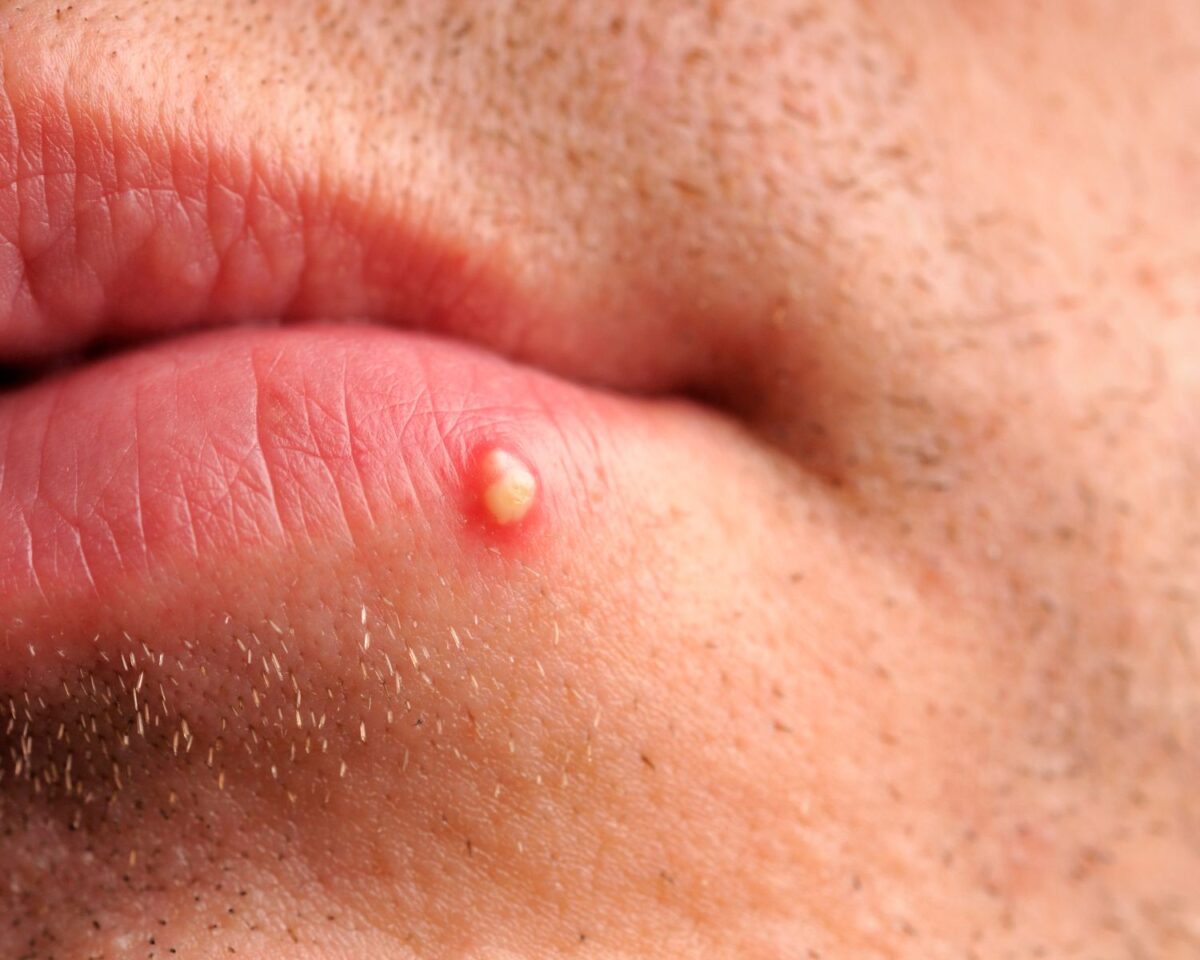
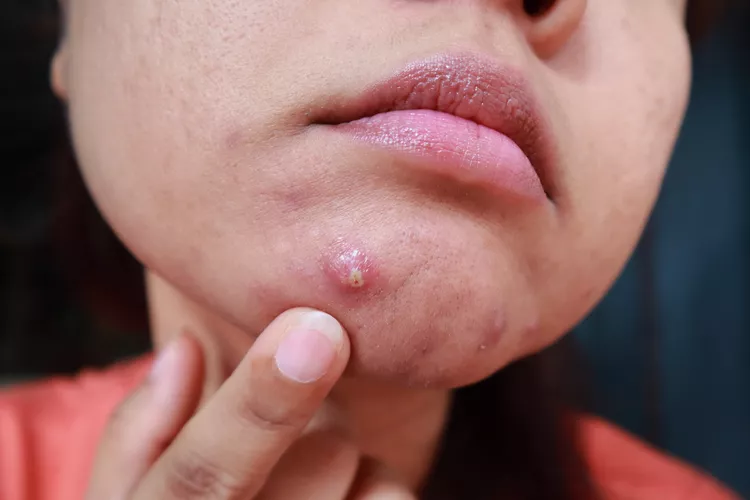
Pustules are small, pus-filled bumps on the skin that may resemble other types of acne lesions, such as papules or nodules. Unlike papules, pustular skin lesions contain pus, giving them a white or yellowish tip. They often occur in clusters and are surrounded by red, inflamed skin. This distinguishes them from nodules, which are larger and deeper lesions without visible pus.

Pustules are a common type of skin lesion, most frequently appearing on the face, back, and shoulders, though they may also occur on other parts of the body. They are part of the body’s inflammatory response and typically develop when hair follicles become clogged with oil, bacteria, or dead skin cells.

Causes of Pustules

Several factors may contribute to the development of pustules. A frequent contributing factor is bacterial involvement, particularly Cutibacterium acnes (formerly Propionibacterium acnes), which multiplies in clogged pores. Pore blockages occur when excess oil and dead skin cells build up, which may be linked to hormonal changes or certain skincare products.

Inflammatory conditions such as acne vulgaris or folliculitis may also trigger pustules. These conditions can cause inflammation and pus formation as part of the body’s immune response. Additionally, factors such as certain medications, stress, or diet may contribute to pustule development.

Symptoms and Signs of Pustules

woman with acne

Recognising pustules involves looking for specific signs. A raised bump with a white or yellow centre filled with pus is a common sign. The surrounding skin is usually red, which may suggest inflammation.

Pustules may feel painful or tender, and some people experience itching around the affected area. Monitoring changes in appearance or discomfort may be helpful, and seeking medical advice can provide clarity.

Treatment Options for Pustules

When it comes to treating pustules, a variety of options are available. Choosing the right method depends on the severity of your condition and your personal preferences. It’s often beneficial to try a combination of treatments for optimal results.

Over-the-counter (OTC) Treatments

Over-the-counter treatments are commonly the first step for managing pustules, as they provide accessible options without requiring a prescription. These products typically contain active ingredients that target factors such as excess oil production and bacterial activity. Below are some examples of OTC treatments used for pustules.

  • Benzoyl Peroxide: Benzoyl peroxide is often used to manage pustules because it targets acne-causing bacteria and may reduce inflammation. This topical treatment, available in gels and creams, comes in different concentrations. Regular use may help in managing pustules and lowering the likelihood of future breakouts.
  • Salicylic Acid: Salicylic acid is another commonly used OTC treatment recognised for its exfoliating properties. It works by helping to unclog pores through the removal of dead skin cells and reducing oil buildup. Salicylic acid is available in cleansers, toners, and spot treatments.
  • Topical Retinoids: Topical retinoids promote cell turnover, which helps prevent clogged pores and reduces the risk of pustule formation. While they may cause some initial irritation, consistent use may support skin renewal over time. Retinoids are available in different strengths, so starting with a lower concentration is often advised.

Prescription Treatments

When over-the-counter options are not sufficient, a doctor may recommend prescription treatments. These are usually stronger and are considered for moderate to severe cases of pustules, particularly when linked to underlying skin conditions or requiring more intensive management.

  • Oral Antibiotics: Oral antibiotics may be prescribed for more severe cases of pustules. They work by reducing bacterial activity and inflammation within the body. It’s important to follow medical guidance carefully to lower the risk of antibiotic resistance.
  • Topical Antibiotics: Topical antibiotics are applied directly to the skin, helping to address bacterial activity at the site of pustules. They may be combined with other treatments to support better management of symptoms.
  • Oral Retinoids: Oral retinoids are usually reserved for cases that are persistent or widespread. These medications can be effective in reducing breakouts but may also carry potential side effects. Close medical supervision is required during their use.
  • Steroid Injections: For larger, inflamed pustules that do not respond to other treatments, corticosteroid injections may be considered. These may help reduce swelling and discomfort when administered by a healthcare professional.

Natural and Home Remedies

Some home remedies are explored for their potential to soothe inflammation and support skin comfort using readily available ingredients. While they may not work for everyone, some individuals find them helpful as part of their skincare approach.

  • Tea Tree Oil: Tea tree oil is a natural option that has been studied for its antimicrobial properties. When diluted and applied topically, it may help reduce bacteria on the skin and soothe inflammation. A patch test is advisable before use to check for sensitivity or allergic reaction.
  • Aloe Vera: Aloe vera is commonly recognised for its soothing and anti-inflammatory effects. Applying aloe vera gel to pustules may help calm redness and support skin comfort, and it is generally considered gentle.
  • Honey and Cinnamon: Honey and cinnamon have been traditionally used as natural remedies due to their antibacterial and anti-inflammatory properties. When mixed into a paste and applied to the skin, they may offer supportive benefits for managing pustules.

Prevention Tips to Avoid Pustules

While managing pustules matters, prevention may help support overall skin health. By adopting certain habits, you may lower the likelihood of breakouts.

Skincare Routine

A consistent skincare routine may support skin health and help lower the chance of pustules forming. Incorporating products and practices suited to your skin type may also assist in managing oil production and keeping pores clear. Below are some general skincare practices that may be considered:

  • Daily Cleansing: Daily cleansing may help lower the risk of pustule formation. Using a mild facial cleanser twice daily can remove dirt, oil, and makeup.
  • Exfoliation: Regular exfoliation may assist in removing dead skin cells that could clog pores. A mild exfoliator suited to your skin type can be used once or twice weekly.
  • Moisturising: Moisturising may benefit the skin, even for those with oily or acne-prone skin. Non-comedogenic moisturisers are often recommended to help keep the skin hydrated without clogging pores.

Dietary and Lifestyle Changes

Smiling woman eating a fresh salad as part of a healthy lifestyle

Our food and daily habits can influence skin health by affecting oil production, inflammation, and overall complexion. By adopting healthier dietary choices and lifestyle practices, individuals can support their skin and overall well-being. Several strategies may support skin health and overall well-being.

  • Balanced Diet: A diet that includes fruits, vegetables, and whole grains may support skin health. Reducing the intake of high-glycaemic foods and dairy has been suggested in some studies as a way to help manage acne.
  • Hydration: Drinking adequate water helps keep the body hydrated, which supports general health and may also benefit skin health.
  • Stress Management: Stress may exacerbate skin conditions, including pustules. Stress-reduction practices such as meditation, exercise, or yoga may help manage both overall health and skin conditions.
  • Avoid Irritants: Certain products or environmental factors may irritate the skin, which could contribute to pustule formation. Using gentle skincare products and limiting exposure to pollutants may be helpful.

Regular Check-ups

Regular visits to a healthcare professional for skin assessments may help identify potential issues early. A doctor may recommend adjustments to a skincare routine or prescribe treatments when necessary to help manage pustules or other skin concerns.

For individuals with underlying skin conditions such as acne, eczema, or rosacea, regular check-ups may support better management and help reduce the risk of flare-ups.

How Long Does It Take for Pustules to Go Away?

Depending on size and severity, pustules typically heal within a few days to weeks, 6 weeks for severe cases. Consistent skin care and treatment can accelerate healing, while untreated pustules may take longer to resolve. If you notice no improvement or worsening conditions, it’s wise to consult a professional.

Is It OK to Squeeze Pustules?

Squeezing pustules is generally discouraged due to the risks involved. Doing so can lead to a skin infection, scarring, and spreading bacteria. Instead, opt for topical treatments or professional extraction to safely address pustules without damaging your skin.

Why Do Pustules Hurt So Much?

The discomfort associated with pustules comes from inflammation and pressure caused by pus beneath the skin. The body’s inflammatory response to clogged pores or bacterial activity contributes to this. Addressing underlying factors may help reduce discomfort.

How Do You Draw Out Pustules?

To draw out acne pustules more safely, consider using warm compresses. Applying heat can help reduce inflammation and encourage pus to surface naturally. Topical acne treatments may also support the healing process. For persistent pustules, professional extraction under medical supervision may be an option.

Do Pustules Get Worse Before They Get Better?

Pustules can appear more inflamed before they start improving as the body responds to inflammation. With appropriate care, pustules may gradually improve. If symptoms worsen significantly, it’s best to seek medical advice.

Do Pustules Spread?

While pustules themselves are not contagious, the bacteria associated with them can spread. Good hygiene and appropriate skincare may reduce the likelihood of bacteria affecting other areas of the skin.

Can Pustules Be Cancerous?

Pustules are generally benign and not cancerous. However, it’s important to monitor any skin lesions for changes in appearance or behaviour. If you have concerns about skin cancer, consult a doctor for further evaluation.

When to Seek Professional Help for Pustules

If your pustules persist despite care or if you experience severe pain, swelling, or signs of infection, consulting a healthcare professional may be helpful. A doctor can assess your condition and recommend a suitable management option. Consider visiting us at Lux Medical Aesthetic Clinic for personalised advice and treatment options.

Conclusion

Managing pustules can be challenging, but achieving clearer skin is within reach with the right knowledge and approach. You can take proactive steps towards healthier skin by understanding the causes, identifying symptoms, and exploring effective treatments. Prevention and early intervention are key, and seeking professional support can make all the difference.

For those looking to explore more, booking an appointment with our skilled doctor can provide further insight and guidance tailored to your skincare needs.

Cystic vs Hormonal Acne: Key Differences & 3 Treatment Options

Are you seeing small, red lumps on your face that feel tender when you press them? Or did you notice an increase in blackheads and whiteheads? Are you wondering if you have cystic or hormonal acne?

This blog explains cystic and hormonal acne, exploring their characteristics, causes and treatment options. Understanding the differences between the two is important for managing acne and reducing flare-ups. By the end of this blog, you’ll have a clearer understanding of these skin issues and their treatment approaches.

What is Cystic Acne?

Cystic acne is a severe form of acne. It occurs when hair follicles become clogged with sebum, dead skin cells and bacteria, leading to large, inflamed, pus-filled cysts that form deeper in the skin. These cysts are painful, may last for weeks or months, and can increase the likelihood of scarring.

What is Hormonal Acne?

Hormonal acne is linked to fluctuations in hormones, particularly androgens like testosterone. These changes can increase oil production, which may lead to clogged pores. Hormonal acne typically appears as smaller, inflamed lesions around the chin and jawline, especially during periods of hormonal fluctuation.

Cystic Acne vs Hormonal Acne: The Differences

Understanding the differences between cystic and hormonal acne is key to finding the right acne treatment options. Here’s a quick comparison:

Aspect Cystic Acne Hormonal Acne
Characteristics Deep, painful cysts beneath the skin Smaller, inflamed lesions often linked to hormonal changes
Causes Excess oil, clogged pores, genetics Hormonal fluctuations, stress, diet

Here is a more detailed breakdown of the key differences between cystic and hormonal acne:

Characteristics

Cystic acne is characterised by deep, painful cysts that develop beneath the skin’s surface. These lesions are often filled with pus and may cause discomfort. The affected areas can appear swollen and red, with cysts that persist for weeks or months.

Hormonal acne generally appears as smaller, inflamed spots linked to hormonal changes, such as those experienced during menstruation. It commonly develops on the lower face, such as the chin and jawline, and may fluctuate in intensity with the menstrual cycle.

Causes

The causes of cystic acne include excess oil production, clogged pores, and genetic factors. These factors create conditions that allow bacteria to multiply, which can cause inflammation and cyst formation.

Hormonal fluctuations, stress, and diet often contribute to hormonal acne. These changes can increase oil production, leading to clogged pores and breakouts. Stress may worsen hormonal imbalances, while certain dietary choices could influence hormone levels and skin health.

Understanding the causes of each type may help in managing acne and reducing flare-ups. Recognising triggers such as stress or diet can also support healthier skin habits.

How to Treat Scars from Cystic or Hormonal Acne

Operations

Scars from adult acne can be a source of frustration long after the blemishes have disappeared. Fortunately, several treatments can help reduce their appearance. Here are some of them:

Chemical Peels

This treatment involves the application of a chemical solution, such as alpha or beta hydroxy acids, that exfoliates the outermost layers of the skin. This process helps remove damaged skin cells, reduce blemishes and promote the growth of new, healthier skin cells.

Laser Therapy

Laser therapy uses focused beams of light to target specific skin layers. It may stimulate collagen production, which can support skin elasticity and improve the appearance of certain skin concerns. Laser therapy is sometimes used to address issues such as age spots, wrinkles, or acne scars.

Microneedling

This procedure involves creating tiny, controlled punctures in the skin using fine needles. It may stimulate the skin’s natural healing response and encourage collagen and elastin production. Microneedling is sometimes used with the aim of improving skin texture, firmness, and concerns such as acne scars, large pores, or stretch marks.

As each option has different considerations, it’s important to speak with a qualified healthcare professional to determine which treatment may be suitable.

How to Prevent Cystic and Hormonal Acne

Preventing acne requires a combination of good skincare practices and lifestyle choices:

  • Maintain a healthy skincare routine. For healthier skin, use gentle cleansers that remove dirt without stripping natural oils. Opt for non-comedogenic products that are less likely to clog pores. Avoid harsh scrubs and over-washing, as these can irritate the skin and aggravate acne.
  • Consume a balanced diet. A diet rich in fruits, vegetables, lean proteins, and whole grains provides nutrients that play a role in overall health and may support skin function. Some studies suggest that limiting high-glycemic foods, such as sugary snacks and refined carbs, or dairy, may help some individuals who notice breakouts linked to these foods.
  • Manage stress. Stress is sometimes associated with acne flare-ups. Techniques like yoga, meditation, or deep breathing may help manage stress levels and support overall well-being.

Incorporating these habits into your routine can reduce the risk of acne flare-ups and promote clearer skin.

Is Hormonal Acne Always Cystic?

No, hormonal acne is not always cystic. While hormonal changes can sometimes lead to cystic acne, hormonal acne may also appear as smaller inflamed spots. The severity and presentation of both types can vary depending on factors such as hormonal balance, lifestyle, and genetics.

Can You Have Both Types Simultaneously?

Yes, it’s possible to experience both cystic and hormonal acne at the same time. Hormonal fluctuations may contribute to the development of cystic acne. For example, during hormonal shifts such as puberty, pregnancy, or menstrual cycles, some individuals may notice features of both types. Recognising these patterns may help in better understanding the condition and discussing management options with a healthcare professional.

When to Seek Professional Help

If acne persists or leads to scarring, it may be time to consult a doctor for further evaluation. Persistent or severe acne can sometimes indicate underlying health issues, such as hormonal imbalances, which may require medical attention. A healthcare professional can help diagnose possible contributing factors and may recommend prescription treatments, such as oral medications or procedures like laser treatments or chemical peels.

Doctors may also suggest lifestyle changes, dietary adjustments, or specific skincare routines to help manage acne. Seeking professional advice ensures that management plans are guided by medical assessment.

If you’d like to learn more about the services at Lux Medical Aesthetic Clinic, you can reach us via our Contact Us page.

Conclusion

Cystic and hormonal acne may look similar, but they develop for different reasons and can present in different ways. Recognising these differences may help you better understand your skin and the factors that affect it.

While general skincare habits and lifestyle choices can play a role in prevention and management, persistent or severe acne should be assessed by a healthcare professional. Professional advice can help identify contributing factors and guide suitable options for care.

Acne is a common concern, and staying informed is an important step towards managing it with confidence. By building awareness of its causes, characteristics, and management strategies, you’ll be better prepared to make thoughtful decisions about your skin health.