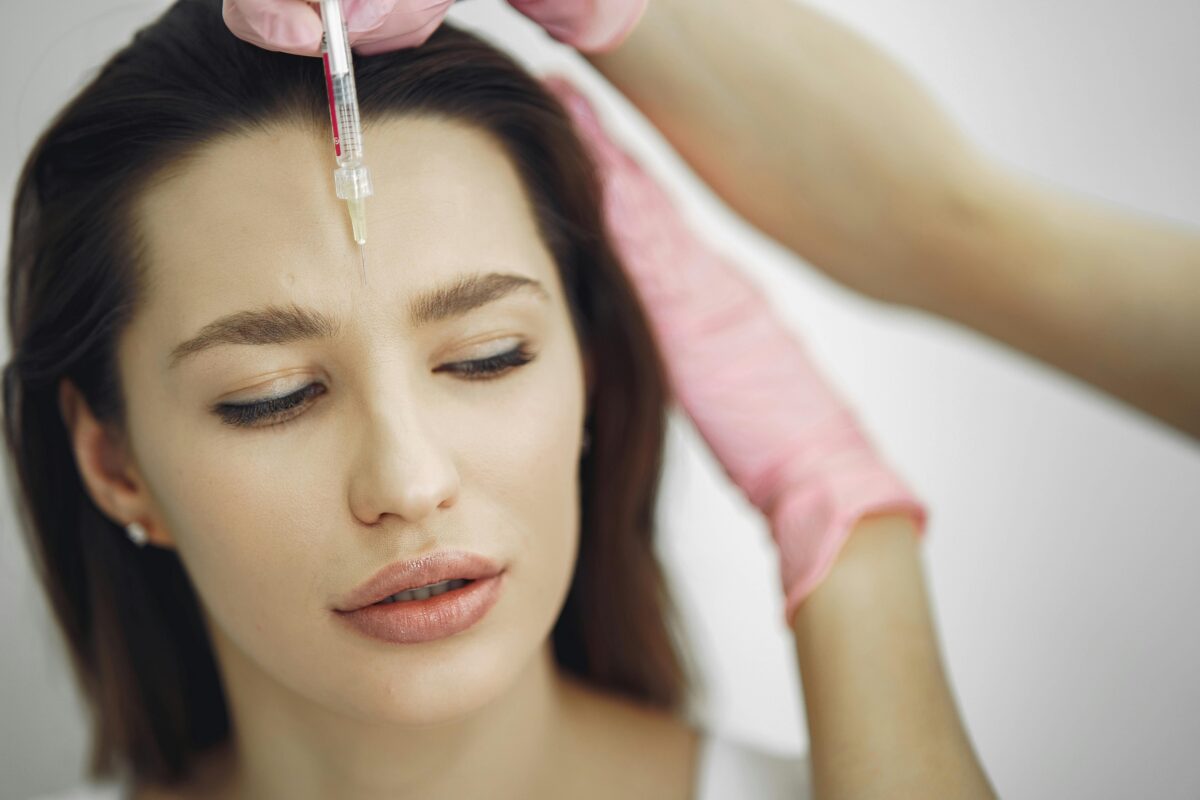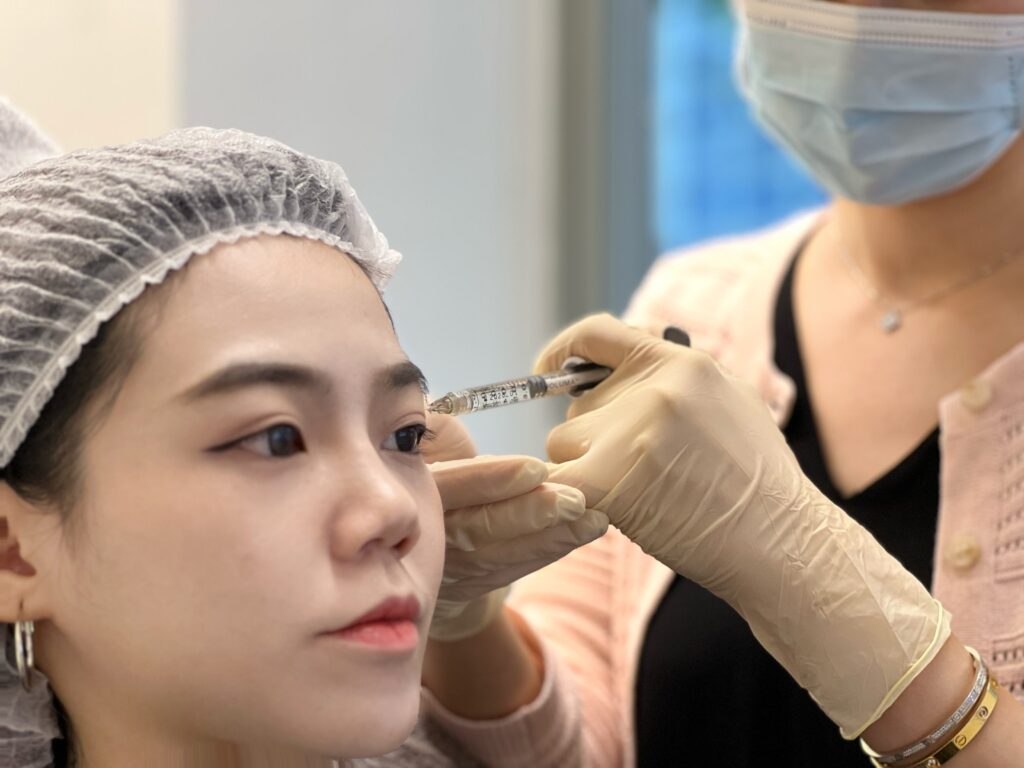

Micro Anti‑Wrinkle Treatment: What Is It, How Does It Work, Benefits and Risks

Botulinum toxin is used in aesthetic medicine to temporarily relax facial muscles that contribute to the appearance of dynamic wrinkles. A technique known as Micro Anti-Wrinkle Treatment involves smaller amounts of botulinum toxin to provide more refined cosmetic effects.

This approach may help soften the appearance of fine lines while maintaining natural facial movement.

Here’s what to know about Micro Anti-Wrinkle Treatment, how it works, and where it may be used..

What Is Micro Anti‑Wrinkle Treatment?
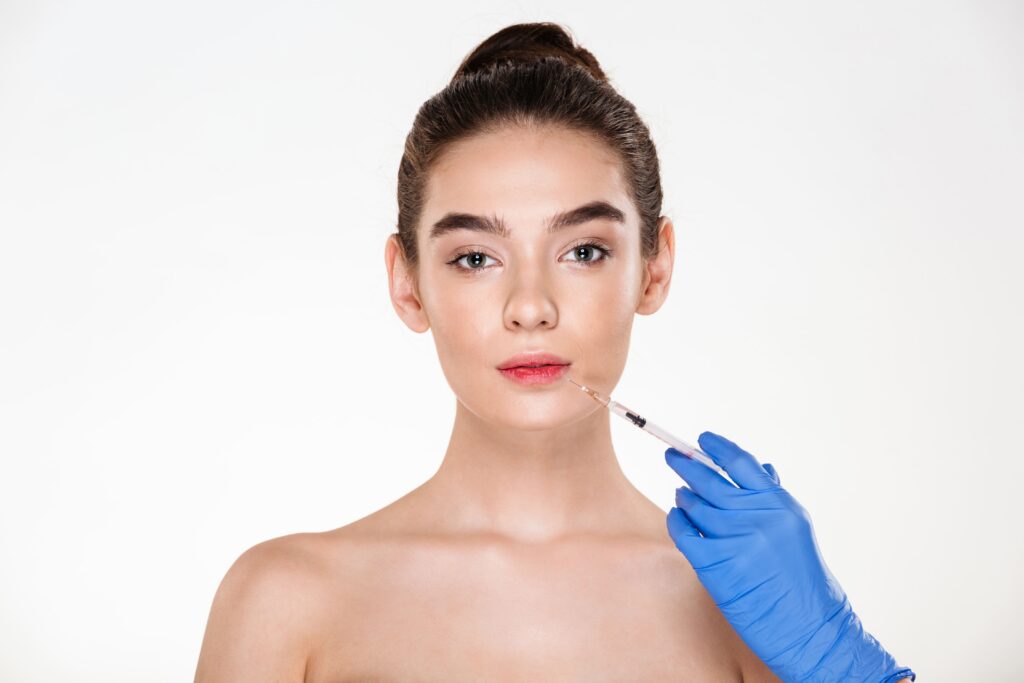
Micro Anti‑Wrinkle Treatment refers to an approach that uses smaller measured amounts of botulinum toxin to address the appearance of dynamic wrinkles. Medical practitioners administer controlled doses to help soften fine lines while maintaining natural facial movement.

This technique may suit individuals who prefer a lighter‑dose approach or want subtle support for areas where early signs of ageing appear. It offers an option for those seeking a gradual, natural‑looking enhancement without adding volume.

How Does Micro Anti‑Wrinkle Treatment Work?

Micro Anti‑Wrinkle Treatment is a technique where small amounts of an injectable product are applied to targeted facial areas. This injectable is commonly used to help reduce muscle activity in areas affected by repeated facial movements, such as frown lines or crow’s feet.

By softening the activity of these muscles, the treatment may reduce the appearance of fine lines linked to facial expression. Because smaller amounts are used, facial movement can remain more natural while still supporting a smoother appearance.

Benefits of Micro Anti‑Wrinkle Treatment

Micro Anti‑Wrinkle Treatment uses smaller measured amounts of an injectable product to help soften the appearance of expression lines. People who prefer a lighter‑dose approach may choose this treatment for a more gradual and natural‑looking effect.

1. Natural‑Looking Movement

This technique uses small amounts of the injectable product, which may allow facial movement to remain more natural while softening the appearance of lines linked to repeated expressions.

2. Preventive anti-ageing

Some individuals consider this treatment when they start noticing early signs of ageing, as it may help address mild expression lines before they become more visible.

3. Minimal downtime

Micro Anti‑Wrinkle Treatment often involves minimal downtime, and many individuals return to daily activities shortly after the procedure. This makes it a practical option for those with regular commitments.

4. Ideal for younger demographics

This approach may suit individuals who prefer a gentle and gradual improvement in the appearance of facial lines without creating a noticeable change in their features.

Treatment Areas for Micro Anti-Wrinkle Treatment

Micro Anti-Wrinkle Treatment may be used on facial areas where repeated muscle activity contributes to the appearance of fine lines. This approach uses smaller measured amounts of an injectable product and is often chosen by individuals looking for subtle support in managing dynamic lines.

  1. Forehead. Lines across the forehead may appear due to repeated eyebrow movement. Treatment in this area may help soften the appearance of these lines.
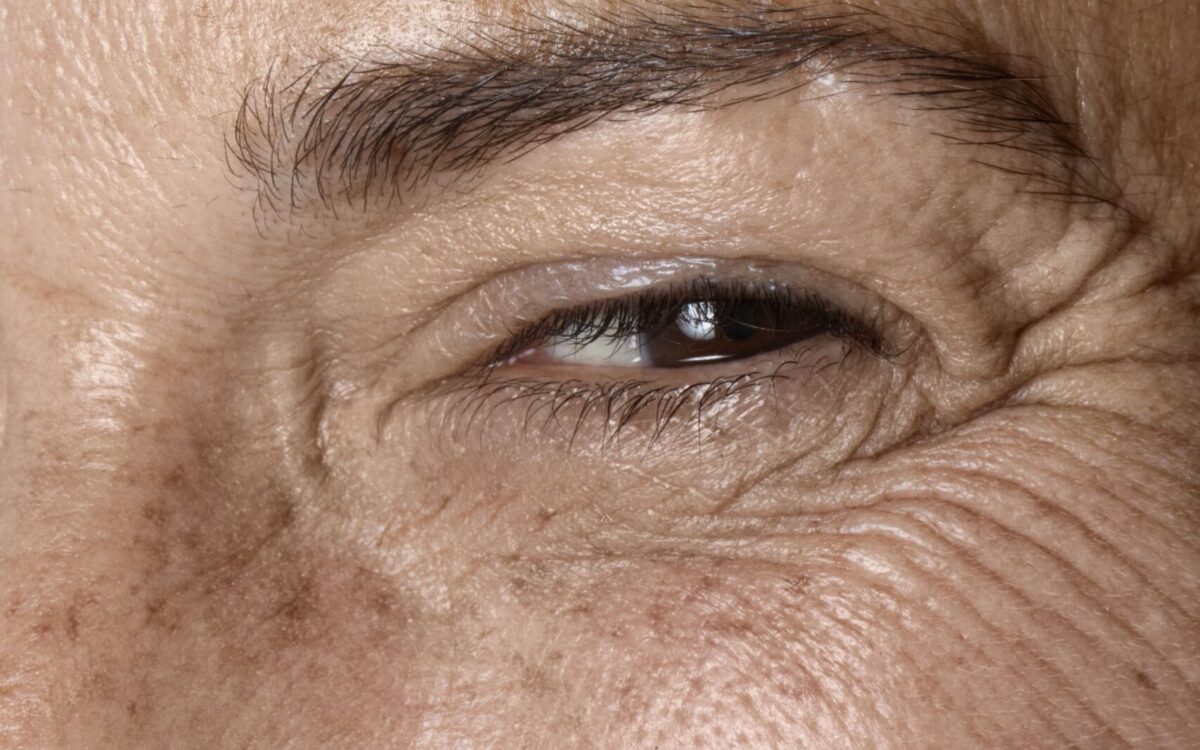
  2. Crow’s feet. These lines form around the outer corners of the eyes, often becoming more noticeable with facial movement. Treatment may help reduce the visible effects of these expression lines.
  3. Pores and oil control. Upper and lower face: Micro Anti-Wrinkle Treatment may be applied across these areas to support oil control and refine the appearance of pores, supporting a smoother, matte skin appearance.
  4. Neck bands. Micro Anti-Wrinkle Treatment may be used on the neck where visible bands are present. 
  5. Skin Lifting. In some cases, the treatment may also be applied along the sides of the face and jawline to support mild skin tightening and subtle facial contour definition, based on individual assessment.

Who Is Micro Anti-Wrinkle Treatment Suitable For?

Micro Anti-Wrinkle Treatment may be considered for individuals with early expression lines who prefer a lower-dose injectable option. It is often selected by:

  1. Individuals with mild expression lines, especially in areas such as the forehead or around the eyes.
  2. Younger adults: Including those in their 20s or 30s who wish to address early signs of dynamic wrinkles.
  3. First-time injectable users: Individuals who have not undergone previous wrinkle treatment and prefer a conservative approach.
  4. Patients requesting minimal intervention: Those who prefer subtle effects while maintaining movement in treated areas. 
  5. Pore reduction and oil control: It may also be considered in cases where oil regulation, pore refinement, or mild skin tightening is desired.

However, some individuals might need to avoid Micro Anti-Wrinkle Treatment. These factors include:

  1. Older people with deep wrinkles. Those with deeper or well-established facial lines may require a different approach depending on their desired outcome.
  2. People with certain medical conditions. People with certain medical conditions, or those who are pregnant or breastfeeding, will need a professional assessment to determine treatment suitability.
  3. Those looking for immediate, dramatic results. This technique may not meet expectations for individuals who are seeking dramatic or rapid aesthetic results, as it focuses on subtle and gradual improvements.

How Long Does Micro Anti‑Wrinkle Treatment Last?

The effects of Micro Anti‑Wrinkle Treatment typically last between two to four months. The duration can vary from person to person and depends on several factors, including:

  1. Dosage. Smaller measured amounts of the product may lead to results that fade more quickly compared to treatments using larger quantities.
  2. Metabolism. People with faster metabolic rates may notice that their results do not last as long as those with slower metabolism.
  3. Treatment area. Areas of the face that move more frequently, such as around the eyes or forehead, may show a return of visible lines earlier than areas with less movement.
  4. Frequency of treatment. Individuals who receive treatments regularly may find that their results remain visible for a longer period over time.
  5. Individual response. Each person’s skin, health, and facial movement patterns can influence how long the effects remain noticeable.

Cost of Micro Anti-Wrinkle Treatment in Singapore

In Singapore, the cost of Micro Anti-Wrinkle Treatment can vary depending on several factors. Prices typically reflect the amount of product used, treatment area, and individual needs. Below are some key factors that may influence pricing:

  1. Price per area. Micro Anti-Wrinkle Treatment is usually priced per treatment area, with costs typically ranging between $300 and $800, depending on the treatment area and clinical assessment.
  2. Treatment areas. For Micro Anti-Wrinkle Treatments, pricing is typically based on the treatment area and may vary depending on the site treated and clinical considerations.
  3. Clinic location. Fees can differ between clinics depending on location, service structure, and overheads.
  4. Individual needs. Each person’s facial structure and treatment goals may influence the overall approach, which can affect the cost of treatment.

Consulting with a qualified practitioner can help you provide a more accurate estimate based on individual treatment requirements.

What to Expect During a Micro Anti-Wrinkle Treatment

If you’re considering Micro Anti-Wrinkle Treatment, it’s helpful to understand what typically takes place before and during the procedure. Being informed can support your comfort and preparation for the appointment.

Before the Procedure

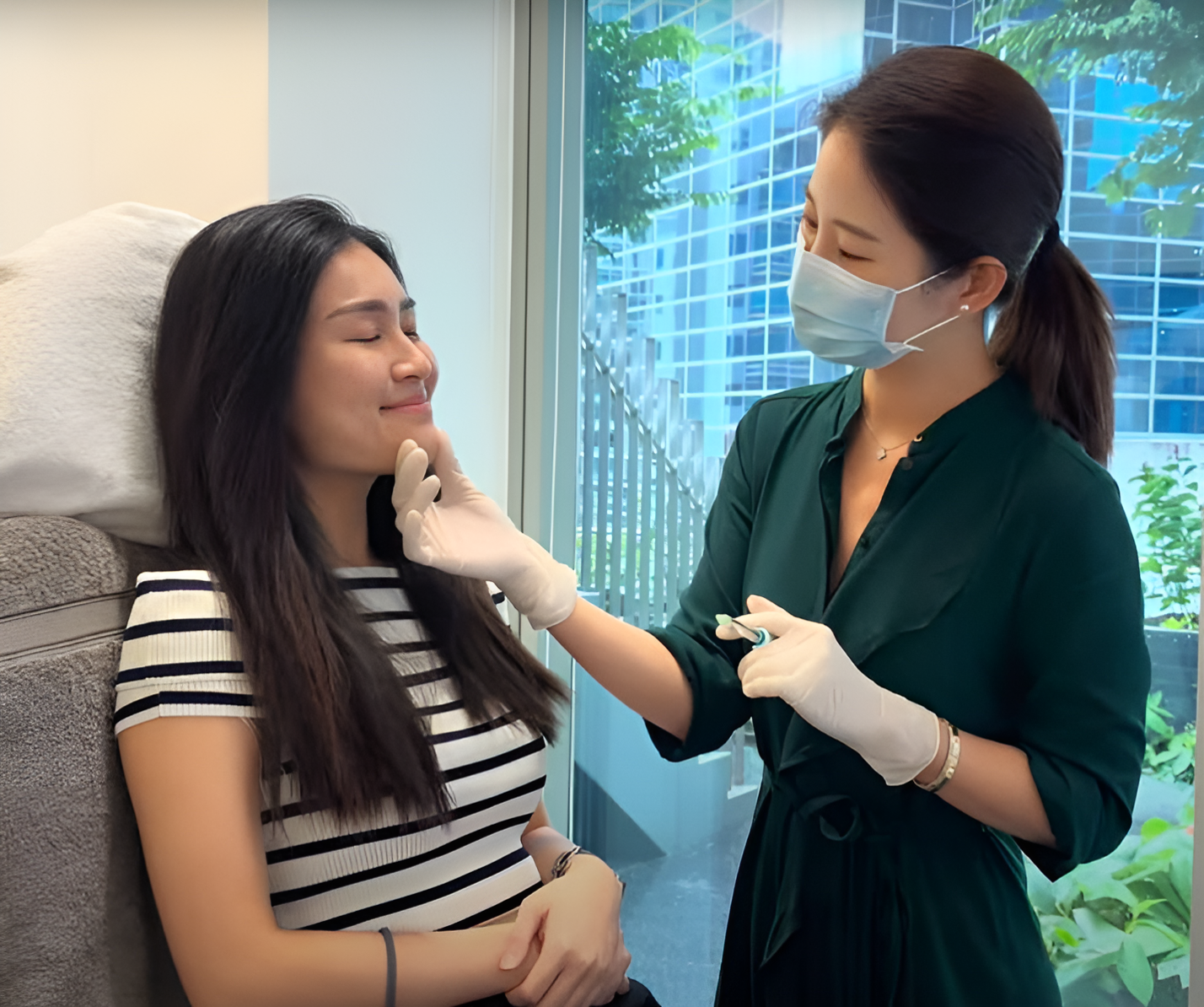
Your practitioner will begin with a consultation to understand your areas of concern and discuss your goals. They will review your health history and determine whether the treatment aligns with your needs.

On the day of the procedure, arrive with a clean face, free from makeup or skincare products. Your practitioner may cleanse the skin again and apply a mild numbing cream to enhance comfort during the session.

During the Procedure

The actual procedure usually takes between 15 and 30 minutes, depending on the number and size of areas being treated. Your practitioner will use a fine needle to apply the product to selected areas of the face. You may experience a slight stinging or pinching sensation during the process.

Most individuals are able to return to their usual activities shortly after the session, as the treatment generally involves minimal downtime.

Post-Treatment Care

Following Micro Anti-Wrinkle Treatment, your practitioner may advise a few general care guidelines:

  • Avoid strenuous activities. It’s best to avoid high-intensity exercise or heat-based treatments for at least 24 hours.
  • Do not touch the treated areas. Avoid rubbing or massaging the skin to reduce the chance of affecting nearby areas.
  • Stay upright. Try to remain upright for at least four hours. If lying down is necessary, keep your head elevated.
  • Allow time for visible changes. You may notice gradual changes in the treated areas over the following days. If you have any concerns, your practitioner can guide you during a follow-up review.

Risks and Side Effects of Micro Anti-Wrinkle Treatment

Micro Anti-Wrinkle Treatment is a commonly used injectable procedure. Like all aesthetic treatments, it may carry certain side effects. These vary between individuals and are typically mild and temporary.

Common Side Effects

  1. Injection site reactions. Some individuals may notice slight swelling or bruising around the treated area. This usually improves within a few days.
  2. Flu-like symptoms. A small number of people report feeling tired or unwell in the days following treatment.
  3. Muscle weakness. There may be some stinging or sensitivity during and shortly after the procedure.
  4. Asymmetry. Results may appear uneven at first as the product settles. This usually balances out as the treatment takes effect.

Rare Side Effects

  1. Severe allergic reactions. Some individuals may notice skin redness, itching, or general irritation after treatment.
  2. Drooping eyebrows or eyelids. In some cases, the treatment may temporarily affect movement or expression in specific areas.

Micro Anti-Wrinkle vs. Traditional Anti-Wrinkle Injections

Feature Traditional Anti-Wrinkle Injections Micro Anti-Wrinkle Injections
Dosage Typically uses 30 to 40 units per treatment session Generally uses 10 units per treatment session
Cost The average cost ranges from $180 to $800 per session The average cost ranges from $300 to $800, depending on the area treated
Results Provides a more pronounced reduction of wrinkles and fine lines Aims for subtle enhancement while preserving natural facial expressions
Target audience Suitable for older individuals with established wrinkles or those seeking significant changes Appeals to individuals with early signs of ageing or those seeking preventive care, oil control, pore refinement, mild skin tightening, or double chin reduction
Injection technique Administered in larger areas with fewer injection points Involves micro-injections in specific areas for targeted treatment
Duration of effects Results typically last 3 to 6 months Effects may last approximately 2 to 4 months

Conclusion

Micro Anti-Wrinkle Treatment is one of several aesthetic options for individuals looking to address early signs of facial lines while maintaining natural movement. Some people prefer this approach for its use of smaller measured amounts, which may result in more subtle changes.

This technique may appeal to those who want a lighter touch without altering their overall appearance. As with any cosmetic procedure, a personalised consultation with a qualified practitioner is essential. Understanding the treatment journey—from preparation to aftercare—can help you feel informed and confident about your decision.
Preventative Anti‑Wrinkle Injections: What Is It, Cost, Benefits, and Procedure

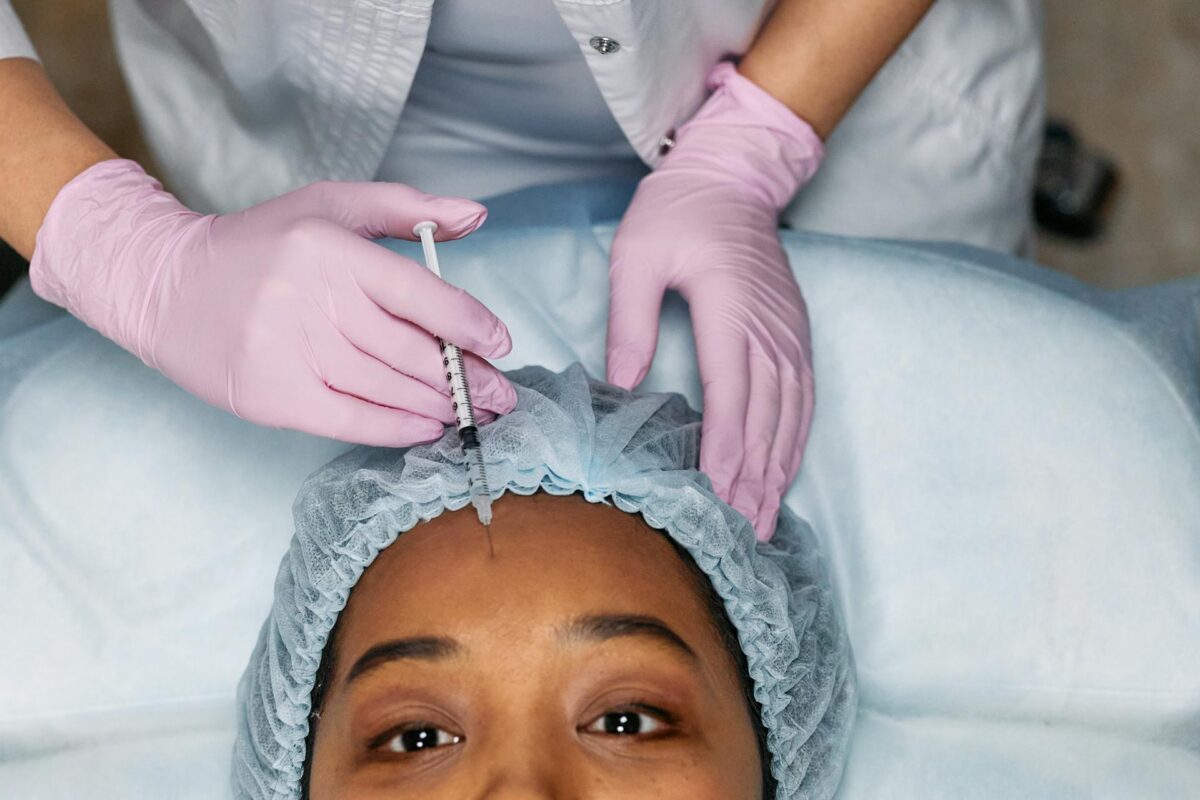
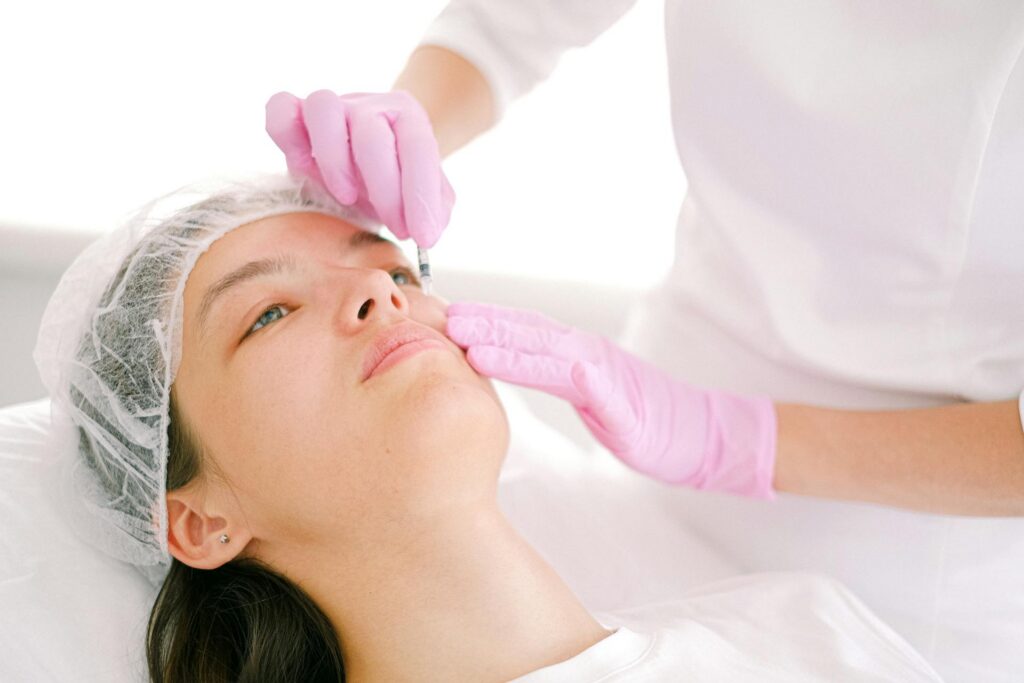
Preventative anti‑wrinkle injections are sometimes considered by individuals looking to address early signs of facial lines before they become more noticeable. Compared to anti-wrinkle injections treatments used for established expression lines, this approach is generally explored earlier by those who are considering aesthetic interventions as part of their skincare routine.

This guide explores preventative anti‑wrinkle injections, cost considerations, and what to expect during the procedure.

What Are Preventative Anti‑Wrinkle Injections?

Preventative anti‑wrinkle injections involve small doses of a neuromodulating agent to reduce facial muscle activity before expression lines become more prominent. Some individuals in their late 20s or early 30s may explore this option to address repetitive muscle movements associated with areas such as the forehead or around the eyes.

The aim is to manage muscle activity that contributes to the appearance of expression lines over time while maintaining facial movement. This procedure is administered by a licensed medical practitioner following a clinical assessment.

How Does It Differ from Other Anti‑Wrinkle Injection Approaches?

The key difference between preventative and corrective anti‑wrinkle injection approaches lies in their intended use. Preventative anti‑wrinkle injections are typically explored by individuals looking to manage muscle activity associated with early expression lines, addressing fine lines before they become more established.

In comparison, corrective anti‑wrinkle injection treatments are generally used to address existing wrinkles and fine lines that are already visible. Some younger individuals may explore preventative anti‑wrinkle injections as part of an early aesthetic approach, while corrective treatments are more commonly considered when expression lines are more pronounced.

How Much Does Preventative Anti-Wrinkle Injections Cost?

Preventative anti‑wrinkle injections are generally priced similarly to other anti‑wrinkle injection treatments. Costs depend on factors such as the number of units used and the treatment area, for example the forehead muscles. In Singapore, fees typically range from SGD 300 to SGD 800 per session, depending on the clinic and individual treatment plan. Treating multiple areas or using a higher number of units may affect overall cost.

Follow‑up sessions may be discussed during consultation, as treatment duration and response can vary between individuals. Your medical practitioner will advise on appropriate review intervals based on your needs and treatment goals.

How Do Preventative Anti‑Wrinkle Injections Work?

Preventative anti‑wrinkle injections work in a similar way to other anti‑wrinkle injection approaches. The procedure involves administering a neuromodulating agent into targeted facial muscles, such as those in the forehead, to temporarily reduce muscle activity during facial expressions.

By managing repetitive muscle movements, this approach may help reduce the development of more pronounced expression lines over time. The procedure is non‑surgical and is typically performed in a clinical setting, with downtime and recovery varying depending on individual response.

Benefits of Preventative Anti‑Wrinkle Injections

Preventative anti‑wrinkle injections are sometimes explored by individuals looking to address early facial expression lines. Below are some considerations that are commonly discussed during consultation.

1. Early Intervention and Wrinkle Prevention

Preventative anti‑wrinkle injections may help manage muscle activity associated with repetitive facial expressions, such as frowning or squinting. By addressing these movements early, this approach may reduce the prominence of fine lines over time. Individual response varies, and factors such as sun exposure and skin condition also influence the appearance of facial lines.

Feature Preventative Anti-Wrinkle Injections Anti-Wrinkle Injections
Purpose Addresses early expression lines Addresses established expression lines
Ideal age Late 20s to early 30s Mid-30s and above
Maintenance frequency Every 3–4 months Every 3–6 months
Results over time May influence how expression lines develop May soften the appearance of existing lines

2. Improves Confidence and Appearance

Preventative anti‑wrinkle injections are sometimes explored by individuals who wish to address early expression lines, such as crow’s feet or fine lines. By managing repetitive facial muscle activity, this approach may influence how these lines appear over time. Individual responses vary, and outcomes depend on factors such as facial movement patterns and skin condition.

Benefits of Preventative Wrinkle Injections at a Glance:

  • May help address early expression lines.
  • Often discussed by younger individuals exploring non‑surgical aesthetic options.
  • Treatment effects and outcomes vary between individuals.

3. Cost-Effectiveness

Preventative anti‑wrinkle injections typically involve ongoing review and follow‑up, and costs may vary depending on treatment areas, dosage, and frequency. Some individuals consider this approach as part of a longer‑term aesthetic plan, while others may explore alternative options at different life stages.

Cost planning should be discussed during consultation, taking into account individual goals, treatment response, and available options. A medical practitioner can provide guidance based on clinical suitability and personal circumstances

Preventative Anti-Wrinkle Injections Procedure Overview

Preventative anti-wrinkle injections are typically performed in a clinical setting and may involve several steps, depending on the individual’s treatment plan. Here’s an overview of what the process may include:

  • Consultation
    • Your licensed medical practitioner will review your concerns and discuss appropriate treatment options.
    • They will assess your facial movement patterns and identify areas associated with expression lines.
    • A treatment plan will be created based on the areas of concern and your overall goals.
  • Preparation
    • The target areas are cleansed to remove makeup, dirt, or oils.
    • In some cases, a numbing topical cream may be applied to minimise discomfort.
  • Injection
    • Small amounts of a neuromodulating agent are injected into targeted facial muscles using a fine needle.
    • The procedure typically takes 10–15 minutes, depending on the number of areas treated.
  • Post-Treatment Guidance
    • Avoid touching the injected site or massaging the areas for at least 24 hours.
    • Refrain from strenuous activities, alcohol consumption, or lying down immediately after the procedure, eventually leading to an uneven look.
  • Follow-Up (Optional)
    • A follow-up appointment may be scheduled after two weeks to assess the results and adjust if needed.

Many individuals return to regular activities shortly after the procedure, though this can vary based on individual response and treatment scope.

Side Effects of Preventative Anti-Wrinkle Injections

Preventative anti-wrinkle injections are medical procedures and, like all treatments, may carry some side effects. These should be discussed during consultation with a licensed medical practitioner. Possible side effects may include:

  • Mild pain or discomfort at the injection site
  • Temporary redness or bruising
  • Headache or a feeling of tightness in the treated area
  • Mild flu-like symptoms
  • Rare side effects may include drooping eyelid or asymmetry. These are usually temporary, but should be reviewed by a practitioner

If side effects persist, consult your practitioner promptly.

Who is Suitable for Preventative Anti-Wrinkle Injections

Preventative anti-wrinkle injections may be considered by individuals who wish to address early expression lines. Suitability can only be determined during consultation with a licensed medical professional. In general, the following individuals may explore this treatment option:

  • Individuals who begin to notice early expression lines such as forehead creases or lines around the eyes
  • Those with repetitive facial movements associated with the development of lines
  • Individuals who prefer a non-surgical option to manage facial muscle activity
  • Those without known hypersensitivity to components used in anti-wrinkle treatments

Who May Not Be Suitable

This treatment may not be appropriate for individuals with certain conditions or health considerations, such as:

  • Individuals who are pregnant or breastfeeding
  • Those with specific neurological conditions, such as myasthenia gravis or Lambert-Eaton syndrome
  • Individuals with an active skin infection at the planned injection site
  • Those with hypersensitivity to any components used in the treatment

A thorough assessment by a licensed medical professional is essential to determine whether anti-wrinkle injection treatment aligns with your goals and medical history.

Conclusion

Preventative anti‑wrinkle injections may be considered by individuals who wish to address early facial expression lines associated with repetitive muscle movement. This approach works similarly to other anti‑wrinkle injection treatments but is typically explored earlier, focusing on managing muscle activity before lines become more established.

Some individuals explore this option as part of an early aesthetic plan, although suitability varies and depends on individual concerns and clinical assessment. As with any medical procedure, a consultation with a licensed medical practitioner is essential to determine whether this treatment aligns with your goals and medical history.

When appropriate, preventative anti‑wrinkle injections may support the management of expression lines over time. Outcomes vary between individuals, and treatment decisions should be made based on informed discussion and professional guidance.

Injectable Skincare vs Polynucleotides Skin Healer: 7 Key Differences

Injectable Skincare and Polynucleotides Skin Healer are two injectable treatments used to address different skin concerns. Although both are administered to support skin appearance, they differ in their composition and intended effects.

Injectable Skincare contains hyaluronic acid and is used to support skin hydration and elasticity. In contrast, Polynucleotides Skin Healer involves polynucleotides derived from salmon DNA, which are intended to assist the skin’s natural repair processes and promote tissue regeneration.

Both treatments are considered part of skin-supportive procedures, but their methods of action and clinical focus differ. Understanding these differences can help individuals discuss suitable options with their doctor based on their specific skin concerns.

What is Injectable Skincare?

Injectable Skincare is an injectable treatment used in aesthetic clinics to support skin hydration and improve skin texture. It contains hyaluronic acid, a substance that occurs naturally in the body and is commonly used in skin-related procedures.

The formulation includes both high- and low-molecular-weight hyaluronic acid, which may help enhance moisture retention in the skin. The treatment is administered with the aim of supporting skin elasticity and addressing concerns related to skin ageing or dryness.

It is typically performed in a clinical setting, and many individuals are able to resume normal activities shortly after the procedure. As with any injectable treatment, suitability and outcomes may vary, and a medical consultation is recommended to determine if this approach is appropriate for individual needs.

What is Polynucleotides Skin Healer?

Polynucleotides Skin Healer is an injectable treatment used in aesthetic practice to support skin repair. It contains polynucleotides (PNs), which are DNA fragments derived from salmon and are used for their biocompatibility with human tissue.

The treatment is injected into the skin with the aim of supporting its healing functions and encouraging the activity of cells involved in maintaining skin structure. It is commonly used for individuals who want to address concerns related to skin ageing, texture, or sensitivity.

Polynucleotides Skin Healer is sometimes discussed in relation to moisture retention and skin barrier support, although individual responses can vary. A treatment plan is typically discussed with a doctor, who will assess whether this option is suitable based on each person’s skin condition and goals.

Injectable Skincare vs Polynucleotides Skin Healer: Key Differences

Feature Injectable Skincare PN Skin Healer
Key ingredients Hyaluronic acid Polynucleotides (salmon DNA)
Treatment purpose Deep hydration and skin tightening Skin repair and anti-inflammatory support
Procedure Injected into the skin and disperses to treat larger areas Precise injections targeted at specific areas for regeneration
Expected results Improved skin texture, elasticity, and hydration Reduced fine lines, improved texture, and support for scar healing
Downtime Minimal (mild swelling may occur) 2–3 days (possible bruising)
Number of sessions Two sessions one month apart; booster after 4–9 months 3 to 4 sessions
Price $2200 for two sessions Approximately $650 to $900 per session

Which treatment provides faster results?

The expected timelines for skin-related changes following Injectable Skincare or Polynucleotides Skin Healer treatments may vary depending on the treatment protocol and individual skin response.

Injectable Skincare is typically administered over two sessions spaced about a month apart. Some individuals report noticing changes in hydration and skin texture over time, with further effects observed following completion of the second session. The duration of these effects may differ based on personal skin characteristics and external factors such as lifestyle or environment.

Polynucleotides Skin Healer is usually delivered over a series of three sessions, also spaced a month apart. While changes may be observed progressively during the course of treatment, the full extent of response tends to develop gradually and can differ from person to person.

It’s important to note that the response to any injectable skin treatment depends on various factors, including skin type, age, and the area being treated. A medical consultation is recommended to determine the most appropriate approach for each individual.

Injectable Skincare vs Polynucleotides Skin Healer: Benefits

Injectable Skincare

  • Hydration: Injectable Skincare contains hyaluronic acid, which is administered to help improve skin moisture levels over time.
  • Skin Firming: The treatment aims to support skin elasticity and firmness.
  • Improved Skin Texture: It may be considered for individuals concerned with uneven skin texture or the visible effects of skin ageing..
  • Minimally Invasive Procedure: Injectable Skincare is delivered via injection and is typically performed in a clinical setting.
  • Minimal Downtime: Most individuals can resume usual activities soon after treatment, although this may vary based on personal skin response.
  • Versatile Treatment Areas: Suitable for various areas, including the face, neck, and hands.

Polynucleotides Skin Healer

  • Skin Repair Support: Polynucleotides Skin Healer contains polynucleotides derived from salmon DNA and is used in aesthetic treatments aimed at supporting the skin’s natural healing functions.
  • Structural Support: It is considered for individuals who want to address skin ageing concerns, such as elasticity or uneven skin texture.
  • Treatment for Specific Concerns: Polynucleotides Skin Healer is sometimes administered in cases involving skin irregularities, such as pigmentation or textural changes related to previous acne.
  • Moisture Retention: The formulation may assist in improving the skin’s ability to retain hydration over time.
  • Progressive Effects: Visible changes may occur gradually, depending on the individual’s skin response and treatment consistency.
  • Skin Sensitivity Considerations: Polynucleotides Skin Healer is sometimes selected for individuals with sensitive skin types. A consultation is recommended to assess suitability.

Which Treatment is Right for You?

Selecting a treatment approach depends on individual skin characteristics, concerns, and expectations. While Injectable Skincare and Polynucleotides Skin Healer are both injectable treatments used in aesthetic clinics, they are formulated with different ingredients and may be administered for different purposes.

  • For Ageing Skin: Individuals experiencing changes such as skin dryness or a decrease in skin elasticity may consider discussing Injectable Skincare as a treatment option.
  • For Acne Scars or Uneven Texture: Polynucleotides Skin Healer is sometimes used for individuals with skin texture concerns, including those related to previous acne.
  • For Sensitive Skin: In some cases, Polynucleotides Skin Healer may be recommended for those with skin that is more prone to irritation, depending on clinical assessment.
  • For Minimal Downtime: Both treatments involve a series of sessions. Treatment planning will take into account individual schedules and recovery expectations.
  • Younger Skin Types: Some individuals with early skin concerns, such as dullness or textural irregularities, may explore injectable treatments as part of a preventive or maintenance plan, under medical guidance.

A medical consultation is essential to assess skin condition, clarify goals, and determine a treatment approach that aligns with your needs. At Lux Medical Aesthetic Clinic, our experts will discuss options based on your skin profile and recommend a personalised plan if appropriate.

Can I Combine Polynucleotides Skin Healer and Injectable Skincare?

Yes, Polynucleotides Skin Healer and Injectable Skincare can be combined in a treatment plan, as they complement each other and address different skin concerns.

How Polynucleotides Skin Healer and Injectable Skincare Complement Each Other

Polynucleotides Skin Healer contains polynucleotides and is typically used in treatments aimed at supporting skin repair and addressing texture concerns. Injectable Skincare, which contains hyaluronic acid, is often administered in protocols that focus on skin hydration and elasticity.

The decision to include both treatments in a plan should be guided by a thorough consultation. A doctor will assess your skin condition and determine whether a staged or combined approach is suitable based on clinical evaluation.

Conclusion

Injectable Skincare and Polynucleotides Skin Healer are injectable treatments that may be considered for different skin-related concerns. Injectable Skincare contains hyaluronic acid and is typically used to support skin hydration and elasticity. Polynucleotides Skin Healer, which includes polynucleotides, is often administered in protocols aimed at improving skin texture and supporting repair processes.

Treatment schedules differ, with Injectable Skincare commonly involving two sessions and Polynucleotides Skin Healer typically delivered over three. In some cases, both treatments may be incorporated into a plan depending on individual needs and clinical assessment.

For personalised advice according to your specific skin goals, it’s important to consult with a qualified professional. They can help you explore the options that may best suit your needs.

Anti-Wrinkle Injections and Fillers: How to Avoid an Overdone Look?

Anti-wrinkle injections and dermal fillers are commonly used to soften facial lines and enhance features. However, when used excessively or without proper assessment, these treatments may create an unnatural appearance. Recognising the signs of overcorrection and understanding how to avoid these outcomes is important for maintaining facial balance and achieving subtle, personalised results.

What Are Anti-Wrinkle Injections and Dermal Fillers?

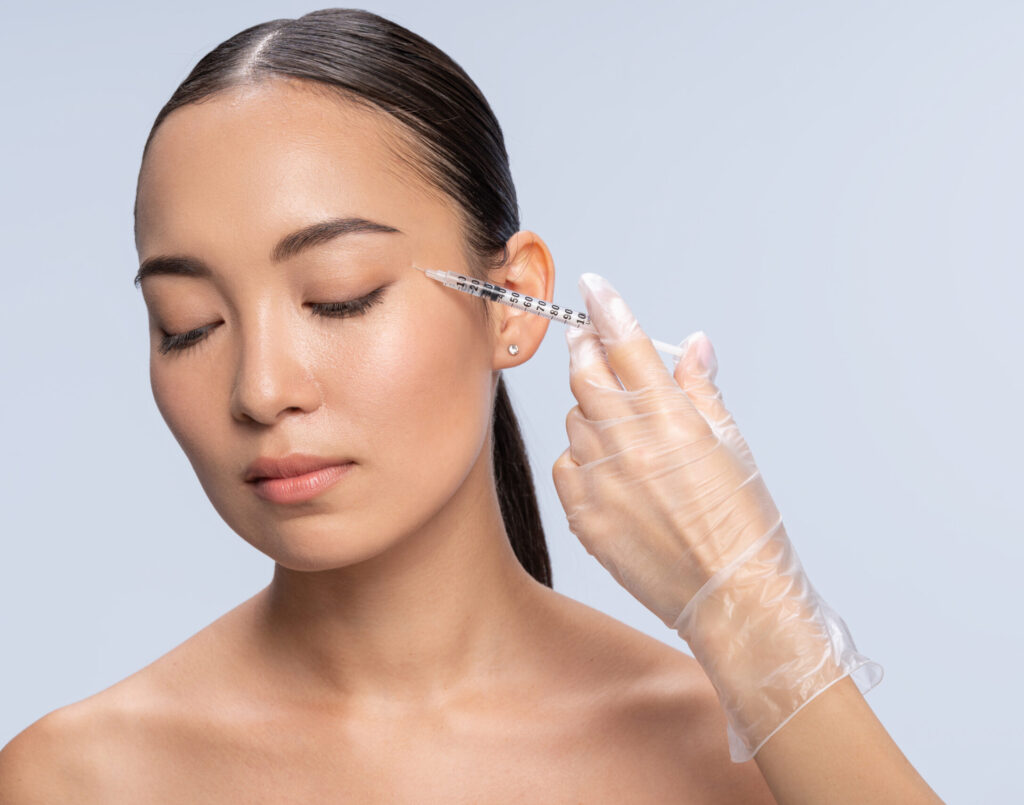
injecting fillers in temple of asian woman

Anti-wrinkle injections and dermal fillers are injectable treatments used to address various aesthetic concerns related to facial lines and volume loss.

Anti-wrinkle injections are typically administered into specific facial muscles to help reduce the appearance of lines caused by repeated muscle movement, such as those found around the eyes or on the forehead. These injections temporarily relax the targeted muscles, which may soften the look of dynamic wrinkles.

Dermal fillers are used to restore volume in areas such as the cheeks, lips, and under the eyes. By adding volume beneath the skin, fillers can help improve overall facial contour and reduce the appearance of folds or hollow areas.

6 Signs You May Have Too Much Anti-Wrinkle Injections or Fillers

When anti-wrinkle injections or dermal fillers are used without careful planning or in excessive amounts, they may lead to temporary changes in appearance. Here are some signs that could indicate overcorrection:

1. Frozen Facial Expressions

Excessive anti-wrinkle products can result in a “frozen face” or leave you with an inability to do facial functions like facial expressions and moving eyebrows. This happens when multiple facial muscles are affected, making it harder to convey expressions naturally.

2. Overfilled Areas

Excessive dermal fillers in areas like the lips, cheeks, or under the eyes may cause puffiness, unevenness, or a heavy appearance. This can occur when volume is added too frequently or without enough time between sessions.

3. Drooping

If injections affect the surrounding muscles or are placed too close to delicate areas, temporary effects like eyelid drooping or uneven eyebrows may occur. These effects are usually short-term and improve as the product wears off.

4. Prolonged Swelling or Bruising

While mild swelling and bruising are common after injectables, extended symptoms may indicate that too much product was used or the area was sensitive. It’s important to follow up with your doctor if symptoms persist.

5. Difficulty with Facial Movements

If smiling, speaking, or performing normal facial expressions becomes noticeably difficult, it could be a sign that the treatment affected surrounding muscles more than intended. This effect is usually temporary and resolves over time.

6. Unnatural Look

An unnatural or over-enhanced appearance, where features seem out of proportion or less expressive, may result from excessive use of injectables. A personalised treatment plan and conservative approach often help maintain natural-looking results.

Why Does an Overdone Look Happen?

An overdone appearance following anti-wrinkle injections or dermal fillers can result from several factors. These may relate to treatment planning, communication, or aesthetic goals. Below are some common reasons this may occur:

1. Overestimation of Needs

At times, patients or doctors may overestimate how much product is required to address concerns such as facial lines or volume loss. Using too much product in a single session may affect facial balance or lead to features looking less natural.

2. Inexperienced Practitioners

Injectables require a detailed understanding of facial anatomy and appropriate injection technique. If the product is placed in areas where it’s not needed—or in higher volumes than required—it may cause an overcorrected look.

3. High Expectations

Some patients may request additional products to pursue a certain look, even if the initial result was already balanced. Seeking dramatic change rather than subtle enhancement can result in facial features appearing out of proportion.

4. Frequent Touch-Ups

Frequent treatment sessions without allowing previous results to settle may lead to product building up over time. This may contribute to an overfilled appearance, especially in areas like the lips or cheeks.

5. Influence of Trends

Visual trends promoted through social media may shape perceptions of beauty and influence treatment choices. Requests for features such as enhanced lips or sculpted cheekbones may occasionally exceed what is suitable for a patient’s natural facial structure.

What to Do If You’ve Had Too Much Anti-Wrinkle Product or Filler

If you feel that your recent injectable treatment has led to an overdone appearance, there are several ways to manage the results. Here are steps you can consider:

  • Wait for Natural Breakdown:
    The effects of anti-wrinkle injections are temporary and typically wear off over a few months. Dermal fillers may last longer depending on the product used. If the result is not causing significant concern, waiting for the product to naturally break down may be the most appropriate approach.
  • Consider Corrective Treatments:
    In some cases, treatments may be adjusted. For certain types of dermal fillers, a qualified doctor may use a suitable product to help reduce volume. Anti-wrinkle treatments usually resolve without additional intervention, as the muscle activity gradually returns to normal.
  • Consult a Professional:
    Consult a qualified doctor or dermatologist if you have concerns about your results. They can assess the situation and guide you through the available options based on your individual facial structure and goals. Open and honest communication supports more informed decisions in future treatments.

How to Avoid an Overdone Look?

Achieving subtle and balanced results with injectable treatments starts with thoughtful planning and a cautious approach. Here are some ways to support a more natural-looking outcome:

1. Choose the Right Practitioner

Working with a doctor who is trained and licensed to perform aesthetic procedures is important for both safety and outcome. A qualified professional will explain what the treatment can and cannot do, help manage expectations, and plan the procedure based on your unique facial structure.

2. Communicate Clearly

Being honest about your aesthetic goals helps the doctor tailor the treatment plan accordingly. It’s also important to stay open to professional guidance on what will work best for your facial proportions. Setting realistic expectations from the start can help avoid unnecessary product use.

3. Moderation Is Key

A careful approach using smaller amounts of product is often recommended. Gradual improvements over time may offer a more natural effect than attempting significant changes in one session. Your doctor can assess your results and make adjustments as needed.

By following these steps, you can avoid the overdone look and undesirable results on your facial skin, such as droopy eyelids and a frozen face, and enjoy results that enhance your features while maintaining a natural aesthetic.

Advice for First-Time Anti-Wrinkle and Filler Users

If you’re considering anti-wrinkle injections or dermal fillers for the first time, taking a well-informed and cautious approach can support a more positive experience. Below are some key tips to help guide your decision-making process.

1. Do Your Research

Before undergoing treatment, it’s important to familiarise yourself with how the procedures work, what they involve, and what they can realistically achieve. Learn about the types of injectable products available, and seek a consultation with a qualified doctor who can explain the process clearly and answer your questions.

2. Start Small

Starting with conservative treatment may help assess how your body responds. For example, some individuals begin with small amounts to address areas of concern gradually. A step-by-step plan allows room for adjustments based on how the results develop.

3. Focus on Natural Enhancements

Subtle enhancements tailored to your facial proportions often help maintain a balanced appearance. Working with your doctor to develop a personalised treatment plan can support natural-looking results that complement your existing features.

Conclusion

Taking a measured approach to aesthetic treatments can help support natural and balanced results. Understanding how injectable treatments work, choosing a qualified doctor, and prioritising moderation are important steps in planning your treatment journey.

Whether you’re considering your first session or exploring ways to refine a previous treatment, informed decisions and professional guidance play a key role in supporting safe and satisfactory outcomes.

Anti-Wrinkle Injections for Underarm Sweating: What Is It, How It Works, Benefits & Risks

Some people notice increased underarm sweating and may wish to understand what options exist to address their concerns. If this is something you’ve experienced, speaking with a doctor can help you learn more about the approaches commonly discussed and what the treatment process generally involves.

This overview introduces the topics individuals often explore during a consultation, including what happens during an appointment and questions they may want to raise with their doctor.

What is Excessive Underarm Sweating?

Hyperhidrosis is a condition where the sweat glands produce more sweat than necessary for temperature regulation. This can occur in specific areas such as the underarms, often without physical triggers like heat or activity. The condition may interfere with daily routines due to persistent moisture and visible sweating. Individuals who experience this should consult a medical professional to explore appropriate treatment options.

Why Do Armpits Sweat Excessively?

Sweat production in the underarms is regulated by eccrine glands, which help cool the body when activated by signals from the nervous system. In individuals with hyperhidrosis, the sweat glands receive excessive stimulation, leading to increased perspiration beyond what is needed for temperature control.

This may be linked to various factors, such as genetics, certain health conditions, or heightened activity in the sympathetic nervous system. Identifying these contributing factors allows for more targeted treatment planning.

What Is Anti-Wrinkle Injections and How Does It Work for Underarm Sweating?

Anti-wrinkle injections are commonly used in medical treatments. While they’re known for their role in reducing wrinkles, they’re also used to manage conditions like excessive underarm sweating (hyperhidrosis).

When injected into the underarms, it temporarily blocks the nerve signals that activate the sweat glands. This reduces the excessive perspiration in the treated area while the rest of the body functions normally.

Benefits of Anti-Wrinkle Injections for Underarm Sweating

  • Reduced Sweating: Anti-wrinkle injections help manage excessive underarm sweating, making hyperhidrosis more manageable.
  • Reduced Discomfort: Managing sweat can help minimise visible stains and related discomfort in social and work settings.
  • Odour Reduction: By reducing hyperhidrosis, there is less opportunity for bacteria to cause unpleasant odours.
  • Long-Lasting Effect: The effects of anti-wrinkle injections for hyperhidrosis may last several months in some individuals, providing consistent relief between treatments.
  • Minimally Invasive: The procedure is typically short and does not require extended downtime.

Anti-wrinkle injections may be used as part of a treatment plan to manage underarm sweating caused by hyperhidrosis.

What to Expect During an Anti-Wrinkle Injection Session for Underarm Sweating

If you’re considering anti-wrinkle injections to manage excessive underarm sweating, here’s what to expect:

Before the Treatment:

A doctor will assess your condition, review your medical history, and explain the procedure. In some cases, a starch-iodine test may be used to identify areas with excessive sweating. To minimise underarm irritation, avoid shaving the area for at least 24 hours before your appointment.

During the Treatment:

The session usually takes 20 to 30 minutes. The doctor will clean your underarm area and may apply a numbing cream or ice pack. Small amounts of anti-wrinkle medication are then injected into the sweat glands using fine needles. Some patients may experience mild pinching, depending on their sensitivity.

After the Treatment:

Patients can usually resume daily activities after the procedure. However, it’s best to avoid strenuous exercise, saunas, and hot baths for 24 hours. Refrain from using deodorant or shaving the area the following day to reduce irritation.

Is It Safe to Use Anti-Wrinkle Injections for Underarm Sweating?

Anti-wrinkle injections are used to manage excessive underarm sweating (hyperhidrosis) and are generally considered safe when performed by a qualified doctor. While many patients tolerate the treatment well, some may have concerns about potential side effects or allergic reactions.

Discussing your medical history with your doctor can help determine if the procedure is appropriate for you or if alternative treatment options are more suitable.

Potential Side Effects of Anti-Wrinkle Injections for Underarm Sweating

Common side effects of anti-wrinkle injections in the underarm area may include redness, swelling, bruising, or tenderness at the injection site. Less commonly, patients may experience slight muscle weakness near the injection area or prolonged discomfort.

Consult your doctor if you experience any unusual or persistent symptoms.

Cost of Anti-Wrinkle Injections for Underarm Sweating in Singapore

The cost of anti-wrinkle injections for underarm sweating in Singapore typically ranges from $1,000 to $1,500 per session, depending on the number of injections required and the clinic’s pricing structure. Factors such as the severity of hyperhidrosis and the doctor’s expertise may also affect the price. It’s best to consult the clinic for an accurate cost estimate tailored to your needs.

Alternatives to Anti-Wrinkle Injections for Underarm Sweating

If you’re exploring options other than anti-wrinkle injections, here are some alternative treatments for managing underarm sweating:

  • Antiperspirants: Over-the-counter or prescription products may help reduce underarm perspiration.
  • Surgery: In more severe cases, surgical options such as sweat gland removal or sympathectomy may be considered.

Are Anti-Wrinkle Injections for Underarm Sweating Painful?

Anti-wrinkle injections for underarm sweating are usually tolerated well by most patients. Some individuals may experience mild discomfort during the injections, often described as a pinching sensation. Doctors may apply a numbing cream or ice to reduce skin discomfort before the procedure.

How Often Are Anti-Wrinkle Injections Needed for Underarm Sweating?

The effects of anti-wrinkle injections for underarm sweating may last between 4 to 6 months in some individuals. Repeat treatments may be recommended as the effects wear off, depending on individual response. Your doctor will advise on a suitable treatment schedule based on your needs.

Conclusion

Excessive underarm sweating can affect daily life. Anti-wrinkle injections may help manage this condition by targeting sweat glands to reduce perspiration.

The treatment targets sweat glands and may reduce perspiration and related concerns in some individuals. While the procedure is typically brief with minimal downtime, understanding the process, potential side effects, and costs can support informed decision-making.

Alternative treatments for hyperhidrosis may include thermal-based procedures, antiperspirants, or oral medications. Consult with your doctor to determine the most appropriate approach for your needs.

Anti-Wrinkle Injections for Crow’s Feet: What It is, How It Works, and Four Benefits

Crow’s feet refer to fine lines that appear at the outer corners of the eyes. These lines may become more noticeable over time due to repeated facial movements such as smiling or squinting. Injectable aesthetic treatments are one option individuals consider when looking to soften the appearance of these lines.

This approach involves a minimally invasive procedure that may help reduce the visibility of expression-related lines in selected areas. Some individuals choose this method as it supports a more understated change in appearance while maintaining facial movement.

Understanding the treatment process, including what typically happens before and after, can help you feel more informed when deciding whether it aligns with your aesthetic goals.

In the next section, we’ll explore how this injectable treatment works and outline common reasons individuals consider it for Crow’s feet.

What are Injectable Treatments for Crow’s Feet?

Fine lines at the outer corners of the eyes—often referred to as crow’s feet—can become more visible with repeated facial expressions such as smiling or squinting. Injectable aesthetic treatments may be considered by individuals looking to soften the appearance of these lines.

This option involves small amounts of product applied to selected areas near the eyes. Some people choose this approach as a way to manage the visible effects of expression lines while maintaining natural facial movement.

  • Dynamic Wrinkles: These wrinkles around the eyes form due to repeated muscle and facial movements, such as smiling, frowning, or squinting. They are visible only during these expressions and disappear when the face rests. Crow’s feet are a common type of dynamic wrinkle.
  • Static Wrinkles: These lines are present even when the face rests. Over time, dynamic wrinkles and other facial lines, such as laughter lines, can become static as skin loses elasticity and undergoes prolonged exposure to environmental stressors.

How Do Anti-Wrinkle Injections for Crow’s Feet Work?

Anti-wrinkle injections may be used to help soften the appearance of lines that form at the outer corners of the eyes. These lines often become more visible with repeated expressions such as smiling or squinting.

During treatment, small amounts of product are applied to selected areas around the eyes. This approach may help reduce the visibility of these expression-related lines while allowing natural facial movement.

Key Treatment Areas for Crow’s Feet

Anti‑wrinkle injections may be applied to selected areas around the outer corners of the eyes to help soften the appearance of crow’s feet. These areas are commonly affected by repeated expressions such as smiling or squinting.

  • Outer Eye Area: Fine lines often appear here as the skin moves during expression.
  • Lines at the Eye Corners: These lines can radiate outwards with facial movement and may become more noticeable over time.

This approach uses small amounts of product placed in specific points to support a smoother appearance while maintaining natural facial movement.

Benefits of Anti-Wrinkle Injections for Crow’s Feet Lines

Anti‑wrinkle injections may be considered by individuals looking to soften the appearance of fine lines around the outer corners of the eyes. These lines often become more visible with repeated expressions such as smiling or squinting.

Smoother Skin

This treatment may help reduce the visibility of expression lines near the eyes, giving the area a more relaxed and refreshed appearance. Results vary between individuals.

Non-Surgical and Quick Results

Crow’s feet treatment is non-invasive and takes less than 30 minutes. With minimal downtime, Many people are able to return to their daily activities soon after the session.

Prevention of Future Wrinkles

Some individuals consider crow’s feet treatment when they begin noticing lines caused by repeated facial movement. It may offer a gentle approach for those looking to address these early concerns.

Maintaining Natural Movement

Small amounts of product are placed in selected areas, which may support subtle changes in appearance without altering overall facial movement.

Who Is a Good Candidate for Anti-Wrinkle Injections for Crow’s Feet?

Some individuals explore anti-wrinkle injections to address fine lines around the outer corners of the eyes and prefer a non-surgical approach. These concerns can be discussed during a consultation to understand what options may suit their needs.

  • Individuals who notice mild to moderate dynamic or static wrinkles can discuss suitable options with their doctor during a consultation.
  • Individuals who prefer non-surgical approaches and want to explore minimally invasive options can discuss these during a consultation to understand what may suit their needs.

Who Should Avoid It?

This treatment may not be advised for individuals with certain medical conditions, allergies to anti-wrinkle injections, or during pregnancy or breastfeeding. A consultation with a qualified aesthetician is essential to determine suitability.

What to Expect During a Anti Wrinkle Treatment for Crow’s Feet

Individuals who wish to understand their options for concerns such as lines around the outer corners of the eyes can discuss these during a consultation. The session helps the doctor understand your needs and provide personalised guidance.

Discussion and Assessment

  • The doctor discusses your concerns and reviews relevant information about your health history.
  • This conversation helps the doctor understand the nature of the lines, including whether they appear during facial movements or remain visible at rest.
  • You can also ask questions about available approaches and what the treatment process generally involves.

During the Treatment Appointment

If you decide to proceed after the consultation:

  • The doctor prepares the area and explains each step before continuing.
  • A series of small injections are administered to specific points around the eyes.
  • The appointment is typically brief, and you can speak with the doctor about what to expect during and after the procedure.

After the Appointment

  • The doctor provides guidance relevant to your circumstances and answers any questions you may have about post-appointment care.
  • You’ll also receive information on when to return for review, if necessary.

Frequently Asked Questions

  • Is the treatment uncomfortable?
  • Experiences vary from person to person. You can discuss any concerns about sensation with the doctor, who will explain what the process involves.
  • When are changes usually reviewed?
  • The doctor will advise when a review appointment may be appropriate and what factors may influence individual timelines.

How Long Does Treatment Last?

The effects of anti-wrinkle treatment normally last between 3–6 months, depending on individual factors and treatment consistency.

Factors Influencing Longevity

  1. Individuals may find that personal factors can influence their experiences with anti-wrinkle injections. These can be discussed with the doctor during a consultation.
  2. The doctor can explain how treatment plans are arranged and what considerations may be relevant when deciding on follow-up appointments.
  3. You can also speak with the doctor about the steps involved in the procedure and ask questions about any aspects you’d like to understand better.

Cost of Anti-Wrinkle Injections for Crow’s Feet

The cost of anti-wrinkle injections for crow’s feet can vary depending on several factors, including clinic setting, treatment plan, and the amount of product required.

Average Cost Range

  • In many clinics, fees for treating crow’s feet fall within a general range that may be around $200 to $500 per session. The exact cost depends on the treatment approach recommended during consultation.

Factors Affecting Cost

  1. Number of Units Required: The volume of product required varies between individuals and depends on the treatment plan discussed with the practitioner.
  2. Clinic and Practitioner Expertise: Fees may differ between clinics based on their location, service structure, and operational costs.
  3. Geographic Location: Pricing can vary between regions or cities due to differences in demand and overhead expenses.

Risks and Side Effects

Common side effects of Anti-Wrinkle Injections for lateral canthal lines or crow’s feet include mild swelling, bruising, or redness at the injection sites, which usually resolve within a few days. Temporary discomfort during or after the procedure may also occur.

Rare complications of treatment for crow’s feet lines include drooping eyelids (ptosis) or uneven results, which are often linked to improper injection techniques. Choosing a licensed and experienced practitioner minimizes these risks and ensures safe, natural-looking outcomes.

Aftercare for Crow’s Feet Treatments

Your practitioner may recommend general aftercare steps following an injectable treatment for crow’s feet. These guidelines can help support comfort and reduce the chance of irritation in the treated area.

  • Avoid Touching or Rubbing the Treated Area: Try not to rub or massage the skin around the injection sites shortly after the procedure.
  • Stay Upright for a Few Hours: It may be helpful to stay upright for a few hours after treatment.
  • Avoid Strenuous Activities: Avoid high-intensity exercise or heavy physical activity for the rest of the day.
  • Skip Alcohol and Heat Exposure: Steer clear of saunas, hot baths, and alcohol for the first day after treatment. Wearing sunglasses outdoors may also help protect the area.

Following these simple guidelines helps ensure the best possible outcome from your treatment.

Other Treatments for Eye’s Crow’s Feet

There are several aesthetic options that individuals may discuss with their practitioner when exploring ways to addressc crow’s feet

Dermal Fillers

Some individuals consider dermal fillers to support volume in areas where the skin may appear less firm. These treatments may be used to address concerns related to texture or hollowness.

Laser Resurfacing

Laser procedures may help refine the appearance of the skin’s surface. This option is sometimes chosen by individuals wanting to address changes in texture in the eye area.

Topical Retinoids or Topical Creams

Practitioners may recommend topical products as part of a broader skincare plan. These can help support overall skin renewal and maintain the appearance of the eye area.

Conclusion

Anti-wrinkle injections are one option individuals may explore when looking to soften the appearance of crow’s feet. The procedure is minimally invasive, and sessions are usually brief, allowing most people to resume daily activities soon after. As with any aesthetic treatment, there may be possible side effects, and following the aftercare guidance provided by your practitioner can help support comfort during recovery.

A consultation with a qualified practitioner is important for discussing your skin concerns and determining whether this approach aligns with your goals. They can provide personalised guidance and outline suitable options based on your needs.

5 Common Myths About Wrinkle Injections and Fillers Debunked

Anti-wrinkle injections and dermal fillers are among the most commonly used non-surgical aesthetic treatments worldwide. Despite their wide usage, misconceptions about their effects and safety often lead to hesitation and misinformation.

Common concerns—such as whether anti-wrinkle injections cause an expressionless appearance, or whether fillers are safe—may prevent individuals from considering these treatments despite their popularity.

This article addresses five common misconceptions about anti-wrinkle injections and dermal fillers, offering factual insights to support informed decision-making.

What Are Anti-Wrinkle Injections and Dermal Fillers?

Anti-wrinkle injections and dermal fillers are injectable treatments used for different purposes within both aesthetic and medical contexts. Anti-wrinkle injections contain a neurotoxin that temporarily reduces muscle activity, helping to soften the appearance of dynamic wrinkles such as frown lines and crow’s feet.

Dermal fillers are gel-like substances—often made from hyaluronic acid—used to restore volume, soften facial contours, and address the appearance of static wrinkles, including those on the forehead. Both treatments are non-surgical and may be tailored to individual concerns following a medical consultation.

Here’s a combined table comparing Anti-Wrinkle Injections and Dermal Fillers for both their aesthetic and medical uses:

Treatment Anti-Wrinkle Injections Fillers
Purpose Relaxes muscles to reduce wrinkles and fine lines Adds volume and smooths static wrinkles and fine lines
Key areas Forehead, crow’s feet, frown lines Cheeks, lips, nasolabial folds, under eyes
Aesthetic benefits Reduces dynamic wrinkles Restores lost volume and enhances facial contours
Medical applications Treats migraines, excessive sweating, muscle spasms Primarily aesthetic, no significant medical use
Duration 3–4 months 6–18 months (varies by type)
Procedure Quick, non-surgical Quick, non-surgical

Myth 1: Anti-Wrinkle Injections and Dermal Fillers Are Unsafe

Myths about anti-wrinkle injections include safety, indicating anti-wrinkle injections treatments and fillers often stem from unregulated practices. However, both treatments are FDA-approved and considered safe when administered by licensed professionals. Studies report high satisfaction rates with minimal, temporary side effects for anti-wrinkle injection, such as redness or swelling. Ensuring safety requires choosing an experienced provider and avoiding suspiciously low-cost offers that may involve counterfeit products or inadequate training.

Myth 2: Anti-Wrinkle Injections and Fillers Make You Look Unnatural

A common misconception is that these treatments result in a “frozen” or overfilled appearance. However, when performed by trained medical practitioners, anti-wrinkle injections and dermal fillers can produce subtle effects tailored to your individual facial features and goals.

A consultation with a qualified practitioner can help determine whether these treatments are suitable for your specific concerns.

Myth 3: Anti-Wrinkle Injections and Fillers Are Only for Older People

A common misconception is that anti-wrinkle injections and dermal fillers are only suitable for older individuals. While they’re often associated with age-related skin changes, some younger adults may explore these treatments for early intervention or subtle adjustments. For example, individuals in their 20s may consider anti-wrinkle injections to help reduce repetitive muscle activity that contributes to the appearance of fine lines over time. Suitability varies and depends on individual concerns rather than age alone.

Myth 4: Anti-Wrinkle Injections and Fillers Are Addictive

Some people believe that aesthetic injectable treatments are addictive, but there’s no evidence to suggest physical dependence. These treatments produce temporary effects, and any decision to continue is a personal choice made in consultation with a medical practitioner. Anti-wrinkle injections and dermal fillers don’t alter brain chemistry. A consultation provides an opportunity to discuss options and suitability without any obligation to proceed with repeat treatments.

Myth 5: These Procedures Are Painful and Require Long Recovery

It’s often assumed that injectable aesthetic treatments are painful and involve lengthy recovery periods. In reality, some individuals may experience mild, short-lived discomfort during treatment, commonly described as a brief pinching sensation. Topical numbing cream may be used where appropriate. Downtime is usually minimal, and many people return to normal activities shortly after treatment. Discussing pain management and aftercare with your practitioner can help address any concerns.

The Truth About Anti-Wrinkle Injections and Fillers

Anti-wrinkle injections and dermal fillers are commonly used in aesthetic practice, although misconceptions about these treatments remain. Treatment outcomes depend on appropriate assessment and administration by a trained medical practitioner.

When administered in line with established clinical standards, these treatments follow a structured and considered approach. This helps manage potential risks and supports outcomes discussed during consultation.

In addition to aesthetic use, these treatments are also applied in certain medical contexts. Anti-wrinkle injections, for example, are used in specific clinical settings to address muscle-related conditions.

When appropriately administered, anti-wrinkle injections and dermal fillers may support aesthetic outcomes aligned with individual concerns and treatment goals.

How to Choose the Right Practitioner

Selecting an appropriate practitioner is an important part of treatment planning. Below is a checklist to help guide your decision.

Tips for Verifying Qualifications:

  1. Check Certifications: Ensure the practitioner is a licensed medical professional authorised to perform injectable aesthetic procedures.
  2. Research Experience: Look for practitioners with substantial experience in aesthetics and Anti-Wrinkle Injections.
  3. Read Reviews: Examine patient testimonials and before-and-after photos to assess their work.
  4. Verify Products: Confirm that only MHRA or FDA-approved products are used and sourced from reputable manufacturers.

Questions to Ask During Consultations:

  • How long have you been performing injectable aesthetic treatments?
  • What medical qualifications and training do you hold?
  • How do you approach treatment planning for different patients?
  • Which products do you use, and do they meet local regulatory standards?
  • How do you manage potential side effects or complications if they occur?

Choosing a qualified medical practitioner supports appropriate assessment and informed decision-making throughout your treatment journey.

Conclusion

Anti-wrinkle injections and dermal fillers are commonly used treatments with different applications. Understanding accurate information is essential when considering these options. Persistent myths and misconceptions about anti-wrinkle injections and dermal fillers can create unnecessary hesitation, but reliable information can help individuals better evaluate their choices.

An important step is consulting a qualified medical practitioner who can assess individual concerns and discuss appropriate options based on clinical suitability. This allows for informed decision-making and realistic expectations regarding treatment outcomes.

How Long Does Injectable Skincare Last: Duration, Factors, and Maintenance

Hyaluronic acid injectable treatments are used to support skin hydration and elasticity. This procedure involves introducing a high concentration of hyaluronic acid, a naturally occurring substance in the body that helps retain moisture. The treatment promotes skin smoothness and firmness through hydration and tissue support.

This approach may be considered for individuals seeking to improve skin quality and address mild skin laxity without altering facial contours. The procedure is minimally invasive and generally well-tolerated.

Duration of Injectable Skincare Results

The effects of hyaluronic acid injectable treatments develop gradually over several weeks following the procedure. Results typically last between six and twelve months, though this duration can vary depending on individual factors such as metabolism, age, and lifestyle.

Factors Affecting Longevity

Several factors can influence how long the effects of a hyaluronic acid injectable treatment last. These include differences in skin type, metabolism, and skin health.

1. Skin Type

The longevity of treatment results can be influenced by different skin types.

Oily Skin

Oily skin naturally produces more sebum, which helps retain moisture and maintain hydration. This skin type may hold moisture for a longer period, potentially influencing how long the effects of hyaluronic acid remain visible.

Dry Skin

Dry skin often has a weaker moisture barrier, which can lead to faster water loss. This may reduce how long the treatment effects are visible, as the skin may not retain hydration as efficiently.

Combination Skin

Combination skin includes both oily and dry areas, which can lead to different responses in various facial regions. The areas with more oil production may retain the effects longer, while drier areas may show changes sooner. Treatment approaches can differ depending on the skin’s overall condition.

Sensitive Skin

Sensitive skin may experience temporary redness or swelling after injection, which can affect how soon visible changes appear. The healing process can take longer for some individuals, and any prolonged inflammation may influence how long the effects last.

2. Age

Ageing and hormonal changes may influence how long the effects of a hyaluronic acid injectable treatment remain visible.

Collagen and Elastin Production

As the skin ages, its ability to produce collagen and elastin gradually decreases. These proteins help maintain skin structure and firmness. A decline in their production can affect how the skin responds to aesthetic treatments, which may influence the duration of visible effects.

Skin Hydration

With time, reduced oil production and moisture retention can make the skin drier. Adequate hydration supports skin elasticity and may help maintain the skin’s overall condition after treatment.

Skin Thickness

With age, the skin may gradually become thinner, which can influence how it retains substances such as hyaluronic acid after treatment. Thinner skin may metabolise these substances at a different rate, which can affect how long the visible effects remain.

Increased Sensitivity

Ageing skin can become more reactive and prone to irritation. Temporary redness or inflammation after a procedure may influence how soon visible changes appear. This sensitivity may also affect how consistently results are maintained over time.

Impact of Menopause

During menopause, a reduction in oestrogen levels can lead to changes such as dryness, fine lines, and reduced firmness. Studies indicate that women may experience a decline in collagen production of up to 30% within the first five years of menopause. This reduction can influence how the skin responds to aesthetic treatments and how long visible improvements persist.

Hormonal Fluctuations

Hormonal variations throughout life stages—such as puberty, pregnancy, or menstrual cycles—can affect skin characteristics, including oil production and elasticity. These fluctuations may influence the skin’s response to hyaluronic acid injectable treatments and may alter how long the effects remain visible.

3. Lifestyle Choices

Lifestyle habits, including diet, hydration, and sun exposure, can influence how long the effects of hyaluronic acid injectable treatments remain visible.

Diet

  1. Nutrient Intake: A balanced diet that includes vitamins such as C and E, zinc, and omega-3 fatty acids supports overall skin health and normal collagen formation. Foods rich in antioxidants may help protect the skin from oxidative stress, which contributes to visible signs of ageing.
  2. Processed Foods: Diets high in processed foods, sugar, and unhealthy fats can promote inflammation in the body. Persistent inflammation may affect skin structure and influence how long the visible effects of treatments remain.

Hydration

  1. Skin Moisture Levels: Adequate hydration, both through regular water intake and consistent skincare routines, helps maintain the skin’s elasticity and appearance. Properly hydrated skin may better preserve its natural texture and firmness.
  2. Avoiding Dehydrating Substances: Excessive caffeine or alcohol intake may contribute to skin dryness and water loss. Maintaining balanced hydration supports overall skin health, which may influence the duration of visible treatment effects.

Sun Exposure

  1. UV Damage: Prolonged exposure to ultraviolet (UV) rays can contribute to premature ageing by breaking down collagen and elastin fibres that maintain the skin’s structure. This gradual degradation may influence overall skin condition and how long the visible effects of hyaluronic acid injectable treatments remain.
  2. Sunburns and Skin Irritation: Excessive sunlight or sunburn can cause inflammation and temporary irritation, particularly in areas that have recently undergone treatment. Such irritation may affect the skin’s healing process and influence how soon visible results appear.

How to Maintain Results?

To maintain the effects of hyaluronic acid injectable treatments, ongoing care and consistent skincare practices are important. These measures can help support the skin’s hydration and elasticity over time.

Recommended Frequency of Treatments

  1. Initial Treatment Phase: The initial phase generally involves two treatment sessions spaced a 4 weeks apart. This approach allows hyaluronic acid to integrate gradually within the skin and support hydration and firmness.
  2. Maintenance Treatments: After the initial sessions, follow-up treatments may be recommended at intervals determined by individual skin condition, lifestyle factors, and treatment goals. The exact timing varies, typically between 3-6 months, as some individuals may require maintenance more frequently depending on their skin’s response and natural ageing process.

Suggested Follow-Up Care

  1. Skincare Routine: Incorporating a consistent skincare regimen may help support the skin’s hydration and elasticity after a hyaluronic acid injectable treatment. This can include:
    • Hydration: Use moisturisers that contain ingredients such as hyaluronic acid to help retain moisture and support skin elasticity.
    • Sun Protection: Apply a broad-spectrum sunscreen daily to help protect the skin from UV damage, which contributes to premature ageing.
    • Antioxidants: Serums or creams with antioxidant properties may help reduce oxidative stress that affects skin health.
  2. Healthy Lifestyle Choices: Adopting healthy daily habits can help support skin condition and overall well-being:
    • Diet: Maintain a balanced diet that includes essential minerals, vitamins, and antioxidants to support normal skin function.
    • Hydration: Drink sufficient water throughout the day to help maintain skin moisture.
    • Avoiding Harmful Substances: Minimising smoking and excessive alcohol intake may help reduce factors that accelerate visible skin ageing.
  3. Regular Check-Ins: Periodic reviews with a qualified practitioner allow for ongoing evaluation of skin condition and discussion of any necessary adjustments in your treatment plan. This helps ensure that care remains appropriate for individual skin needs over time.

Signs You Need a Touch-Up

Recognising changes in your skin can help determine when it may be appropriate to review your condition after a hyaluronic acid injectable treatment.

Changes in Skin Appearance:

  • Decreased Hydration: If your skin begins to appear drier or less supple over time, it may indicate that hydration levels in the skin have reduced. A professional assessment can help determine whether an additional treatment is suitable.
  • Loss of Elasticity: Gradual changes in firmness or increased laxity may occur as collagen and elastin production naturally decline. These changes can be reviewed during a follow-up consultation to assess the next steps.
  • Visible Fine Lines and Wrinkles: Fine lines or wrinkles may become more noticeable as time passes. This is a normal part of skin ageing and can be discussed with your practitioner during routine evaluations.

Duration Since Last Treatment:

  • Time Frame: If it has been 3 to 6 months since your last treatment session, it may be appropriate to schedule a follow-up treatment. This timeframe typically aligns with the duration of results for most individuals.

Keep in mind that individual factors such as skin type, lifestyle, and overall health can influence how long the results last. If you feel that the effects have diminished sooner than expected, consider consulting your practitioner for advice on timing for a touch-up.

Conclusion

Maintaining the effects of hyaluronic acid injectable treatments involves a comprehensive approach that combines periodic sessions with healthy lifestyle practices. A structured plan tailored to your skin condition and goals helps support overall skin hydration and elasticity over time.

In addition to ongoing treatments, maintaining a consistent skincare routine plays an important role in supporting skin health. Regular hydration with moisturisers, daily use of broad-spectrum sunscreen, and products rich in antioxidants may help protect the skin and support its natural resilience.

It is helpful to observe changes in your skin, such as reduced hydration, a decrease in firmness, or the reappearance of fine lines. These signs can guide discussions with your practitioner about whether a review or maintenance session may be appropriate.

Regular consultations with a qualified practitioner ensure that your treatment plan remains suitable for your skin’s evolving condition. These assessments provide opportunities to make timely adjustments and ensure that care continues to meet your aesthetic and skin health needs.

How to Get Rid of Acne Scars: 7 Effective Ways!

Acne scars are often a lasting mark of past breakouts. These scars form when a wound penetrates deeper into the layers of your skin and disrupts the natural healing process. How to get rid of them involves various options. The appearance and type of acne scars vary depending on their severity and how your skin heals.

Atrophic acne scars are some of the most common types. Some individuals lose collagen during the skin’s healing process after a breakout. This loss of collagen creates depressions in the skin, giving it an uneven texture.

Some atrophic acne scars form ice pick scars, which are small, deep pits that resemble ice pick punctures. There are also rolling scars that present as soft, wave-like indentations. Last are boxcar acne scars, which look like deep, sharp-edged craters. On the other hand, hypertrophic scars are raised scars resulting from an overproduction of collagen. These scars can often be found on the chest or back. 

If you’re looking to treat acne scars, here’s a closer look at some of the most popular solutions.

1. Fraction CO2 Laser Therapy: Minimal downtime, Popular Option

Fractional CO2 Laser therapy is one of the procedures sometimes used in the management of acne scars. This form of laser resurfacing uses targeted beams of light to remove outer layers of the skin and stimulate skin remodelling. This procedure may improve the appearance of uneven skin texture and reduce the visibility of certain scars.

  • Recommended for: Atrophic scars such as ice pick, rolling, and boxcar scars.
  • Recovery time: Many people recover in 1 to 2 weeks, though this can vary depending on the intensity of the treatment for acne scars.
  • Side effects: There can be temporary and mild redness, swelling and heightened skin sensitivity. These side effects are common but usually subside in a few days.

2. Microneedling: Collagen Boost for Skin

Microneedling is a procedure sometimes used in the management of acne scars. It involves using tiny, sterile needles to create controlled micro-injuries on the skin’s surface. This process triggers the skin’s natural repair response and may help improve the appearance of uneven skin texture over time.

  • Recommended for: Mild acne scarring to moderate atrophic scars, like rolling or shallow boxcar scars.
  • Recovery time: Many people recover within a week, with redness and swelling fading in a few days.
  • Side effects: You might experience some redness, mild swelling or irritation, similar to a light sunburn.

3. Chemical Peels: Exfoliate and Renew

A chemical peel is a procedure that uses an acid solution to exfoliate the outer layers of the skin. This process removes surface skin cells and encourages skin renewal. Depending on the peel’s strength, it may be used to address concerns such as acne scars, uneven skin texture, or discolouration.

  • Recommended for: Mild to moderate atrophic scars, such as rolling or shallow boxcar scars.
  • Recovery time: Recovery may take about one to two weeks, with redness and swelling often improving after a few days.
  • Possible side effects: Temporary redness, mild swelling, or slight irritation.

4. Dermal Fillers: Temporary Fix for Scars

Dermal fillers are injectable procedures sometimes used in the management of depressed acne scars. They may be considered for certain types of acne scars, such as boxcar scars, as they add volume beneath the skin. This may help improve the appearance of depressed scars. The effects can be visible soon after the procedure, although outcomes vary between individuals.

  • Recommended for: Deep, depressed acne scars.
  • Duration: The effects are temporary and may last for several months, depending on the type of filler and individual factors
  • Side effects: Temporary swelling and bruising at the injection site, which can vary between individuals.

5. Sunscreen: Prevent Scars from Darkening

While sunscreen itself does not treat acne scars, it plays an important role in preventing them from darkening and supporting more even healing. Exposure to UV rays can increase pigmentation in scar tissue, making it appear darker and more noticeable.

Applying a broad-spectrum sunscreen with at least SPF 30 creates a protective barrier that shields the skin from sun exposure. This may help limit further pigmentation and support a more even skin appearance. To maintain coverage, reapply sunscreen throughout the day, especially when outdoors.

  • Recommended for: Hyperpigmentation, superficial acne scars.
  • How long it takes before it takes effect: Results may take weeks or months, depending on factors like skin type, scar severity, and how consistently sunscreen is applied.
  • Side effects: Generally safe.

6. Microdermabrasion: Exfoliate for Even Skin Texture

Microdermabrasion is a non-invasive exfoliation treatment that may help address surface irregularities and reduce the appearance of acne scars. This procedure uses a device to gently remove the outermost layer of dead skin cells, which may support natural skin renewal over time. It’s often used for shallow acne scars and may help reduce visible unevenness in skin tone.

  • Recommended for: Surface-level acne scars and uneven skin tone.
  • Recovery time: No downtime. You may resume normal activities after the treatment as long as you use sunscreen and gentle skin care products.
  • Side effects: Temporary redness and sensitivity.

7. See an Aesthetic Practitioner for Severe Acne Scars

Consulting dermatologists, aesthetic practitioners or skin care professionals may be beneficial for severe acne scars that don’t respond to home remedies or over-the-counter treatments. Professional acne scar treatments such as laser therapy, chemical peels, or microneedling can target more persistent acne scars.

An aesthetic practitioner can assess your skin concerns and recommend treatment options tailored to your skin type and condition. To learn more, speak with the team at Lux Medical Aesthetic Clinic for guidance on suitable options.

Conclusion

Acne scars can be a lasting reminder of past breakouts, but with the right approach, their appearance may be reduced over time. From home-based remedies and preventive care to clinic-based treatments, various options are available to support different scar types and skin conditions.

To explore treatment options suited to your skin needs, connect with a practitioner at Lux Medical Aesthetic Clinic.

Fillers vs Anti-Wrinkle Injections: What Are They, Benefits and Key Differences

Dermal fillers and anti-wrinkle injections are commonly used treatments in aesthetic practice. While both are injectable procedures, they work through different mechanisms and address distinct concerns.

This article outlines the differences between anti-wrinkle injections and fillers, including how each treatment works and what they are typically used for. Understanding their functions can support informed discussions with a doctor about which option may be more appropriate for your treatment goals.

What are Fillers?

dermal filler for cheek treatment

Dermal fillers are injectable gel-like materials used to support soft tissue volume. The most common type is hyaluronic acid, a naturally occurring substance that helps retain moisture. Other materials include calcium hydroxylapatite and poly-L-lactic acid, which may also support skin structure or stimulate collagen activity.

Clinicians may use these treatments in areas that experience volume changes over time. The effects of dermal fillers vary by product and treatment site, and may last from several months to over a year. Your doctor can advise on whether additional sessions are appropriate based on clinical evaluation.

What are Anti-Wrinkle Injections?

Anti-wrinkle injections contain a purified form of botulinum toxin type A, which temporarily blocks nerve signals to specific muscles. This effect reduces the muscle activity responsible for lines caused by repeated facial movements such as frowning or squinting.

Medical professionals commonly use anti-wrinkle injections to manage facial muscle activity in targeted areas. These treatments involve injections into specific muscles, typically performed in a clinic setting.

The effects of anti-wrinkle injections can vary depending on the treatment site, dosage, and individual factors. Results are usually observed within a few days and may last between three and twelve months.

Fillers vs Anti-Wrinkle Injections: Benefits

  • Dermal Fillers
    • Restores volume to cheeks, lips and under-eye hollows.
    • Smooth out static wrinkles that are visible at rest.
    • Visible changes may appear shortly after the procedure.
    • Effects can typically last from 6 months to 2 years, depending on the type of product used.
    • It can be applied to various areas, including the lips, cheeks, temples, and hands.
  • Anti-Wrinkle Injections
    • Reduces dynamic wrinkles caused by muscle movements, such as frown lines, nasolabial folds and crow’s feet.
    • Focuses on muscle relaxation to reduce the appearance of wrinkles.
    • Visible effects may develop gradually over several days after treatment.
    • The duration of results varies, commonly lasting between three and six months, depending on individual factors.
    • It is a quick procedure, often completed in under 10 minutes (depending on the size of the treated area.

Fillers vs Anti-Wrinkle Injections: Key Differences

Feature Fillers Anti-Wrinkle Injections
Main ingredient(s) Hyaluronic acid, calcium hydroxylapatite, poly-L-lactic acid Botulinum toxin type A
How they work Adds volume and smooths static wrinkles Relaxes muscles to reduce dynamic wrinkles
Cost* Varies; typically ranges from $300 to $1,000 per syringe Generally between $300 and $700 per treatment
Sessions needed Usually one session per area, with maintenance as needed Typically one session every 3 to 6 months
Downtime Minimal; mild swelling or bruising is possible Minimal; slight redness or swelling may occur
Best for Restoring volume and treating static wrinkles Reducing the appearance of dynamic wrinkles
Results Results are visible immediately after treatment Results appear within a few days
Effectiveness duration Lasts from 6 months to over a year, depending on the type used Lasts approximately 3 to 6 months
Side effects Swelling, bruising, or redness at the injection site Temporary muscle weakness or headache

*Varies between clinics and depends on the type of product used. Get in touch with your chosen aesthetic doctor to get a quote.

Which Treatment Provides Faster Results?

If you are considering how soon changes may be observed after treatment, the points below outline general timelines for each procedure:

  • Dermal fillers often create visible changes shortly after injection. The added volume usually appears immediately, although the final appearance can continue to adjust as the product settles.
  • Anti‑wrinkle injections do not produce immediate changes. The effects usually develop over several days as muscle activity in the treated areas reduces.

Which Treatment Is Better for Sensitive Skin?

When considering treatments for sensitive skin, both dermal fillers and anti-wrinkle injections have unique characteristics that may influence their suitability. These include:

  • Fillers – Individuals with sensitive skin may experience heightened reactions with dermal fillers, such as increased swelling or redness.
  • Anti-Wrinkle Injections– Anti-wrinkle injections are typically administered in small amounts and may cause temporary injection site effects such as mild redness or sensitivity.

Both treatments may be considered for individuals with sensitive skin. A consultation with a qualified medical practitioner is necessary to assess skin condition, medical history, and treatment suitability.

Can I Use Fillers and Anti-Wrinkle Injections Together?

Yes, anti-wrinkle injections and dermal fillers may be used in the same treatment plan, as they serve different purposes. Anti-wrinkle injections target muscle activity, while dermal fillers support soft tissue volume.

While both treatments can be performed during the same session and target different areas of the face, the two products cannot and should not be mixed in the same syringe or applied to the same injection site. They are distinct substances with unique functions, and combining the two substances inappropriately could result in complications.

Treatment planning should be carried out by a qualified doctor to ensure product separation, appropriate technique, and patient safety.

Can I Combine Fillers or anti-wrinkle injections with Other Aesthetic Procedures?

Combining fillers or anti-wrinkle injections with other aesthetic procedures is a common practice. These combinations allow practitioners to address multiple aesthetic concerns in a single treatment plan. Here are some treatments that can be paired with dermal fillers or anti-wrinkle injections:

  • Chemical peels. These treatments exfoliate the outer skin layers and are sometimes used in parallel with anti-wrinkle injections to support skin surface care and manage expression lines.
  • Laser therapy targets pigmentation and scarring issues and stimulates collagen production. Laser therapy with anti-wrinkle injections can help improve skin texture and reduce wrinkles.
  • Microneedling promotes collagen production and may help improve skin texture. It can be used alongside fillers to enhance the skin’s overall appearance.
  • Radiofrequency treatments deliver energy to selected skin layers to support collagen activity. They may be used in combination with fillers, depending on clinical judgement and treatment objectives.
  • Like radiofrequency, ultrasound treatment may support skin structure and firmness. It is sometimes used in treatment plans involving anti-wrinkle injections, depending on suitability.

A qualified doctor should assess skin type, medical history, and treatment goals to determine whether these combinations are appropriate.

Which Treatment Is Right for You?

Several factors may guide your decision when discussing treatment options with a qualified doctor:

  • Skin type. Individuals with dry or sensitive skin may be advised on the use of dermal fillers to support hydration and volume. For those with oily skin, anti-wrinkle injections may be more appropriate to address lines related to facial muscle activity.
  • Age
    • 20s to Early 30s: Some patients in this age group may consider anti-wrinkle injections to manage early signs of expression lines. Fillers may be used in selected cases of early volume change.
    • 30s to 40s: Both treatments may be included in plans addressing visible lines and volume differences.
    • 50s and Beyond: Doctors may recommend treatment strategies that address more defined skin changes, depending on clinical assessment.
  • Treatment goals. Anti-wrinkle injections may be suitable for areas affected by frequent facial movements, such as the forehead or glabellar region. Dermal fillers are often used in areas where volume changes are observed, such as the midface.

Consulting an aesthetic doctor is essential for developing a personalised treatment plan aligning with your needs and goals.

Conclusion

Dermal fillers and anti-wrinkle injections serve different functions in aesthetic practice. Understanding how each works allows for clearer discussions during a consultation. Factors such as skin type, age, and treatment objectives may guide the choice of treatment, depending on clinical evaluation and suitability.