
Bioremodelling Skin Booster: What It Is, Types, How It Works, and Benefits

Bioremodelling Skin Booster is increasingly being used in aesthetic treatments. This is because it supports the appearance of younger-looking skin by targeting visible signs of ageing. It may help with the appearance of fine lines, skin laxity, texture, and elasticity. This guide outlines key information about Bioremodelling Skin Booster treatments, including common types and potential aesthetic benefits.

What is Bioremodelling Skin Booster?

Bioremodelling Skin Booster is a minimally invasive cosmetic procedure that supports the skin’s natural renewal process. Unlike traditional fillers, it targets skin laxity and supports healthier-looking skin. It helps support skin hydration and elasticity, which may improve the appearance of skin texture and tone.

Bioremodelling Skin Booster is commonly used to treat areas prone to skin laxity and ageing, such as:

  • Face: May support skin hydration and texture
  • Neck: Commonly used in areas prone to laxity and fine lines
  • Hands: May help address visible signs of ageing
  • Décolletage: Often used in areas where the skin appears aged or fragile

This treatment may suit individuals looking for subtle, progressive improvements in skin appearance.

Treatment Area Concerns Addressed Benefits
Face Fine lines and wrinkles, dullness, loss of elasticity Hydrated, smoother, and firmer skin
Neck Sagging skin, creases, fine lines Improved skin laxity and reduced deeper wrinkles
Hands Thinning skin, loss of suppleness Rejuvenated, more youthful skin texture
Décolletage Deeper wrinkles, crepey texture, skin laxity Firmer, smoother, and revitalised appearance

This summarises how bio remodelling can target various areas to restore skin quality and vitality.

History of Bioremodelling Skin Booster

Bioremodelling Skin Booster was introduced in the early 2000s as a minimally invasive aesthetic treatment aimed at supporting skin appearance. It was developed in response to interest in non-surgical aesthetic options. Unlike traditional fillers, this treatment targets skin texture and elasticity without adding volume. Over time, it has been used to address signs of ageing such as skin laxity and roughness.

The development of Bioremodelling Skin Booster aligned with evolving hyaluronic acid (HA) formulations, designed to support hydration and skin elasticity. This approach reflected a trend in regenerative aesthetics towards skin-focused treatments. Its emphasis on hydration and elasticity positioned it as one of several options used in clinical aesthetic care.

Year Milestone
Early 2000s Introduction of bioremodelling skin booster as a skin regeneration treatment.
Mid-2000s Advancements in stabilised hyaluronic acid technology.
Late 2000s Increased adoption of bioremodelling skin booster for skin laxity.
2010s Recognition as a leading option in regenerative aesthetics.
Present Global popularity for enhancing skin quality and hydration.

This timeline illustrates the evolution of Bioremodelling Skin Booster from its inception to its current role as a trusted treatment in aesthetic medicine.

What Is Bioremodelling Skin Booster Made Of?

  • Ingredients

Bioremodelling Skin Booster treatments contain stabilised hyaluronic acid (HA), a naturally occurring substance found in the body that helps retain moisture. The HA used in these treatments is considered biocompatible and is designed to support hydration and skin texture.

  • Unique Composition

Unlike traditional fillers that add volume or structure, Bioremodelling Skin Booster is formulated to support overall skin quality. The stabilisation process helps the hyaluronic acid remain active for longer without the need for additional chemical agents. It spreads across the skin in a uniform manner and is designed to support hydration and elasticity. This treatment may help individuals seeking subtle support for their skin’s appearance.

  • Key Components of Bioremodelling Skin Booster
Main Component Function
Stabilised Hyaluronic Acid Hydrates the skin deeply and promotes elasticity.
Biocompatible Structure Ensures seamless integration with the skin.
Unique Stabilisation Process Prolongs the effects without adding volumising agents.

Is Bioremodelling Skin Booster Safe?

Bioremodelling Skin Booster is safe when performed by a trained and experienced professional in a certified medical setting like a licensed clinic or doctor’s office. Clinical trials show the treatment works well, is FDA-approved, and has been tested to be safe. Choosing a practitioner experienced with bioremodeling helps ensure proper procedure and reduces risks.

  • Clinical Trials and FDA Approval

Some formulations used in Bioremodelling Skin Booster treatments have been studied for their role in aesthetic medicine. Stabilised hyaluronic acid, a substance naturally found in the body, is commonly used in these procedures to support hydration and skin structure. Many Bioremodelling Skin Booster products are FDA-approved to ensure they meet stringent safety and quality standards.

  • Medical Guidance for Safe Use

Medical professionals follow clinical protocols designed to guide the application of Bioremodelling Skin Booster treatments. Procedures are typically performed in licensed medical settings by professionals familiar with the treatment, using sterile techniques and individual assessments aimed at supporting patient safety.

  • Safety Highlights
  1. Clinical Use: Stabilised hyaluronic acid has been studied for its role in aesthetic treatments.
  2. Regulatory Status: Some products used in Bioremodelling Skin Booster are FDA-cleared for aesthetic use in various countries.
  3. Biocompatibility: Stabilised hyaluronic acid is a substance naturally present in the body and is commonly used in aesthetic procedures.
  4. Trained Professionals: Treatments are administered by medical practitioners in licensed clinical settings.
  5. Individual Assessment: Each patient undergoes an assessment to determine suitability based on personal skin and medical history.
  6. Sterile Environment: Procedures are performed under hygiene protocols designed to support treatment safety.

Types of Bioremodelling Skin Booster

Bioremodelling Skin Booster treatments exist in various formulations, each providing distinct advantages. While their exact compositions and targeted skin issues differ, all such treatments aim to stimulate collagen synthesis and enhance skin health.

Injectable Skincare

Injectable Skincare is a type of Bioremodelling Skin Booster treatment used in aesthetic medicine. It contains a stabilised formulation of hyaluronic acid designed to support skin hydration and texture. This treatment may help improve the appearance of the skin gradually.

Minimal Injection Points: Injectable Skincare requires only 5 injection points per side of the face, minimising discomfort and treatment time.

Even Spread: Once injectable treatment is administered, the stabilised hyaluronic acid disperses uniformly, stimulating collagen and elastin production to improve skin laxity without adding volume.

Benefit Description Common Treatment Areas
Enhanced Hydration Deeply moisturises the skin for a radiant glow. Face, neck, hands, décolletage
Improved Elasticity Boosts firmness and reduces skin sagging. Face, neck, hands
Refined Skin Texture Smoothens fine lines and uneven skin surfaces. Face, neck, décolletage
Minimally Invasive Requires only a few injection points. Face, neck
Natural-Looking Results Enhances skin quality without altering contours. Face, neck, décolletage, hands

How Does Bioremodelling Skin Booster Work?

Bioremodelling Skin Booster uses stabilised hyaluronic acid to support the skin’s natural renewal processes. This approach may encourage the activity of structural proteins such as collagen and elastin, which contribute to skin firmness and resilience. Bioremodelling Skin Booster treatments are often chosen to address hydration concerns, as hyaluronic acid can attract and retain moisture within the skin. Individuals may observe changes in skin texture and suppleness as the product integrates into the tissue.

Application Process

  • Personalised Assessment: A medical consultation is conducted to evaluate the skin condition and determine appropriate treatment planning.
  • Preparation: The treatment area is cleansed. A topical anaesthetic may be applied at the doctor’s discretion.
  • Strategic Injection Points: Small amounts of product are administered at specific anatomical locations.
  • Quick Procedure: The procedure is usually completed within 15 to 30 minutes, depending on the treatment area.
  • Minimal Discomfort: Fine needles and controlled application are used to support patient comfort during the procedure.
  • Minimal Downtime: Many patients can resume daily activities immediately after treatment.

Benefits

  • Hydration Support: Hyaluronic acid in the product attracts and retains moisture within the skin.
  • Stimulation of Collagen and Elastin: The treatment may support the activity of structural proteins involved in maintaining skin firmness and elasticity.
  • Improved Texture: Individuals may observe changes in areas with fine lines or uneven skin texture following treatment.
  • Natural Results: Bioremodelling Skin Booster does not alter facial structure and is often used to support overall skin condition.
  • Versatility: This approach may be applied to various areas such as the face, neck, hands, and décolletage, based on clinical assessment.

Benefits of Bioremodelling Skin Booster

Cosmetic Benefits

  • Hydration Support: The treatment introduces hyaluronic acid to support moisture retention within the skin.
  • Skin Firmness: May be considered for areas where skin laxity is present, depending on individual assessment.
  • Elasticity Activity: May support the function of structural proteins such as collagen and elastin.
  • Texture Refinement: Patients may observe changes in the appearance of fine lines and uneven skin over time.

Unique Aspects

  • Non-Volumising Properties: Bioremodelling Skin Booster does not increase facial volume and does not alter structural contours.
  • Subtle Integration: The product disperses uniformly and is used to support overall skin condition.
  • Gradual Onset: Observed changes may occur progressively, with effects developing over several weeks as the product integrates.
Feature Bioremodelling Skin Booster Traditional Dermal Filler
Primary Focus Skin hydration, elasticity, and firmness Adding volume and enhancing facial contour
Mechanism Stimulates collagen and elastin production Replaces lost volume with a gel-like substance
Results Natural and subtle with minimal pain Defined and structured
Areas of Use Face, neck, décolletage, hands Cheeks, lips, jawline, under-eyes
Injection Points Minimal (e.g., five per side for the face) Typically more injection points per area
Downtime Minimal or none Varies depending on the area and product used

Who is a Good Candidate for Bio Remodelling?

Bioremodelling Skin Booster may be suitable for individuals who wish to support overall skin condition without changing facial volume or contours. It is often selected by adults with early signs of skin ageing, including mild skin laxity or dryness.

This treatment is generally compatible with most skin types and may be applied to areas where dehydration and reduced elasticity are more noticeable, such as the face, neck, décolletage, or hands.

Doctors will assess skin type, condition, and treatment history to determine if this approach aligns with the individual’s clinical needs.

Who Should Avoid Bioremodelling Skin Booster?

While bio remodelling is safe for many individuals, certain conditions may make it unsuitable:

  • Active Skin Conditions: Includes infections, eczema, acne flare-ups, or open wounds near the intended treatment site.
  • Known Allergies: Individuals with hypersensitivity to hyaluronic acid or other formulation components.
  • Autoimmune Conditions: Includes disorders that may affect healing or increase risk of adverse responses.
  • Pregnancy or Breastfeeding: This treatment is not typically recommended during pregnancy or lactation due to limited safety data.
  • Recent Skin Procedures: Recent invasive treatments or surgeries in the same area may require deferral of Bioremodelling Skin Booster.

Suitable Candidates

  • Individuals with mild to moderate skin laxity or dryness.
  • Those open to gradual treatment effects based on clinical assessment.
  • Patients without medical contraindications or known ingredient sensitivities.

Non-Suitable Candidates

  • Individuals with active skin infections or inflammatory skin conditions.
  • Those with known allergies to product components.
  • Pregnant or breastfeeding individuals.
  • Patients with autoimmune conditions or delayed wound healing.

This guide clarifies who is best suited for bio remodelling and who should consider alternative treatments.

What to Expect During a Bio Remodelling Treatment
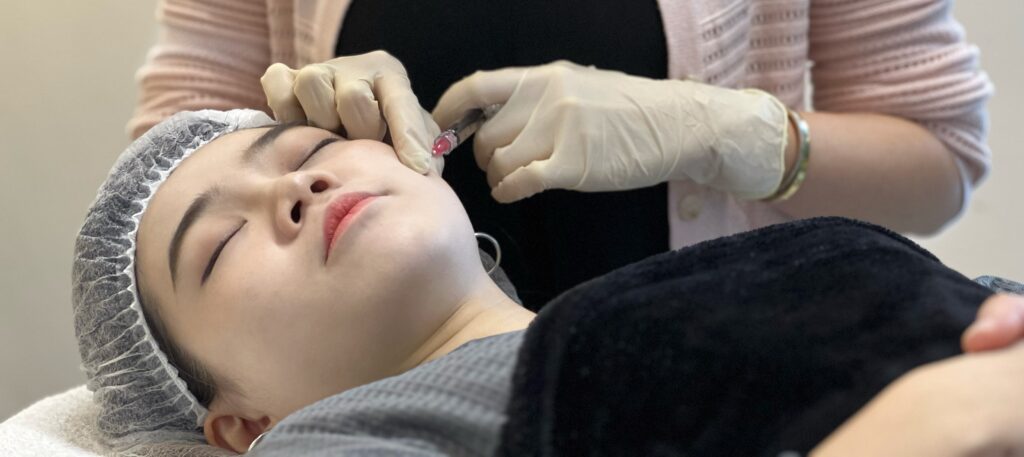
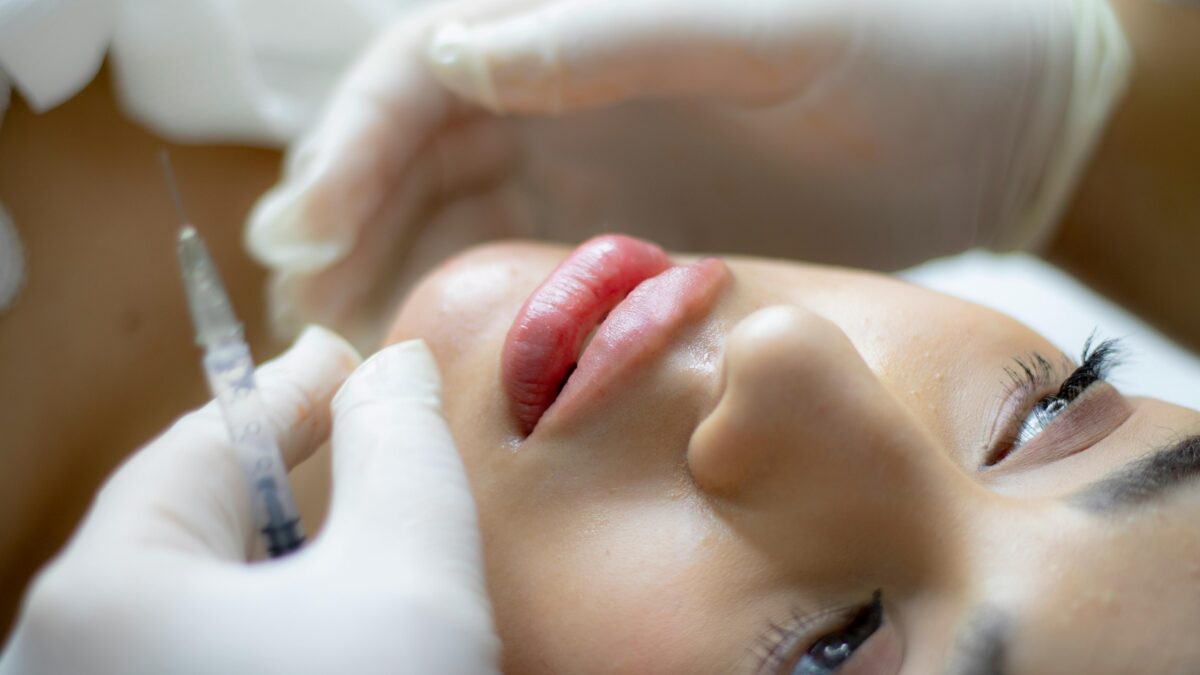
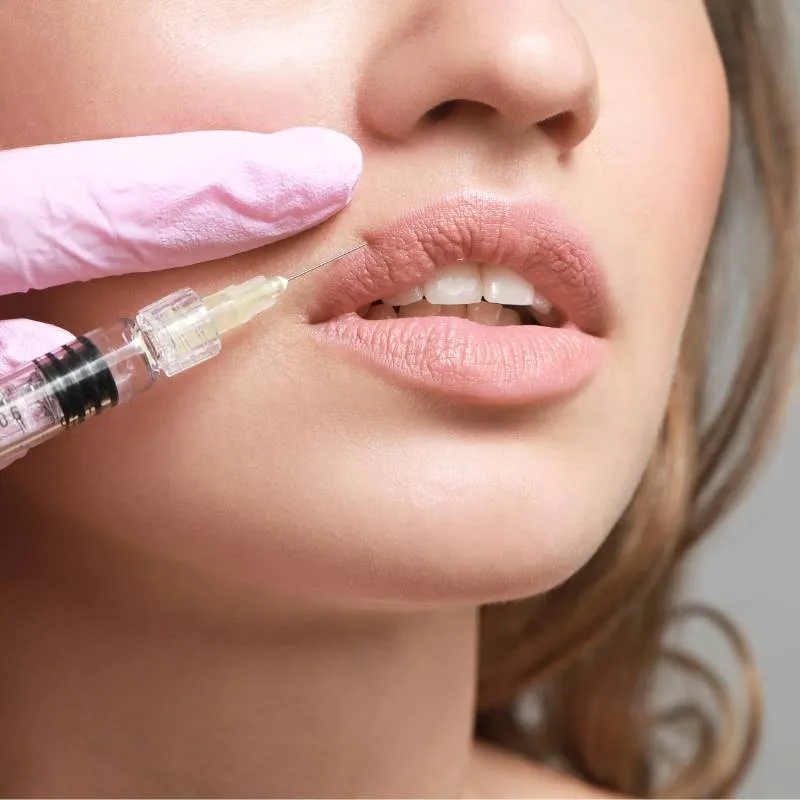
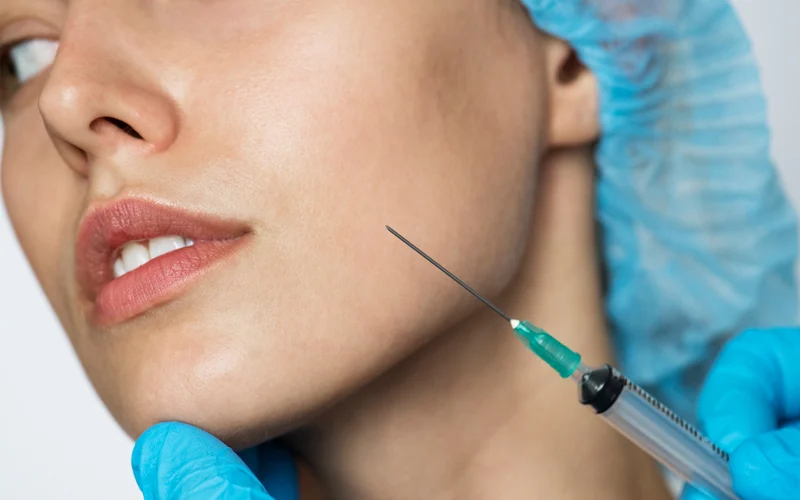
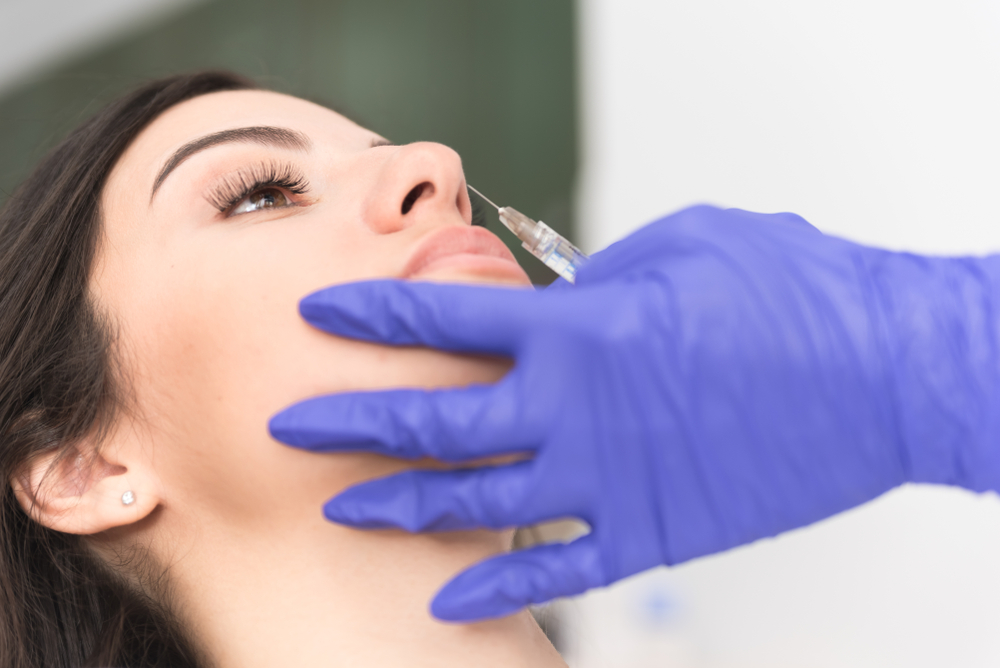
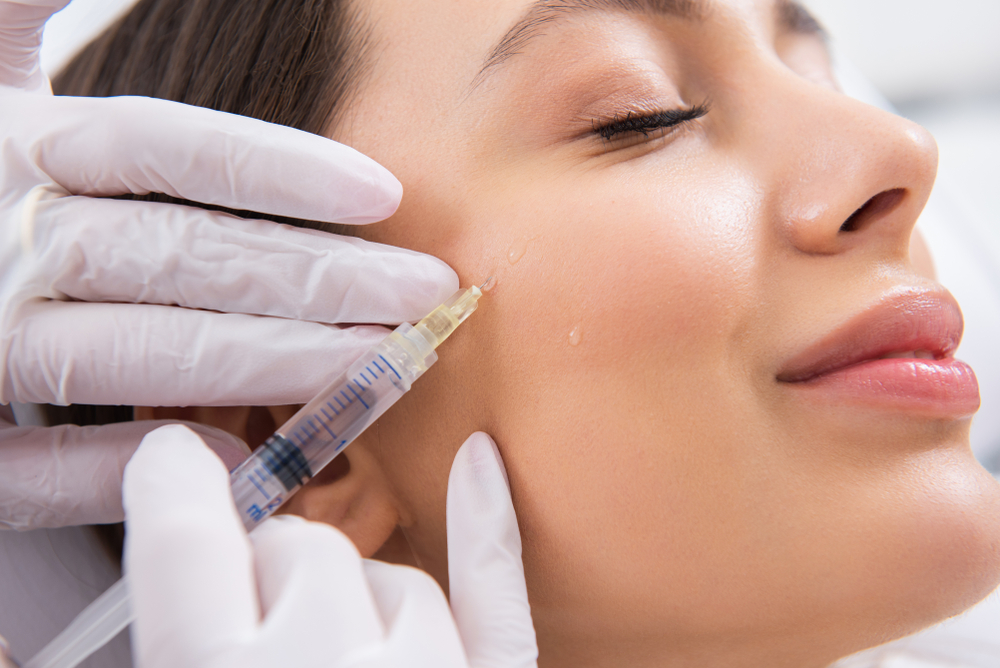
Injecting Profhilo to the face

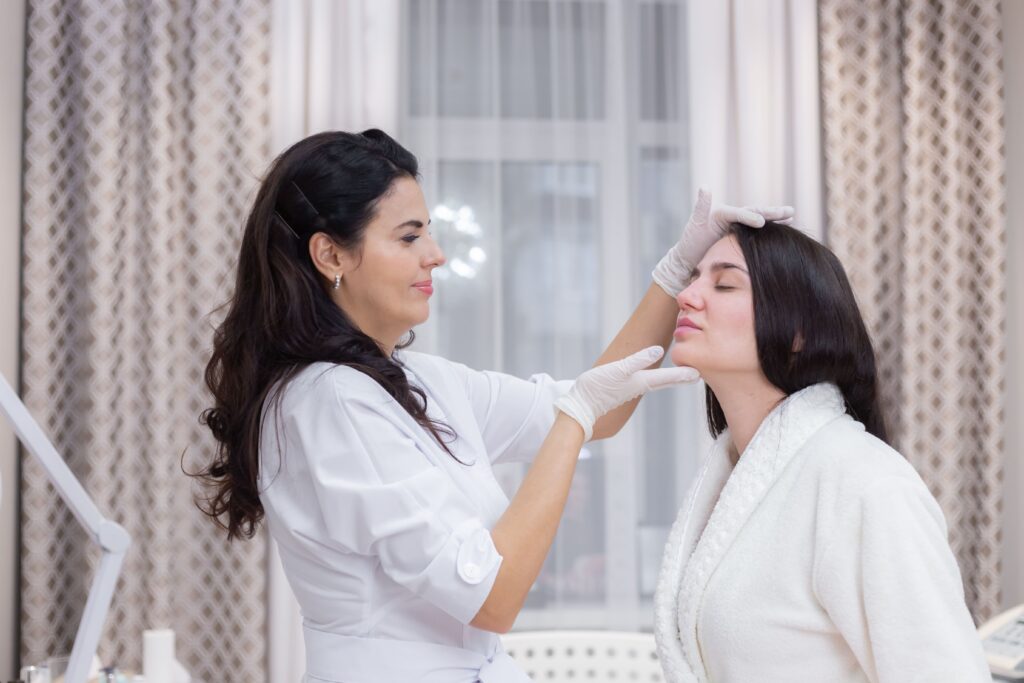
Patients first undergo a consultation with a medical professional, who will assess skin condition and determine whether Bioremodelling Skin Booster is appropriate. The doctor will also explain the procedure and address any questions prior to treatment.

Bioremodelling Skin Booster commonly uses the BAP technique, which involves injections at five specific sites on each side of the face. The procedure typically takes 30 to 60 minutes, depending on the treatment area.

Some mild swelling or redness where the injections went in is common afterwards but goes away within a few hours. Visible results emerge gradually over weeks, with the full effects developing over time and lasting 6–12 months, depending on the location and your skin. Follow-up maintenance treatments may be needed to sustain optimal results.

Aftercare Tips

Proper post-treatment care supports the healing process and helps reduce the risk of side effects.

Aftercare Dos

  • Keep the treated area clean and dry for the first 24 hours.
  • Use mild, non-irritating skincare products if approved by your doctor.
  • Maintain adequate hydration.
  • Apply broad-spectrum sunscreen daily to protect the skin from UV exposure.

Aftercare Don’ts

  • Do not touch, rub, or massage the treated area for at least 12 hours.
  • Avoid applying makeup to the treated area within the first 12 hours.
  • Postpone strenuous exercise or intense physical activity for 24–48 hours.
  • Avoid hot environments such as steam rooms, saunas, or hot baths for 24–48 hours.
  • Do not consume alcohol or anti-inflammatory medication for 24 hours unless approved by your doctor.

Your doctor may provide additional instructions based on your specific skin condition or medical history.

How Often Should You Get Bioremodelling Skin Booster?

To sustain the effects, it may be recommended to repeat Bioremodelling Skin Booster treatments approximately every 6 to 12 months, depending on individual skin condition and clinical response. The number and timing of sessions vary based on patient-specific factors, including the treatment area and the skin’s response over time.

Recommended Treatment Frequency

Treatment Phase Number of Sessions Frequency Purpose
Initial Treatment 2–3 sessions Every 4 weeks Stimulates collagen and elastin production for optimal results.
Maintenance 1 session Every 4–6 months Sustains increased hydration, elasticity, and overall skin improvements.

Risks and Side Effects

Patients may experience temporary effects at the injection site, including swelling, redness, or bruising. These reactions are generally mild and subside within a few days.

Less commonly, individuals may experience delayed swelling, inflammation, or hypersensitivity. Treatment should be administered by a qualified medical professional, and post-treatment guidelines should be followed to help minimise complications.

Any unusual or persistent reactions should be reported to a doctor.

Bio Remodelling Skin Booster Results

Bioremodelling Skin Booster treatments may lead to gradual changes in skin condition over several weeks. Observed outcomes vary and depend on several factors, including baseline skin quality, age, skin type, and individual response to the procedure.

Other Skin Rejuvenation Alternatives

Skin rejuvenation includes a range of treatments that address hydration, texture, and early signs of ageing. Bioremodelling Skin Booster is one of several available options. Other clinically used treatments include:

  • Chemical Peels: Help remove surface skin layers to support smoother texture and even tone.
  • Laser Resurfacing: Targets superficial skin irregularities and may encourage collagen activity.
  • Microdermabrasion: Provides surface exfoliation to support skin clarity and smoothness.
  • Intense Pulsed Light (IPL): Used to address pigmentation and vascular-related skin conditions.
  • Dermal Fillers: Administered to areas with volume loss based on clinical assessment.
  • Microneedling: Uses fine needles to support collagen stimulation and texture refinement.
  • Laser-Based Therapies: May address skin laxity and pigmentation concerns.
  • Platelet-Rich Plasma (PRP) Therapy: Involves injecting components of the patient’s own blood to support skin quality.
Treatment Key Focus Mechanism Best For
Bioremodelling Skin Booster Hydration, elasticity, firmness Stimulates collagen and elastin production Skin laxity, hydration, and subtle ageing
Chemical Peels Exfoliation and skin tone improvement Removes outer skin layers Uneven tone, dull skin
Laser Treatments Resurfacing and collagen stimulation Removes damaged skin and boosts collagen Fine lines, scars, pigmentation
Dermal Fillers Volume and contour enhancement Adds hyaluronic acid-based gel Lost volume, contouring cheeks or lips
Wrinkle Relaxers Dynamic wrinkle reduction Relaxes muscles, causing expression lines Forehead lines, crow’s feet
Microneedling Texture and elasticity improvement Micro-injuries stimulate collagen Fine lines, rough texture

Conclusion

Bioremodelling Skin Booster is a non-surgical procedure that may support improvements in skin hydration and elasticity over time. It works with the skin’s natural processes and may be considered by individuals seeking to address mild signs of skin ageing without altering facial volume or structure.

A medical consultation is essential to determine if this treatment aligns with individual skin needs. Doctors may also advise on treatment intervals and assess whether ongoing sessions are suitable for long-term skin maintenance.
Stretch Marks: Causes, 6 Treatment Options, and Prevention

Stretch marks are a common skin condition characterised by streaks or lines that form when the skin stretches rapidly. They can occur during different life stages, such as pregnancy or puberty. Understanding their causes, available management approaches, and preventive measures can help you care for your skin and minimise their appearance over time.

What Are Stretch Marks?

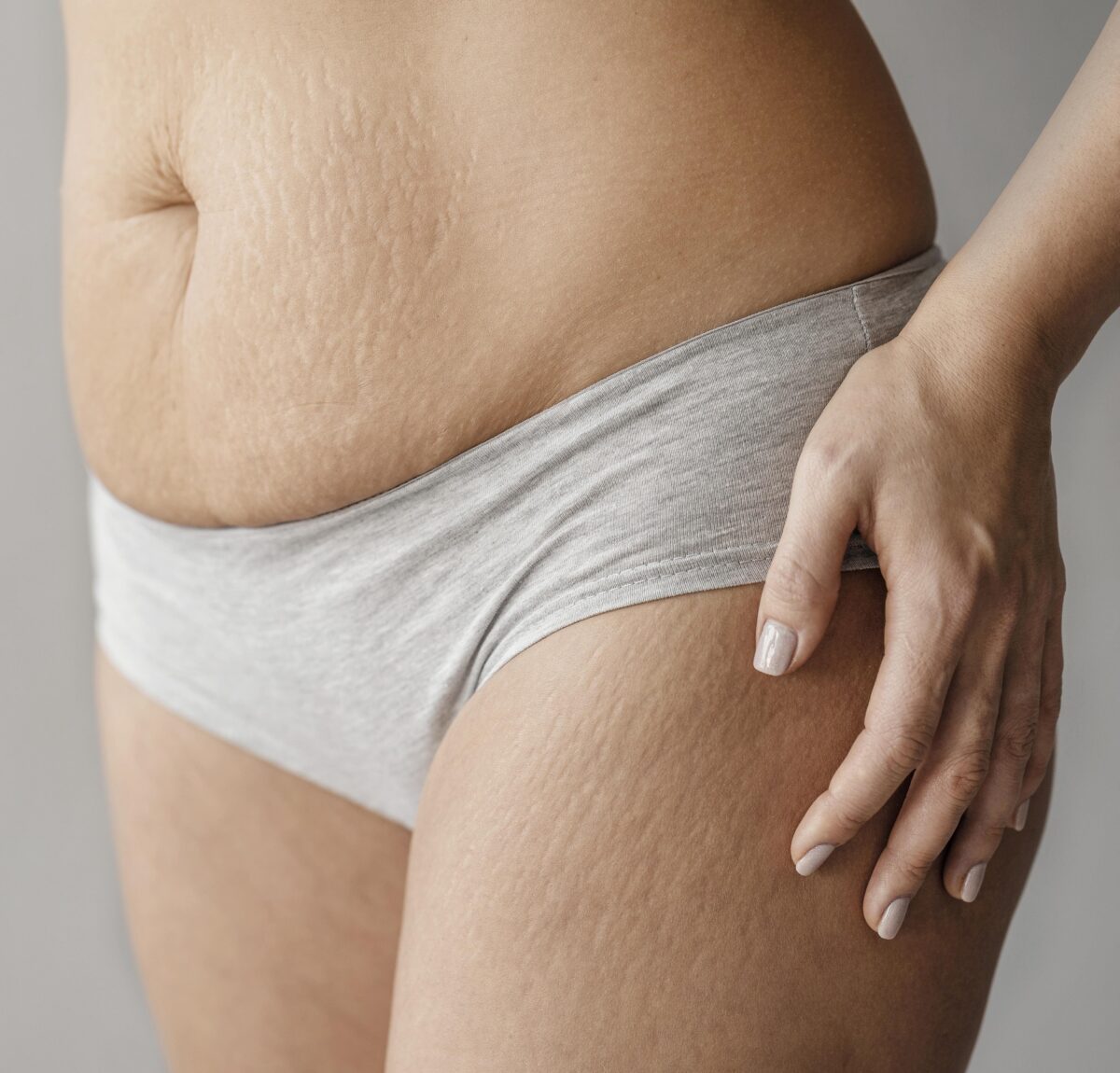
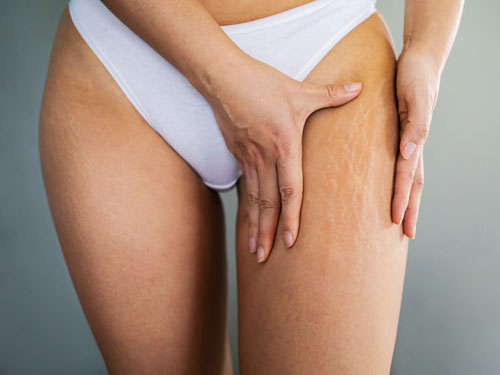
Stretch marks are scars that appear as narrow lines or streaks on the skin due to rapid stretching. This stretching often occurs during periods of growth or change, such as pregnancy or fluctuations in weight. Initially, these marks may appear in shades of red or purple and can gradually lighten over time.

Causes of Stretch Marks

Several factors may contribute to the development of stretch marks. Understanding these can help individuals care for their skin and understand contributing factors.

Rapid Skin Stretching (Pregnancy, Weight Gain, Growth Spurts)

The dermis contains elastin and collagen fibres that provide structure and elasticity to the skin. When the skin stretches rapidly, these fibres may become strained, resulting in visible lines or streaks on the surface. This often occurs during notable life changes, such as:

  • Pregnancy: As the body accommodates a growing fetus, the skin stretches considerably, particularly around the abdomen. This expansion can affect the middle layer of the skin (dermis), where collagen and elastin are found.
  • Weight Gain: Sudden increases in body weight can stretch the skin beyond its normal capacity. This is often observed in individuals who experience fluctuations in weight.
  • Growth Spurts: During puberty, adolescents may experience rapid growth that stretches the skin, which can lead to visible lines as the body changes.

Initially, stretch marks may appear purple or red due to visible blood vessels beneath the skin. Over time, they may gradually lighten in colour.

Hormonal Changes

Hormonal fluctuations can influence how the skin adapts to rapid physical changes, contributing to the development of stretch marks. Key periods when this may occur include:

  • Puberty: Increases in hormones such as oestrogen and testosterone during puberty can stimulate rapid growth and changes in body composition, which may lead to stretch marks.
  • Pregnancy: Hormones such as relaxin and oestrogen rise during pregnancy. Relaxin helps prepare the body for childbirth by softening connective tissues, which may influence how the skin stretches.
  • Hormone Therapies: Treatments involving hormonal changes can affect skin elasticity. For instance, corticosteroids may impact the structure of elastic fibres within the skin.

Genetic Factors

In addition to hormonal influences, genetics also play a role in how the skin responds to stretching. A family history of stretch marks may indicate a greater likelihood of developing them. Genetic predisposition can affect skin elasticity and its overall ability to adapt to changes in body shape.

Treatment Options for Stretch Marks

While stretch marks do not pose any health risks, some individuals explore ways to manage their appearance. Treatments cannot completely remove stretch marks, although they may help reduce their visibility.

Topical Treatments

Topical treatments may be considered as an initial approach for managing stretch marks. These include:

  • Tretinoin Cream: This prescription cream, derived from vitamin A, is used in dermatology for various skin concerns. It is typically applied to newer stretch marks and is not recommended during pregnancy or breastfeeding.
  • Hyaluronic Acid: Hyaluronic acid helps maintain skin hydration and is often included in formulations that support moisture levels in the skin. It may be used on early stretch marks.
  • Cocoa Butter: A commonly used moisturiser, cocoa butter has emollient properties that help keep the skin hydrated. However, scientific evidence regarding its effectiveness in reducing stretch marks is limited.
  • Centella Asiatica: This plant extract is often found in skincare products and is associated with supporting general skin health. It may be included in formulations intended for skin conditioning.
  • Silicone Gel: Commonly used in scar management, silicone gel forms a protective layer on the skin and is sometimes recommended to support skin texture and hydration.
  • Rosehip Oil: Rosehip oil is frequently used as a natural moisturiser rich in fatty acids and vitamins, although limited evidence exists regarding its specific effects on stretch marks.
Treatment Type Key Ingredients Description
Tretinoin Cream Retinoic Acid A prescription cream often used for skin concerns, applied to newer stretch marks. Not recommended during pregnancy or breastfeeding.
Hyaluronic Acid Hyaluronic Acid A common ingredient known for its hydrating properties, frequently included in formulations for maintaining skin moisture.
Cocoa Butter Cocoa Butter A widely used moisturiser known for its emollient properties. Popular for hydration, but with limited scientific evidence specifically for stretch marks.
Centella Asiatica Centella Extract A plant extract often found in skincare products. It is associated with skin health and included in formulations targeting various skin concerns.
Silicone Gel Silicone Commonly used in scar management. Silicone gel creates a protective barrier on the skin and is sometimes recommended for improving texture.
Rosehip Oil Rosehip Oil Rich in fatty acids and vitamins. Rosehip oil is often used as a natural moisturiser and included in skincare routines.

Laser Therapy and Microneedling

Laser therapy and microneedling are options that target deeper layers of the skin to support collagen activity.

  • Laser Therapy: This procedure uses focused light energy to stimulate collagen production in the skin. Different laser types may be selected based on individual skin needs. For example, pulsed dye laser therapy is often used for newer stretch marks to stimulate collagen and elastin activity.
  • Microneedling: This minimally invasive technique involves creating micro-injuries in the skin using fine needles. It activates the body’s natural healing process, which may help refine skin texture and support a more even appearance.

Chemical Peels

Chemical peels involve applying a solution to the skin to remove its outermost layer and promote cell turnover. This may help promote smoother skin and may be considered for older stretch marks where skin elasticity has decreased.

Radiofrequency and Ultrasound Treatments

Radiofrequency treatments use controlled energy to warm deeper layers of the skin, encouraging collagen production and supporting firmness. Similarly, ultrasound technology targets deeper tissues to promote collagen synthesis. These treatments are typically well-tolerated and allow most individuals to resume daily activities soon after.

How to Prevent Stretch Marks

Preventing stretch marks involves adopting strategies that focus on maintaining skin health and managing body changes. While there is no guaranteed method to prevent stretch marks completely, certain practices may help minimise the likelihood of their development.

Skincare Routine

Keeping the skin moisturised and hydrated helps maintain its elasticity and resilience, particularly during puberty, pregnancy, or significant weight changes.

To support skin hydration, consider the following steps in your skincare routine:

  • Choose Appropriate Moisturisers: Select moisturisers that suit your skin type (for example, creams for dry skin or lotions for oily skin) and contain ingredients such as hyaluronic acid, glycerin, or natural oils that support hydration.
  • Apply After Cleansing: Apply moisturiser after cleansing the skin while it is still slightly damp to help retain moisture.
  • Regular Application: Apply moisturiser regularly, ideally after bathing or showering, when the skin may lose moisture.

Diet and Hydration

A balanced diet supports overall skin health and may play a role in reducing the likelihood of stretch marks.

  • Nutrient-rich foods: Incorporating foods rich in vitamins C and E, zinc, and omega-3 fatty acids may support healthy skin function. These nutrients are commonly found in fruits, vegetables, nuts, seeds, and fish.
  • Hydration: Adequate water intake throughout the day supports skin hydration and may contribute to maintaining skin elasticity.

Slow and Gradual Weight Gain

Managing body changes through gradual weight gain or muscle-building may help minimise the risk of developing stretch marks.

  • Controlled Weight Changes: Gradual changes during pregnancy or muscle-building allow the skin time to adjust without excessive stretching. This approach may help reduce the likelihood of rapid skin stretching associated with stretch marks.
  • Healthy Lifestyle Choices: Regular physical activity supports healthy weight management and promotes overall well-being. Improved circulation from exercise may also aid in maintaining skin health.

Complications and Long-term Effects

Once stretch marks form, they may become lasting features on the skin. While their initial appearance can be pronounced, with colours ranging from reddish to purplish, they may gradually lighten over time. This gradual lightening happens as changes occur in the blood vessels beneath the skin, resulting in a lighter tone compared to the surrounding skin. However, this does not mean that stretch marks will disappear entirely.

  • Fading Over Time: As stretch marks mature, they typically transition from darker shades to lighter ones. This process can take several months to years, during which the marks may become less prominent. Despite the change in colour, the texture of the affected skin often remains altered.
  • Texture Changes: Unlike other types of scars that may become raised or smooth out over time, stretch marks often retain a different texture compared to the surrounding skin. They may feel slightly indented or have a rippled surface when touched. This textural difference is a characteristic feature of stretch marks.

When to Seek Professional Help

While stretch marks are common and often viewed as a cosmetic concern, certain situations may warrant professional advice or assessment.  Here are some indicators that may suggest it’s time to consult a doctor:

  • Extensive Coverage: If stretch marks cover a large area of the skin, it may be helpful to discuss your concerns with a healthcare professional.
  • Emotional Distress: If the presence of stretch marks affects your self-esteem or emotional well-being, professional guidance can provide support and management options.
  • Ineffective Home Treatments: If home remedies or over-the-counter products have not led to any change in appearance, a healthcare professional may recommend evidence-based management approaches.
  • Recent Changes: If new stretch marks appear quickly or in unusual patterns, consulting a doctor can help identify any underlying health factors.

Conclusion

Understanding stretch marks is important for managing their appearance and maintaining overall skin health. These marks often develop when the skin stretches rapidly during body changes such as pregnancy, puberty, or significant weight fluctuations. Although stretch marks are common and not medically harmful, several management approaches may help reduce their visibility.

Procedures such as laser therapy, radiofrequency treatment, and topical applications are used to support collagen activity and refine skin texture. In addition, maintaining a balanced diet, staying hydrated, and following a consistent skincare routine may support skin elasticity.

Recognising when to seek professional advice is also important, particularly if stretch marks are extensive or causing emotional strain. By focusing on informed care and preventive habits, individuals can better support their skin health and comfort.

Lip Flip with Anti‑Wrinkle Injections: What Is It, How It Works and Benefits

A lip flip using anti‑wrinkle injections is a non‑surgical cosmetic procedure that may help alter the appearance of the upper lip. By reducing muscle activity around the mouth, this approach may allow the upper lip to appear more prominent without the use of dermal fillers or surgical intervention. It may be considered by individuals exploring non‑surgical options for subtle changes to lip appearance.

What Is a Lip Flip Using Anti‑Wrinkle Injections?

A lip flip procedure involves administering anti‑wrinkle injections into the upper lip area. The treatment targets the orbicularis oris, a muscle responsible for closing and shaping the lips. By relaxing this muscle, the upper lip may roll slightly outward, making more of the lip visible when smiling or at rest.This approach differs from dermal fillers, as it focuses on muscle movement rather than adding volume. In some individuals, this may contribute to a more balanced appearance of the upper lip.

How Does a Lip Flip Using Anti‑Wrinkle Injections Work?

A lip flip using anti‑wrinkle injections involves an active substance that temporarily reduces muscle activity. When administered into specific areas of the orbicularis oris muscle near the upper lip, it reduces nerve signals responsible for muscle contraction. This relaxation may allow the upper lip to roll slightly outward, making more of the lip visible when smiling or at rest.

Traditional lip fillers use substances such as hyaluronic acid to add volume to the lips, while implants may be considered for individuals seeking more noticeable structural changes. A lip flip using anti‑wrinkle injections focuses on altering muscle movement rather than adding volume. It does not increase lip size but may influence how the upper lip appears by subtly adjusting its position.

Potential Effects of a Lip Flip Using Anti‑Wrinkle Injections

A lip flip using anti‑wrinkle injections may be considered by individuals seeking subtle changes to upper lip appearance. This is a non‑surgical procedure with a short recovery period. Below are some potential effects associated with this approach:

Appearance of a More Prominent Upper Lip

A lip flip involves relaxing specific muscles of the upper lip. This subtle change may allow more of the upper lip to be visible, which can influence the overall lip appearance in some individuals.

Non-Surgical Procedure with Minimal Downtime

Unlike surgical lip augmentation, a lip flip using anti‑wrinkle injections does not require incisions. The procedure typically takes around 10–15 minutes. Many individuals are able to resume daily activities within 12 to 48 hours, depending on their response.

Subtle Changes in Lip Appearance

This approach focuses on maintaining the natural shape of the lips while introducing minor adjustments. It may be suitable for individuals who prefer a more understated change rather than a noticeable increase in lip volume.

Temporary and Adjustable Effects

The effects of a lip flip are temporary and typically last between two to five months. This allows adjustments to be made during future sessions based on individual response and preferences.

Who May Be Suitable for a Lip Flip Using Anti-Wrinkle Injections?

A lip flip using anti-wrinkle injections may be considered by individuals seeking subtle changes in the upper lip without undergoing surgical procedures. This approach is generally suitable for those looking for temporary and understated aesthetic adjustments. Potential candidates may include:

  • Individuals with a thinner upper lip who are exploring options that may improve lip visibility without increasing volume. The treatment may subtly influence the shape of the upper lip.
  • Those who prefer a non-surgical approach instead of dermal fillers. This may be considered by individuals who prefer treatments with a short recovery period.
  • Adults with realistic expectations, who understand that the procedure may result in a subtle change, rather than a dramatic alteration in lip volume or structure.

Who Should Avoid a Lip Flip Using Anti‑Wrinkle Injections?

While a lip flip using anti‑wrinkle injections may be suitable for some individuals, it may not be appropriate for everyone. Individual suitability should be carefully assessed. Those who may be advised to avoid this procedure include:

  • Pregnant or breastfeeding individuals. Anti‑wrinkle injections are generally avoided during pregnancy or breastfeeding due to limited safety data.
  • People with certain medical conditions. Those with neuromuscular disorders (e.g., myasthenia gravis) or known allergies to components used in anti‑wrinkle injections may not be suitable for this treatment.
  • Individuals seeking noticeable lip volume changes: A lip flip does not add volume. For those seeking a more pronounced change, other treatment options such as dermal fillers may be discussed during consultation.

What to Expect During a Lip Flip Using Anti-Wrinkle Injections

A lip flip using anti-wrinkle injections is a short, non-surgical procedure. Here’s a step-by-step overview of what to expect:

  1. Consultation
    • Your doctor or aesthetic practitioner will assess your lips, discuss your concerns, and determine whether this approach is suitable for you based on clinical evaluation.
  2. Preparation
    • The treatment area will be thoroughly cleaned, and a numbing cream may be applied to help minimise potential discomfort.
  3. injection
    • Small amounts of anti-wrinkle product are injected into specific points of the orbicularis oris muscle near the upper lip. This part of the procedure usually takes under 10 minutes.
  4. Aftercare instructions
    • To support proper treatment outcomes, you may be advised to avoid touching the area, lying flat, or engaging in strenuous activities for a few hours after the procedure.
  5. Resume Normal Activities.
    • Many individuals are able to resume regular routines shortly after treatment, depending on individual response and practitioner guidance.

FAQ

Are Lip Flips Using Anti-Wrinkle Injections Safe?

A lip flip using anti-wrinkle injections may be well-tolerated when administered by a qualified medical practitioner. The procedure involves small amounts of a muscle-relaxing agent. Some individuals may experience mild swelling or bruising at the injection site, which typically resolves within a few days.

Does a Lip Flip Hurt?

The lip flip procedure involves a few small injections near the upper lip. While the treatment may cause slight discomfort, it is usually brief. If you’re concerned about pain, you can request a numbing cream to be applied before the procedure.

How Soon Will I See the Effects of a Lip Flip?

Some individuals may begin noticing changes within 3–5 days after treatment. The full effect may be seen around 7–10 days after the procedure and can last approximately 2 to 3 months, depending on factors such as metabolism and lifestyle.

How Long Do the Effects of a Lip Flip Using Anti‑Wrinkle Injections Last?

The effects of a lip flip using anti‑wrinkle injections typically last between 8 to 12 weeks. Duration may vary depending on individual factors such as metabolism and muscle activity. In some individuals, faster metabolic rates may result in the product being broken down more quickly. The amount administered may also influence how long the effects are observed, with smaller quantities generally wearing off sooner.

Cost of a Lip Flip Using Anti‑Wrinkle Injections

Fees for a lip flip procedure vary depending on the number of anti‑wrinkle injection units required. In many cases, treatment involves approximately 4 to 6 units, with pricing determined on a per‑unit basis. Overall costs may differ based on clinic pricing structures, practitioner assessment, and location. A consultation is necessary to determine suitability and provide an accurate fee estimate.

Risks and Side Effects

A lip flip using anti-wrinkle injections may be well-tolerated when administered by a qualified medical practitioner. However, as with any medical procedure, potential side effects may occur. These can include temporary swelling, redness or bruising, asymmetry, or mild difficulty in lip movement.

Aftercare for a Botox Lip Flip

To support recovery and reduce the likelihood of side effects, you may be advised to follow these aftercare guidelines:

  1. Avoid touching or massaging the treated area for at least 24 hours, as this may affect product placement.
  2. Remain upright for 4 to 6 hours after treatment to support even distribution of the product.
  3. Avoid vigorous exercise for at least 24 hours, as increased circulation may influence how the product settles.
  4. Limit excessive heat exposure, including saunas, hot tubs, and strong sun, for a few days to help minimise swelling or irritation.
  5. Be patient – changes may begin to appear within 3 to 5 days, with the full effect typically noticeable around 7 to 10 days.

Following these aftercare steps may support optimal recovery and help maintain treatment outcomes.

Alternatives to the Lip Flip Using Anti-Wrinkle Injections

There are several treatment alternatives that may be considered, each with varying approaches and durations.

Lip Fillers

Dermal fillers made with hyaluronic acid, poly-l-lactic acid, and other types of ingredients are  alternatives to a lip flip using anti-wrinkle injections. They may add volume and be used to address certain concerns such as lip asymmetry. Depending on the type of filler used, the effects may last between 6 to 12 months, which can be longer than the effects of a lip flip using anti-wrinkle injections.

Difference Between Botox Lip Flip and Lip Fillers

  • Lip flip: This approach may affect how the upper lip appears by slightly turning it outward. It may be considered by individuals who prefer non-volume-based options.
  • Lip fillers:These can add volume and definition to the lips and may be suitable for individuals seeking more noticeable changes.

Lip Augmentation Surgery

This surgical option involves procedures such as lip implants or fat transfer, which are intended to alter the size and shape of the lips on a more permanent basis. While the effects may be long-lasting, this method usually involves longer recovery periods and higher costs. It may be considered by individuals seeking a permanent change and who are comfortable with more invasive procedures.

Lip-Plumping Products

Some over-the-counter products such as lip glosses or balms contain ingredients like menthol or cinnamon, which may create a temporary plumping effect. These products are non-invasive and can be used at home, though the effects are short-lived and require frequent application. They may be suitable for individuals exploring short-term cosmetic options.

Conclusion

A lip flip using anti-wrinkle injections is a non-surgical procedure that may help to subtly change the appearance of the upper lip. The procedure is typically quick and does not require a recovery period. Effects may last around 6 to 8 weeks, depending on individual response. This approach may be considered by individuals who prefer a non-surgical option.

For personalised guidance and to determine suitability, consult a licensed medical practitioner who can assess your needs and recommend an appropriate treatment plan.

Droopy Eyelid (Ptosis): What is it, Causes, & 7 Treatment Options

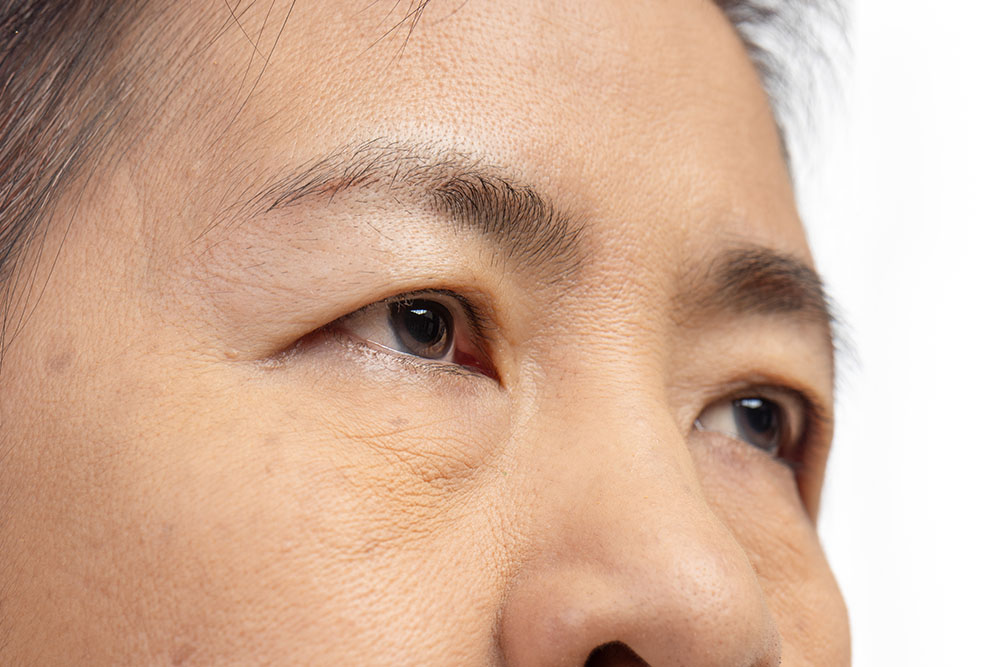
Droopy eyelids, known as ptosis, refer to the sagging or lowering of the upper eyelid. This condition can affect one or both eyes and may influence both vision and facial appearance. Ptosis can develop due to various factors, including ageing, genetic predisposition, or underlying medical conditions.

Understanding the causes and management options for droopy eyelids can help individuals recognise when professional evaluation may be beneficial. This article discusses common contributing factors and available approaches for managing ptosis.

What is a Droopy Eyelid?

Droopy eyelids occur when the upper eyelid sags over the eye. This condition may affect one eye (unilateral ptosis) or both eyes (bilateral ptosis). Ptosis may be present at birth (congenital ptosis) or develop later in life due to various factors.

The extent of drooping can range from mild to severe and, in some cases, may partially obstruct vision depending on how much of the pupil is covered. In addition to affecting vision, ptosis may also influence the overall appearance of the eyes.

How Common Are Droopy Eyelids?

Ptosis can occur at any age, but is more frequently observed in adults due to age-related stretching of the levator muscle, which lifts the eyelid. As the muscle weakens with time, the eyelid may begin to droop.

Infants may also be born with ptosis, although this is uncommon. In some children, the condition can contribute to amblyopia (lazy eye), which may affect visual development.

Why Understanding Droopy Eyelids Matters?

Understanding ptosis is important because of its impact on both vision and eyelid function. In more pronounced cases, the drooping eyelid may limit the field of vision, occasionally leading individuals to tilt their heads back or raise their eyebrows to see more clearly. This can cause tension in the neck and forehead muscles.

Chronic eyelid drooping may also contribute to dryness or irritation, as the eyelids play a key role in protecting and lubricating the eyes during blinking. From an aesthetic standpoint, ptosis may alter facial expression, sometimes creating a tired appearance even when the individual feels well rested.

Causes of Droopy Eyelids

Droopy eyelids can result from various factors that affect the muscles, nerves, or skin surrounding the eyes. Common causes include:

  • Ageing: With age, the skin gradually loses elasticity, and the muscles responsible for lifting the eyelids may weaken, leading to drooping.
  • Congenital Factors: Some individuals are born with ptosis due to underdevelopment of the levator muscle, which helps raise the eyelid.
  • Nerve Damage: Conditions such as Bell’s palsy or other neurological disorders can affect the nerves that control eyelid movement.
  • Muscle Weakness: Neuromuscular conditions like myasthenia gravis may cause weakness in the eyelid muscles, resulting in drooping.
  • Trauma: Injury to the eye area can damage the muscles or nerves that lift the eyelid.
  • Excess Skin (Dermatochalasis): Excess upper eyelid skin can contribute to a drooping appearance. Although commonly linked with ageing, it may also occur in younger individuals due to genetic or medical factors.
  • Medical Conditions: Certain conditions, including Horner’s syndrome, diabetes, or growths near the eye, may also lead to ptosis.

Treatment Options for Droopy Eyelids

For individuals diagnosed with droopy eyelids, several management options may be considered to address both visual obstruction and eyelid structure.

1. Upper-Lid Blepharoplasty

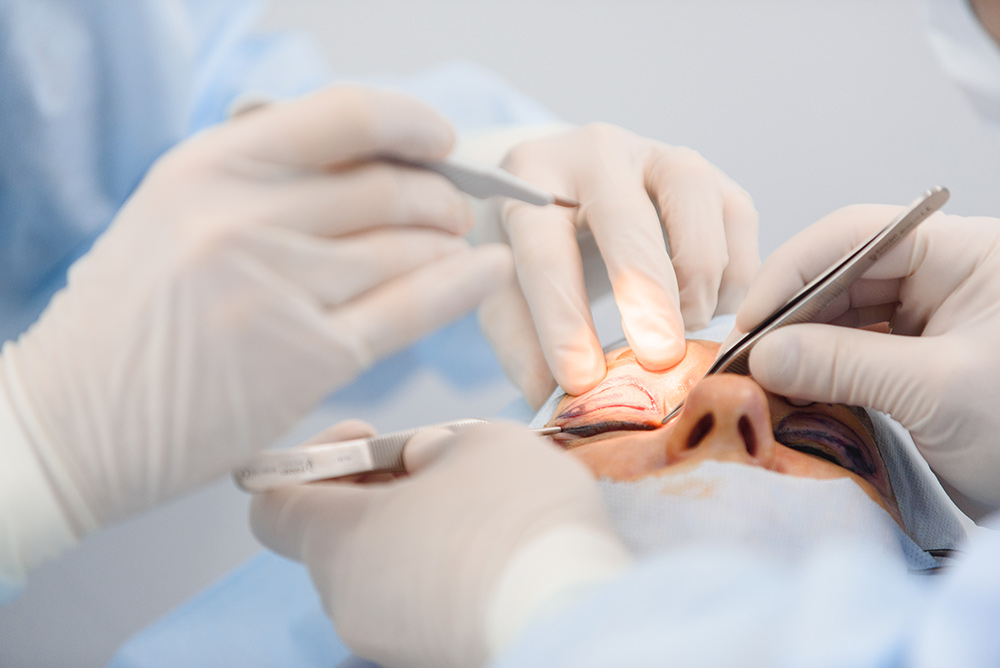
Upper-lid blepharoplasty is a surgical procedure that removes or repositions excess skin, fat, or muscle from the upper eyelid. The incision is usually made along the natural eyelid crease to allow discreet placement of the surgical line. This approach can help reduce obstruction in the upper field of vision caused by sagging tissue.

In some cases, this procedure may be performed together with other eyelid or brow techniques, depending on individual anatomical and clinical considerations.

2. Ptosis Surgery

Ptosis surgery aims to correct the drooping by adjusting the muscles that lift the eyelid. There are two primary approaches: the external approach, where an incision is made on the eyelid to access and reposition the levator muscle, and the internal approach, where the eyelid is turned inside out to shorten the muscle from within.

The selection of technique depends on the degree of eyelid drooping and the strength of the levator muscle. This procedure is performed to enhance eyelid function and address vision obstruction related to ptosis.

3. Frontalis Sling Procedure

The frontalis sling procedure may be considered for individuals with limited eyelid muscle function, often related to congenital ptosis or certain neurological conditions. During this surgery, a thin silicone rod connects the upper eyelid to the frontalis muscle in the forehead. This allows the forehead muscle to assist in lifting the eyelid, improving eyelid movement.

4. Anti-Wrinkle Injections

Anti-wrinkle injections are administered to targeted areas around the brow to relax specific muscles. This relaxation may help reduce the appearance of heaviness around the eyelid area.

As a non-surgical approach, the effects are temporary and may require periodic maintenance, depending on individual response and treatment plan.

5. Dermal Fillers

Dermal fillers may be used to add temporary volume in the upper eyelid region. These fillers often contain hyaluronic acid, a substance found naturally in the body that helps maintain hydration and support tissue structure. This approach may help improve contour around the upper eyelid area. The effects are temporary and may require periodic maintenance depending on individual response.

6. Prescription Eye Drops

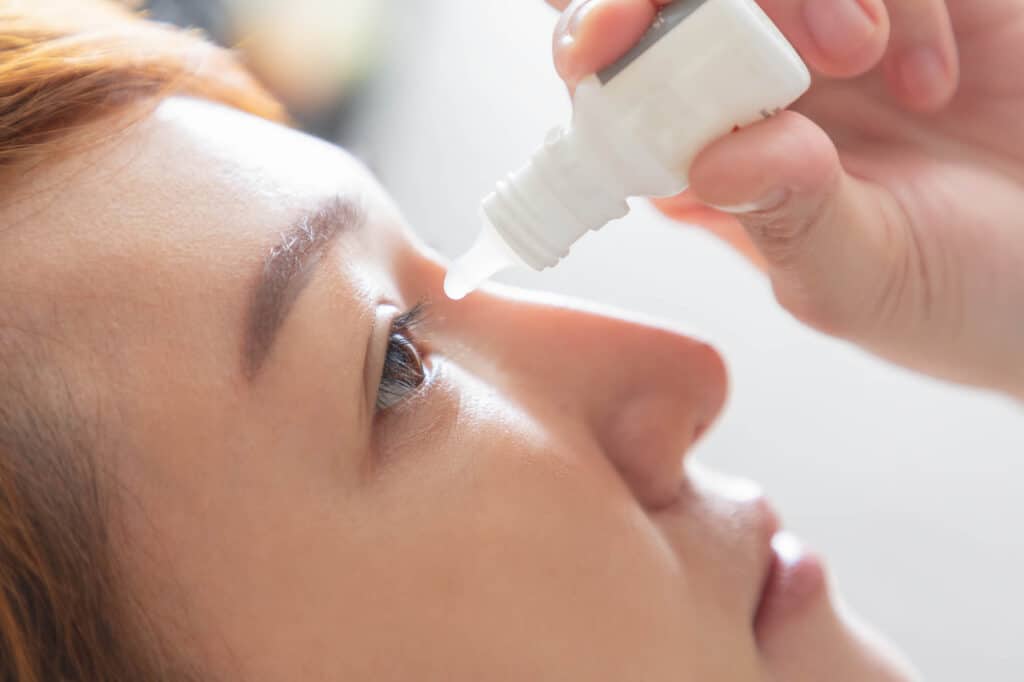
Closeup view of young asian woman applying eye drop. artificial tears.

Prescription eye drops formulated to stimulate muscle contraction in the upper eyelid can help improve eyelid position in mild cases of ptosis. This non-surgical option provides temporary effects and may be prescribed based on medical evaluation and suitability.

7. Ptosis Crutch Glasses

Ptosis crutch glasses are non-surgical supportive devices designed to hold up the upper eyelid mechanically. These glasses include a small support bar or mechanism that helps lift the eyelid to keep it from obstructing vision. They may be considered a practical option for individuals who prefer or require non-surgical management of ptosis.

When to Seek Medical Attention

If you are experiencing droopy eyelids, it is important to be aware of specific signs that may require professional evaluation. These signs include:

  1. Significant Vision Impairment: If you notice that your drooping eyelids are obstructing your field of vision, particularly peripheral vision, it may be time to seek medical advice.
  2. Difficulty Performing Daily Activities: Struggling with tasks such as reading, driving, or using a computer due to eyelid droopiness can indicate the need for evaluation.
  3. Frequent Head Tilting or Eyebrow Raising: If you find yourself raising your eyebrows frequently or tilting your head back to see better, this could signal that your eyelids are affecting your vision.
  4. Pain or Discomfort: Experiencing pain, discomfort, or fatigue around the eyes and forehead due to the effort of keeping the eyelids elevated may warrant a consultation.
  5. Changes in Eye Appearance: A professional should assess noticeable changes in the appearance of your eyes, such as increased puffiness or asymmetry between the eyelids.
  6. Accompanying Symptoms: If droopy eyelids are accompanied by other concerning symptoms such as headaches, dry eyes, or eye irritation, it is advisable to seek medical attention.
  7. Recent Trauma: If you have experienced an injury to the eye area that has resulted in drooping, prompt evaluation is important to rule out any serious underlying issues.

Conclusion

A droopy eyelid, or ptosis, may develop due to factors such as ageing, medical conditions, or genetic influences. Management of this condition often involves addressing both functional and aesthetic aspects, as ptosis can affect eyelid movement and visual field.

Treatment options include surgical approaches such as upper-lid blepharoplasty and ptosis repair, as well as non-surgical methods like anti-wrinkle injections, dermal fillers, or prescription eye drops. For individuals who prefer non-invasive management, ptosis crutch glasses can serve as supportive devices that help lift the eyelid mechanically.

Awareness of symptoms that require professional evaluation can assist in timely assessment and appropriate management. Understanding available medical options enables individuals to make informed decisions regarding the care of their eyelids and vision.

Square Jaw: Causes, 4 Treatment Options, and Prevention

A square jaw is defined by its broad and angular appearance, giving the face a more defined structure. While this feature reflects natural bone shape and muscle development, some individuals may wish to modify or balance their jawline appearance.

This article discusses the causes of a square jaw, explores treatment options for individuals considering adjustments to jawline shape or proportion, and outlines preventive measures that support facial balance and skin health.

What Is a Square Jaw?

A square jaw generally refers to a jawline with sharp angles and prominent jaw muscles, creating a broad and defined facial structure. This characteristic gives the lower face a wider and more structured appearance, which is influenced by bone and muscle shape. However, some individuals may prefer a softer or more oval facial shape.

Causes of a Square Jaw

A square jaw can develop due to several factors, including genetics, muscle development, and the natural ageing process.

Genetic Factors

Genetics influence the shape and structure of the jawline. Some inherited traits associated with a square jaw include:

  • Wider Mandible: A naturally broader lower jaw contributes to a square jawline.
  • Facial Structure: A family history of angular facial features may indicate a genetic predisposition to a square jawline.

Jaw Muscle Development (Masseter Hypertrophy)

Overdeveloped masseter muscles can contribute to the appearance of a square jaw. This condition, known as masseter hypertrophy, may occur due to:

  • Excessive Chewing: Frequent chewing of tough foods or gum can lead to muscle enlargement.
  • Bruxism (Teeth Grinding): Clenching or grinding teeth, often related to stress or sleep disturbances, places continuous strain on the masseter muscles, causing them to enlarge and make the lower face appear broader.

Ageing and Bone Structure

As people age, physiological changes occur in the body, including alterations in bone density that can influence the appearance of the jawline. Like other skeletal structures, the jaw may undergo changes due to the ageing process, which can make it appear more prominent over time.

Treatment Options for a Square Jaw

For individuals seeking square jaw reduction, various treatment options are available depending on personal preferences and desired outcomes.

Non-surgical Options (Anti-Wrinkle Injections for Jaw Slimming)

botox treatment for jaw slimming

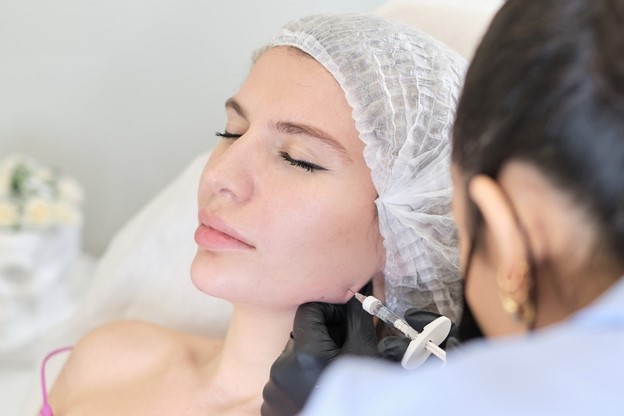
One non-surgical treatment for a square jaw involves the use of anti-wrinkle injections in the masseter muscles responsible for chewing. This jaw reduction treatment relaxes the muscles and may help reduce the width of the lower face.

Visible changes may develop gradually as the treated muscles respond. The duration of effect varies between individuals, and follow-up treatments may be recommended based on clinical assessment.

Surgical Options (Jaw Reduction Surgery)

For individuals considering longer-term structural changes, jaw surgery, also known as mandibular angle reduction, may be an option. This procedure involves reshaping or removing specific areas of the jawbone to alter its shape and reduce width.

Recovery can take several weeks, during which swelling or discomfort may occur. As with any surgical procedure, there are potential risks, including infection, scarring, and temporary changes in sensation around the jaw area.

Dermal Fillers and Fat Grafting for Jaw Contouring

In addition to anti-wrinkle injections and surgical options, dermal fillers and fat grafting may be used to adjust or refine the jawline’s proportions.

  • Dermal Fillers: These injectable treatments can restore volume in specific areas along the jawline and support overall facial balance. Fillers are placed in selected areas to adjust contour while maintaining natural facial proportions.
  • Fat Grafting: This procedure involves harvesting fat from another part of the body, such as the abdomen, and injecting it into areas of the jawline where additional volume is desired. This method redistributes the patient’s own fat to support facial volume and shape.

How to Prevent a Square Jaw

Preventing the overdevelopment of a square jaw, particularly in individuals prone to jaw hypertrophy or teeth grinding, involves adopting specific lifestyle strategies. By focusing on habits that minimise overuse of the masseter muscles, individuals can help reduce strain and support overall muscle balance.

Reduce Chewing Habits

One helpful approach is to avoid excessive chewing. Frequent chewing of gum or tough foods can lead to overworking the jaw muscles, which may contribute to muscle enlargement.

  • Limit Chewing Gum: While chewing gum can be enjoyable, excessive use may strain the masseter muscles. Consider reducing your intake or choosing softer foods that require less chewing.
  • Avoid Tough Foods: Avoiding hard or chewy foods that require significant effort may help ease strain on the jaw muscles and promote relaxation.

Managing Bruxism (Teeth Grinding)

For individuals who experience bruxism, managing this condition helps reduce strain on the jaw muscles and may prevent further muscle enlargement. The following approaches may be helpful:

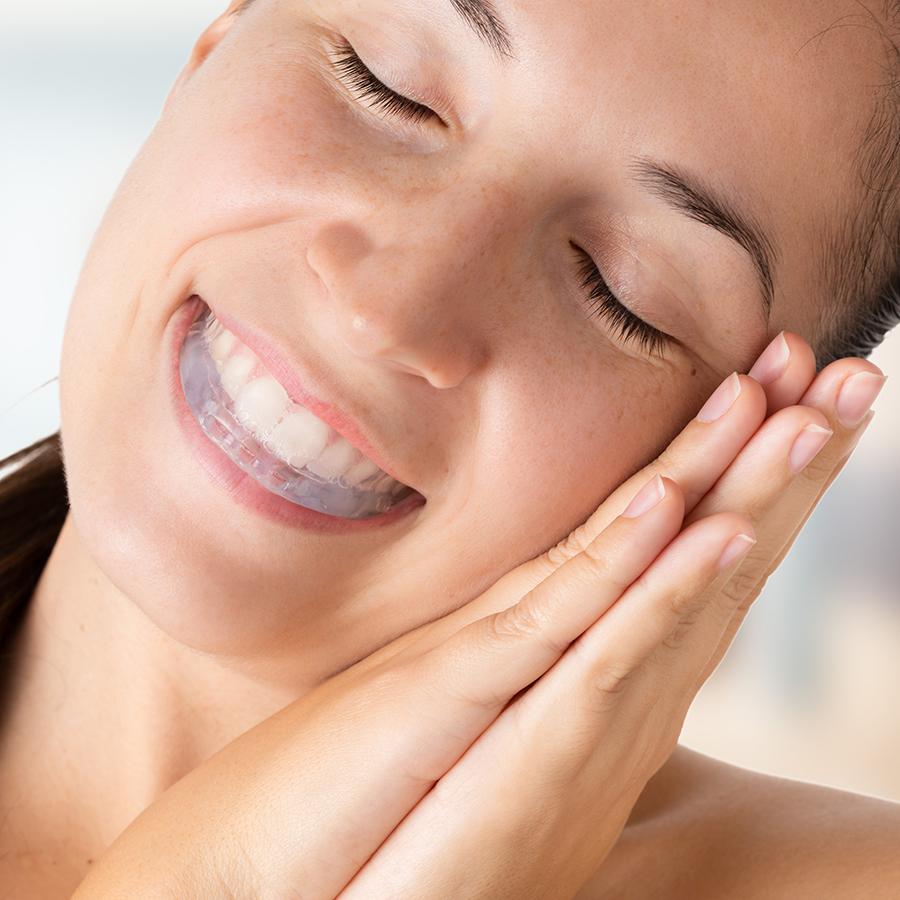
  • Use Nightguards: A nightguard is a dental device worn during sleep to protect the teeth from grinding. This device reduces strain on the masseter muscles by cushioning the contact between the upper and lower jaws.
  • Stress-Relief Techniques: Incorporating relaxation practices such as mindfulness, yoga, or deep breathing exercises may help reduce stress levels and the tendency to grind teeth.

Jaw Muscle Relaxation Techniques

Including jaw relaxation exercises and massage techniques may help relax the masseter muscles and reduce tension.

  • Jaw Exercises: Gentle opening and closing movements of the mouth can stretch and relax the jaw muscles, which may help relieve tension.
  • Facial Massage: Using gentle circular motions around the jawline may help ease tightness and promote relaxation.

Complications and Long-term Effects

Untreated square jaw conditions, especially those related to bruxism or masseter muscle hypertrophy, can lead to various long-term effects:

  1. Jaw Pain and Discomfort: Individuals with a square jaw associated with bruxism may experience chronic jaw pain, headaches, and discomfort due to the constant strain on the masseter muscles.
  2. Dental Issues: The excessive pressure from teeth grinding may potentially lead to dental problems such as worn-down teeth, increased sensitivity, and potential tooth fractures. These issues may necessitate further dental interventions.
  3. Muscle Hypertrophy: Over time, the continuous use of the masseter muscles can lead to pronounced hypertrophy, making the square jaw appearance more prominent. This change may become more noticeable as facial fat diminishes with age.

When to Seek Professional Help

If you have concerns about your square jaw, it may be helpful to seek professional advice. The following indicators may suggest that you wish to consult a doctor:

  • Persistent Jaw Pain: If you frequently experience pain or discomfort in your jaw, particularly related to chewing or clenching.
  • Frequent Headaches: Regular headaches associated with jaw tension or grinding may indicate an underlying issue that requires evaluation.
  • Teeth Grinding (Bruxism): If you suspect you have bruxism, especially during sleep, consulting a professional may help identify contributing factors and reduce further strain on the jaw muscles.
  • Changes in Jaw Appearance: If you notice a change in the shape or size of your jawline that concerns you, it may be helpful to discuss your concerns with a qualified healthcare professional.
  • Difficulty in Jaw Movement: If you experience restricted movement or clicking sounds when opening or closing your mouth, it may be helpful to consult a healthcare provider for assessment.

Conclusion

A square jaw may relate to both aesthetic preferences and functional considerations, often influenced by genetic predisposition, bruxism, or masseter muscle hypertrophy.

Various management approaches may be considered, ranging from non-surgical to surgical options. Incorporating lifestyle adjustments and relaxation techniques may help minimise muscle strain and support jaw relaxation.

Individuals experiencing discomfort or changes in jaw appearance may wish to seek professional advice to explore management options. A healthcare professional can provide guidance on managing the condition and maintaining both function and comfort..

Jowls: Causes, 3 Treatment Options, and Prevention

Jowls are a common sign of ageing, characterised by sagging skin along the jawline that can affect the appearance of your facial profile. As we age, the skin loses elasticity and collagen, leading to this change in contour.

Several factors contribute to the development of jowls, including natural ageing, lifestyle habits, and genetic predisposition. Understanding these causes helps identify appropriate treatment options and preventive measures.

This article explains the factors that contribute to jowls, outlines both non-invasive and surgical treatment options, and discusses lifestyle habits that support skin health and jawline definition.

What Are Jowls?

Jowls refer to sagging skin that develops below the jawline. They often appear as excess skin and fat accumulating along the lower part of the face, which can change the contour of the chin and jawline.

Causes of Jowls

Several factors can contribute to how pronounced jowls become, affecting the overall appearance of the face. These include ageing and loss of skin elasticity, lifestyle influences, and genetics.

Ageing and Loss of Skin Elasticity

Skin laxity, which is part of the natural ageing process, can lead to sagging along the jawline. Collagen, the protein responsible for the skin’s structure and firmness, begins to decline around the mid-20s, decreasing by approximately 1–2% each year. This reduction becomes more evident in the 30s and 40s and may accelerate during menopause, when women can experience a greater drop in collagen levels.

As collagen production decreases, skin elasticity — the ability of the skin to stretch and return to its original shape — also diminishes. This loss of elasticity leads to the formation of jowls and wrinkles along the jawline.

Loss of facial fat and age-related muscle weakening can further contribute to sagging along the jawline.

Lifestyle Factors

External factors can accelerate the development of jowls by reducing skin elasticity and affecting overall skin health. Three major lifestyle factors that contribute to this process include sun exposure, smoking, and significant weight changes.

Sun Damage

Prolonged sun exposure can cause skin damage, as UV radiation breaks down collagen and elastin fibres. This process leads to early signs of ageing, such as wrinkles and skin laxity, particularly along the jawline. Over time, cumulative sun exposure can increase the visibility of jowls.

Smoking

Smoking contains harmful chemicals that induce the production of metalloproteinases (MMPs), enzymes which break down collagen in the skin. Its impact on the skin includes:

  • Reduced Blood Flow: Smoking constricts blood vessels, limiting the skin’s supply of nutrients and oxygen supply to the skin, which is vital for maintaining its health and resilience.
  • Increased Wrinkling: Smokers often develop deeper wrinkles around the mouth and eyes due to repeated facial movements (like puckering) when smoking.
  • Skin Appearance: The skin of smokers often appears dull and greyish, contributing to an overall aged appearance.

Significant Weight Fluctuations

Frequent weight changes can also lead to jowls. When a person loses a significant amount of weight, the skin may not retract fully, resulting in sagging. Conversely, rapid weight gain can stretch the skin, which may also lead to loss of elasticity over time.

Genetic Factors

Genetic factors can influence the likelihood and extent of developing jowls as we age. While everyone experiences some degree of skin sagging, certain genetic predispositions may cause jowls to appear earlier or more prominently in some individuals.

  • Collagen and Elastin Levels: Genetics determine natural collagen and elastin levels in the skin. People with a genetic tendency for higher collagen production may have firmer skin, which may reduce the visibility of jowls. Conversely, those with naturally lower levels of these proteins may experience greater skin laxity along the jawline.
  • Facial Fat Distribution: Genetics also influence how facial fat is distributed. Individuals with more fat in the mid-face area may have a fuller facial appearance that helps counteract sagging, while those with less mid-face fat may experience greater skin sagging along the jawline over time.
  • Family History: Observing family members can provide insight into one’s ageing patterns. If parents or grandparents developed jowls earlier in life, you may experience similar changes as you age.

Treatment Options for Jowls

Various treatment options may help manage sagging along the jawline, ranging from non-surgical methods to surgical procedures.

Non-Surgical Options

Non-surgical treatments are suitable for individuals who prefer less invasive approaches to support skin tightening and collagen stimulation.

  • Ultrasound (Ultherapy): This ultrasound-based technique delivers focused energy to deeper layers of the skin to stimulate collagen production. Over time, it may improve skin firmness and definition along the jawline.
  • Radiofrequency Skin Tightening : This method uses controlled heat to encourage collagen production and improve skin firmness. Recovery needs vary between individuals.
  • Laser Skin Tightening: Laser treatments stimulate collagen production, which may enhance skin texture and firmness over time.
Treatment Type Downtime
Ultherapy Minimal
Radiofrequency Minimal
Laser Skin Tightening Moderate

Injectable Treatments

Injectable treatments such as dermal fillers may help reduce the appearance of jowls.

  • Dermal Fillers: These fillers add volume to targeted areas along the jawline to improve facial balance. Hyaluronic acid-based fillers may help support skin structure and definition.

Surgical Options

In more advanced cases of jowls, surgical procedures such as a facelift or neck lift may be considered. These procedures involve removing excess skin and tightening underlying tissues to improve facial contour. Recovery time varies depending on the individual.

How to Prevent Jowls

Preventing jowls involves adopting consistent skincare and healthy lifestyle habits. While it may not be possible to avoid them entirely, implementing certain measures may help slow down or reduce their development.

Skincare and Sun Protection

A consistent skincare routine supports skin elasticity and may help reduce sagging. Key components include:

  • Collagen-Boosting Products: Use skincare products containing ingredients such as retinoids, antioxidants, and hyaluronic acid. These ingredients support collagen production and help maintain skin hydration.
  • Sunscreen:Using a broad-spectrum sunscreen with an SPF of 30 or higher and reapplying when exposed to sunlight helps protect against UV rays that accelerate skin ageing and break down elastin and collagen.

Typically, the skincare routine will be:

  1. Cleanse
  2. Apply Vitamin C Serum
  3. Use Retinoids at Night
  4. Moisturise
  5. Apply Sunscreen in the Morning

Lifestyle Habits

Making healthy lifestyle choices can support skin health and may help reduce the likelihood of developing jowls early:

  • Healthy Diet: Eat a balanced diet that includes fruits, vegetables, lean proteins, and healthy fats. Foods rich in antioxidants, omega-3 fatty acids, and vitamins E and C support collagen production and help maintain skin elasticity.
  • Stay Hydrated: Adequate hydration helps maintain skin moisture and elasticity.
  • Avoid Smoking: Avoiding smoking supports blood flow and helps maintain skin elasticity.
  • Maintain a Stable Weight: Maintaining a stable weight helps preserve skin integrity over time.
  • Exercise Regularly: Regular physical activity improves circulation, which benefits overall skin health.

Complications and Long-term Effects

As the skin loses elasticity and collagen, the effects of untreated jowls may become more noticeable over time.

  • Further Sagging: Untreated jowls can lead to additional sagging along the jawline, which can reduce jawline definition. This occurs as gravity gradually affects the skin’s firmness and structure.
  • Loss of Facial Contour: The natural contours of the face may change as jowls develop, which can alter facial balance and overall symmetry.
  • Deepening Wrinkles: The presence of jowls may contribute to the formation of deeper wrinkles along the jawline and around the mouth.

When to Seek Professional Help

While jowls are a common aspect of ageing, seeking professional advice can help you understand suitable management options for your condition. It may be helpful to book a consultation under the following circumstances:

  • Significant Sagging: If you notice visible sagging skin along your jawline.
  • Changes in Jawline Contour: If you wish to improve facial balance or address changes in jawline definition.
  • Changes in Skin Texture: If the skin around your jawline feels loose or has changed in texture.
  • Family History of Jowls: If you have a family history of early jowl formation and wish to explore preventive measures.
  • Personal Concern: If changes in facial appearance are causing concern or discomfort.

Conclusion

Jowls develop primarily due to the natural ageing process, decreased collagen production, and lifestyle factors. Treatment options for jowls include non-surgical methods such as ultrasound, radiofrequency, and laser therapies, as well as injectable options like dermal fillers and anti-wrinkle injections. In more advanced cases, surgical procedures such as facelifts may address sagging along the jawline.

Preventive measures may help slow their progression. These include maintaining a consistent skincare routine, practising sun protection, following a healthy diet, and adopting supportive lifestyle habits. By staying proactive and informed, individuals can make educated decisions about suitable management options to support facial balance and skin health over time.

Receding Chin: Causes, 4 Treatments, and Prevention

A receding chin occurs when the chin slopes backwards, making it less prominent than other facial features. This can affect facial balance and, in some cases, cause difficulties with breathing or chewing.

Causes of a receding chin range from genetic factors to underdeveloped jaw structures. There are various treatment options available, including surgical and non-surgical methods. We also discuss preventive measures that support oral health and bone structure, which play a role in facial appearance.

What Is a Receding Chin?

A receding chin, also referred to as retrogenia, occurs when the chin sits further back than the rest of the face, which causes an imbalance in facial features and a less defined jawline.

Retrogenia can be congenital, where individuals are born with the condition, or it can develop over time due to factors such as ageing or bone loss.

How are a weak chin and an overbite related?

A weak chin and an overbite are often confused, but they’re connected, as one condition can influence the other.

When the mandible sits further back, the upper teeth may protrude more than the lower teeth, creating an overbite. At the same time, a weak chin arises from bone structure differences, an overbite results from dental alignment issues.

Causes of a Receding Chin

A receding chin, or retrogenia, can arise from various factors that influence the shape and alignment of the jaw.

Genetic Factors

Genetics play an important role in chin and jaw structure. Individuals may inherit traits of a receding chin. Key genetic contributors include:

  • Family History: A family history of similar jaw structures can indicate a genetic predisposition.
  • Jaw Growth Patterns: Insufficient growth of the lower jaw or excessive growth of the upper jaw can lead to a recessed chin.
  • Congenital Conditions: Certain conditions present at birth, such as Treacher Collins syndrome or Pierre Robin sequence, can affect jaw development.

Ageing and Bone Loss

Natural ageing causes the body to resorb bone, which can reduce jaw prominence. As we age, reduced collagen production leads to skin laxity, which can make the chin appear less defined.

Underdeveloped Jaw

An underdeveloped mandible can cause misalignment with the upper jaw, resulting in a weak chin appearance. Childhood habits such as thumb sucking or chronic mouth breathing can hinder proper jaw development and contribute to this condition.

Treatment Options for a Receding Chin

There are several ways to manage a receding chin, ranging from non-surgical enhancements to surgical interventions. Each option addresses different concerns, depending on individual needs and suitability.

Chin Implants (Genioplasty)

This surgical procedure involves repositioning the chin bone or placing an implant beneath the skin to improve facial balance. It is performed under local or general anaesthesia, with a small incision made inside the mouth or beneath the chin. Some swelling and mild discomfort may occur after surgery, and recovery time varies between individuals.

Jaw Surgery (Orthognathic Surgery)

For more severe cases of a receding chin that affect function, jaw surgery may be required. This procedure realigns the upper and lower jaws to restore jaw alignment and function. It is a more complex procedure and may involve a longer recovery period.

Post-surgical care plays an important role in healing and includes following dietary guidelines and attending follow-up appointments.

Non-Surgical Treatments and Exercises

Dermal Fillers for Chin Augmentation

Dermal fillers are used to enhance chin shape and projection by adding volume to specific areas. These fillers are often hyaluronic acid-based and injected beneath the skin to achieve a more balanced facial profile. Treatment sessions are usually brief and may require little recovery time.

Patients can typically have the results lasting from several months to a year. Side effects may include swelling, bruising, or asymmetry, but these are generally temporary and mild.

In addition to injectable options, certain facial exercises may help strengthen the chin muscles and support better definition over time:

  • Chin Lifts: Tilt your head back and look at the ceiling while pouting your lips. Hold for a few seconds and repeat.
  • Jaw Resistance: Place your fist under your chin and push down while resisting with your jaw. Hold for a few seconds.
  • Neck Stretch: Sit upright and tilt your head back while pressing your tongue against the roof of your mouth. Hold for several seconds.

How to Prevent a Receding Chin

Preventing a receding chin involves several proactive strategies that focus on maintaining good oral health and bone density. These measures support jaw structure and overall facial balance.

  • Maintain Good Oral Health: Regular dental check-ups help identify and address issues such as misalignment or overbites, which can contribute to a receding chin. Practising proper oral hygiene helps the jaw function optimally and supports healthy bone structure.
  • Strengthen Bone Density: Engaging in weight-bearing exercises can help maintain bone strength in the jaw. Activities such as walking, jogging, or resistance training promote overall bone health.
  • Balanced Diet: A diet with calcium and vitamin D is vital for bone health. Foods such as leafy greens, dairy products, nuts, and fortified cereals provide the necessary nutrients to support strong bones. Adequate hydration also helps maintain skin elasticity around the chin area.
  • Avoid Harmful Habits: Habits such as excessive alcohol consumption or smoking can affect bone health and skin quality. Reducing or eliminating these habits supports overall facial and bone health.

Complications and Long-term Effects

Leaving a receding chin untreated can lead to several long-term complications that affect both facial appearance and function. Understanding these potential issues helps individuals make informed decisions about their care.

  • Ongoing Facial Imbalance:A receding chin can disrupt the balance of facial features, resulting in an asymmetrical appearance. This imbalance may affect facial harmony and overall profile appearance.
  • Neck Strain: The misalignment caused by a receding chin can lead to poor posture, which may result in neck strain and discomfort. Over time, it can contribute to tension or chronic pain in the neck and shoulders.
  • Bite Misalignment: A weak chin often relates to dental issues such as overbites or underbites, which may cause difficulties in speaking or chewing and increase wear on teeth.
  • Temporomandibular Joint Disorder (TMJ): Jaw misalignment related to a receding chin can place stress on the temporomandibular joint, increasing the risk of TMJ disorders. Symptoms may include jaw pain, headaches, or clicking sounds when moving the jaw.
  • Breathing Difficulties: In some cases, a receding chin may contribute to airway obstruction, which can increase the risk of breathing-related difficulties during sleep.

When to Seek Professional Help

Recognising when to seek medical advice for a receding chin helps ensure proper evaluation and management. Below are some indicators that may warrant consultation with a healthcare professional:

  • Difficulty Chewing: Discomfort or pain while eating may indicate misalignment or structural issues that require assessment.
  • Breathing Problems: Difficulty in breathing, especially during sleep, could suggest airway obstruction related to jaw positioning.
  • Persistent Jaw Pain: Ongoing pain or discomfort in the jaw, particularly when opening or closing the mouth, may require evaluation for conditions such as TMJ disorders.
  • Facial Asymmetry: Noticeable changes in facial balance or symmetry can indicate underlying structural changes that may benefit from professional assessment.
  • Speech Impediments: If speech is affected due to jaw misalignment, seeking medical assessment can help identify underlying causes and guide appropriate management.

If you’re experiencing any of these symptoms, book a consultation now!

Conclusion

Recognising the causes and symptoms of a receding chin is important for maintaining facial balance and overall health. Key contributing factors include dental misalignment, reduced bone density, and certain lifestyle habits. Identifying these early can help prevent complications such as facial imbalance, bite misalignment, or breathing difficulties.

Exploring available treatment options can help restore facial balance and support oral and jaw function. Surgical and non-surgical approaches, such as dermal fillers and targeted exercises, can help maintain good oral health and bone strength, which may address some of the challenges associated with a receding chin.

It is advisable to seek professional evaluation if symptoms persist, ensuring appropriate management that supports both function and appearance.

Bunny Lines (Nose Wrinkles): Causes, Treatments, and Prevention

Bunny lines, also referred to as nasal wrinkles, are fine lines that can appear on either side of the nose, often becoming more noticeable during facial movements such as smiling or scrunching the nose.

These lines are associated with repeated muscle activity and may become more visible over time. Learning about their possible causes, approaches to managing them, and ways to reduce contributing factors can support informed discussions with your doctor.

What Are Bunny Lines?

Bunny lines are fine wrinkles that can appear on either side of the nose, often becoming more noticeable during facial expressions such as smiling or scrunching the nose.

These lines are commonly associated with repeated movement of the nasalis muscle, which activates when certain facial expressions are made. Over time, ongoing muscle activity may lead to visible creases in the skin, even when the face is at rest.

The development of these lines varies from person to person and may be influenced by factors such as muscle strength, expression habits, and skin condition.

Why Nose Wrinkles Are Called Bunny Lines?

The term “bunny lines” refers to the fine wrinkles that appear on the sides of the nose and is inspired by the way a rabbit’s nose moves. The resemblance has led to the informal use of the phrase within aesthetic medicine to describe this specific pattern of lines that may develop from repeated facial expressions.

While informal in nature, the term is commonly recognised in clinical discussions when referring to wrinkles in this area of the face.

Causes of Bunny Lines

Bunny lines may develop due to a combination of factors, including repetitive facial movements, genetic influences, age-related changes in the skin, and environmental or lifestyle habits.

Repeated Muscle Movement and Facial Expressions

The nasalis muscle, which sits on the sides of the nose, activates during expressions such as smiling or scrunching the nose. When this muscle contracts repeatedly over time, visible lines can form in the overlying skin. The extent to which these lines appear can vary between individuals and may be influenced by skin condition, muscle activity, and natural ageing processes.

Genetic Factors

Genetic predispositions can significantly influence the development of bunny lines, making some individuals more prone to these wrinkles based on their unique facial muscle structure and skin characteristics.

Here are key genetic factors that contribute to the formation of bunny lines:

  • Facial Muscle Structure: The arrangement and strength of facial muscles can vary among individuals. Those with a more pronounced nasalis muscle may be more susceptible to developing bunny lines due to increased muscle activity in that area.
  • Inherited Facial Expressions: Some individuals naturally engage their facial muscles more frequently or with greater intensity when expressing emotion. These habitual expressions may contribute to wrinkle formation in specific areas of the face, including the nose.
  • Age-related Changes: Genetic factors can affect how the skin changes over time, including the rate at which collagen and elastin levels decline. People with a family history of early signs of skin ageing may notice certain expression lines earlier, although this varies widely.

Ageing and Skin Elasticity

As we age, natural changes in the skin’s structure may contribute to the appearance of fine lines, including bunny lines. These changes are often linked to a gradual reduction in the production of collagen and elastin, two key proteins that help maintain the skin’s firmness and flexibility.

Collagen supports the skin’s strength and structure. Over time, its production may decline, which can affect skin thickness and reduce its ability to resist the effects of repeated facial movements. This may lead to lines becoming more noticeable in areas that are frequently activated by expression.

Elastin allows the skin to return to its original state after being stretched or contracted. With age, a decrease in elastin may reduce the skin’s ability to recover from movement, which can make expression lines more persistent over time.

Environmental and Lifestyle Factors

Environmental and lifestyle habits may influence how visible bunny lines become over time. Factors such as sun exposure, smoking, and pollution can affect the skin’s condition in different ways.

Sun Exposure

Ultraviolet (UV) rays from the sun can affect the skin’s natural support structures, including collagen and elastin, which play a role in maintaining firmness and flexibility. Long‑term exposure may contribute to changes in skin texture and make expression lines more noticeable.

Smoking

Smoking has been associated with reduced circulation in the skin, which may affect the delivery of oxygen and nutrients that support skin health. In addition, exposure to harmful substances in tobacco smoke may affect collagen and elastin levels over time, which can influence the appearance of fine lines in areas of frequent movement, such as the sides of the nose.

Pollution

Environmental pollutants may impact the skin’s natural barrier and moisture balance. Prolonged exposure to airborne particles and free radicals has been linked to visible changes in skin texture, including the appearance of fine lines and dullness.

Symptoms and Diagnosis of Bunny Lines

Bunny lines are small wrinkles that can appear diagonally across the upper part of the nose, often extending outward from the sides of the nose bridge. These lines tend to become more visible during facial expressions such as smiling, laughing, or scrunching the nose, which suggests a link to repeated muscle activity in that area.

A doctor can assess the presence of bunny lines during a clinical examination. This typically involves observing the skin during various facial expressions to identify lines that appear specifically in the nasal region, distinguishing them from other types of expression lines.

Treatment Options for Bunny Lines

There are several approaches commonly discussed in relation to bunny lines. These include wrinkle relaxers (botulinum toxin), dermal fillers, home-based options, and natural methods.

Wrinkle Relaxers / Anti Wrinkle Injections

Anti-wrinkle injections are administered into the nasalis muscle to temporarily reduce its activity during facial expressions. This may help soften the appearance of bunny lines in the treated area.

The effects usually last around 3 to 6 months, depending on individual response. Follow-up sessions may be recommended to maintain results.

Dermal Fillers

Dermal fillers, such as hyaluronic acid-based formulations, may be injected around the area of bunny lines to support volume beneath the skin. This technique is sometimes considered to address skin texture in regions affected by frequent movement.

The effects of dermal fillers can vary but may last between six months to a year, depending on the type of filler used and individual response.

Home Remedies and Natural Treatments

Non-invasive home treatments and natural approaches are sometimes discussed as part of general skincare routines. While these are not clinical treatments, some individuals may include them to support skin health.

  • Facial Exercises: Targeted facial movements may help engage the muscles around the nose. For example, scrunching and relaxing the nose or making exaggerated expressions can activate the nasalis muscle. These techniques are typically associated with subtle changes, and results may vary.
  • Massage Techniques: Gently massaging the area around the nose with skincare products may support relaxation and skin comfort. Some people also use tools like jade rollers as part of their daily routine.
  • Hydrating Skincare Products: Moisturisers that include ingredients such as hyaluronic acid or collagen are commonly used to support skin hydration. These products are part of many over-the-counter skincare routines.
  • Retinol Creams: Retinol-based products are often used in skincare to promote skin renewal. Individuals may apply them to address concerns related to skin texture and visible signs of ageing.
  • Sun Protection: Daily use of sunscreen helps shield the skin from UV exposure. Consistent protection is often recommended to support overall skin health.

Preventing Bunny Lines

Managing the development of bunny lines can involve daily skincare habits, sun protection, and lifestyle choices. These practices may support overall skin health and help reduce contributing factors over time.

Daily Skincare Routines

Smiling woman cleansing her face with cotton pads as part of her skincare routine

A consistent skincare routine may support overall skin health. Here are some commonly used practices:

  • Regular moisturising with products that contain ingredients such as hyaluronic acid to help maintain skin hydration.
  • Retinol-based products are often included in skincare routines aimed at improving skin texture over time.
  • Gentle exfoliation may help remove surface dead skin cells as part of regular skincare maintenance.
  • Daily sunscreen use with at least SPF 30 is widely recommended to limit UV exposure, which can affect skin condition over time.

Sun Protection Strategies

Sun exposure is known to affect the skin and may contribute to visible signs of ageing over time. Some commonly recommended sun-protection habits include:

  • Daily use of sunscreen with at least SPF 30, regardless of weather conditions.
  • Wearing hats and sunglasses outdoors to help shield the face from direct sunlight.
  • Reducing time in direct sun during midday hours when UV exposure is highest.

Lifestyle Changes

To support overall skin health, certain lifestyle adjustments may be beneficial. Here are some commonly recommended habits:

  • Avoid smoking and minimise exposure to secondhand smoke.
  • Stay hydrated by drinking water throughout the day.
  • Include hydrating foods such as cucumbers, oranges, and berries in your meals.
  • Eat a balanced diet with a variety of vegetables, fruits, whole grains, and lean proteins.
  • Limit alcohol consumption to moderate levels.
  • Maintain a regular sleep routine with sufficient rest.
  • Practise relaxation techniques to help manage stress.

Complications and Long-term Effects

If not addressed, bunny lines may become more noticeable over time. Possible changes that some individuals observe include:

  • Lines appearing more defined with repeated expression
  • Changes in skin texture in the affected area
  • Lines remaining visible even when the face is at rest
  • Increased awareness of facial lines during expressions
  • Additional lines developing in nearby areas due to continued muscle activity

When to See a Doctor

You may want to consult a medical professional if you have questions about bunny lines or are exploring clinical options. Individuals often consider consultation in the following situations:

  • At-home approaches have not produced the intended effect after consistent use
  • Bunny lines remain visible and are a concern during facial movement
  • You are exploring in-clinic treatments for aesthetic reasons
  • There are multiple facial concerns being evaluated at once
  • You’ve noticed changes in skin texture in the same area

A medical consultation allows for an individualised assessment, where a doctor can advise whether treatment is appropriate based on your skin type and goals.

Conclusion

Bunny lines may develop due to a combination of factors, including repeated facial movement, genetics, skin ageing, and environmental exposure. Learning about available treatment options and daily skincare strategies can support informed decisions about skin health.

If you’re considering clinical care after trying home-based approaches, a consultation with a medical professional can help determine what options may be suitable based on your skin concerns and goals.

Sunken Cheeks: Causes, 4 Treatment Options, and Prevention

Have you noticed your cheeks looking less full over time? Sunken cheeks, often caused by a natural loss of volume, can affect both men and women and may lead to a hollow or less defined facial appearance. 

In this article, we’ll explore the underlying causes of sunken cheeks, including how ageing and lifestyle choices can influence facial volume. We’ll also look at treatment options that may help address volume loss in the cheeks, along with preventive measures that support healthy skin and facial structure.

What Are Sunken Cheeks?

Flat or sunken cheeks occur when the cheeks lose their natural volume, creating a hollowed appearance that may alter facial proportions. This volume loss can result from several factors that reduce subcutaneous fat and collagen, leading to a slimmer or more angular facial structure.

Causes of Sunken Cheeks

Sunken cheeks can arise from various factors, leading to a hollow appearance in the face. Common contributors include the natural ageing process, genetics, weight loss, and certain illnesses.

Natural Ageing Process

As we age, several changes occur in the skin and underlying tissues that may contribute to the development of sunken cheeks:

  • Loss of Fat Pads: Subcutaneous fat gradually diminishes, particularly around the cheeks and jawline, which can make the cheeks look less full..
  • Reduced Collagen Production: Collagen, which provides structure and elasticity to the skin, decreases over time, resulting in reduced volume and firmness.
  • Skin Thinning: The skin becomes thinner and less elastic, making the underlying bone structure more visible.

Genetic Factors

Genetics play a role in shaping facial structure. Some individuals may naturally have less defined cheek contours due to their inherited bone structure. This predisposition can give the cheeks a slimmer appearance, regardless of age or weight.

Weight Loss

Significant weight loss may reduce facial fat, which can make the cheeks look less full. As overall body fat decreases, the face often reflects this change, sometimes giving it a slimmer or more angular appearance.

Illness

Certain medical conditions can contribute to changes in cheek volume:

  • Lipoatrophy: Often associated with conditions like HIV, lipoatrophy results in localised fat loss in the face.
  • Eating Disorders: Conditions such as bulimia and anorexia can cause significant weight loss and malnutrition, which may affect facial fullness.
  • Chronic Illnesses: Diseases such as cancer and tuberculosis can also result in malnutrition and changes in cheek appearance.

Treatment Options for Sunken Cheeks

There are different treatment options that may be used to address cheek volume loss. These range from non-invasive procedures to surgical approaches, each with different considerations.

Dermal Fillers

dermal filler for cheek treatment

Dermal fillers are commonly used to address cheek volume loss and support mid-face structure. They work by attracting water molecules, which may improve skin hydration. This non-surgical procedure involves injecting filler into specific areas of the cheeks using a cannula or fine needles. A topical anaesthetic may be applied beforehand to minimise discomfort.

The effects typically last between 6 months and 2 years, depending on factors such as individual metabolism, lifestyle, and the type of filler used.

Fat Transfer (Fat Grafting)

Fat transfer, also known as facial fat grafting, is a procedure that involves harvesting fat from one area of the body and injecting it into the cheeks to address volume loss.

The process typically consists of three stages. First, fat is collected from areas such as the abdomen, thighs, or hips through liposuction, using small incisions to extract fat cells. The fat is then purified to remove impurities, blood, and other fluids. Finally, the purified fat is injected into the cheeks using fine needles or cannulas.

Because the patient’s own fat is used, this approach reduces the likelihood of rejection or allergic reactions. However, potential risks remain, including infection at the donor and injection sites or fat necrosis, where some of the injected fat may not survive, which can lead to lumps or unevenness.

Recovery usually involves an initial healing period, during which bruising and swelling may last for about one to two weeks. Patients are usually advised to avoid strenuous activities for several days to support healing.

Some changes may be visible soon after the procedure, though it can take several months for the fat to fully integrate and settle.

Cheek Implants (Malar Augmentation)

Cheek implants are a surgical option that may be used to address changes in cheek volume. The procedure usually takes about 30 to 45 minutes and can be performed under local anaesthesia with sedation or general anaesthesia.

To place the implant, the surgeon makes an incision either inside the mouth or through the lower eyelid to create a pocket for the implant. Once positioned, the implant is secured and the incision is closed with dissolvable stitches.

Recovery typically involves managing swelling and discomfort. Initial swelling often reduces within a few weeks, though it may take several months for the cheeks to settle into their final appearance. Potential complications include infection, asymmetry, implant displacement, scarring, and, in rare cases, nerve damage.

Non-Surgical Options (Thread Lifts, Skin Tightening)

Non-invasive treatments such as thread lifts and radiofrequency skin tightening may be used to address mild changes in cheek volume and skin support without surgery.

Radiofrequency Skin Tightening

Radiofrequency skin tightening uses energy to heat the deeper layers of skin, which may support collagen production and improve elasticity. Treatments are usually performed as a series of sessions, each lasting about 30 to 60 minutes. Patients may experience temporary swelling or redness, and many are able to resume normal activities soon after treatment.

How to Prevent Sunken Cheeks

While it may not be possible to completely prevent changes in cheek volume, certain practices can support overall health and skin integrity.

Oral Health and Bone Density

Maintaining good oral health may help reduce the risk of bone loss in the jaw, which supports overall facial structure. Regular dental appointments can identify and address issues early, supporting healthy jaw function over time.

Sun Protection and Skincare

Sun protection and good skincare practices may help slow down changes that contribute to sunken cheeks. Prolonged exposure to UV radiation can accelerate collagen breakdown, which leads to reduced skin elasticity. Using sunscreen daily and skincare products that support skin health may help maintain skin elasticity and reduce visible signs of volume loss.

Diet and Lifestyle Choices

A diet rich in antioxidants may support skin elasticity and overall facial health. Foods high in antioxidants include:

  • Fruits and Vegetables: Leafy greens (like spinach and kale), colourful fruits (such as berries, tomatoes, and citrus), and other vegetables are good sources of vitamins A, C, and E.
  • Nuts and Seeds: Provide healthy fats and vitamin E, which support skin health.
  • Legumes: Beans and lentils are high in phenolic compounds that contribute to overall health.

Drinking enough water throughout the day is equally important, as it keeps the skin hydrated from within.

Complications and Long-term Effects

Over time, changes in cheek volume may contribute to differences in facial appearance and structure. Some of these changes may include:

  • Appearance of Ageing: Reduced cheek volume may be associated with wrinkles and sagging skin.
  • Changes in Facial Proportions: A decrease in cheek fullness can alter the relative appearance of other features, such as the nose or chin.
  • Sagging Skin: Reduced fat in the cheeks may affect elasticity, leading to drooping or deeper lines around the nose and mouth.
  • Impact on Self-perception: These visible changes may influence how some individuals view themselves.

When to Seek Professional Help

Some individuals may choose to consult a qualified professional if they notice certain changes in their cheeks over time. These may include:

  • Visible Volume Changes: Noticeable hollowness in the cheeks that changes facial appearance.
  • Differences in Contour: Adjustments in cheek contour that affect how facial features relate to one another.
  • Wrinkles or Sagging: The development of deeper lines or sagging skin around the cheeks and mouth.
  • Increased Self-awareness: Becoming more aware or concerned about facial changes.

When you are experiencing any of these indicators, book a consultation now.

Conclusion

Understanding the causes and possible treatment options for sunken cheeks can help individuals make informed decisions about their care. Cheek volume changes may arise from factors such as age-related volume loss, dietary habits, and skincare practices.

Both surgical procedures, such as cheek implants, and non-surgical approaches, including thread lifts and radiofrequency skin tightening, may be considered to address changes in facial volume and skin support. Preventive measures focusing on oral health, sun protection, and a diet rich in antioxidants may also support overall skin and facial health.

By taking steps to understand these factors, individuals can feel more informed about how facial changes occur over time. Speaking with a qualified professional can provide further guidance on suitable options tailored to individual needs..

Enlarged Pores: Causes, Symptoms, 3 Treatments, and Prevention

Enlarged pores are a common skin feature that some individuals notice more prominently on the face. Pores play a natural role in allowing sweat and sebum to pass through the skin. In certain cases, however, they may appear more visible due to a variety of contributing factors.

This article explores the possible causes, common characteristics, and approaches that may help manage the appearance of enlarged pores. By understanding these factors, you can make more informed decisions about skincare routines and practices that support overall skin maintenance.
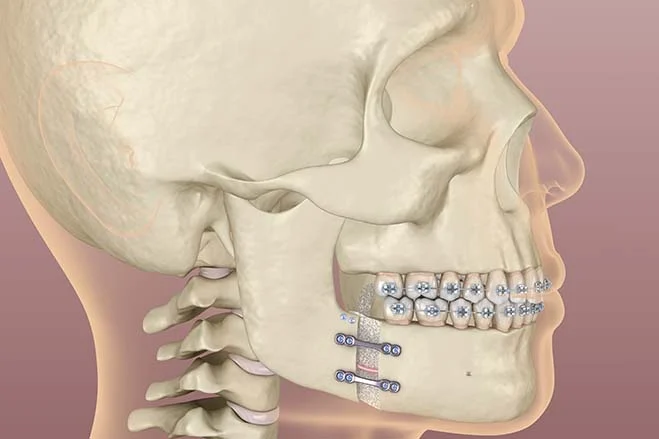
What Are Enlarged Pores?

Enlarged pores are visible openings on the skin’s surface that may appear more noticeable in some individuals. They are not considered a medical condition but rather a common skin characteristic influenced by factors such as oil production, genetics, and environmental exposure.

While pores cannot be permanently closed, certain skincare practices may help manage their visibility. The difference between typical pores and enlarged pores lies mainly in their size and prominence, which can vary based on individual skin type and contributing factors.

Can You Change Your Pore Size?

While you can’t permanently alter your pore size, you can minimise their appearance through consistent skincare routines and targeted treatments.

Causes of Enlarged Pores

Several factors may contribute to the visibility of enlarged pores. These can be broadly grouped into biological, lifestyle, and environmental influences.

Genetic Factors

Genetics may play a role in pore size. Individuals with a family history of oily skin or visible pores may be more likely to notice similar features.

Oily Skin and Sebum Production

Excess oil production primarily contributes to the appearance of enlarged pores. The sebaceous glands of those with oily skin produce more sebum, making pores appear larger. Also, the accumulation of oil, dirt, and dead skin cells can exacerbate its appearance.

Sun Damage and Ageing

Prolonged exposure to UV rays may affect collagen and elastin, proteins that support skin structure. Over time, this can influence skin firmness and make pores appear larger. Similarly, as the skin ages and natural collagen levels decline, pores may become more noticeable.

Hormonal Changes

Hormonal fluctuations—such as those that occur during puberty, pregnancy, or menopause—can stimulate sebaceous gland activity. This may increase oil production, which in turn can contribute to the visibility of pores.

Environmental and Lifestyle Factors

Certain lifestyle choices and environmental influences may contribute to the visibility of enlarged pores:

  • Pollution: Environmental pollutants can accumulate on the skin, creating oxidative stress and surface irritation that may make pores appear more noticeable.
  • Poor Skincare Habits: Infrequent or inadequate cleansing may result in the build-up of oil, dead skin cells, or debris, which can contribute to visible pores.
  • Diet: Diets that are high in processed foods may influence overall skin condition, which in some cases may affect how prominent pores appear

Skin Conditions Related to Enlarged Pores

Enlarged pores may be associated with several common skin conditions. Being aware of these links can help individuals better understand their skin’s characteristics.

Acne

Portrait of young woman being confident with acne

Acne is a condition where hair follicles can become blocked by excess oil and dead skin cells, sometimes resulting in visible spots or lesions. In some cases, this blockage may make pores appear more noticeable.

Inflammatory acne may also affect the surrounding skin and sebaceous gland openings, which can influence the visibility of pores over time.

Blackheads

Blackheads occur when pores become filled with oil and dead skin cells. Unlike whiteheads, blackheads remain open at the surface, where the material inside may oxidise and darken in colour.

In some cases, the presence of blackheads may make pores look more visible on the skin’s surface.

Clogged Pores

Clogged pores occur when oil, dead skin cells, and other debris accumulate within a pore. In some cases, this build-up may contribute to irritation or blemishes.

Clogged pores may be more common in individuals with oily skin, and they can sometimes make pores appear more visible.

Sebaceous Filaments

Sebaceous filaments are naturally occurring structures within the pores that help transport sebum to the skin’s surface. In individuals with oilier skin types, these filaments may be more visible and sometimes resemble enlarged pores. While normal, their visibility may add to the overall appearance of pore size.

Symptoms and Diagnosis of Enlarged Pores

Enlarged pores may present in several ways:

  • Visible Pore Size: Enlarged pores are easily noticeable, particularly on the nose, cheeks, and forehead.
  • Uneven Skin Texture: The skin may appear rough or bumpy due to the presence of enlarged pores.
  • Oily Patches: Increased oiliness, especially in the T-zone, can accompany enlarged pores, contributing to their appearance.

A professional can usually identify enlarged pores through a visual assessment of the skin. They may also check for any related conditions that could influence pore visibility.

Treatment Options for Enlarged Pores

Enlarged pores can be effectively managed through a variety of treatment options, ranging from topical treatments to professional procedures and home remedies. Understanding these various options can help individuals choose the suitable approach for their skin type and concerns.

Topical Treatments for Enlarged Pores

Several topical treatments are commonly used to reduce the size and visibility of enlarged pores.

  • Retinoids: These vitamin A derivatives increase cell turnover to help unclog and reduce the appearance of pores.
  • Salicylic Acid: A beta-hydroxy acid (BHA) that penetrates deep into the skin pores to exfoliate and prevent blockages, making it effective for oily skin types.
  • Niacinamide: This form of vitamin B3 regulates oil production to help improve skin elasticity and reduce the appearance of enlarged pores.
Treatment Active Ingredient Effectiveness Possible Side Effects
Retinoids Tretinoin High Redness, dryness, sun sensitivity
Salicylic Acid Beta Hydroxy Acid Moderate Dryness, irritation
Niacinamide Vitamin B3 Moderate Minimal side effects

Medical and Dermatological Procedures

In addition to topical care, some individuals may consider professional treatments to address the appearance of enlarged pores. The suitability of these approaches depends on individual skin type, goals, and professional assessment.

  • Carbon Laser Peel: This treatment uses a layer of medical-grade carbon followed by laser energy to exfoliate the skin. It may help reduce surface oil and impurities, and improve skin clarity, especially in oily or acne-prone skin.
  • Fractional CO2 Laser: The Fractional CO2 laser delivers controlled light beams into the skin to encourage natural skin renewal. It may improve overall texture and support skin firmness over time.
  • Pico Laser: Pico Laser uses short pulses of energy to stimulate skin remodelling with minimal surface disruption. It may help refine uneven texture and reduce the appearance of pores.
  • Chemical Peels: Chemical peels use a solution to exfoliate the outer layer of skin. These treatments vary in depth, from superficial to deeper peels, and may help improve overall skin texture.
  • Microneedling: This technique involves creating fine micro-injuries in the skin to encourage a natural repair response. It may stimulate collagen production, which in turn can affect skin firmness and pore visibility.
Procedure Benefits Risks
Carbon Laser Peel Helps reduce oil and impurities; may improve skin clarity Mild redness, dryness
Fractional CO₂ Laser May improve texture and support skin firmness Redness, peeling, sensitivity
Pico Laser May refine uneven texture and reduce pore appearance Temporary redness, mild swelling
Chemical Peels Exfoliates outer skin; may improve texture Peeling, sensitivity
Microneedling Stimulates collagen; may improve firmness and pore visibility Minor bleeding, redness

Home Remedies and Natural Treatments

Some individuals explore home-based practices as part of their skincare routine. While these methods do not permanently change pore size, they may help support overall skin maintenance:

  • Clay Masks: Clay-based products can absorb surface oil and impurities, which may make pores appear less noticeable temporarily.
  • Exfoliation: Gentle exfoliation, either physical or chemical, may help remove surface debris and reduce the likelihood of clogged pores, contributing to smoother-looking skin

Preventing Pore Enlargement

While pore size is largely determined by genetics and natural skin characteristics, certain daily habits may help support overall skin condition and influence how visible pores appear. These habits often include a consistent skincare routine, appropriate sun protection, and general lifestyle practices.

Daily Skincare Routines

Close-up happy brunette woman with face cream

A well-rounded daily skincare routine may help in preventing enlarged pores. Key steps include:

  • Cleansing: Using a gentle cleanser may help remove excess oil and debris from the skin’s surface. Many people find cleansing twice daily—morning and evening—supports skin maintenance.
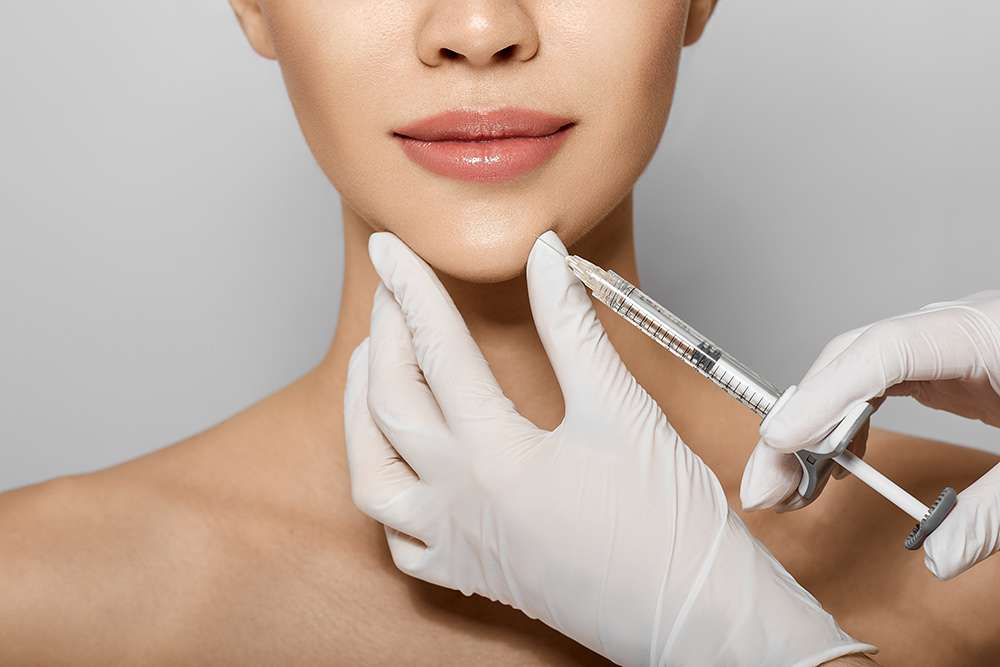
  • Moisturising: Applying a non-comedogenic (oil-free) moisturiser can help keep the skin hydrated without contributing to clogged pores
  • Exfoliation: Gentle exfoliation once or twice a week may assist in removing surface dead skin cells, which can reduce the likelihood of pore congestion

Sun Protection Strategies

Regular sun protection may help reduce the effects of UV exposure on the skin. Prolonged sun exposure can influence collagen levels, which may in turn affect skin texture and pore visibility. Using a broad-spectrum sunscreen with SPF 30 or higher, along with protective clothing such as hats or scarves, can be considered part of daily skincare.

SPF Level Product Type Notes
SPF 30 Mineral Sunscreen Good for sensitive skin
SPF 50 Chemical Sunscreen Offers higher protection
SPF 30+ Water-resistant Sunscreen Ideal for outdoor activities

Lifestyle Modifications

Certain lifestyle changes can support skin health and help prevent enlarged pores:

  • Avoid Smoking: Smoking can potentially damage collagen and elastin, leading to loss of skin elasticity.
  • Stay Hydrated: Drinking adequate amounts of water each day helps support the body’s natural hydration levels.
  • Eat a Balanced Diet: A diet rich in fruits, vegetables, and fibre may support the skin’s natural functions and overall health

Complications and Long-term Effects

Untreated enlarged pores can lead to several long-term complications and skin issues that may affect both appearance and skin health.

  • Persistent Blackheads: Clogged pores can lead to the formation of blackheads, which are difficult to remove and can contribute to a cycle of pore enlargement.
  • Chronic Acne: Enlarged pores may sometimes be linked with acne, as excess oil and debris can build up within pores.
  • Chronic Skin Texture Issues: The skin may develop an uneven texture due to the presence of enlarged pores, blackheads, and acne scars.

When to See a Doctor

Enlarged pores are a persistent concern for many individuals, and knowing when to seek a professional may help manage them effectively. Consider scheduling a consultation with a doctor if you experience any of the following:

  • Persistent acne or breakouts that worsen over time.
  • Lack of improvement from over-the-counter skincare products.
  • Signs of infection or severe irritation around pores.
  • Chronic issues with clogged pores or uneven skin texture.

Conclusion

Enlarged pores are a common skin feature that may become more noticeable due to factors such as genetics, oil production, ageing, or environmental influences. While pore size cannot be permanently changed, there are various approaches that may help manage their visibility, ranging from daily skincare habits to professional treatments.

Understanding the potential causes and related skin conditions can help individuals make informed choices about their routines and lifestyle practices. Consistency in care, along with appropriate guidance from a qualified practitioner when needed, may support healthier-looking skin over time.

Ultimately, managing enlarged pores is less about achieving perfection and more about maintaining overall skin health through sustainable habits and, where appropriate, professional advice tailored to individual needs.