


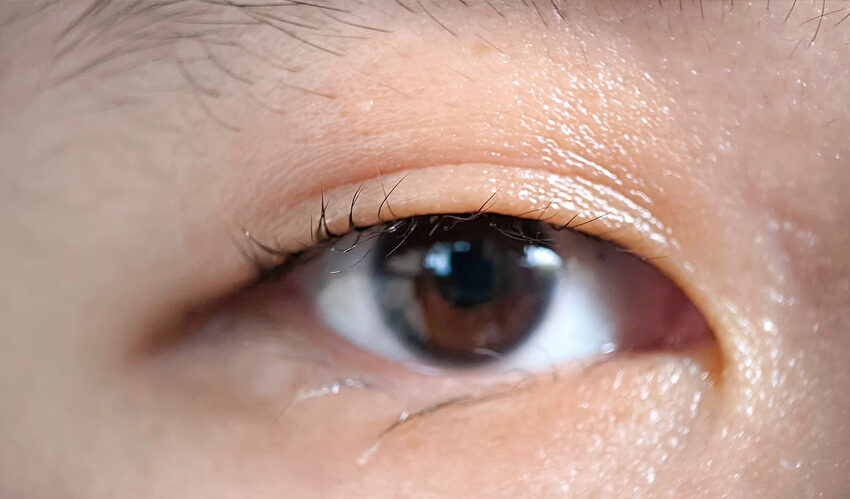
Droopy eyelids, known as ptosis, refer to the sagging or lowering of the upper eyelid. This condition can affect one or both eyes and may influence both vision and facial appearance. Ptosis can develop due to various factors, including ageing, genetic predisposition, or underlying medical conditions.
Understanding the causes and management options for droopy eyelids can help individuals recognise when professional evaluation may be beneficial. This article discusses common contributing factors and available approaches for managing ptosis.
What is a Droopy Eyelid?
Droopy eyelids occur when the upper eyelid sags over the eye. This condition may affect one eye (unilateral ptosis) or both eyes (bilateral ptosis). Ptosis may be present at birth (congenital ptosis) or develop later in life due to various factors.
The extent of drooping can range from mild to severe and, in some cases, may partially obstruct vision depending on how much of the pupil is covered. In addition to affecting vision, ptosis may also influence the overall appearance of the eyes.
How Common Are Droopy Eyelids?
Ptosis can occur at any age, but is more frequently observed in adults due to age-related stretching of the levator muscle, which lifts the eyelid. As the muscle weakens with time, the eyelid may begin to droop.
Infants may also be born with ptosis, although this is uncommon. In some children, the condition can contribute to amblyopia (lazy eye), which may affect visual development.
Why Understanding Droopy Eyelids Matters?
Understanding ptosis is important because of its impact on both vision and eyelid function. In more pronounced cases, the drooping eyelid may limit the field of vision, occasionally leading individuals to tilt their heads back or raise their eyebrows to see more clearly. This can cause tension in the neck and forehead muscles.
Chronic eyelid drooping may also contribute to dryness or irritation, as the eyelids play a key role in protecting and lubricating the eyes during blinking. From an aesthetic standpoint, ptosis may alter facial expression, sometimes creating a tired appearance even when the individual feels well rested.
Causes of Droopy Eyelids
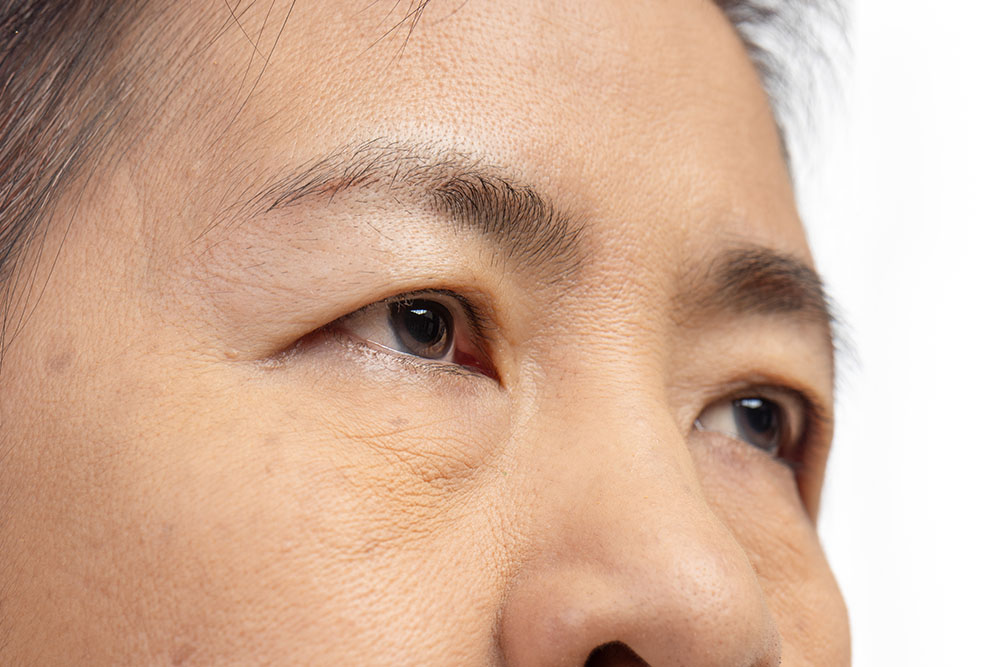
Droopy eyelids can result from various factors that affect the muscles, nerves, or skin surrounding the eyes. Common causes include:
- Ageing: With age, the skin gradually loses elasticity, and the muscles responsible for lifting the eyelids may weaken, leading to drooping.
- Congenital Factors: Some individuals are born with ptosis due to underdevelopment of the levator muscle, which helps raise the eyelid.
- Nerve Damage: Conditions such as Bell’s palsy or other neurological disorders can affect the nerves that control eyelid movement.
- Muscle Weakness: Neuromuscular conditions like myasthenia gravis may cause weakness in the eyelid muscles, resulting in drooping.
- Trauma: Injury to the eye area can damage the muscles or nerves that lift the eyelid.
- Excess Skin (Dermatochalasis): Excess upper eyelid skin can contribute to a drooping appearance. Although commonly linked with ageing, it may also occur in younger individuals due to genetic or medical factors.
- Medical Conditions: Certain conditions, including Horner’s syndrome, diabetes, or growths near the eye, may also lead to ptosis.
Treatment Options for Droopy Eyelids
For individuals diagnosed with droopy eyelids, several management options may be considered to address both visual obstruction and eyelid structure.
1. Upper-Lid Blepharoplasty
Upper-lid blepharoplasty is a surgical procedure that removes or repositions excess skin, fat, or muscle from the upper eyelid. The incision is usually made along the natural eyelid crease to allow discreet placement of the surgical line. This approach can help reduce obstruction in the upper field of vision caused by sagging tissue.
In some cases, this procedure may be performed together with other eyelid or brow techniques, depending on individual anatomical and clinical considerations.
2. Ptosis Surgery
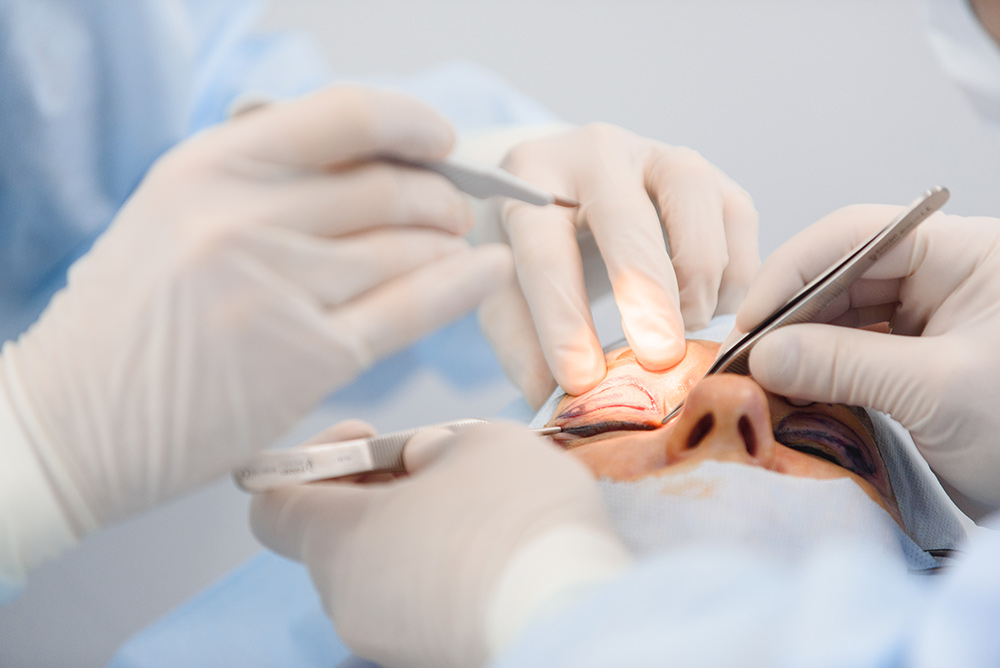
Ptosis surgery aims to correct the drooping by adjusting the muscles that lift the eyelid. There are two primary approaches: the external approach, where an incision is made on the eyelid to access and reposition the levator muscle, and the internal approach, where the eyelid is turned inside out to shorten the muscle from within.
The selection of technique depends on the degree of eyelid drooping and the strength of the levator muscle. This procedure is performed to enhance eyelid function and address vision obstruction related to ptosis.
3. Frontalis Sling Procedure
The frontalis sling procedure may be considered for individuals with limited eyelid muscle function, often related to congenital ptosis or certain neurological conditions. During this surgery, a thin silicone rod connects the upper eyelid to the frontalis muscle in the forehead. This allows the forehead muscle to assist in lifting the eyelid, improving eyelid movement.
4. Anti-Wrinkle Injections
Anti-wrinkle injections are administered to targeted areas around the brow to relax specific muscles. This relaxation may help reduce the appearance of heaviness around the eyelid area.
As a non-surgical approach, the effects are temporary and may require periodic maintenance, depending on individual response and treatment plan.
5. Dermal Fillers
Dermal fillers may be used to add temporary volume in the upper eyelid region. These fillers often contain hyaluronic acid, a substance found naturally in the body that helps maintain hydration and support tissue structure. This approach may help improve contour around the upper eyelid area. The effects are temporary and may require periodic maintenance depending on individual response.
6. Prescription Eye Drops

Prescription eye drops formulated to stimulate muscle contraction in the upper eyelid can help improve eyelid position in mild cases of ptosis. This non-surgical option provides temporary effects and may be prescribed based on medical evaluation and suitability.
7. Ptosis Crutch Glasses
Ptosis crutch glasses are non-surgical supportive devices designed to hold up the upper eyelid mechanically. These glasses include a small support bar or mechanism that helps lift the eyelid to keep it from obstructing vision. They may be considered a practical option for individuals who prefer or require non-surgical management of ptosis.
When to Seek Medical Attention
If you are experiencing droopy eyelids, it is important to be aware of specific signs that may require professional evaluation. These signs include:
- Significant Vision Impairment: If you notice that your drooping eyelids are obstructing your field of vision, particularly peripheral vision, it may be time to seek medical advice.
- Difficulty Performing Daily Activities: Struggling with tasks such as reading, driving, or using a computer due to eyelid droopiness can indicate the need for evaluation.
- Frequent Head Tilting or Eyebrow Raising: If you find yourself raising your eyebrows frequently or tilting your head back to see better, this could signal that your eyelids are affecting your vision.
- Pain or Discomfort: Experiencing pain, discomfort, or fatigue around the eyes and forehead due to the effort of keeping the eyelids elevated may warrant a consultation.
- Changes in Eye Appearance: A professional should assess noticeable changes in the appearance of your eyes, such as increased puffiness or asymmetry between the eyelids.
- Accompanying Symptoms: If droopy eyelids are accompanied by other concerning symptoms such as headaches, dry eyes, or eye irritation, it is advisable to seek medical attention.
- Recent Trauma: If you have experienced an injury to the eye area that has resulted in drooping, prompt evaluation is important to rule out any serious underlying issues.
Conclusion
A droopy eyelid, or ptosis, may develop due to factors such as ageing, medical conditions, or genetic influences. Management of this condition often involves addressing both functional and aesthetic aspects, as ptosis can affect eyelid movement and visual field.
Treatment options include surgical approaches such as upper-lid blepharoplasty and ptosis repair, as well as non-surgical methods like anti-wrinkle injections, dermal fillers, or prescription eye drops. For individuals who prefer non-invasive management, ptosis crutch glasses can serve as supportive devices that help lift the eyelid mechanically.
Awareness of symptoms that require professional evaluation can assist in timely assessment and appropriate management. Understanding available medical options enables individuals to make informed decisions regarding the care of their eyelids and vision.