

Bioremodelling Skin Booster is increasingly being used in aesthetic treatments. This is because it supports the appearance of younger-looking skin by targeting visible signs of ageing. It may help with the appearance of fine lines, skin laxity, texture, and elasticity. This guide outlines key information about Bioremodelling Skin Booster treatments, including common types and potential aesthetic benefits.
What is Bioremodelling Skin Booster?
Bioremodelling Skin Booster is a minimally invasive cosmetic procedure that supports the skin’s natural renewal process. Unlike traditional fillers, it targets skin laxity and supports healthier-looking skin. It helps support skin hydration and elasticity, which may improve the appearance of skin texture and tone.
Common Treatment Areas
Bioremodelling Skin Booster is commonly used to treat areas prone to skin laxity and ageing, such as:
- Face: May support skin hydration and texture
- Neck: Commonly used in areas prone to laxity and fine lines
- Hands: May help address visible signs of ageing
- Décolletage: Often used in areas where the skin appears aged or fragile
This treatment may suit individuals looking for subtle, progressive improvements in skin appearance.
Key Bioremodelling Skin Booster Treatment Areas
| Treatment Area | Concerns Addressed | Benefits |
|---|---|---|
| Face | Fine lines and wrinkles, dullness, loss of elasticity | Hydrated, smoother, and firmer skin |
| Neck | Sagging skin, creases, fine lines | Improved skin laxity and reduced deeper wrinkles |
| Hands | Thinning skin, loss of suppleness | Rejuvenated, more youthful skin texture |
| Décolletage | Deeper wrinkles, crepey texture, skin laxity | Firmer, smoother, and revitalised appearance |
This summarises how bio remodelling can target various areas to restore skin quality and vitality.
History of Bioremodelling Skin Booster
Bioremodelling Skin Booster was introduced in the early 2000s as a minimally invasive aesthetic treatment aimed at supporting skin appearance. It was developed in response to interest in non-surgical aesthetic options. Unlike traditional fillers, this treatment targets skin texture and elasticity without adding volume. Over time, it has been used to address signs of ageing such as skin laxity and roughness.
The development of Bioremodelling Skin Booster aligned with evolving hyaluronic acid (HA) formulations, designed to support hydration and skin elasticity. This approach reflected a trend in regenerative aesthetics towards skin-focused treatments. Its emphasis on hydration and elasticity positioned it as one of several options used in clinical aesthetic care.
| Year | Milestone |
|---|---|
| Early 2000s | Introduction of bioremodelling skin booster as a skin regeneration treatment. |
| Mid-2000s | Advancements in stabilised hyaluronic acid technology. |
| Late 2000s | Increased adoption of bioremodelling skin booster for skin laxity. |
| 2010s | Recognition as a leading option in regenerative aesthetics. |
| Present | Global popularity for enhancing skin quality and hydration. |
This timeline illustrates the evolution of Bioremodelling Skin Booster from its inception to its current role as a trusted treatment in aesthetic medicine.
What Is Bioremodelling Skin Booster Made Of?
- Ingredients
Bioremodelling Skin Booster treatments contain stabilised hyaluronic acid (HA), a naturally occurring substance found in the body that helps retain moisture. The HA used in these treatments is considered biocompatible and is designed to support hydration and skin texture.
- Unique Composition
Unlike traditional fillers that add volume or structure, Bioremodelling Skin Booster is formulated to support overall skin quality. The stabilisation process helps the hyaluronic acid remain active for longer without the need for additional chemical agents. It spreads across the skin in a uniform manner and is designed to support hydration and elasticity. This treatment may help individuals seeking subtle support for their skin’s appearance.
- Key Components of Bioremodelling Skin Booster
| Main Component | Function |
|---|---|
| Stabilised Hyaluronic Acid | Hydrates the skin deeply and promotes elasticity. |
| Biocompatible Structure | Ensures seamless integration with the skin. |
| Unique Stabilisation Process | Prolongs the effects without adding volumising agents. |
Is Bioremodelling Skin Booster Safe?
Bioremodelling Skin Booster is safe when performed by a trained and experienced professional in a certified medical setting like a licensed clinic or doctor’s office. Clinical trials show the treatment works well, is FDA-approved, and has been tested to be safe. Choosing a practitioner experienced with bioremodeling helps ensure proper procedure and reduces risks.
- Clinical Trials and FDA Approval
Some formulations used in Bioremodelling Skin Booster treatments have been studied for their role in aesthetic medicine. Stabilised hyaluronic acid, a substance naturally found in the body, is commonly used in these procedures to support hydration and skin structure. Many Bioremodelling Skin Booster products are FDA-approved to ensure they meet stringent safety and quality standards.
- Medical Guidance for Safe Use
Medical professionals follow clinical protocols designed to guide the application of Bioremodelling Skin Booster treatments. Procedures are typically performed in licensed medical settings by professionals familiar with the treatment, using sterile techniques and individual assessments aimed at supporting patient safety.
- Safety Highlights
- Clinical Use: Stabilised hyaluronic acid has been studied for its role in aesthetic treatments.
- Regulatory Status: Some products used in Bioremodelling Skin Booster are FDA-cleared for aesthetic use in various countries.
- Biocompatibility: Stabilised hyaluronic acid is a substance naturally present in the body and is commonly used in aesthetic procedures.
- Trained Professionals: Treatments are administered by medical practitioners in licensed clinical settings.
- Individual Assessment: Each patient undergoes an assessment to determine suitability based on personal skin and medical history.
- Sterile Environment: Procedures are performed under hygiene protocols designed to support treatment safety.
Types of Bioremodelling Skin Booster
Bioremodelling Skin Booster treatments exist in various formulations, each providing distinct advantages. While their exact compositions and targeted skin issues differ, all such treatments aim to stimulate collagen synthesis and enhance skin health.
Injectable Skincare
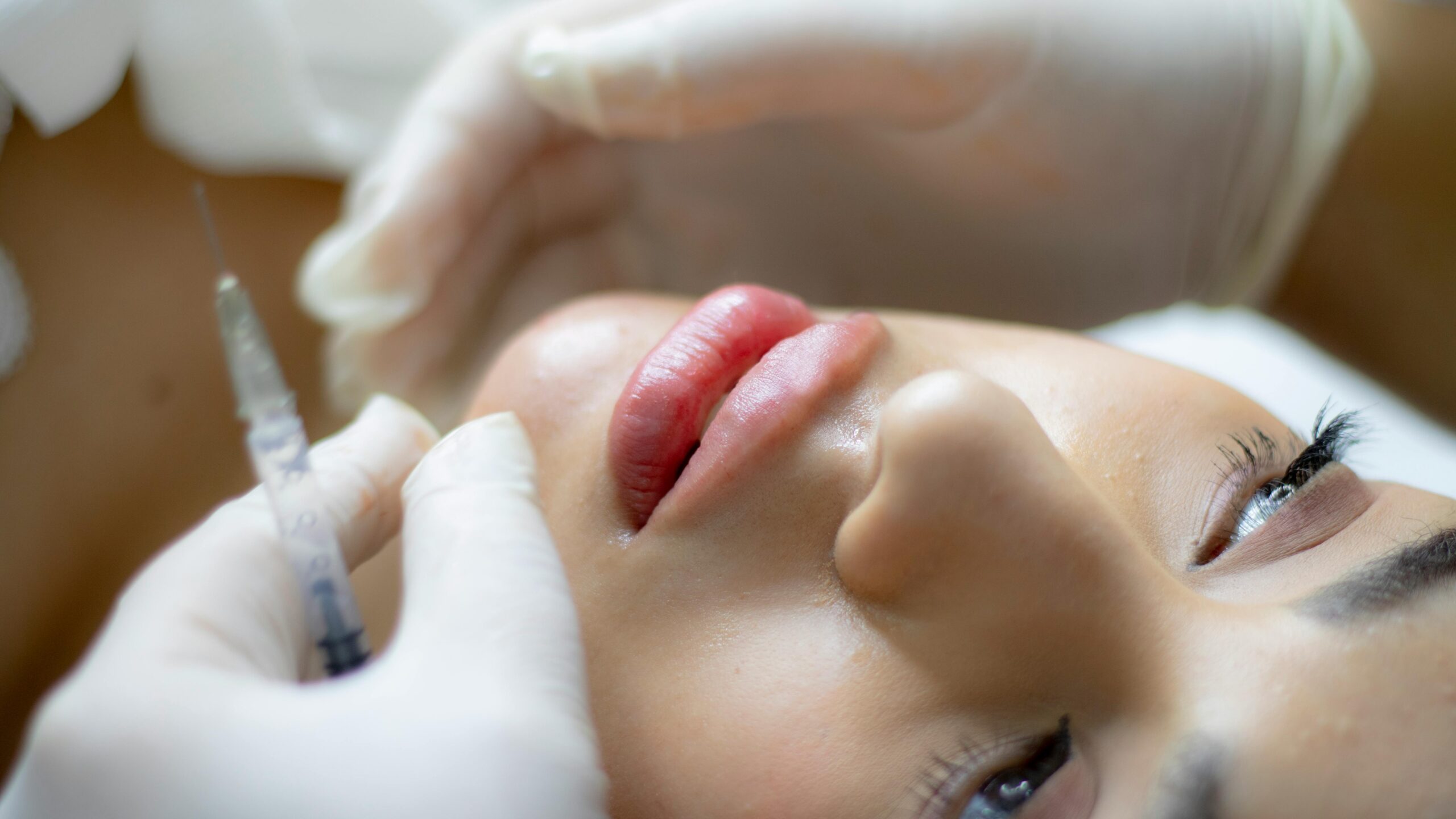
Injectable Skincare is a type of Bioremodelling Skin Booster treatment used in aesthetic medicine. It contains a stabilised formulation of hyaluronic acid designed to support skin hydration and texture. This treatment may help improve the appearance of the skin gradually.
Minimal Injection Points: Injectable Skincare requires only 5 injection points per side of the face, minimising discomfort and treatment time.
Even Spread: Once injectable treatment is administered, the stabilised hyaluronic acid disperses uniformly, stimulating collagen and elastin production to improve skin laxity without adding volume.
| Benefit | Description | Common Treatment Areas |
|---|---|---|
| Enhanced Hydration | Deeply moisturises the skin for a radiant glow. | Face, neck, hands, décolletage |
| Improved Elasticity | Boosts firmness and reduces skin sagging. | Face, neck, hands |
| Refined Skin Texture | Smoothens fine lines and uneven skin surfaces. | Face, neck, décolletage |
| Minimally Invasive | Requires only a few injection points. | Face, neck |
| Natural-Looking Results | Enhances skin quality without altering contours. | Face, neck, décolletage, hands |
How Does Bioremodelling Skin Booster Work?
Bioremodelling Skin Booster uses stabilised hyaluronic acid to support the skin’s natural renewal processes. This approach may encourage the activity of structural proteins such as collagen and elastin, which contribute to skin firmness and resilience. Bioremodelling Skin Booster treatments are often chosen to address hydration concerns, as hyaluronic acid can attract and retain moisture within the skin. Individuals may observe changes in skin texture and suppleness as the product integrates into the tissue.
Application Process
- Personalised Assessment: A medical consultation is conducted to evaluate the skin condition and determine appropriate treatment planning.
- Preparation: The treatment area is cleansed. A topical anaesthetic may be applied at the doctor’s discretion.
- Strategic Injection Points: Small amounts of product are administered at specific anatomical locations.
- Quick Procedure: The procedure is usually completed within 15 to 30 minutes, depending on the treatment area.
- Minimal Discomfort: Fine needles and controlled application are used to support patient comfort during the procedure.
- Minimal Downtime: Many patients can resume daily activities immediately after treatment.
Benefits
- Hydration Support: Hyaluronic acid in the product attracts and retains moisture within the skin.
- Stimulation of Collagen and Elastin: The treatment may support the activity of structural proteins involved in maintaining skin firmness and elasticity.
- Improved Texture: Individuals may observe changes in areas with fine lines or uneven skin texture following treatment.
- Natural Results: Bioremodelling Skin Booster does not alter facial structure and is often used to support overall skin condition.
- Versatility: This approach may be applied to various areas such as the face, neck, hands, and décolletage, based on clinical assessment.
Benefits of Bioremodelling Skin Booster
Cosmetic Benefits
- Hydration Support: The treatment introduces hyaluronic acid to support moisture retention within the skin.
- Skin Firmness: May be considered for areas where skin laxity is present, depending on individual assessment.
- Elasticity Activity: May support the function of structural proteins such as collagen and elastin.
- Texture Refinement: Patients may observe changes in the appearance of fine lines and uneven skin over time.
Unique Aspects
- Non-Volumising Properties: Bioremodelling Skin Booster does not increase facial volume and does not alter structural contours.
- Subtle Integration: The product disperses uniformly and is used to support overall skin condition.
- Gradual Onset: Observed changes may occur progressively, with effects developing over several weeks as the product integrates.
| Feature | Bioremodelling Skin Booster | Traditional Dermal Filler |
|---|---|---|
| Primary Focus | Skin hydration, elasticity, and firmness | Adding volume and enhancing facial contour |
| Mechanism | Stimulates collagen and elastin production | Replaces lost volume with a gel-like substance |
| Results | Natural and subtle with minimal pain | Defined and structured |
| Areas of Use | Face, neck, décolletage, hands | Cheeks, lips, jawline, under-eyes |
| Injection Points | Minimal (e.g., five per side for the face) | Typically more injection points per area |
| Downtime | Minimal or none | Varies depending on the area and product used |
Who is a Good Candidate for Bio Remodelling?
Bioremodelling Skin Booster may be suitable for individuals who wish to support overall skin condition without changing facial volume or contours. It is often selected by adults with early signs of skin ageing, including mild skin laxity or dryness.
This treatment is generally compatible with most skin types and may be applied to areas where dehydration and reduced elasticity are more noticeable, such as the face, neck, décolletage, or hands.
Doctors will assess skin type, condition, and treatment history to determine if this approach aligns with the individual’s clinical needs.
Who Should Avoid Bioremodelling Skin Booster?
While bio remodelling is safe for many individuals, certain conditions may make it unsuitable:
- Active Skin Conditions: Includes infections, eczema, acne flare-ups, or open wounds near the intended treatment site.
- Known Allergies: Individuals with hypersensitivity to hyaluronic acid or other formulation components.
- Autoimmune Conditions: Includes disorders that may affect healing or increase risk of adverse responses.
- Pregnancy or Breastfeeding: This treatment is not typically recommended during pregnancy or lactation due to limited safety data.
- Recent Skin Procedures: Recent invasive treatments or surgeries in the same area may require deferral of Bioremodelling Skin Booster.
Suitable Candidates
- Individuals with mild to moderate skin laxity or dryness.
- Those open to gradual treatment effects based on clinical assessment.
- Patients without medical contraindications or known ingredient sensitivities.
Non-Suitable Candidates
- Individuals with active skin infections or inflammatory skin conditions.
- Those with known allergies to product components.
- Pregnant or breastfeeding individuals.
- Patients with autoimmune conditions or delayed wound healing.
This guide clarifies who is best suited for bio remodelling and who should consider alternative treatments.
What to Expect During a Bio Remodelling Treatment
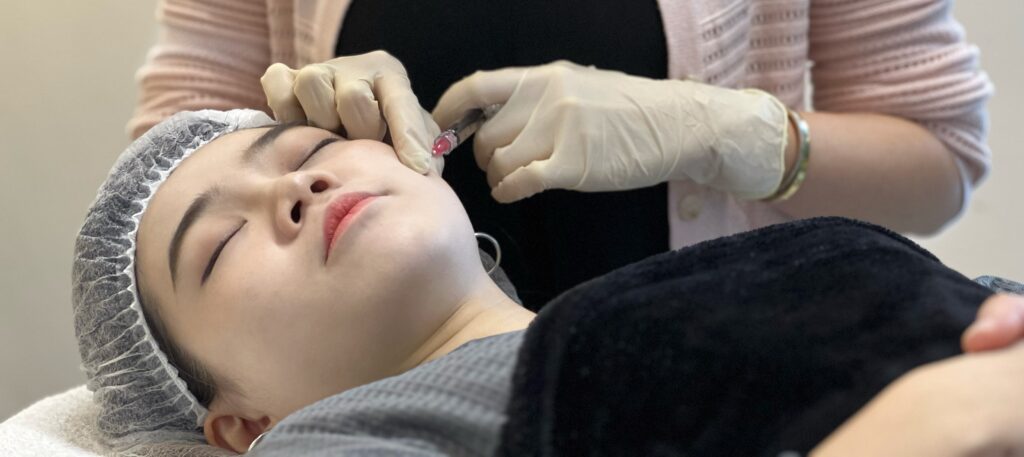
Patients first undergo a consultation with a medical professional, who will assess skin condition and determine whether Bioremodelling Skin Booster is appropriate. The doctor will also explain the procedure and address any questions prior to treatment.
Bioremodelling Skin Booster commonly uses the BAP technique, which involves injections at five specific sites on each side of the face. The procedure typically takes 30 to 60 minutes, depending on the treatment area.
Some mild swelling or redness where the injections went in is common afterwards but goes away within a few hours. Visible results emerge gradually over weeks, with the full effects developing over time and lasting 6–12 months, depending on the location and your skin. Follow-up maintenance treatments may be needed to sustain optimal results.
Aftercare Tips
Proper post-treatment care supports the healing process and helps reduce the risk of side effects.
Aftercare Dos
- Keep the treated area clean and dry for the first 24 hours.
- Use mild, non-irritating skincare products if approved by your doctor.
- Maintain adequate hydration.
- Apply broad-spectrum sunscreen daily to protect the skin from UV exposure.
Aftercare Don’ts
- Do not touch, rub, or massage the treated area for at least 12 hours.
- Avoid applying makeup to the treated area within the first 12 hours.
- Postpone strenuous exercise or intense physical activity for 24–48 hours.
- Avoid hot environments such as steam rooms, saunas, or hot baths for 24–48 hours.
- Do not consume alcohol or anti-inflammatory medication for 24 hours unless approved by your doctor.
Your doctor may provide additional instructions based on your specific skin condition or medical history.
How Often Should You Get Bioremodelling Skin Booster?
To sustain the effects, it may be recommended to repeat Bioremodelling Skin Booster treatments approximately every 6 to 12 months, depending on individual skin condition and clinical response. The number and timing of sessions vary based on patient-specific factors, including the treatment area and the skin’s response over time.
Recommended Treatment Frequency
| Treatment Phase | Number of Sessions | Frequency | Purpose |
|---|---|---|---|
| Initial Treatment | 2–3 sessions | Every 4 weeks | Stimulates collagen and elastin production for optimal results. |
| Maintenance | 1 session | Every 4–6 months | Sustains increased hydration, elasticity, and overall skin improvements. |
Risks and Side Effects
Patients may experience temporary effects at the injection site, including swelling, redness, or bruising. These reactions are generally mild and subside within a few days.
Less commonly, individuals may experience delayed swelling, inflammation, or hypersensitivity. Treatment should be administered by a qualified medical professional, and post-treatment guidelines should be followed to help minimise complications.
Any unusual or persistent reactions should be reported to a doctor.
Bio Remodelling Skin Booster Results
Bioremodelling Skin Booster treatments may lead to gradual changes in skin condition over several weeks. Observed outcomes vary and depend on several factors, including baseline skin quality, age, skin type, and individual response to the procedure.
Other Skin Rejuvenation Alternatives
Skin rejuvenation includes a range of treatments that address hydration, texture, and early signs of ageing. Bioremodelling Skin Booster is one of several available options. Other clinically used treatments include:
- Chemical Peels: Help remove surface skin layers to support smoother texture and even tone.
- Laser Resurfacing: Targets superficial skin irregularities and may encourage collagen activity.
- Microdermabrasion: Provides surface exfoliation to support skin clarity and smoothness.
- Intense Pulsed Light (IPL): Used to address pigmentation and vascular-related skin conditions.
- Dermal Fillers: Administered to areas with volume loss based on clinical assessment.
- Microneedling: Uses fine needles to support collagen stimulation and texture refinement.
- Laser-Based Therapies: May address skin laxity and pigmentation concerns.
- Platelet-Rich Plasma (PRP) Therapy: Involves injecting components of the patient’s own blood to support skin quality.
| Treatment | Key Focus | Mechanism | Best For |
|---|---|---|---|
| Bioremodelling Skin Booster | Hydration, elasticity, firmness | Stimulates collagen and elastin production | Skin laxity, hydration, and subtle ageing |
| Chemical Peels | Exfoliation and skin tone improvement | Removes outer skin layers | Uneven tone, dull skin |
| Laser Treatments | Resurfacing and collagen stimulation | Removes damaged skin and boosts collagen | Fine lines, scars, pigmentation |
| Dermal Fillers | Volume and contour enhancement | Adds hyaluronic acid-based gel | Lost volume, contouring cheeks or lips |
| Wrinkle Relaxers | Dynamic wrinkle reduction | Relaxes muscles, causing expression lines | Forehead lines, crow’s feet |
| Microneedling | Texture and elasticity improvement | Micro-injuries stimulate collagen | Fine lines, rough texture |
Conclusion
Bioremodelling Skin Booster is a non-surgical procedure that may support improvements in skin hydration and elasticity over time. It works with the skin’s natural processes and may be considered by individuals seeking to address mild signs of skin ageing without altering facial volume or structure.
A medical consultation is essential to determine if this treatment aligns with individual skin needs. Doctors may also advise on treatment intervals and assess whether ongoing sessions are suitable for long-term skin maintenance.