
Neck Wrinkles: What is, Causes, Types, 4 Treatments, and Prevention

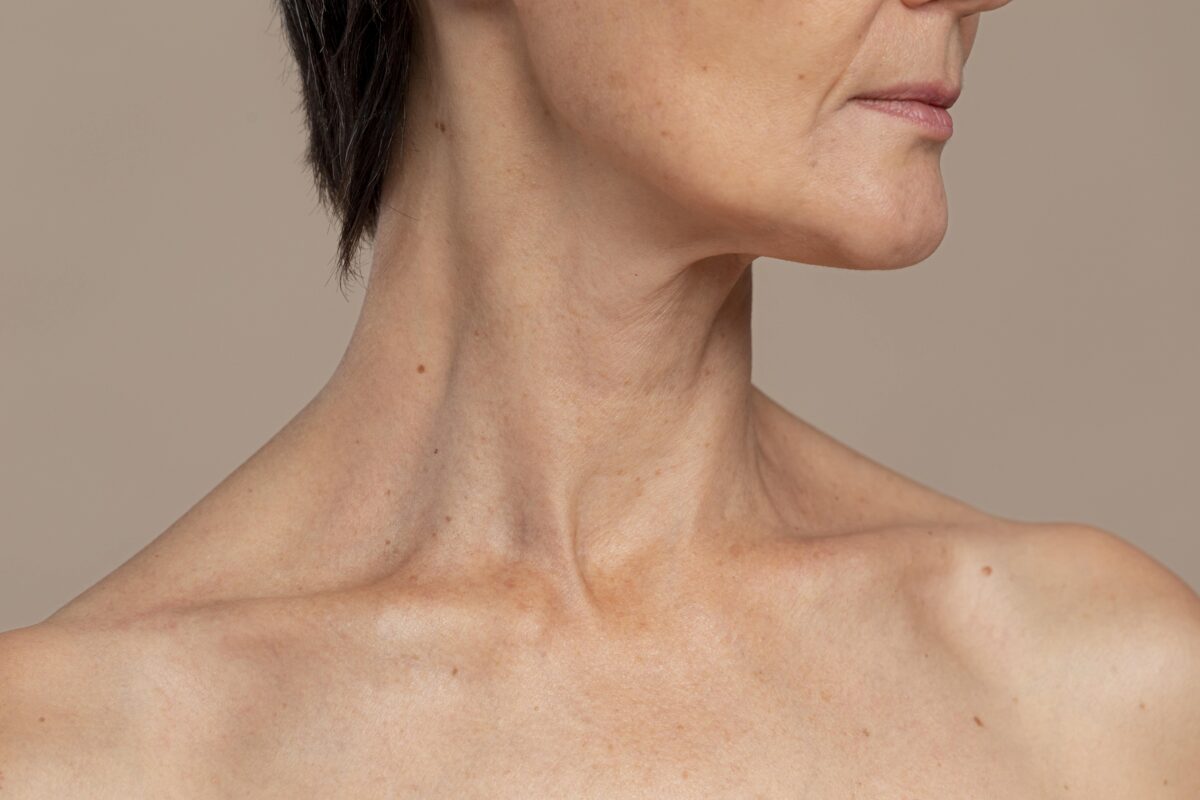
The neck is an area where signs of ageing may become visible earlier than on the face. Wrinkles on the neck can form due to several contributing factors, including natural ageing, repeated movement, and environmental exposure, such as sun damage.

This article outlines the possible causes of neck wrinkles, the different types that may appear, and practical strategies to support the skin’s condition in this area. With consistent care, it may be possible to manage the visible signs of ageing on the neck.

What Are Neck Wrinkles?
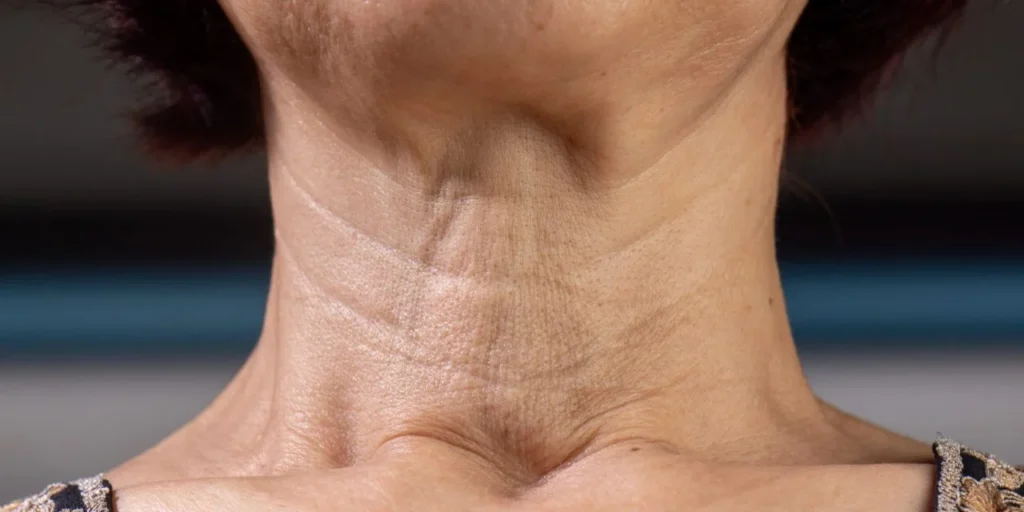
Neck wrinkles are creases and lines that form on the neck as a natural part of the ageing process. These lines can be influenced by various factors such as genetics, lifestyle choices, and environmental exposure. The skin on the neck is often exposed to the sun, making it susceptible to premature ageing. Common terms you might encounter include:

  • Neck lines: Wrinkles that form around the neck area.
  • Tech neck: Wrinkles caused by frequently looking down at electronic devices.
  • Horizontal lines: Wrinkles that appear as horizontal creases on the neck.

These lines may appear horizontally across the neck or as vertical bands, depending on individual anatomy and movement patterns.

Causes of Neck Wrinkles

The skin on the neck tends to be thinner than facial skin and is frequently exposed to environmental factors, which may contribute to the appearance of wrinkles over time. Several factors can contribute to premature ageing and the development of neck wrinkles, including:

Ageing and Loss of Collagen

One of the main factors contributing to neck wrinkles is the natural ageing process. Over time, the skin produces less collagen and elastin—proteins that help maintain firmness and elasticity. As these levels decrease, the skin may become less firm, which can result in visible lines or creases on the neck.

These structural changes are part of the skin’s natural ageing process and may be influenced by genetics, lifestyle, and environmental exposure.

Sun Exposure and UV Damage

Prolonged exposure to ultraviolet (UV) rays may contribute to visible skin changes over time, including the appearance of lines or wrinkles. The neck, often overlooked in daily sun protection, is exposed to environmental factors that may affect collagen structure and skin elasticity.

Preventive steps may include applying a broad-spectrum sunscreen with an SPF of 30 or higher, wearing protective clothing such as wide-brimmed hats or scarves, and limiting direct sun exposure during peak UV hours between 10 a.m. and 4 p.m.

Poor Posture (Tech Neck)

In our increasingly digital age, “tech neck” has become a common term. It refers to the development of wrinkles and sagging neck skin, caused by the repetitive action of looking down at smartphones, tablets, and computer screens. This position strains the neck muscles and skin, leading to premature wrinkling and a noticeable loss of firmness. With more people using digital devices daily, cases of tech neck have increased substantially.

Adopting posture-supportive habits—such as adjusting monitor height, using ergonomic setups, and taking regular screen breaks—may help reduce unnecessary strain on the neck. These small adjustments may support overall comfort and skin movement patterns.

Types of Neck Wrinkles
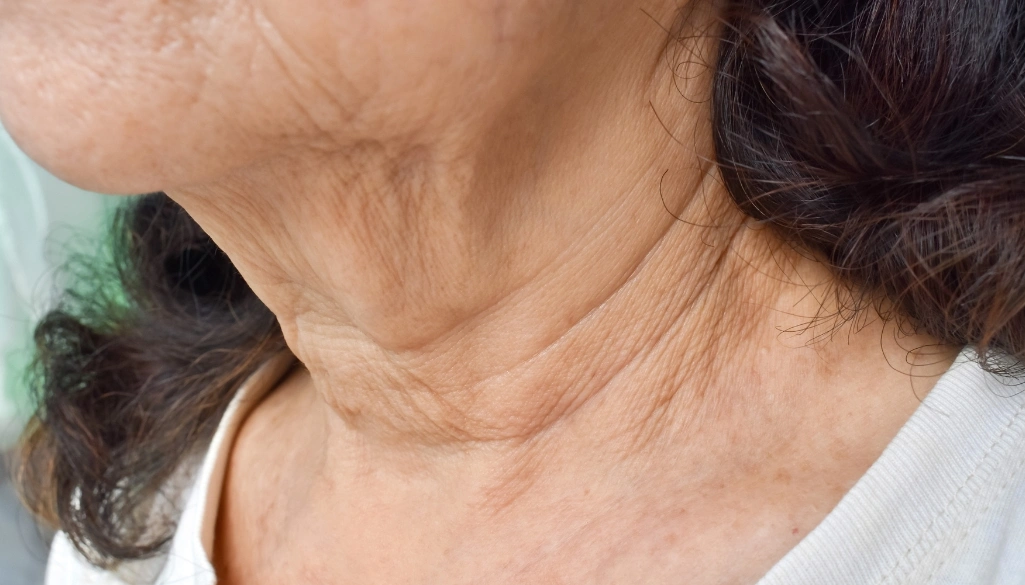
Understanding the different types of neck wrinkles may help in identifying suitable ways to support skin health. Horizontal lines are more commonly seen and typically appear as rings around the neck. Vertical bands are less frequent and may be associated with changes in underlying muscle activity. In some cases, other visible changes—such as skin laxity or uneven tone—may be present.

Each type may have different underlying causes. For example, horizontal lines may be associated with repeated movement and environmental exposure, while vertical bands may relate more to underlying muscular activity. Being aware of these distinctions may help individuals explore suitable skin care or lifestyle approaches.

Treatment Options for Neck Wrinkles
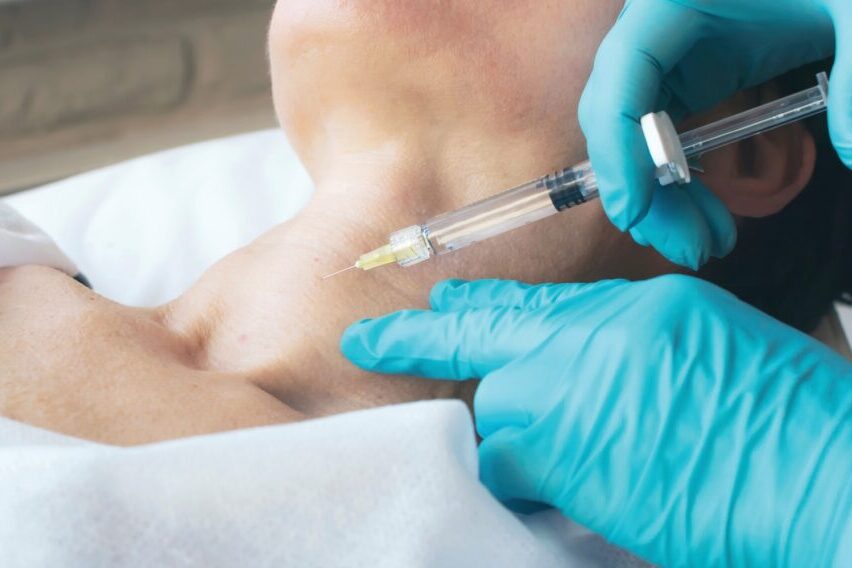
If you are self-conscious about neck wrinkles, various treatment options are available to help you treat neck lines and reduce their appearance. These include:

Anti-Wrinkle Injections for Neck Wrinkles

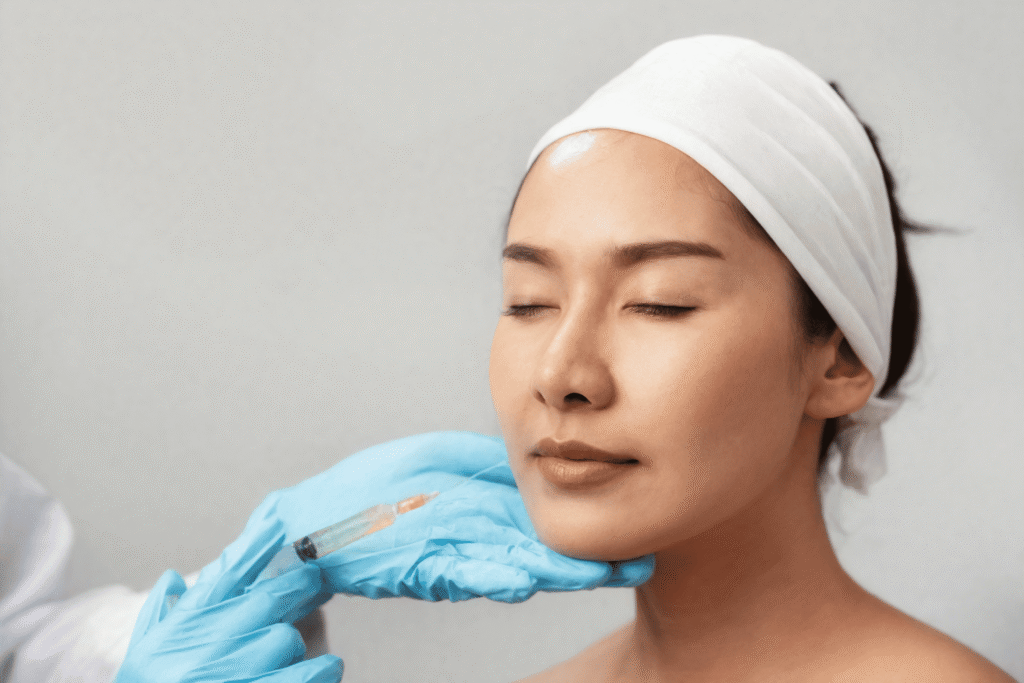
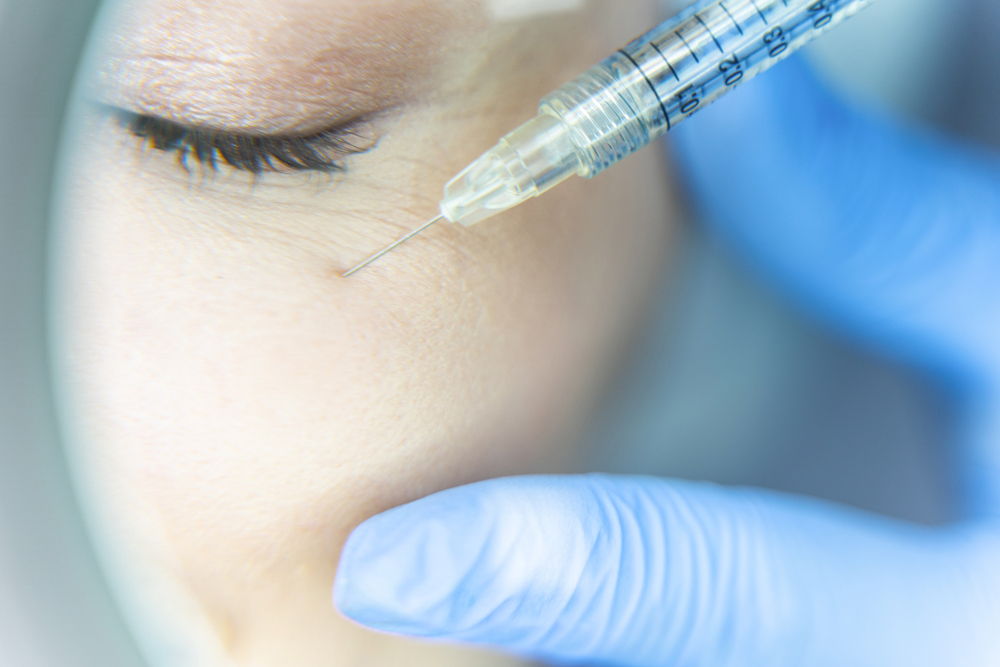
Anti-wrinkle injections are sometimes used to manage the appearance of neck wrinkles, particularly horizontal lines. This approach involves the injection of a purified protein that temporarily relaxes specific muscles, which may contribute to the formation of visible lines on the neck.

Procedure:

  • A trained medical professional administers small amounts of the product into targeted neck muscles. This process is designed to relax muscle activity in the treated area, which may help improve the appearance of existing lines over time.

Expected Recovery Time:

  • Recovery is usually brief, and most individuals are able to return to normal daily activities shortly after the procedure. Results may become visible within a few days to a week.

Potential Side Effects:

  • Some individuals may experience minor bruising or discomfort at the injection site.
  • Temporary muscle weakness or stiffness may occur in rare cases.
  • As with any medical procedure, there is a small risk of allergic reaction, which should be discussed with a healthcare professional before treatment.

Laser Therapy for Neck Wrinkles

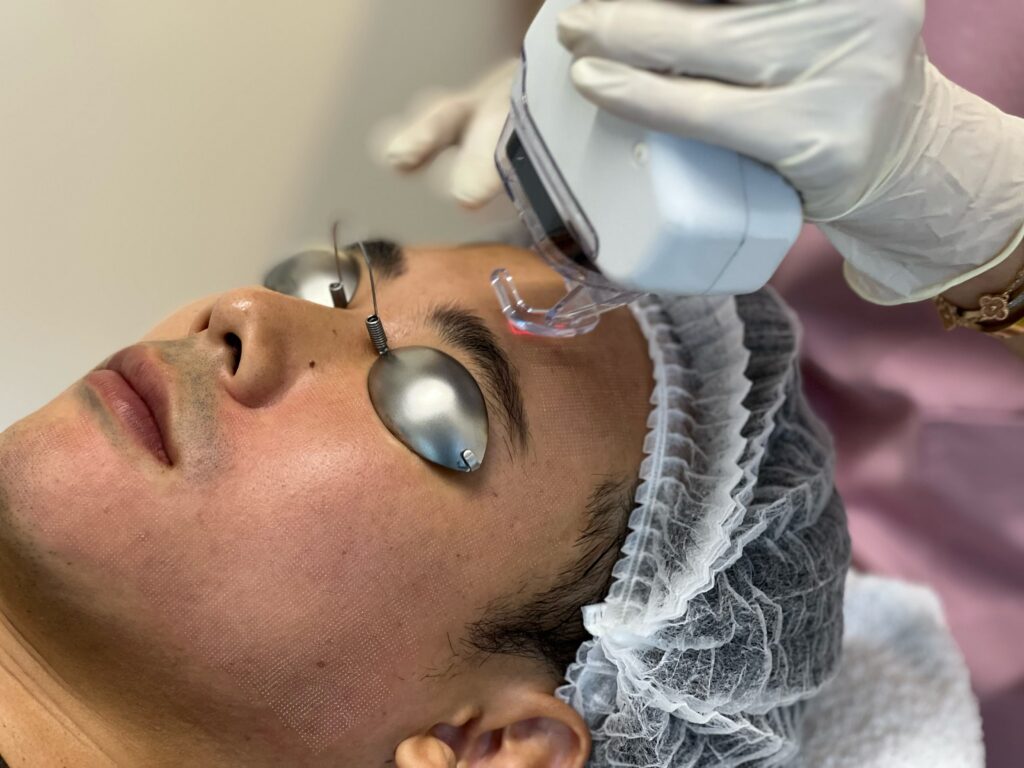
Laser treatments, such as fractional co2 laser, are sometimes used to improve the appearance of neck wrinkles. These methods work by resurfacing the skin to stimulate collagen production and support skin renewal over time.

Pros of Laser Treatments for Neck Wrinkles:

  • Collagen Stimulation: May encourage collagen production, which supports skin structure and elasticity.
  • Skin Texture: May help improve the appearance of fine lines and skin texture in the treated area.
  • Gradual Improvements: Visible changes may occur gradually and can vary depending on individual skin response.

Cons of Laser Treatments for Neck Wrinkles:

  • Cost: Laser therapies may be more expensive than other non-invasive approaches.
  • Downtime: Temporary redness, swelling, or sensitivity may occur following treatment.
  • Multiple Sessions: Several sessions may be recommended based on skin condition and treatment goals.

Microneedling for Neck Wrinkles

Microneedling is a minimally invasive procedure that involves the use of fine needles to create controlled micro-injuries in the skin. This process may stimulate the production of collagen and elastin, which are structural proteins that help support skin integrity over time.

Benefits:

  • May support natural collagen and elastin production in the treated area.
  • Can help improve the appearance of uneven skin texture or fine lines on the neck.
  • Some individuals report gradual improvements in skin condition following a series of treatments.

Side Effects:

  • Temporary redness or mild swelling may occur after the procedure.
  • Some discomfort may be experienced during treatment.
  • There is a potential risk of infection if not performed under proper hygienic conditions.

Multiple sessions may be recommended depending on individual skin characteristics and treatment goals. The number of treatments required varies between individuals.

Thermage for Neck Wrinkles

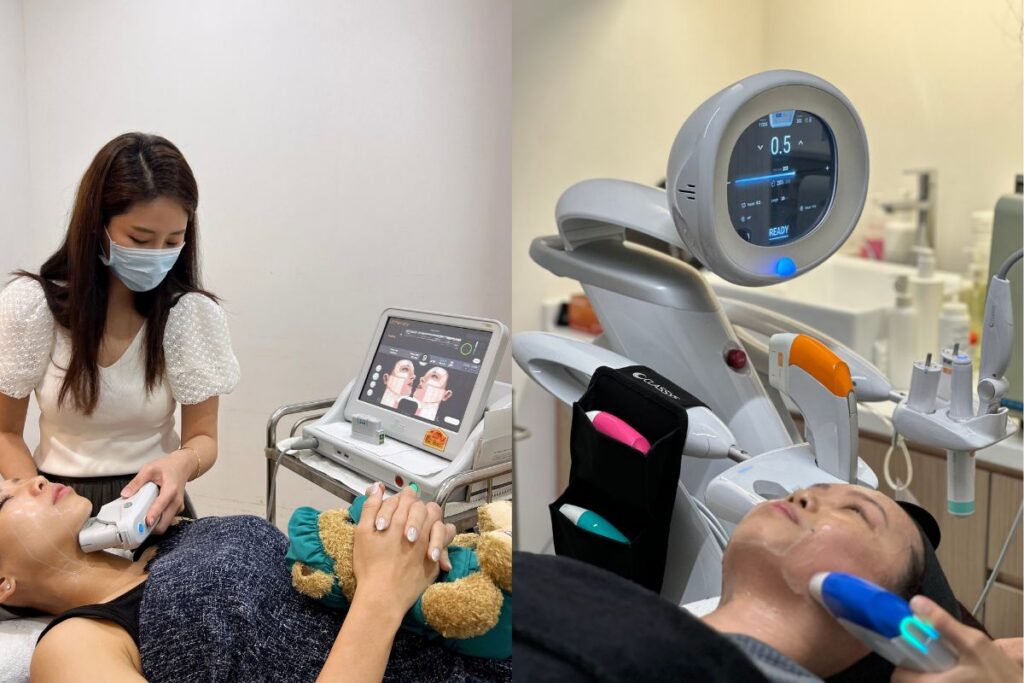
Thermage is a non-invasive treatment that uses radiofrequency energy to heat the deeper layers of the skin. This may stimulate collagen remodelling and tighten existing collagen fibres, which can help firm and smooth the neck area over time.

Benefits:

  • May help firm and tighten mildly sagging skin on the neck
  • It can soften the appearance of fine lines and wrinkles
  • Typically performed in one session, with gradual improvement over several months as collagen rebuilds

Side Effects:

  • Temporary redness, warmth, or mild swelling
  • Slight tenderness for a few days after treatment
  • Results vary based on individual skin condition and collagen response

Injectable Skincare for Neck Wrinkles

Injectable Skincare is an injectable treatment made with high concentrations of hyaluronic acid. It hydrates the skin from within and may stimulate collagen and elastin production, helping to improve skin texture and firmness in the neck area.

Benefits:

  • Provides deep hydration and supports skin elasticity
  • May improve the appearance of fine lines, crepiness, and mild laxity
  • Gradual results that develop over a series of sessions

Side Effects:

  • Mild swelling or redness at injection sites
  • Temporary tenderness or small bumps that usually resolve within a few days
  • Multiple sessions may be recommended, depending on individual needs

Linerase (Collagen Injection) for Neck Wrinkles

Linerase is a collagen-stimulating injectable that encourages the skin’s natural regeneration process. It may help improve skin texture, density, and firmness in the neck area over time.

Benefits:

  • Stimulates natural collagen production for firmer, smoother skin
  • May reduce the appearance of fine lines and crepey texture
  • Results can improve progressively with repeated sessions

Side Effects:

  • Temporary redness, swelling, or mild bruising at injection sites
  • Minimal discomfort during the procedure
  • As with all injectables, sterile technique is essential to reduce infection risk

Topical treatment for Neck Wrinkles
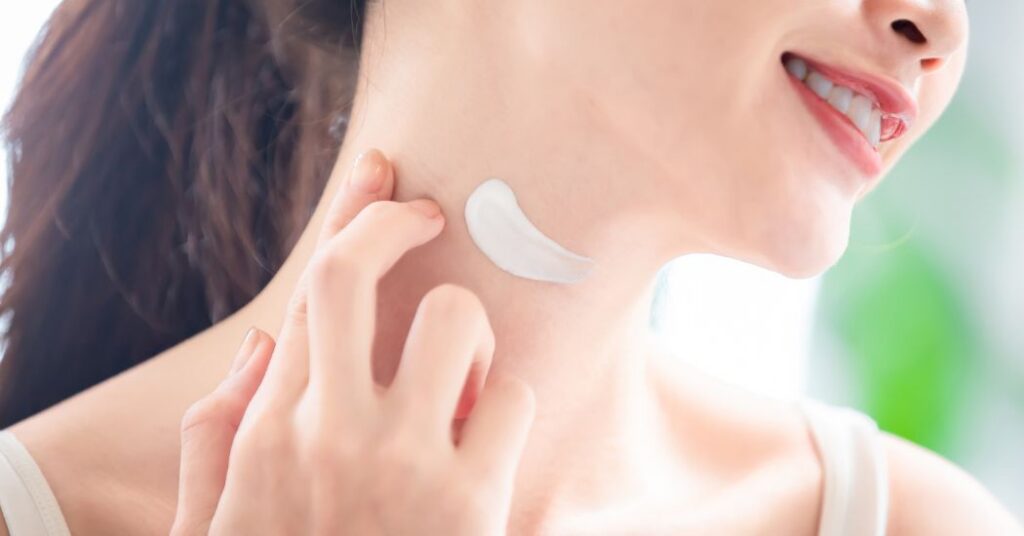
For individuals interested in non-invasive ways to support skin health around the neck, several skincare and lifestyle practices may be considered. While results can vary, consistent use of certain topical ingredients and daily habits may contribute to improved skin maintenance over time.

  • Hyaluronic Acid: A hydrating agent that helps retain moisture in the skin.
  • Retinol (Vitamin A): A derivative that may support cell turnover and collagen maintenance.
  • Vitamin C: An antioxidant that helps protect the skin from oxidative stress caused by environmental exposure.
  • Niacinamide (Vitamin B3): May help support the skin barrier and assist with moisture retention.
  • Peptides: Short amino acid chains that are often used in formulations aimed at maintaining skin structure.
  • Alpha Hydroxy Acids (AHAs): Exfoliating ingredients that help remove surface dead skin cells.
  • Green Tea Extract: A plant-based antioxidant that may help soothe the skin and provide environmental protection.
  • Glycolic Acid: A type of AHA used to support surface exfoliation and improve skin smoothness

Maintaining a balanced diet rich in fruits and vegetables, staying adequately hydrated, and engaging in regular physical activity may support overall skin health. Facial exercises are sometimes incorporated into skincare routines to encourage awareness of muscle movement, though evidence on their effectiveness remains limited. While these approaches do not offer immediate changes, consistent use over time may support healthier-looking skin.

How to Prevent Neck Wrinkles

Certain habits and skincare practices may help maintain the condition of the neck area and support the skin as it ages. While it’s not possible to prevent all wrinkles entirely, adopting these approaches may help slow their visible progression.

Lifestyle Changes to Prevent Neck Wrinkles

Making simple lifestyle changes can have a significant impact.

  • Maintain Good Posture: Keeping the head aligned and limiting prolonged downward movements may help reduce repetitive strain on the neck area.
  • Stay Hydrated: Drinking adequate water helps support the skin’s natural hydration levels.
  • Eat a Balanced Diet: Nutrient-rich foods can support the skin’s natural functions.
  • Avoid Smoking: Tobacco use may affect collagen levels and skin texture.
  • Limit Alcohol Consumption: Excessive alcohol may dehydrate the skin and affect its appearance.

Skincare Products for Neck Wrinkles Prevention

Topical products may also help support the skin on the neck. Formulations that contain ingredients such as retinol, peptides, and antioxidants are commonly used to maintain skin texture and elasticity. These ingredients may assist in strengthening the skin barrier and supporting collagen maintenance.

As with any skincare approach, individual responses vary. It is advisable to consult a qualified healthcare provider if you’re considering a tailored plan for skin maintenance or ageing-related concerns.

How to Maintain Results After Neck Wrinkle Treatment

Following aesthetic treatment for neck wrinkles, consistent at-home care and medical follow-up may help maintain skin condition over time. Establishing a skincare routine with gentle cleansing, daily moisturising, and adequate sun protection can support the skin’s natural function and hydration levels.

Using a broad-spectrum sunscreen with SPF 30 or higher daily—even on cloudy days—may help reduce exposure to UV rays, which are known to affect collagen and skin elasticity. Protective clothing such as scarves or wide-brimmed hats may offer additional support when outdoors.

In some cases, follow-up sessions for professional treatments may be part of a broader maintenance plan. A healthcare provider may advise a personalised schedule based on your skin’s response, goals, and any specific concerns.

For tailored advice on ongoing skin maintenance, you may wish to consult with a qualified medical practitioner. They can help assess your skin’s condition and suggest suitable options to support your routine.

Conclusion

Neck wrinkles are a natural part of the ageing process, but there are ways to manage their appearance through informed skincare and lifestyle practices. Understanding the potential causes and different types of lines can help you make decisions that support your skin’s health.

Whether you choose to incorporate at-home care or explore professional options, maintaining consistent habits over time may support the skin’s structure and texture. For personalised guidance, consider speaking with a medical professional who can offer recommendations tailored to your skin type and goals.
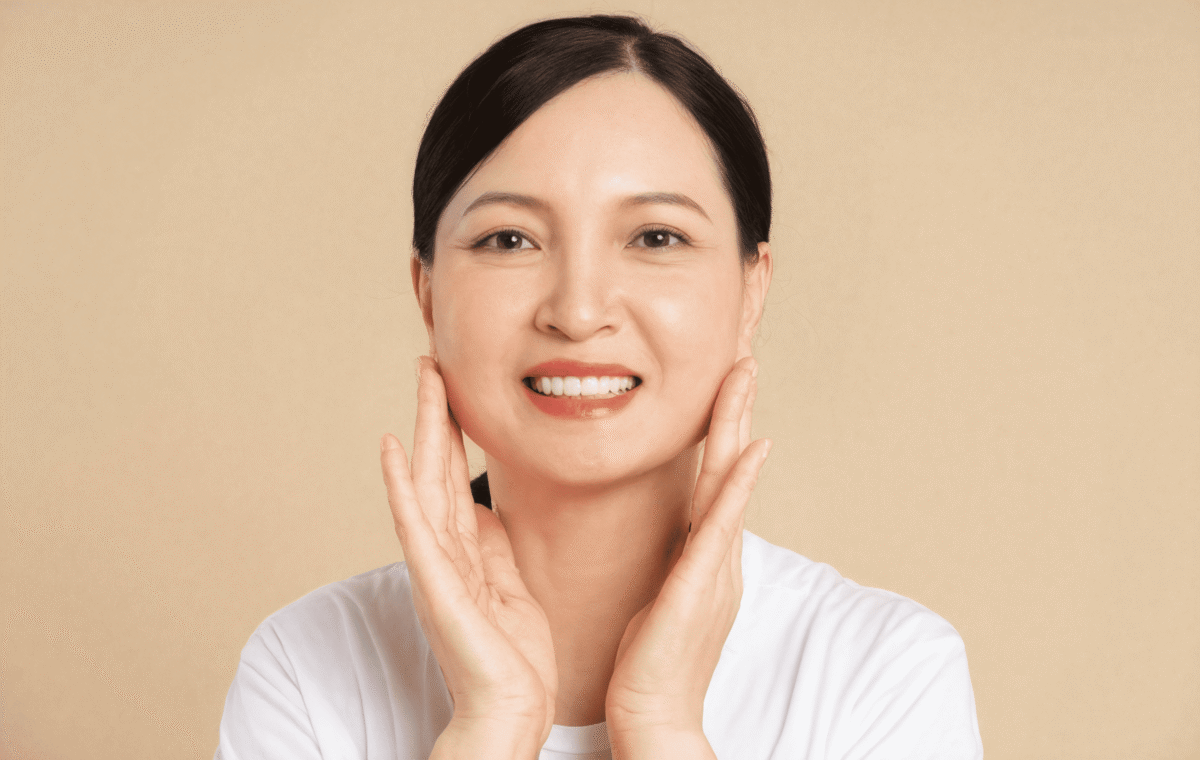

What Causes Smile Lines (Nasolabial Folds)? Treatments & Prevention

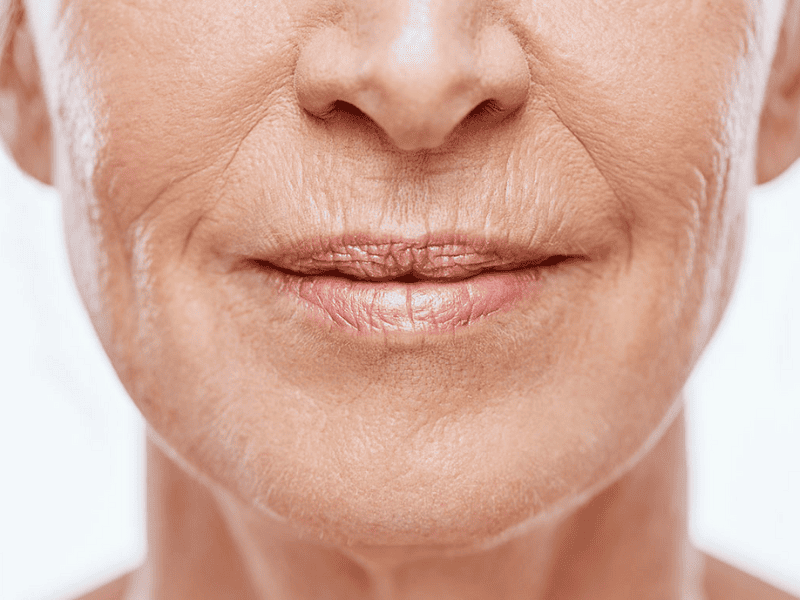
As you age, you may notice lines forming from the sides of your nose down to the corners of your mouth. These lines, known as nasolabial folds or smile lines, are a natural part of the ageing process. They may appear as early as your 20s or 30s and often become more noticeable with age

Understanding what smile lines are, why they occur, and how they can be treated or prevented can help you maintain your skin texture and take charge of your skin health.

What Are Smile Lines?

Smile lines, also known as nasolabial folds, are creases that appear around the mouth, often influenced by factors such as skin elasticity and facial expressions. The repeated movement of facial muscles can create lines in the skin over time. Although completely natural, many people notice these lines as part of the ageing process.

Smile lines tend to become more noticeable with age but can appear earlier, especially in people with frequent facial movements. Factors such as sun exposure, smoking, and diet may also influence when these lines become more noticeable. People with lighter skin types may notice these changes earlier.

Some people may be more aware of smile lines, particularly in settings where youthful appearance is emphasised. Recognising that these lines result from natural facial expressions places them in the context of normal ageing. There are a range of approaches, from skincare to professional treatments, that may help manage the visibility of smile lines

What Causes Smile Lines?

Smiling woman with glowing, clear skin posing against a soft peach background

The formation of smile lines is a multifactorial process influenced by intrinsic and extrinsic factors. Intrinsic Factors are the natural, internal processes that occur within the body and influence how we age. They are largely determined by genetics and include the biological ageing of cells and tissues:

  • Genetics: Genetics play a role in ageing, influencing skin elasticity and how the skin responds to changes over time.
  • Facial Muscle Use: Frequent facial expressions such as smiling, frowning, or squinting can create temporary lines. As skin elasticity decreases, these lines may become visible even when the face is at rest.
  • Cellular Changes. Over time, skin cells may become less efficient at regenerating and repairing, making signs of ageing more noticeable.
  • Mid-Face Sagging: Sagging in the mid-face area may contribute to the appearance of deeper laugh lines, as facial volume and support gradually reduce with age.

Extrinsic Factors involve external environmental influences that can accelerate ageing, particularly of the skin. These factors are often within our control or influence and include lifestyle choices and environmental exposures such as:

  • Sun Exposure. Prolonged UV exposure may contribute to wrinkles, pigmentation, and changes in skin texture. Sunscreen and protective clothing can help reduce UV exposure.
  • Pollution. Environmental pollutants may contribute to oxidative stress in the skin, affecting tone and potentially increasing the visibility of wrinkles. Skincare products with antioxidants may support skin resilience.
  • Smoking: Smoking is associated with reduced blood flow to the skin, which may affect elasticity and contribute to wrinkles. Stopping smoking may support overall skin health.
  • Diet and Lifestyle. Diet, physical activity, and sleep patterns may influence how the skin ages. A balanced diet, regular exercise, and sufficient rest can support overall skin health.

Treatment Options for Smile Lines

Understanding the treatment options available can help you make informed decisions about managing smile lines. Below are some commonly used approaches

Over-the-counter (OTC) Skincare Products

OTC skincare products can benefit those noticing the early development of smile lines. Look for products containing ingredients like:

  • Retinoids: These are vitamin A derivatives that may support skin cell turnover and encourage collagen production. They are commonly included in products aimed at reducing the visibility of fine lines.
  • Hyaluronic Acid: A powerful humectant that attracts moisture to the skin, helping maintain hydration. It is widely used in skincare formulations to support smoother-looking skin
  • Peptides: These are short chains of amino acids used in skincare products. They are thought to support skin structure and may contribute to firmness.
  • Vitamin C: An antioxidant that helps protect the skin from environmental damage, promotes collagen production, and can brighten the skin, reducing the appearance of wrinkles and fine lines.
  • Niacinamide: Also known as Vitamin B3, is used in skincare for its potential to support skin barrier function and even out tone.
  • Alpha Hydroxy Acids (AHAs): Ingredients like glycolic acid and lactic acid that exfoliate the outer layer of skin and may support cell turnover.

Dermal Fillers

Dermal fillers, such as hyaluronic acid injectables, may be used to restore volume beneath the skin. When placed strategically in areas like the cheeks and mid-face, they can provide a subtle lifting effect and may help soften the appearance of smile lines. This is considered a non-surgical option for managing age-related volume loss and facial lines.

Laser Therapy

Laser facial treatments, such as fractional CO2 lasers, deliver focused light energy to the skin, creating controlled effects in its deeper layers. This process may encourage collagen renewal and support smoother-looking skin. Laser therapy is considered a non-surgical option that may help improve the appearance of lines and texture

Microneedling

Microneedling involves the use of fine needles to create controlled micro-injuries in the skin, triggering a natural healing response. This process may support collagen formation and contribute to smoother-looking skin. It is generally considered a minimally invasive option, with recovery time varying by individual

Facelifts

Facelifts are surgical procedures that involve tightening the skin and underlying tissues of the face. This may reduce the visibility of smile lines and enhance overall facial contours. Compared to non-surgical approaches, facelifts usually require more recovery time.

Non-Surgical Facelift (HIFU / Ultherapy)

HIFU and Ultherapy use focused ultrasound energy to lift and tighten the skin without surgery. By delivering energy deep into the skin’s layers, these treatments stimulate collagen production and improve firmness. This process helps lift the mid-face area and soften smile lines, offering a natural-looking enhancement with minimal downtime.

Thermage Skin Treatment (Radiofrequency)

Thermage treatment can also be used to tighten the skin around the lower face and mid cheeks, reduce sagging and hence improve the appearance of the nasolabial folds.

How To Prevent Smile Lines

While treatments may address existing smile lines, preventive strategies can also support long-term skin health. Here are some commonly recommended practices:

  • Sun Protection: Regularly applying sunscreen with a high SPF helps protect your skin from harmful UV rays. This helps prevent sunburn, reduces the risk of skin cancer, and slows down premature ageing. Make sure to reapply every two hours, especially if you are sweating or swimming, to ensure continuous protection.
  • Moisturise: Keeping your skin well-hydrated is essential in minimising the appearance of wrinkles and fine lines. Choose a moisturiser that suits your skin type—whether oily, dry, or sensitive—and make it a part of your daily skincare routine. Consider using products with ingredients like hyaluronic acid or glycerin for extra hydration.
  • Healthy Lifestyle: A balanced diet rich in antioxidants, such as fruits, vegetables, nuts, and seeds, may support skin health by helping to counter oxidative stress. Combined with sufficient sleep and hydration, these practices contribute to overall wellbeing and may support skin appearance.
  • Avoid Smoking: Smoking is associated with reduced skin elasticity due to its impact on collagen and elastin. Avoiding smoking may help support skin health over time.
  • Stress Management: Chronic stress may influence skin health. Stress management techniques such as yoga, meditation, or regular exercise may help support overall well-being, which in turn can benefit the skin.

Common Myths About Smile Lines

There are several misconceptions about smile lines. One myth is that only older people get smile lines, but they can appear at any age due to factors like facial expressions and genetics

Another myth is that treating smile lines is expensive. Various affordable treatments and skincare products can effectively address smile lines, allowing you to manage them according to your budget.

When to Seek Professional Help

Consulting with a skincare professional may be helpful if smile lines are a concern. They can offer personalised advice and treatment options suited to your situation. If over-the-counter products and lifestyle adjustments are not sufficient on their own, medical procedures such as fillers or laser therapy may be considered.”

Conclusion

Smile lines are a natural aspect of ageing. Understanding their causes and the available treatment approaches can help you make informed decisions about management. Preventive measures and professional treatments may both play a role in supporting long-term skin health. Taking care of your skin through consistent habits may help maintain its overall condition over time.

Crow’s Feet: What is, Causes, 4 Treatments, and Prevention

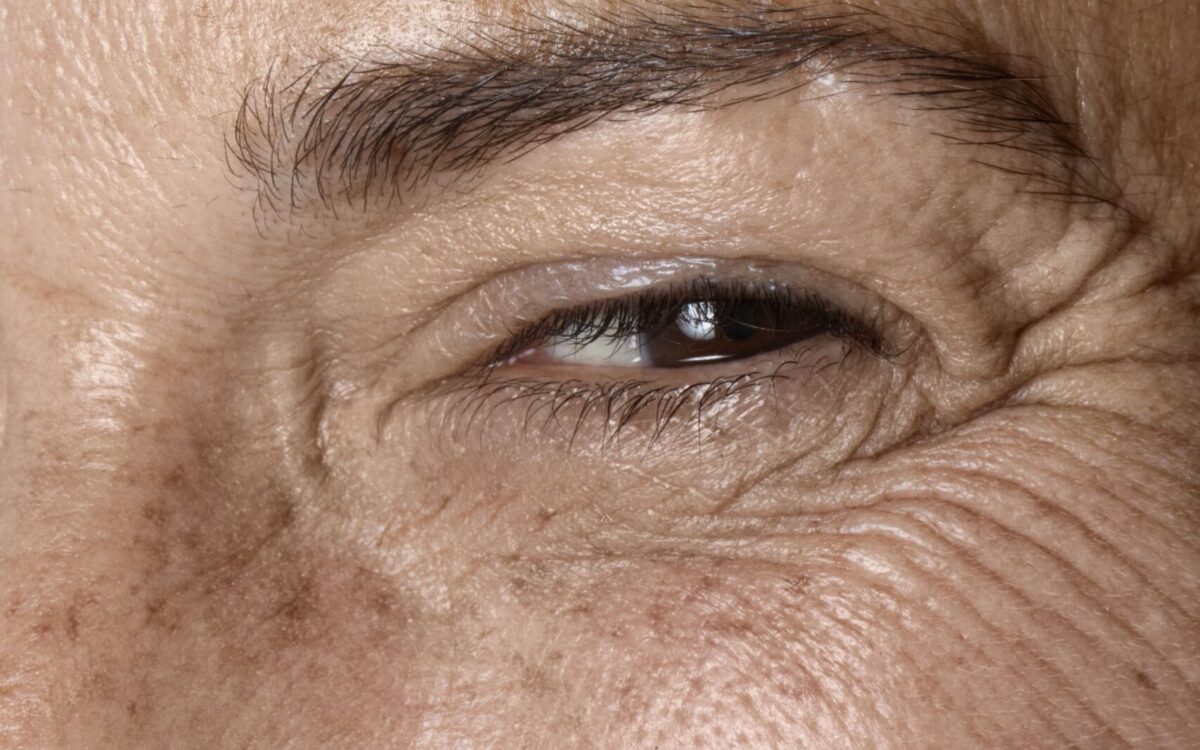
Crow’s feet, also called laugh lines or character lines, are fine wrinkles that commonly appear around the outer corners of the eyes as part of the natural ageing process. Many people notice these lines becoming more visible with time and may feel concerned about their appearance. Although they are a natural part of ageing, some people explore ways to reduce their visibility or delay their development. In this article, we’ll look at what crow’s feet are and their common causes, explore treatment options, and discuss prevention methods that may help delay their onset.

What Are Crow’s Feet?

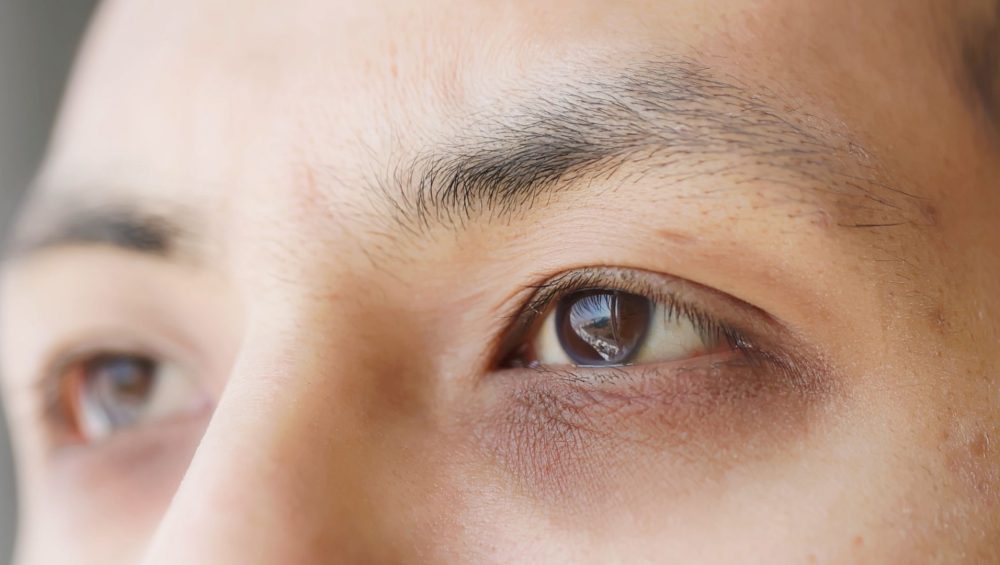
Crow’s feet (lateral canthal lines) are lines that radiate from the outer corners of the eyes. Many people notice these lines becoming more visible with time. As the skin naturally loses collagen and elastin, crow’s feet may become more noticeable. 

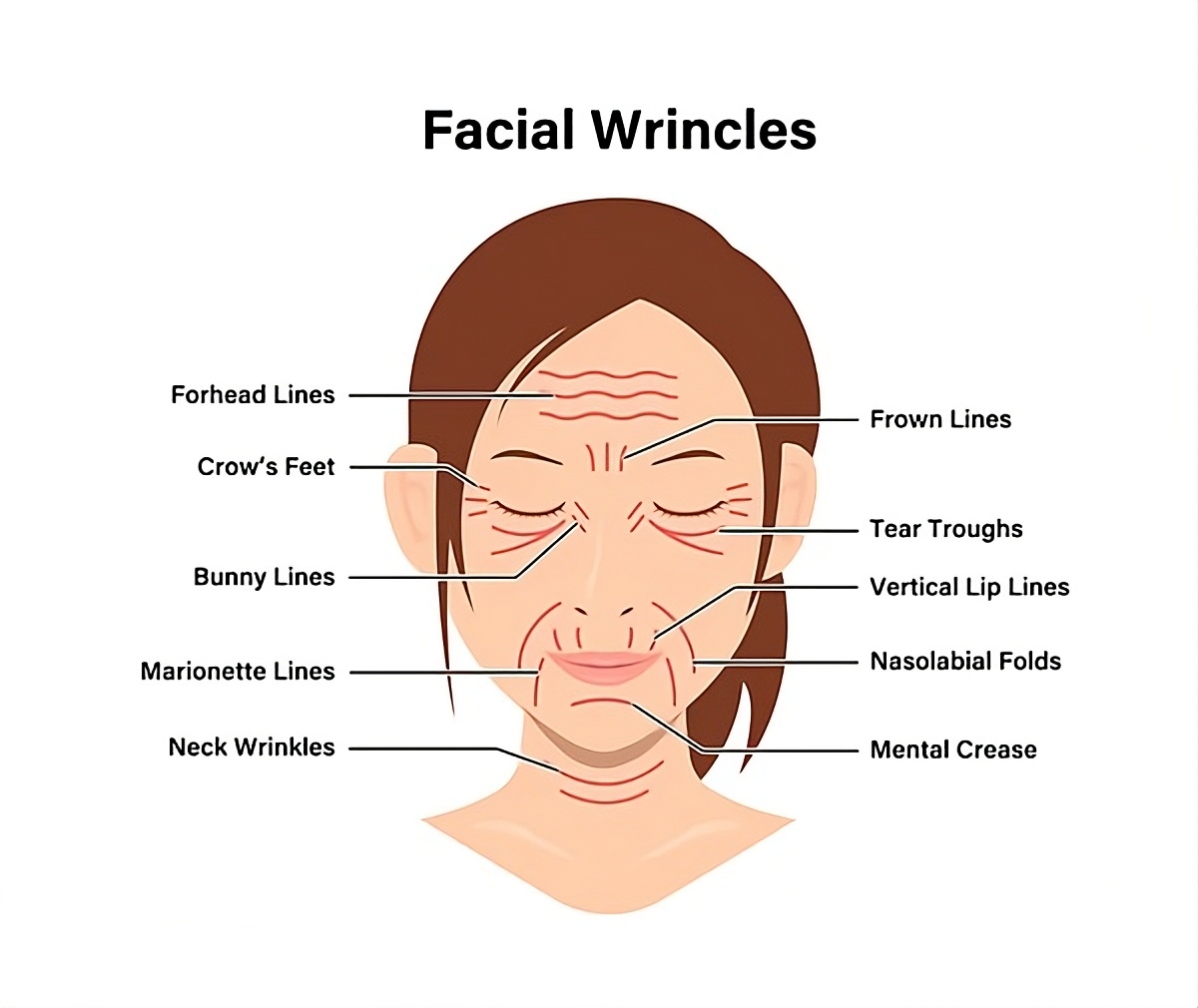
Crow’s feet are a type of wrinkle that can be differentiated from the others:

Type of Wrinkle Description Common Areas
Crow’s Feet Fine lines radiating from the eyes Outer corners of the eyes
Frown Lines Vertical lines between the eyebrows Between the eyebrows
Forehead Lines Horizontal lines formed by raising the eyebrows Forehead

Dynamic vs. Static Crow’s Feet

Crow’s feet can be classified into two categories: dynamic and static.

  • Dynamic Crow’s Feet
    • Appear with facial expressions
    • Visible mainly during movement
    • Often less noticeable at first
  • Static Crow’s Feet
    • Visible even when the face is at rest
    • Tend to persist without movement
    • May become more noticeable with age
Characteristic Dynamic Static
Appearance With movement At rest
Severity Less severe More pronounced
Treatment Options Anti-wrinkle injections Anti-wrinkle injections, fillers, and lasers

Causes of Crow’s Feet

Crow’s feet can develop from a combination of factors, including facial expressions, the natural ageing process, sun exposure, environmental influences, and lifestyle choices.

Facial Expressions and Movement

Facial expressions can lead to dynamic wrinkles. Common expressions that contribute to crow’s feet include:

  • Smiling
  • Squinting
  • Frowning
  • Laughing

Each time these muscles contract, they create temporary creases in the skin. Over time, these lines may become visible even when the face is at rest as the skin loses elasticity.

Ageing Process

The natural ageing process causes a gradual decline in collagen and elastin levels. As these proteins decrease, the skin loses elasticity and its ability to recover from movement, particularly around areas that experience frequent facial expressions, like the eyes.

Sun Exposure and Environmental Factors

Prolonged exposure to ultraviolet (UV) rays can damage collagen and elastin, which may make crow’s feet more noticeable earlier in life. Pollution and other environmental stressors may also contribute to oxidative stress in the skin, affecting its resilience and contributing to wrinkle development.

Lifestyle Factors

Some lifestyle choices can also influence the development of crow’s feet:

  • Smoking: May contribute to premature skin ageing by reducing oxygen supply to the skin.
  • Lack of Sleep: Insufficient sleep can affect the skin’s natural repair processes, which may make signs of ageing more noticeable.
  • Poor Hydration: Dehydrated skin is less resilient and may be more prone to developing fine lines.

Treatment Options for Crow’s Feet

There are various options available that may help manage the appearance of crow’s feet, ranging from skincare approaches to professional procedures.

Dermal Fillers

Dermal fillers are sometimes used around the eyes to add volume beneath the skin, which may reduce the visibility of fine lines such as crow’s feet. They typically contain hyaluronic acid, which is injected beneath the skin to support hydration and volume in the treated area.

Filler Type Composition Duration of Effects Benefits Drawbacks
Hyaluronic Acid Naturally occurring sugar in the body 6–12 months Immediate results; hydrating; reversible effects Requires maintenance; potential swelling or bruising
Calcium Hydroxyapatite (Radiesse) A mineral found in bones and teeth 12–18 months Longer-lasting; stimulates collagen production More expensive and may require touch-ups
Poly-L-lactic Acid (Sculptra) Biodegradable synthetic polymer Up to 2 years Gradual results and long-lasting Requires multiple sessions; results take time to appear
Polynucleotide Fillers (RJR) Purified polynucleotide solution 6–12 months Biostimulatory properties; improve skin texture Newer option with limited long-term data available
Collagen Fillers Purified collagen from human or bovine sources 3–6 months Natural appearance; effective for fine lines Shorter duration; potential for allergic reactions

Anti-Wrinkle Injections

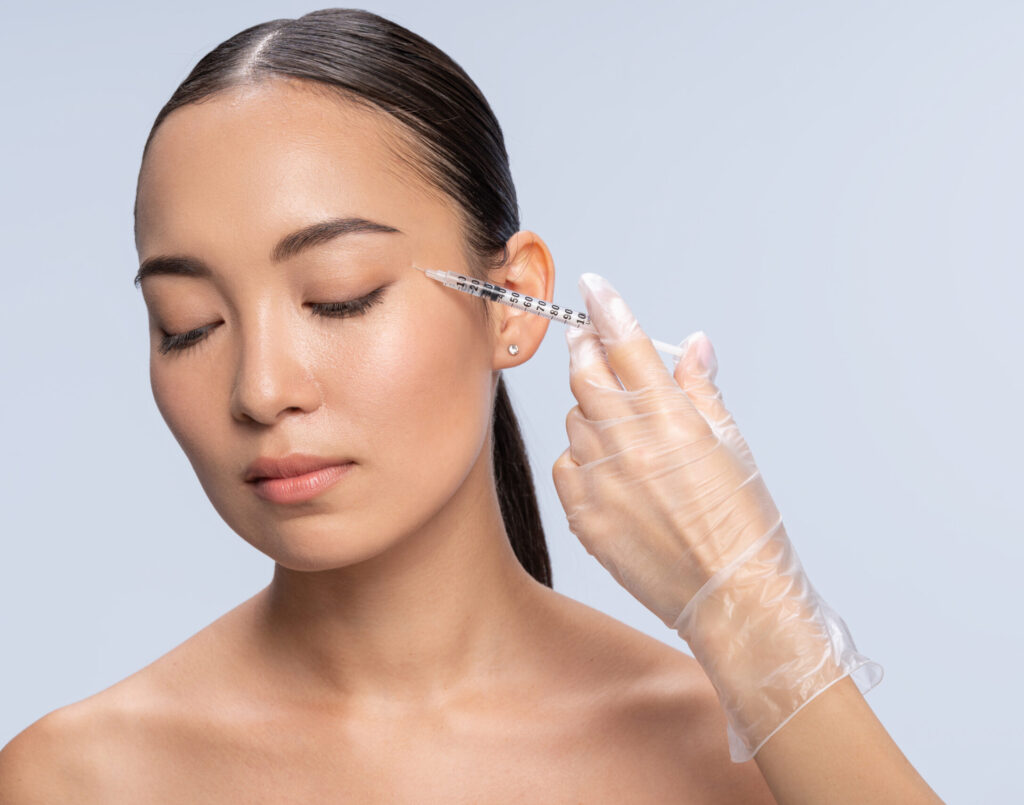
Anti-wrinkle injections involve using a purified protein to temporarily relax the muscles around the eyes. By limiting muscle contractions, this may reduce the visibility of crow’s feet. The duration of effects can vary depending on individual factors.

Laser Treatments

Laser therapy uses focused laser energy to target the skin, which may support renewal and improve overall skin texture. A commonly used approach is fractional laser resurfacing. This  creates controlled effects on the skin that may encourage collagen renewal, which can support firmness and reduce the visibility of lines over time. The effects of laser treatments can vary depending on the type of procedure and individual factors.

Topical Treatments (Retinol and Peptides)

Topical products containing retinol or peptides may help reduce the visibility of crow’s feet. Retinol supports skin cell turnover, which may improve texture and minimise the appearance of fine lines. Peptides are thought to support collagen in the skin, which may help with firmness and reduce the visibility of lines. Regular use is generally recommended to maintain their effects.

Continuous use of these topical treatments is necessary for ongoing benefits.

Treatment Method Pros Cons
Botox Quick procedure; minimal downtime; effective for dynamic wrinkles Temporary results; requires repeat treatments; potential side effects such as bruising
Dermal Fillers Immediate results; adds volume; longer-lasting than Botox Risk of swelling or bruising; potential for uneven results; requires maintenance
Laser Treatments Stimulates collagen production; long-lasting effects; improves skin texture Multiple sessions required; higher cost; possible downtime with redness or peeling
Topical Treatments Easy to use at home; can improve skin texture over time; no downtime Results take longer to appear; must be used consistently for effectiveness

How to Prevent Crow’s Feet

Prevention strategies for crow’s feet may include regular sun protection, hydration, a consistent skincare routine, facial exercises or massage, and healthy lifestyle choices.

Use of Sunscreen

Daily use of a broad-spectrum sunscreen with at least SPF 30 is recommended. It helps protect the skin from UVA and UVB rays, which may contribute to signs of ageing and the development of wrinkles. Wearing sunglasses or protective clothing can also help minimise sun exposure to the delicate skin around the eyes

Here are some ingredients to look into a sunscreen:

  • Zinc oxide
  • Titanium dioxide
  • Avobenzone
  • Octocrylene
  • Octinoxate

Hydration and Skincare Routine

Keeping the skin hydrated supports elasticity and may help reduce the visibility of fine lines. Adequate hydration and moisturisers containing ingredients such as antioxidants or collagen may help support skin moisture levels. A consistent skincare routine with hydrating eye creams may also support moisture retention in the skin around the eyes.

Healthy Lifestyle Choices

Adopting healthy habits may help slow the development of crow’s feet. These include:

  • Avoid smoking
  • Get 7-9 hours of quality sleep each night
  • Eat a balanced diet
  • Stay hydrated by drinking plenty of water
  • Limit alcohol consumption

How to Maintain Results After Crow’s Feet Treatment

To support the effects of crow’s feet treatments, a combination of follow-up sessions and a consistent skincare routine may be recommended. Some treatments may involve regular follow-up sessions, as their effects can vary in duration and may require maintenance over time.

Feature Benefit to You
Non-invasive No incisions, no needles, no injectables
Deep-layer targeting Stimulates dermis and SMAS for lasting structural support
Gradual, natural-looking results Lifting develops progressively over 2–3 months
Personalised treatment Adjustable depths and pulse modes tailored to your skin
No downtime Resume normal activities immediately after treatment

Conclusion

Managing crow’s feet may involve a combination of preventive measures and professional treatments. Preventive steps such as using sunscreen, maintaining hydration with a consistent skincare routine, and adopting healthy lifestyle choices may help support skin health and reduce the visibility of crow’s feet. 

While topical treatments and non-invasive options like dermal fillers, anti-wrinkle injections, and laser treatments can help reduce the appearance of fine lines and wrinkles, it’s important to consult a doctor to determine the suitable course of action for your individual needs.

The Difference Between Wrinkles and Fine Lines

Fine lines and wrinkles are common signs of ageing that may appear gradually as the skin changes over time. These features can be influenced by factors such as genetics, sun exposure, environmental stressors, and lifestyle habits.

Fine lines are often shallow and may be among the earliest visible changes to the skin’s surface. Wrinkles tend to be more defined and may develop as the skin’s elasticity and collagen levels decline with age. Recognising the difference between the two may help in choosing a more informed approach to skincare and treatment planning.

What Are Wrinkles and Fine Lines?

Fine Lines

Fine lines are shallow creases on the skin’s surface and may be among the earliest visible signs of ageing. They commonly appear in areas of frequent movement, such as around the eyes or mouth and may be associated with natural changes in collagen production and hydration over time. These lines are often more subtle than deeper skin folds and may benefit from a consistent skincare routine focused on support and maintenance.

Wrinkles

Wrinkles are more defined folds or grooves that tend to become more noticeable as the skin’s structure changes with age. Factors such as reduced elasticity, sun exposure, repetitive facial movements, and certain lifestyle habits may contribute to their development. Wrinkles typically appear on the forehead, around the eyes, and near the mouth. While they are a natural part of ageing, some individuals explore aesthetic options to soften their appearance.

What Causes Wrinkles and Fine Lines?

Fine lines and wrinkles may develop over time due to a combination of natural ageing and external influences. Understanding these contributing factors can support more informed skincare and lifestyle choices.

Natural Ageing Process

As the skin ages, it gradually produces less collagen and elastin. These changes can lead to reduced firmness and flexibility, causing the skin to appear thinner and less resilient. Fine lines may emerge first and can become more pronounced as wrinkles over time.

Environmental Factors

External elements such as sun exposure, air pollution, and changes in weather conditions may accelerate visible signs of ageing. Repeated facial movements like smiling or frowning may also contribute to the formation of lines in areas such as the eyes and mouth.

Lifestyle Factors

Certain lifestyle factors, such as tobacco use, ongoing stress, or nutritional imbalances, may influence the skin’s appearance. For example, smoking can affect circulation to the skin, while diets low in protective nutrients may reduce the skin’s ability to maintain and repair itself.

How to Identify Wrinkles vs Fine Lines?

Fine lines and wrinkles differ in depth, visibility, and how they develop over time. Here are some general characteristics that may help distinguish them:

  • Fine Lines: Fine lines are shallow creases that appear on the skin’s surface. They may be among the earliest visible changes linked to ageing. These lines often appear in areas that move frequently, such as around the eyes or mouth, due to repeated facial expressions. They tend to be more subtle than deeper folds and may respond well to a consistent skincare routine and preventive habits.
  • Wrinkles: Wrinkles are deeper and more noticeable folds that may develop as the skin changes with age. They can be influenced by factors such as reduced elasticity, long‑term sun exposure, and repeated facial movements. Wrinkles often appear on the forehead, between the brows, and around the mouth. Because they tend to be more pronounced, some individuals explore various aesthetic approaches to soften their appearance.

Treatments for Fine Lines and Wrinkles

Effectively addressing fine lines and wrinkles involves a range of treatments tailored to the skin’s needs. From over-the-counter products to professional procedures, understanding the right approach can help enhance the skin’s ability to recover and achieve a more youthful appearance. Below are some key over-the-counter treatments:

Over-the-Counter Treatments

Over‑the‑counter skincare products may support general skin maintenance and help improve overall texture and hydration. These products often contain ingredients that are commonly used in skincare routines. Below is an overview of some ingredients found in such products.

  • Retinoids: Retinoids are Vitamin A derivatives that are included in some skincare products. They are often used to support skin renewal and help improve the appearance of uneven texture. Individuals may incorporate them gradually, as these products can sometimes cause dryness or sensitivity.
  • Vitamin C Serums: Vitamin C is an antioxidant commonly found in serums that aim to support overall skin brightness and help protect against environmental stressors. These products are often used in morning routines alongside moisturisers or hydrating serums.
  • Peptides: Peptides are included in a variety of skincare formulations and are used to support general skin suppleness. They may help the skin feel smoother and more hydrated as part of a consistent routine.

Professional Treatments

Some individuals explore in-clinic procedures to support their overall skincare goals. These treatments are typically administered by qualified professionals and may be used to improve the appearance of surface texture and visible skin changes over time. Below are common options:

  • Chemical Peels: Chemical peels involve applying a solution to the skin to remove its outer layer. This process is often used to improve surface texture and may help with the appearance of fine lines.
  • Microdermabrasion: Microdermabrasion is a non-invasive technique that removes dead skin cells through gentle exfoliation. This method is commonly used to refine skin texture, particularly in areas with early signs of skin ageing.
  • Laser Treatments: Laser-based treatments use focused energy to target specific layers of the skin. These procedures are often used to support overall skin texture and appearance, and may be considered for both fine lines and more visible folds.

Individuals interested in these treatments are encouraged to speak with a qualified doctor for a full assessment before proceeding, as suitability may vary based on skin type and individual concerns.

Minimally Invasive Procedures

Some individuals explore minimally invasive aesthetic procedures to help improve the appearance of fine lines and wrinkles without undergoing surgery. These approaches vary in how they work and may address different skin concerns. Here’s an overview:

  • Anti-Wrinkle Injections: Anti-wrinkle injections are used to reduce the appearance of lines that form from repeated facial movements, such as those around the eyes or on the forehead. They work by temporarily affecting specific muscle activity. These injections are generally considered for areas with movement-related lines.
  • Dermal Fillers: Dermal fillers are used to replace volume in areas where the skin has become thinner or more hollow. This may help soften the appearance of deeper lines or skin folds. Fillers are commonly used in areas such as the cheeks, lips, or around the mouth.
  • Microneedling: Microneedling uses fine needles to create controlled micro-injuries on the skin’s surface. This technique is often used to support overall skin texture and may help with visible signs of ageing over time.

Minimally invasive options may be suitable for those looking for subtle aesthetic changes with shorter downtime. Individuals considering these procedures are encouraged to speak with a qualified doctor to determine whether a particular approach is appropriate for their skin type and concerns.

Surgical Options

Surgical procedures may be considered by individuals seeking more significant changes in the appearance of visible ageing. These procedures are typically performed by specialists in licensed medical settings. Here are some commonly discussed approaches:

  • Facelift: Facelifts involve repositioning the skin and underlying structures of the lower face and neck. This procedure is often considered for individuals with more visible signs of skin laxity or deep facial folds.
  • Brow Lift: A brow lift is a surgical option that adjusts the skin and soft tissue in the forehead region. It may be explored by those concerned with lines across the forehead or changes in brow position.
  • Eyelid Surgery: Also known as blepharoplasty, this procedure involves modifying the upper or lower eyelids. Some individuals choose this option to address heaviness or fullness in the eye area.

Surgical procedures may involve longer recovery periods and carry specific risks. Those considering these options should consult a qualified doctor to assess suitability based on individual health, skin condition, and personal goals.

Wrinkles and Fine Lines Prevention Tips

Fine lines and wrinkles are natural skin changes that may appear over time. While they cannot be fully avoided, some daily habits and skincare practices may help support overall skin health and appearance. Here are some general tips:

  • Protect Your Skin: Exposure to ultraviolet (UV) rays is a common external factor that may affect the skin’s appearance. Wearing broad-spectrum sunscreen daily, limiting time in direct sunlight, and avoiding tanning beds may help reduce exposure to UV radiation.
  • Stay Hydrated: Maintaining hydration is important for overall skin comfort. Drinking sufficient water throughout the day can support the skin’s natural moisture balance.
  • Maintain a Healthy Diet: Eating a diet rich in fruits, vegetables, and foods containing antioxidants may help support the skin’s natural repair processes and general wellbeing.
  • Avoid Smoking and Excessive Alcohol: Tobacco use and high alcohol consumption may affect how the skin looks and feels. Choosing to reduce or avoid these habits may support long-term skin health.
  • Get Enough Sleep: Restorative sleep plays a role in skin renewal. Establishing a consistent sleep schedule may help maintain the appearance of refreshed skin.
  • Use Gentle Skincare Products: Cleansers and moisturisers that suit your skin type may help minimise dryness and support the skin’s protective barrier. If you’re unsure what suits your skin, consider seeking guidance from a qualified professional.

Step-by-Step Skincare Routine

A consistent daily routine can help maintain the skin’s comfort and appearance:

  1. Cleanse: Use a gentle cleanser to remove dirt and buildup.
  2. Moisturise: Apply a moisturiser suitable for your skin type to support hydration.
  3. Protect: Use sunscreen in the daytime, especially when spending time outdoors

Can fine lines become wrinkles?

Fine lines are typically shallow and may appear due to repeated facial movements or dryness. Over time, as the skin changes with age, these lines may deepen and become more visible.

Are wrinkles reversible?

Wrinkles are a natural part of the ageing process and may become more noticeable over time. While they cannot be fully reversed, some individuals explore skincare routines or aesthetic options to support the skin’s appearance and manage visible signs of ageing.

Conclusion

Facial fine lines and wrinkles are natural changes that develop as the skin ages. While they cannot be completely prevented, certain habits and skincare practices may help support the skin’s overall condition and appearance. Some individuals also explore aesthetic options as part of their approach to managing visible signs of ageing.

Combining healthy lifestyle choices with a consistent skincare routine can contribute to maintaining the skin’s comfort and general well-being over time.

Combining Aesthetic Treatments: Benefits and 5 Popular Combinations

Some individuals may benefit from combining aesthetic treatments, especially when addressing more than one skin concern at a time. Using multiple therapies in a structured plan may support a more holistic approach to skincare, particularly for individuals with more than one concern. Here’s how selected treatment combinations may help address different concerns.

What Are Combination Therapies?

Combining aesthetic treatments involves using two or more procedures as part of a treatment plan to address specific skin-related goals. These plans are tailored to the individual’s concerns and may offer a more targeted approach compared to single-treatment options.

Why Are They Gaining Popularity?

  • Personalised Plans: Treatment combinations can be adjusted based on individual concerns, preferences, and clinical assessment.
  • Convenience: Some individuals may find that addressing more than one concern in a session is convenient and may reduce the number of visits required.
  • Synergistic Effects: Certain treatments may be used together in a way that supports both hydration and skin texture, depending on individual needs.

How Combination Therapies Work Together

Combination therapies involve using multiple procedures within a treatment plan, which may allow for a more targeted approach when addressing multiple skin-related concerns. These approaches are selected based on individual needs and clinical judgment.

Examples of Commonly Combined Treatment Approaches

Some procedures may be performed together to support various aspects of skin care, depending on the treatment goals. Examples include:

  • Hydration and Skin Texture:
    • Microneedling may be paired with hydration-focused injectables to address both skin texture and moisture levels, depending on individual needs.
  • Volume and Skin Laxity:
    • Volume-enhancing injectables and selected skin-tightening devices may be used in tandem to address concerns such as volume loss or reduced skin firmness.

Customised Plans

Treatment plans may be adjusted based on clinical assessment and individual concerns such as skin texture, laxity, or overall skin appearance. A qualified practitioner will evaluate your skin condition and recommend appropriate combinations based on suitability.

Downtime Coordination

When selected carefully, certain lower-downtime treatments may be combined in a way that aligns with patients’ recovery preferences. This approach may reduce the number of separate appointments needed and support convenience.

Benefits of Combining Aesthetic Treatments

Combining aesthetic treatments may support a more structured and personalised approach to managing various skin-related concerns. These treatment plans may be used to address multiple areas of focus during the same timeframe, based on clinical assessment.

Complementary Treatment Approaches

Certain procedures may be used in combination to address different aspects of skin health or appearance. For example, hydration-focused treatments may be performed alongside other procedures that target skin texture or laxity, depending on individual needs.

Treatment Planning and Scheduling Considerations

Some individuals may prefer combining procedures that can be performed in the same session to reduce the number of separate appointments. Treatment plans can be adjusted based on recovery timelines, clinical goals, and scheduling preferences.

Addressing Multiple Concerns

Treatment combinations may be considered for individuals with multiple skin-related concerns, including skin texture, tone variation or pigmentation. Each plan is tailored to the individual’s specific needs and goals following clinical evaluation.

Downtime

Depending on the types of procedures selected, some treatment combinations may align with patients’ preferences for lower-downtime options. This may be discussed during the consultation to plan accordingly.

Popular Combination Therapies

Certain aesthetic treatments may be planned together to address different skin-related concerns within a single treatment strategy. These combinations are selected based on individual needs and clinical assessment. Below are examples of treatment approaches that may be considered.

HIFU + Skin Hydration Injectables

This treatment option pairs High-Intensity Focused Ultrasound (HIFU) and injectable skincare treatments aimed at improving skin hydration. The procedures are selected to address both skin firmness and overall skin quality.

  • Purpose: HIFU treatments may be used to address skin laxity by targeting deeper tissue layers, while hydration-focused injectables may support skin moisture and elasticity. The combination is chosen based on individual skin concerns.
  • Target Areas: Common areas for this treatment include the face, neck, and décolletage.
  • Results: Some individuals may notice changes in skin texture, hydration levels, or firmness over time. Responses vary depending on individual factors.
  • Ideal For: Individuals with concerns related to skin laxity, dryness, or changes in skin texture may discuss this option during consultation.

This approach focuses on addressing both deeper tissue support and surface skin quality, depending on suitability.

Ultherapy + Anti‑Wrinkle Injections

This combination combines Ultherapy, a non-surgical lifting treatment, with anti‑wrinkle injections to address different aspects of facial ageing.

  • Purpose: Ultherapy may be used to address skin laxity, while anti‑wrinkle injections are used to reduce muscle activity associated with certain facial lines.
  • Target Areas: Commonly treated areas include the forehead, crow’s feet, and jawline.
  • Results: Some individuals may observe changes in skin firmness or the appearance of dynamic lines over time. Outcomes vary based on individual response.
  • Ideal For: Individuals exploring non-surgical options for concerns such as skin laxity or expression-related lines may discuss this combination with a medical practitioner.

Individuals exploring non-surgical options for concerns such as skin laxity or expression-related lines may discuss this combination with a medical practitioner.

Fillers + Anti-Wrinkle Injection

  • Purpose: Dermal Filler may be used to support facial volume in targeted areas, while anti-wrinkle injections may reduce the appearance of expression-related lines. Aesthetic practitioners will assess whether this combination is suitable based on individual needs
  • Target Areas: Commonly discussed areas include the lips, forehead, and nasolabial region.
  • Results: Individuals may notice changes in facial fullness and the appearance of expression lines, depending on individual response.
  • Ideal For: This approach may be explored by those looking to manage both volume loss and expression-related lines within a single treatment plan.

This dual treatment works synergistically to improve facial structure and surface smoothness, delivering a subtle yet transformative outcome.

Fractional CO2 Laser + Subcision

This treatment approach combines a fractional CO2 laser with subcision to address concerns related to deeper textural irregularities in the skin.

  • Purpose: Subcision breaks up tethered scar tissue to release deep scars, while the Fractional CO2 Laser resurfaces uses laser resurfacing on the skin and reduces the effects of sun damage for improved texture and tone.
  • Target Areas: Commonly treated areas include acne scars and surgical scars.
  • Results: Achieve dramatic improvement in scar depth, smoother skin texture, and even more complexion.
  • Ideal For: This combination may be suitable for those whose concerns involve deeper textural changes. A consultation is necessary to assess clinical appropriateness.

This synergistic approach addresses scars’ structural and surface components, delivering noticeable, long-lasting improvements.

Pico Laser + Chemical Peel

This combination approach uses Pico Laser and Chemical Peels which may be used together to address concerns related to pigmentation and skin texture.

  • Purpose: Picosecond laser treatments may be used to address pigmentation concerns at different skin depths, while chemical peels exfoliate the skin surface to support overall skin renewal. The suitability of this combination depends on individual skin condition and assessment.
  • Target Areas: Common areas discussed for this approach include the face, neck, and hands.
  • Results: Some individuals may notice changes in skin tone, texture, or the appearance of pigmentation over time. Individual outcomes vary.
  • Ideal For: Individuals with concerns related to uneven skin tone or pigmentation may discuss this combination with a medical practitioner during consultation.

This combination allows different layers of the skin to be addressed within a coordinated treatment plan, based on clinical evaluation.

Are Combination Therapies Safe?

Combination therapies may be considered safe when assessed and performed by qualified professionals in licensed medical settings. A consultation is essential to determine whether the treatment plan aligns with your individual skin needs and health profile. Licensed clinics follow relevant safety guidelines, and outcomes can vary depending on the combination of procedures and how your skin responds.

Book a consultation today to explore the right combination treatments may be appropriate for your concerns.

How to Maximize Results When Combining Treatments

Preparation and aftercare may support better comfort and experience during and after combination treatments. Your provider may recommend pre-treatment guidelines to prepare your skin and post-treatment care such as hydration and sun protection. These steps can support the skin’s recovery process.

Follow-up visits may also be suggested depending on your skin’s response and treatment goals.

Potential Risks and Side Effects

Combination treatments are commonly used in aesthetic practice, but as with any procedure, there may be associated risks. Temporary effects such as redness, swelling, or mild bruising can occur and typically resolve within a few days. While less common, some individuals may experience side effects based on the type of treatment or personal sensitivity.

It is advisable to undergo treatments in licensed clinics with qualified practitioners who can provide a personalised assessment and explain the steps for pre- and post-treatment care.

FAQs

Is Combining Treatments Safe for Everyone?

While combination treatments are generally safe, they may not suit everyone. Factors like medical history, skin condition, and treatment goals are evaluated during a consultation to ensure safety and effectiveness. Always consult a qualified provider for aesthetic procedures to determine the best approach for your needs.

How Much Does it Cost to Combine Treatments?

The cost of combining popular aesthetic treatments in Singapore can vary depending on the types of procedures, the clinic, and the number of sessions required. Here’s a general estimate for a combination of different treatment modalities:

  • Ultherapy + Anti-Wrinkle Injections: SGD 2,000 to SGD 4,500
  • Fillers + Anti-Wrinkle Injections: SGD 1,000 to SGD 3,000
  • Fractional CO2 Laser + Subcision: SGD 1,500 to SGD 4,000
  • Pico Laser + Chemical Peel: SGD 800 to SGD 2,500

Book a consultation with Lux Medical Aesthetic Clinic for a detailed cost breakdown and personalised recommendations.

Will I Need More Downtime When Combining Treatments?

Downtime varies depending on the treatments combined. Some treatment pairings, such as Ultherapy with anti-wrinkle injections, may be associated with limited recovery periods for some individuals. Others, such as Fractional CO2 Laser with Subcision, may involve longer recovery depending on individual skin response. Your practitioner will provide detailed guidance tailored to your treatment plan.

What Are the Popular Combinations?

Combination approaches in aesthetic medicine vary depending on the individual’s goals and clinical assessment. Some commonly discussed pairings include:

  • Ultherapy with anti-wrinkle injections – often explored for addressing facial skin concerns.
  • Fillers with anti-wrinkle injections – may be considered for facial volume loss and lines.
  • Pico Laser with Chemical Peel – used in cases related to uneven skin tone and texture.

A qualified practitioner can recommend suitable treatments based on your concerns and clinical evaluation.

How Many Treatments Can Be Combined at Once?

The number of treatments that may be combined depends on your skin’s condition and the types of procedures involved. Your practitioner will assess your concerns and may recommend a treatment plan that considers both safety and individual skin response. In some cases, treatments may be spaced out over time to support recovery and comfort.

Conclusion

Combining aesthetic treatments may provide an approach that addresses multiple skin concerns in a coordinated way. In certain instances, procedures may be performed in the same session, depending on your provider’s clinical judgment and your skin’s response.

It is advisable to consult a medical professional who can assess your condition and recommend appropriate options. A licensed clinic can help determine whether combination or standalone treatments align with your needs following a detailed consultation.

Sunken Eyes: What is it, Causes, Treatments, and Prevention Tips

Sunken eyes, also known as tear trough deformity, are characterised by a hollow or darkened appearance beneath the eyes. This feature can influence facial appearance and create a tired or shadowed look.

Various management approaches are available that may help address the hollowing beneath the eyes. These include non-invasive skincare methods, energy-based treatments, and surgical procedures. Each approach varies in its technique and suitability, depending on individual needs.

Understanding the causes and available management options for sunken eyes can help you make informed decisions about maintaining or improving the appearance of the under-eye area.

What Causes Sunken Eyes?

Understanding the underlying causes of sunken eyes can provide useful insight into the factors that influence this condition. Several elements may contribute to the appearance of hollowing beneath the eyes:

Ageing

As part of the natural ageing process, the skin gradually loses volume, fat, and collagen, particularly in the delicate under-eye area. This reduction makes the skin thinner and less supportive, leading to a more noticeable tear trough (the hollow under the eyes).

Genetics

Some individuals are predisposed to deeper tear troughs due to genetic factors. A family history of similar facial features may indicate a hereditary tendency towards sunken eyes.

Lifestyle Factors

Lifestyle habits can influence the appearance of the under-eye area. Insufficient sleep may contribute to fatigue and accentuate hollowness beneath the eyes. Dehydration, which can result from low water intake, smoking, or alcohol use, may also cause the skin to appear dry and sunken.

A diet lacking in essential vitamins and minerals can affect collagen maintenance, which may accentuate the hollow appearance over time.

Health Conditions

Certain health conditions can contribute to sunken eyes. Allergies may cause nasal congestion and puffiness around the eyes, producing a shadowed effect. Sinus infections can similarly cause inflammation that affects the under-eye region. Rapid weight loss can also reduce facial fat, which may make the under-eye area appear more hollow.

Symptoms of Sunken Eyes

Recognising the signs of sunken eyes can help determine when a professional assessment may be useful. The features can vary among individuals but often include the following characteristics:

  • Hollow or Shadowed Appearance: A noticeable hollowing under the eyes can create a shadow or darker appearance in this area.
  • Dark Circles or Under-Eye Discolouration: Individuals with sunken eyes may also observe dark circles beneath the eyes, with the degree of discolouration varying between individuals.
  • Persistent Tired Appearance: Despite adequate rest, the under-eye area may still appear shadowed or fatigued.
  • Accompanying Features: These changes may also occur alongside dryness or mild irritation in the under-eye area. The skin may appear thinner or more transparent, sometimes revealing visible blood vessels.

Treatment Options for Sunken Eyes

When it comes to managing sunken eyes, several treatment approaches are available. The appropriate method depends on factors such as the severity of the condition and individual needs, and may include either non-invasive treatments or surgical procedures.

Non-Invasive Treatments

1. Topical Skincare Products

Topical skincare products may help support skin health around the under-eye area, offering a non-invasive way to maintain hydration and skin resilience.

Key ingredients that may support under-eye care include

  • Hyaluronic acid (HA): Helps attract and retain moisture, supporting skin hydration in the under-eye area.
  • Retinoids: Encourage cell turnover and support collagen production, contributing to smoother and more resilient skin.
  • Vitamin C: Acts as an antioxidant that supports a more even skin tone.
  • Peptides: Assist in maintaining collagen and skin repair processes.

Eye creams and serums containing these ingredients can be used as part of a daily skincare routine to maintain hydration, elasticity, and overall skin health around the under-eye area. Changes in the appearance of this region may occur gradually with consistent use.

2. Laser Treatments

Laser treatments are a non-invasive approach sometimes used to manage skin concerns associated with sunken eyes. Procedures such as CO₂ or fractional laser therapy work by stimulating collagen activity in the skin, which may help refine texture and support firmness around the under-eye area.

These treatments typically allow for a short recovery period and may require several sessions, depending on individual needs. Laser therapy is used to support overall skin quality and resilience rather than to provide immediate or permanent changes.

3. Microneedling

Microneedling is a minimally invasive procedure that uses fine needles to create controlled micro-injuries on the skin’s surface. This process stimulates collagen activity and supports natural skin renewal, which may help refine texture and resilience around the under-eye area.

The procedure is typically carried out over several sessions spaced a few weeks apart, depending on individual needs. Mild redness or swelling may occur temporarily after treatment, and most individuals can resume their usual activities soon after.

4. Dermal Fillers (Tear trough fillers)

Dermal fillers are temporary volumising procedures used to add subtle volume beneath the eyes. They contain hyaluronic acid, a naturally occurring substance in the body that helps retain moisture and support the under-eye contour.

This non-surgical procedure produces visible effects shortly after treatment, and most individuals can resume normal activities soon after. The duration of effect may range between 6 and 18 months, depending on individual characteristics and the specific type of filler used.

5. Skin Booster

Skin boosters are an injectable approach used to improve skin hydration and quality in the under-eye area. Treatments often use formulations such as Polynucleotides (PDRN) or Hyaluronic Acid (HA), which may help support skin structure. By encouraging natural repair processes, skin boosters may help improve the appearance of fine lines and mild hollowness caused by thinning skin.

This treatment is typically administered over a series of sessions to support gradual improvements that maintain a natural appearance. Most individuals experience minimal downtime, though a professional assessment is necessary to determine the most suitable formulation for your skin type

6. Linerase Treatment

Linerase treatment is a bio-stimulating injectable that contains Heterologous Type I Collagen (HTIC), a purified equine-derived collagen that supports the skin’s natural renewal process. When applied to the under-eye area, it acts as a scaffold to encourage collagen activity in the skin, which may help support skin texture and soften the appearance of under-eye hollowing. Linerase may be used on both the upper and lower eyelids, depending on individual suitability, to support the delicate skin in these areas.

This treatment is typically administered over a series of 4 sessions, spaced 2 weeks apart, depending on individual skin condition and treatment goals. As with most injectable treatments, mild swelling or bruising may occur at the injection site. A professional assessment is required to determine suitability and treatment planning.

Surgical Options

For individuals considering longer-term management of sunken eyes, surgical options may be explored. These approaches generally involve a greater recovery commitment than non-invasive methods and aim to restore volume or adjust underlying structures around the eyes.

1. Fat Transfer (Autologous Fat Grafting)

The fat transfer procedures involve harvesting fat from another part of the body, such as the abdomen or thighs, and injecting it into the under-eye area to restore volume. This method uses the individual’s own fat and may provide effects that last longer compared to temporary procedures. These surgeries typically involve a recovery period, as is common with surgical treatments.

2. Eyelid Surgery (Blepharoplasty)

Blepharoplasty involves repositioning or removing fat and excess skin around the eyes. This procedure aims to refine the contour of the under-eye area and address concerns related to skin laxity or volume changes. Similar to fat transfer, this option involves a recovery period and may be considered for individuals seeking a surgical approach.

3. Tear Trough Implants

Tear trough implants are surgical devices placed beneath the eyes to restore volume and support the under-eye contour. This procedure is considered a longer-term approach and may be suitable for individuals with significant volume loss in this area.

As with other surgical options, a recovery period is required following this procedure.

Benefits of Non-Surgical vs. Surgical Treatments

Understanding the differences between non-invasive and surgical options for managing sunken eyes can help inform decision-making. Each approach varies in its technique, duration of effect, and level of recovery required.

Non-Invasive Treatments

  • Shorter Recovery: These treatments usually allow individuals to resume normal activities soon after each session.
  • Adjustable Approach: The treatment plan can be modified or paused depending on individual needs and progress.
  • Gradual Changes: Results may appear progressively over multiple sessions.
  • Lower Commitment: Non-invasive options are performed without surgery and typically require less recovery time.

Surgical Treatments

  • Longer-Lasting Effects: Surgical procedures may offer more enduring outcomes compared to temporary treatments.
  • Structural Adjustment: Suitable for individuals who prefer a procedure that modifies the under-eye contour.
  • Addressing Advanced Concerns: These procedures may be considered when significant hollowing or skin laxity is present.
  • Comprehensive Approach: Surgical options can address both volume restoration and excess skin in a single procedure.

Prevention Tips for Sunken Eyes

Certain daily habits may help maintain healthy skin around the eyes and support overall skin resilience:

  • Stay Hydrated: Adequate hydration supports skin elasticity and general skin health. Keeping the body well hydrated helps the under-eye area appear refreshed.
  • Use Sunscreen: Applying a broad-spectrum sunscreen can help protect the delicate under-eye skin from UV-related damage and preserve its integrity.
  • Follow a Consistent Skincare Routine: Using moisturising products or eye creams that support collagen activity may help maintain hydration and elasticity in the under-eye area.
  • Get Enough Sleep: Quality rest supports overall skin recovery and may help minimise puffiness and dark circles.

When to Consider Professional Help

If you notice persistent hollowing beneath the eyes, a professional assessment may help determine suitable management options. Understanding when to consult a professional can help you take the next steps toward achieving the results you want.

  • Limited Response to Home Care: If topical or at-home skincare efforts do not appear to improve the under-eye area, medical review may be helpful.
  • Pronounced Hollowing: If the hollowness beneath the eyes becomes more noticeable over time, a consultation can help assess potential causes.

Finding the Right Treatment for You

Selecting a management approach for sunken eyes depends on individual anatomy, preferences, and clinical findings. A doctor can evaluate the condition and recommend suitable non-surgical or surgical options based on medical assessment.

During a consultation, the practitioner can explain available methods and expected recovery considerations, allowing you to make an informed decision that aligns with your needs.

Conclusion

If you notice persistent hollowing beneath the eyes, various management options are available to support skin health and under-eye appearance. These include topical skincare products that help maintain hydration and elasticity, as well as procedures such as microneedling, dermal fillers, and surgical interventions, depending on individual needs.

Understanding these approaches can help you make informed decisions about managing this concern. A consultation with a healthcare professional can provide further assessment and guidance on appropriate options for your specific condition.

What are Marionette Lines? Causes, Treatments, and Prevention Tips

We’ve all noticed the lines that can form around the mouth as skin matures. Often referred to as marionette lines, these are vertical lines that run from the corners of the mouth down to the chin. They’re a natural feature that becomes more noticeable over time due to changes in skin structure and elasticity.

In this blog post, we’ll explore what marionette lines are, what causes them, and the treatment options that may help improve their appearance. We’ll also share practical skincare habits that may help delay their development.

What Are Marionette Lines?

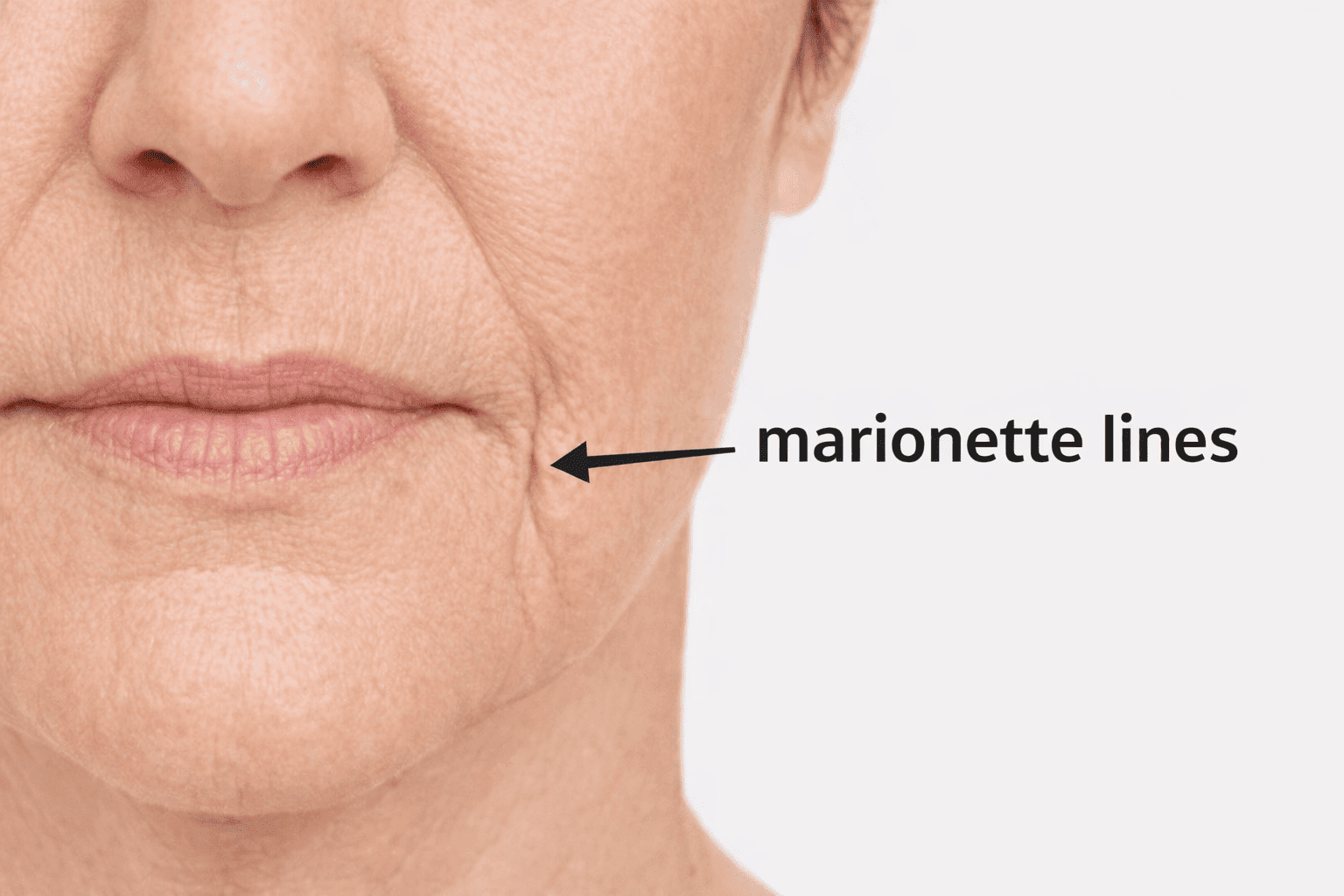
Marionette lines, also called “puppet lines”, are vertical lines that extend from the corners of the mouth to the chin. These lines tend to become more visible over time due to changes in skin structure and elasticity. While they are a normal part of the ageing process, some individuals seek ways to manage their appearance.

To identify marionette lines, look at the area extending from the corners of the mouth down to the chin. These lines can vary in depth and visibility and often become more noticeable with age and other contributing factors. The next section outlines common causes of marionette lines.

Causes of Marionette Lines

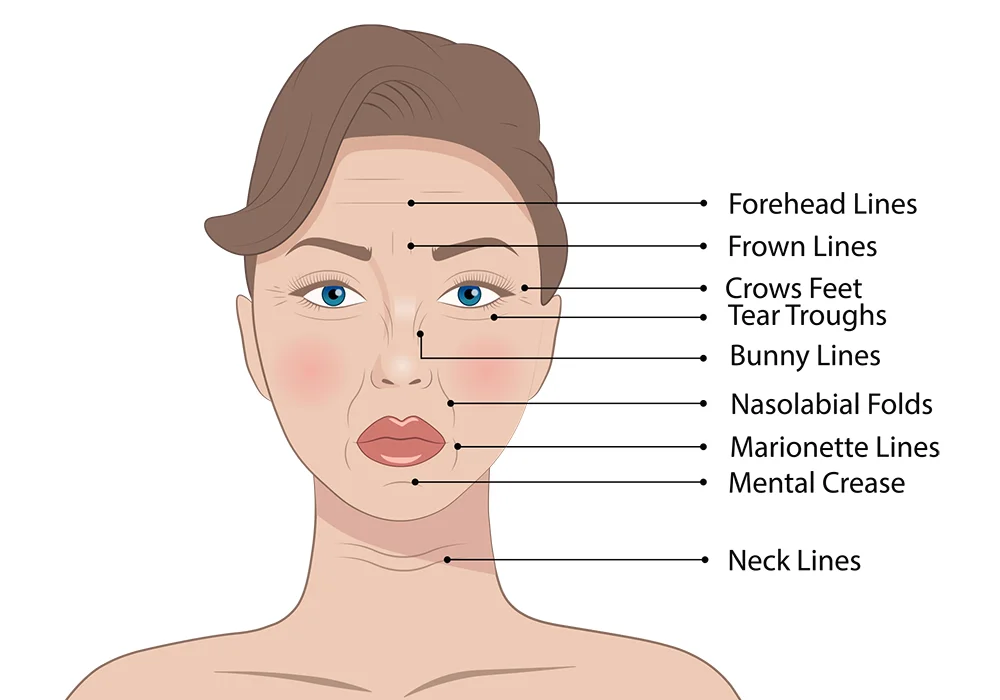
Illustration showing different types of facial lines and wrinkles including forehead lines, crow’s feet, nasolabial folds, and marionette lines

Several factors contribute to the development of marionette lines.  Understanding these may guide your approach to managing their appearance and supporting overall skin health.

Ageing

With age, the skin naturally produces less collagen and elastin—proteins that support elasticity and volume. This reduction contributes to skin laxity and the formation of wrinkles, including marionette lines. While the ageing process is natural, consistent skincare practices may support skin health over time.

Genetics

Genetics can influence how and when marionette lines appear. If your family members have similar features, you may have a predisposition to developing them. Being aware of this may help you make informed skincare choices that support long-term skin maintenance.

Repeated Facial Expressions

Repeated facial movements—such as smiling or frowning—can gradually influence the formation of expression lines. The muscles around the mouth are particularly active, which may contribute to the development of marionette lines over time. While this is a natural process, being aware of facial habits may support broader skincare goals.

Lifestyle Factors

Lifestyle factors can affect skin appearance and condition. Prolonged sun exposure may accelerate visible signs of ageing by breaking down collagen and elastin—proteins that help maintain skin structure. Smoking may also reduce skin oxygenation and nutrient delivery, contributing to the development of lines over time. Taking steps such as applying sun protection and avoiding smoking may support overall skin health.

Treatment Options for Marionette Lines

For individuals who have developed marionette lines, there are various treatment options available. These range from non-invasive procedures to surgical interventions. Below is an overview of commonly used approaches.

1. Dermal Fillers

Dermal fillers, such as hyaluronic acid, are one option used in the management of marionette lines. These substances are injected into the lower face to help restore volume in areas where skin laxity is more apparent. This approach may help improve the appearance of marionette lines. Results vary between individuals and are generally temporary.

The procedure is usually completed in a short time and does not involve surgery. As a minimally invasive approach, it may appeal to individuals seeking temporary improvements without undergoing more extensive procedures.

2. Anti-Wrinkle Injections

Anti-wrinkle injections work differently from fillers. Rather than adding volume, Anti-Wrinkle Injections relax the muscles around the mouth, which can help reduce the appearance of marionette lines. They can smooth out existing lines and prevent new ones from forming by preventing the muscles from contracting.

Like fillers, anti-wrinkle injections are a non-invasive treatment with minimal downtime. However, the effects are temporary and typically last three to four months. Regular maintenance treatments are needed to sustain results.

3. Laser Resurfacing

Laser resurfacing is a method used to remove the outer layer of skin cells, which may help improve the appearance of surface irregularities, including lines around the mouth. This process can also stimulate collagen production, encouraging skin renewal over time. Individual outcomes may vary.

Different types of lasers may be used in resurfacing, depending on individual skin type and concerns. It’s important to consult a qualified medical practitioner to determine the most suitable approach. Some downtime is usually required for recovery following this treatment.

4. Chemical Peels

Chemical peels involve the application of a chemical solution to exfoliate the outer layer of the skin. This process may support skin renewal and help improve the appearance of uneven skin texture. Some individuals consider this option to address concerns such as marionette lines, although results can vary..

Peels are available in different strengths, ranging from superficial to deep. The appropriate type depends on individual skin concerns and tolerance for recovery time. Milder peels typically involve minimal downtime, while deeper treatments may require a longer healing period.

5. Skin Tightening Treatments

Non-surgical skin tightening treatments, such as ultrasound or radiofrequency, work by heating the deeper layers of skin to stimulate collagen production. These treatments can improve skin elasticity, making marionette lines less noticeable.

The advantage of skin tightening treatments is that they are non-invasive and usually require no downtime. However, multiple sessions may be needed to achieve the desired results, and the effects may not be as immediate as other options like fillers or Botox.

6. Facelift or Mini Facelift

Surgical options, such as a facelift or mini facelift, may be considered in cases where more extensive intervention is appropriate. These procedures involve removing excess skin and adjusting underlying tissues, which may help reduce the appearance of facial wrinkles, including marionette lines.

Surgical procedures typically involve longer recovery periods and carry risks associated with invasive interventions. It is important to consult a qualified medical practitioner to understand the potential outcomes, limitations, and suitability based on your individual needs.

7. Topical Treatments

Incorporating topical products into a regular skincare routine may support skin health and hydration over time. Here are some commonly used ingredients:

  • Retinoids: Vitamin A derivatives that promote skin renewal and are often used in the management of fine lines and wrinkles
  • Peptides: Short chains of amino acids that support skin structure and are commonly included in formulations aimed at maintaining skin firmness and elasticity
  • Hyaluronic Acid: A humectant that helps retain moisture in the skin, supporting hydration and improving the skin’s appearance.
  • Vitamin C: An antioxidant that brightens the skin and boosts collagen synthesis, helping to reduce the appearance of dark spots and even out skin tone. It also protects the skin from environmental damage caused by free radicals.
  • Niacinamide: A form of vitamin B3 that reduces inflammation and improves the skin barrier function. It helps minimise redness, blotchiness, and the appearance of pores, leaving the skin looking smoother and more even-toned.
  • Glycolic Acid: An alpha hydroxy acid (AHA) that exfoliates dead skin cells from the surface, revealing fresher, brighter skin underneath.

While topical treatments may not offer immediate results, consistent use can lead to gradual improvements in skin texture and tone. Consider consulting a doctor to recommend products tailored to your skin type and concerns.

Prevention Tips for Marionette Lines

While marionette lines are a natural part of ageing, certain daily habits may support skin health and help delay their visible appearance.

  • Skincare Routine: Establish a consistent skincare regimen that includes gentle cleansing, moisturising, and daily sun protection. Choose a cleanser that effectively removes impurities without stripping natural oils, and pair it with a moisturiser suited to your skin type to help maintain hydration. Products containing antioxidants, such as vitamin C and peptides, may help support collagen maintenance and protect the skin from oxidative stress.
  • Sun Protection: Apply a broad-spectrum sunscreen with at least SPF 30 each day, regardless of the weather, to help protect your skin from UV exposure. Prolonged sun exposure may contribute to visible signs of ageing and increase the risk of long-term skin damage. Wearing wide-brimmed hats and UV-blocking sunglasses may further reduce the risk of sunburn and protect sensitive areas such as the skin around the eyes.
  • Healthy Lifestyle: Eating a balanced diet rich in fruits and vegetables can provide essential vitamins and antioxidants that support skin health. Staying hydrated plays a role in maintaining overall skin condition and elasticity. Adequate sleep supports the skin’s natural repair processes, contributing to overall skin well-being.
  • Avoid Smoking: Tobacco use can affect skin texture and tone by impacting collagen and elastin. Quitting smoking may benefit skin appearance and also support overall health.
  • Facial Exercises: Facial exercises are sometimes included in skincare routines to promote facial muscle movement and awareness. While evidence on their effectiveness is limited, some individuals find them helpful in supporting their daily skin maintenance practices.

When to Seek Professional Help

While skincare and at-home measures may help support overall skin health, some individuals choose to explore professional options to address age-related changes. If you have questions or would like personalised advice, consider scheduling a consultation with a qualified medical practitioner.

Certain professional aesthetic treatments may help improve the appearance of marionette lines. A qualified practitioner can advise on options that are suitable for your skin type and goals. They can also address any questions or concerns you may have about available options or potential side effects.
Conclusion

Marionette lines are a natural part of the ageing process. Understanding what they are and the factors that contribute to them is the first step in exploring possible treatment or prevention strategies.

Whether you choose to explore professional treatments or maintain a preventative skincare routine, there are several approaches that may help support your skin’s condition as it ages. Consistent skincare and healthy lifestyle habits may help maintain overall skin health and manage visible signs of ageing.

With the right habits and guidance, you can continue to support your skin’s natural functions and appearance over time.

What Causes Perioral Lines (Lip Lines)? Treatment and Prevention Tips

Perioral lines, commonly called lip lines, are fine wrinkles that form around the mouth, primarily due to the natural ageing process. These lines are a natural feature that may become more noticeable with age. Understanding what perioral and upper lip lines are, as well as their causes and management approaches, can provide useful insight into skin ageing. In this article, we’ll explore the causes, treatment options, and prevention strategies for perioral lines.

What Are Perioral Lines?

Perioral lines are the fine lines and wrinkles that appear around the mouth and lips. These lines develop naturally with age and can appear at different stages of life. They may also occur in younger individuals, depending on factors such as lifestyle habits or environmental exposure.

Other common facial lines include forehead lines, crow’s feet, and nasolabial folds. Each type develops for different reasons and may be addressed in different ways. Below is a comparison table outlining the areas affected and common causes of perioral lines compared with other facial wrinkles.

Wrinkle Type Location Common Causes
Perioral Lines Around the mouth Ageing, smoking, sun exposure
Crow’s Feet Around the eyes Squinting, sun exposure, ageing
Forehead Lines Across the forehead Facial expressions, sun exposure
Nasolabial Folds From the nostrils to the corners of the mouth Ageing, loss of skin elasticity

This distinction is important when considering treatment options, as each type of wrinkle may require a different approach.

Causes of Perioral Lines

Different factors can contribute to the development of perioral lines. Let’s explore some of the common ones.

Ageing and Loss of Collagen

Ageing is a natural process everyone experiences, and it contributes to the development of upper lip lines. Over time, the skin loses elasticity and firmness due to a decline in collagen and elastin production. Collagen, a structural protein, supports the skin’s structure, firmness, and elasticity, which may influence how lines and wrinkles appear over time. As we age, collagen production naturally decreases, which can affect skin texture and appearance.

Smoking

Smoking can contribute to the development of perioral lines. The repetitive puckering motion, combined with exposure to toxins in cigarette smoke, may speed up the skin’s ageing process. Here are some ways smoking impacts the skin:

  • Reduces blood flow to the skin, depriving it of essential nutrients.
  • Promotes the breakdown of collagen and elastin.
  • Contributes to the formation of smoker’s lines.

Sun Damage

Sun exposure is one factor linked to skin ageing, including changes around the lips. This is related to the effect of UV radiation on collagen and elastin in the skin. Over time, this may contribute to thinning of the skin around the mouth and make lines more noticeable. Ultraviolet (UV) rays may affect collagen and elastin fibres, which can make wrinkles more visible.

Other Factors

Apart from ageing, smoking, and sun exposure, other factors that can contribute to perioral lines include:

  • Genetics: Some people may be predisposed to developing early signs of ageing due to their genetic makeup.
  • Facial expressions: Repetitive facial movements like smiling or pouting can contribute to wrinkle formation over time.
  • Dehydration: Dehydrated skin can appear dry and dull, which may make fine lines more noticeable.

Types of Perioral Lines

Understanding the different types of perioral lines can help identify the nature of these wrinkles and the factors contributing to their formation.

Smoker’s Lines

Smoker’s lines are vertical wrinkles that develop above the upper lip. These lines tend to be more noticeable in smokers due to the repeated puckering motion made while inhaling from a cigarette. This repeated movement may contribute to collagen breakdown around the mouth over time, resulting in more prominent lines.

However, non-smokers can also experience this concern. Ageing naturally reduces collagen and elastin in the skin, contributing to the development of smoker’s lines. A consistent skincare routine, such as keeping the skin well-hydrated and protecting it from sun exposure, may help reduce the appearance of these lines. For those looking to address visible lines, various treatment options are available and can be discussed during a consultation.

Marionette Lines

Marionette smile lines are vertical wrinkles that extend from the corners of the mouth down towards the chin. These lines may create a drooping effect, which can sometimes give the face a tired or downturned appearance. They’re named after the jointed mouthlines found on marionette dolls, which allow for mouth movement.

As the skin naturally loses elasticity and volume with age, marionette lines can become more visible. Several factors, including repeated facial movements and reduced skin firmness, may contribute to their development over time.

Vertical Lip Lines

Vertical lip lines appear along the upper and lower lips and are often thin and linear in shape. They may be more noticeable due to certain repetitive movements and external influences. Common contributing factors include:

  • Repeated lip movements, such as pursing or using straws
  • Thinner skin in the lip area
  • Environmental and lifestyle factors, such as sun exposure and smoking

Treatment Options for Perioral Lines

There are different approaches that may help improve the appearance of perioral lines. These range from non-invasive methods to more involved procedures, depending on individual needs and preferences.

Dermal Fillers

Dermal fillers, such as those containing hyaluronic acid, are sometimes used to address lines around the mouth. They work by adding volume beneath the skin, which may reduce the appearance of wrinkles. 

When considering fillers or any treatment option, it’s important to have a thorough consultation with a qualified medical professional. They can explain what the procedure involves, discuss possible outcomes, and advise on whether it is suitable for your specific concerns.

Anti-Wrinkle Injections

Anti-wrinkle injections are sometimes used to relax muscles around the lips, which may help reduce the appearance of fine lines in this area. By targeting specific muscles, these injections can soften movement-related wrinkles around the mouth.

Here are the typical steps of the procedure:

  • Consultation to assess suitability: A qualified medical professional will first evaluate whether the treatment is appropriate. This assessment may include reviewing medical history, discussing treatment goals, and outlining possible risks or contraindications.
  • Application of a topical numbing cream: A numbing cream may be applied to the treatment area to help make the procedure more comfortable.
  • Targeted injections: Using a fine needle, the practitioner injects small amounts of the product into selected muscles around the mouth. The number and placement of injections vary depending on individual anatomy.
  • Downtime and results. Most people can resume daily activities soon after treatment. The effects of anti-wrinkle injections may become noticeable within several days, though this can vary between individuals.

Temporary swelling or bruising at the injection sites can occur and generally resolve on their own. Your doctor may provide post-treatment care guidance to support recovery and reduce potential side effects.

Laser Treatments

Laser resurfacing is sometimes used to address perioral lines. Treatments such as CO₂ and fractional lasers target the skin’s surface and may stimulate collagen production, which can help soften the appearance of wrinkles.

  • Possible benefits: Laser treatment may improve the texture of the skin and reduce the visibility of fine lines.
  • Possible drawbacks: The procedure usually requires some recovery time, and temporary redness or swelling may occur.
  • Consultation: A qualified medical professional can explain how laser treatments work, discuss whether they are suitable for you, and outline potential risks and aftercare needs.

The table below compares laser resurfacing with other non-surgical treatments for lip lines, such as dermal fillers and microneedling. Each method is evaluated based on its benefits, estimated costs, and the typical duration of results.

Treatment Method Benefits Duration of Results
Laser Therapy Precise treatment; can address multiple skin concerns like texture and tone. Several years, depending on skin type and care.
Dermal Fillers Immediate results; minimally invasive. 6–18 months, depending on the product used.
Microneedling Improves texture; stimulates collagen production. 3–6 months, but cumulative effects can be long-lasting.

Microneedling

Microneedling uses a device with fine needles to create controlled micro-injuries in the skin. This process may encourage collagen production, which can help improve the appearance of mild to moderate perioral lines.

Key benefits of microneedling for perioral lines include:

  • Minimal downtime compared to laser treatments.
  • Gradual improvement in skin texture and firmness.
  • It can be combined with other treatments for enhanced results.

Skincare Products for Perioral Lines

Topical skincare products can support skin health and may help with the appearance of perioral lines. Commonly used ingredients include retinoids, peptides, hyaluronic acid, vitamin C, niacinamide, and alpha hydroxy acids (AHAs).

  • Retinoids: Derived from vitamin A, these ingredients may encourage skin cell turnover and support collagen production. They can also cause irritation or dryness when first introduced, so gradual use is generally recommended.
  • Peptides: These small proteins play a role in skin repair and renewal. They may help signal the skin to produce collagen and elastin, which support skin structure.
  • Hyaluronic acid (HA): A humectant that attracts and retains water in the skin, helping to maintain hydration. This may temporarily make fine lines appear less visible.
  • Vitamin C: An antioxidant that may help protect the skin against damage caused by UV exposure and environmental pollutants.
  • Niacinamide: Supports the skin barrier, may help reduce redness, and contributes to smoother texture.
  • Alpha hydroxy acids (AHAs): Exfoliants that may improve skin texture and reduce the visibility of fine lines over time.

How to Prevent Perioral Lines

Preventing perioral lines often involves a combination of skincare and lifestyle practices that support overall skin health.

Lifestyle Changes to Prevent Perioral Lines

Making adjustments to daily habits may help reduce factors that contribute to the early development of fine lines around the mouth. Consider the following practices:

  • Avoid smoking: Smoking is linked to faster skin ageing and an increased risk of vertical lines around the lips. Quitting reduces exposure to toxins that affect collagen and elastin, helping to maintain skin structure.
  • Stay hydrated: Drinking water throughout the day supports hydration, which may help the skin appear smoother and healthier.
  • Eat a balanced diet: A varied diet that includes fruits, vegetables, proteins, and healthy fats provides nutrients such as vitamins C and E, and omega-3 fatty acids, which support skin repair and function.
  • Get enough sleep: Adequate rest allows the body to repair cells, including those in the skin. Aim for 7–9 hours per night to support overall skin health.
  • Exercise regularly: Physical activity improves blood circulation, which supports oxygen and nutrient delivery to skin cells and contributes to normal repair processes.

Skincare Products for Preventing Perioral Lines

Topical products may complement lifestyle measures in maintaining skin health and reducing the visibility of fine lines. Ingredients that are commonly included in skincare formulations are:

  • Sunscreens: Daily sunscreen use protects the skin from UV radiation, a key contributor to premature skin ageing. Broad-spectrum products with SPF 30 or higher are generally recommended.
  • Moisturisers: Hydrating products containing ingredients such as hyaluronic acid or glycerin help the skin retain moisture, supporting elasticity and comfort.
  • Antioxidant serums: Products with vitamins C and E may help protect skin cells from free radical damage caused by environmental exposure.

How to Maintain Results After Perioral Line Treatment

Maintaining the effects of perioral line treatments involves following a consistent skincare routine and adhering to your doctor’s aftercare advice. Attending follow-up appointments when recommended also supports ongoing skin health.

  • Follow your Skincare Routine – Continue with the skincare plan suggested by your doctor. Ingredients such as retinoids, peptides, and hyaluronic acid-based moisturisers may support hydration and skin structure.
  • Follow-up Appointments – If you’ve undergone treatments such as injectables or lasers, your doctor may recommend periodic reviews. These sessions allow for monitoring of progress and adjustment of care if needed. Open communication with your healthcare professional ensures your plan remains appropriate for your skin’s condition.

Conclusion

Perioral lines may be a natural part of ageing. Still, you can effectively manage and prevent them with the right knowledge and approach. By understanding the causes and exploring available treatment options for upper lip wrinkles, you can choose the right strategies for reducing and preventing these common signs of ageing.

Whether you opt for invasive procedures or prefer a more conservative approach with topical treatments and lifestyle changes, there are numerous ways to achieve and maintain smoother, younger-looking skin around the mouth. Consulting with a qualified practitioner can provide personalised recommendations for those considering professional treatments.

Anti-Wrinkle Injections for Gummy Smile: What Is It, Benefits, Risks & Alternatives

A gummy smile refers to the visible display of the upper gums when smiling. In some cases, individuals explore treatment options to adjust the movement of the upper lip. Anti‑wrinkle injections may be used to reduce the activity of specific muscles involved in lip elevation. This non‑surgical approach focuses on moderating muscle movement to achieve a more proportionate smile appearance.

What is a Gummy Smile?

A gummy smile occurs when more than 2 millimetres of gum tissue is visible above the upper teeth when smiling. While this is not a medical concern, some individuals may wish to address it for aesthetic reasons.

Common causes include genetic factors, overactive upper lip muscles, jaw structure variations, or dental concerns such as short teeth or delayed tooth eruption. Identifying the underlying cause—such as enlarged gum tissue or vertical maxillary excess—helps guide the selection of an appropriate treatment approach.

What Are Anti‑Wrinkle Injections and How Are They Used for a Gummy Smile?

Anti‑wrinkle injections may be used to help reduce the appearance of excessive gum exposure when smiling. This is a non‑surgical approach that involves administering small amounts of anti‑wrinkle medication into specific facial muscles responsible for lifting the upper lip.

The treatment aims to relax these muscles, which may reduce the upward pull of the upper lip and allow it to rest slightly lower, covering more gum tissue when smiling. The effects are temporary and typically last between 3 to 6 months.

Potential Effects of Anti‑Wrinkle Injections for Gummy Smile

Anti‑wrinkle injections may be considered as a treatment option for a gummy smile. This non‑surgical approach is typically completed within a short appointment and may involve minimal downtime. Below are some potential effects associated with this treatment:

Aesthetic Benefits

  • Balanced Gum-to-Teeth Ratio: Anti‑wrinkle injections may help adjust the visible balance between the gums and teeth when smiling, contributing to a more proportionate appearance.
  • Improved Smile Aesthetics: This approach may reduce excessive gum visibility while preserving normal facial movement and expression.

Practical Benefits

  • Non-Surgical with Quick Recovery: As a non‑surgical treatment, anti‑wrinkle injections do not require incisions and typically allow individuals to return to daily activities shortly after the procedure.
  • Temporary, Allowing Adjustments: The effects of treatment for a gummy smile are temporary and typically last a few months, allowing adjustments to be made over time based on individual response and preferences.

What to Expect During the Procedure

Before the procedure, your doctor will assess your smile, discuss your concerns and expectations, and provide pre‑treatment advice, such as avoiding certain medications that may increase the risk of bruising.

The treatment involves administering anti‑wrinkle injections into specific muscles involved in upper lip movement using a fine needle. The procedure typically takes about 10–15 minutes and may cause mild discomfort. Many individuals are able to resume work and normal daily activities shortly after the session.

How Long Do Anti-Wrinkle Injections Last for a Gummy Smile?

The effects of anti-wrinkle injections for a gummy smile typically last between 3 to 6 months. Duration may vary based on individual factors such as metabolism and muscle activity. As the effects wear off, the treated muscles gradually regain movement, and gum visibility may return. Follow-up sessions may be considered to maintain the treatment effect over time.

Are There Any Risks or Side Effects?

Common side effects of anti-wrinkle injections for a gummy smile include temporary discomfort or mild swelling at the injection site. Less commonly, individuals may experience over-relaxation of the upper lip muscles or slight asymmetry. Such effects are usually short-lived and monitored during follow-up appointments.

How Much Does Treatment for a Gummy Smile Cost?

In Singapore, fees for this treatment typically range between SGD 200 to SGD 600, depending on the number of units used and the clinic’s pricing structure. A consultation with a qualified practitioner is necessary to assess your needs and provide accurate pricing.

Alternatives to Anti-Wrinkle Injections for Gummy Smile

Anti-wrinkle injections are one non-surgical option used to address gummy smiles in some cases, but may not be suitable for everyone. Other treatment approaches may be considered depending on the underlying cause of excessive gum visibility.

Surgical Options for Addressing Gummy Smile

  • Gum Contouring, or gingivectomy, This procedure involves reshaping the gum line by removing excess gum tissue to expose more of the tooth surface. It may be considered for individuals whose gummy smiles are related to excessive gum coverage.
  • Lip Repositioning Surgery: This surgical approach involves adjusting the upper lip’s position to reduce the amount of gum that shows when smiling. It may offer longer-lasting effects for cases linked to hyperactive lip muscles or a high upper lip.

Other Non-Invasive Gummy Smile Treatment Options

Lip Fillers: Dermal fillers may be used to enhance upper lip volume, which can help lower the lip’s position and reduce gum visibility in some individuals. This non-surgical approach produces temporary effects that typically last between 6 to 12 months.

Who is a Suitable Candidate for Gummy Smile Treatment with Anti-Wrinkle Injections?

Anti-wrinkle injections may be considered for individuals with a gummy smile caused by overactive upper lip muscles or minor structural concerns. This treatment may not be suitable for individuals with significant jaw-related conditions, excessive gum tissue requiring surgical correction, or those who are pregnant or breastfeeding. A consultation with a medical practitioner is essential to assess suitability.

Is the Treatment Painful?

Anti-wrinkle injections for a gummy smile may cause mild discomfort, often described as a brief pinprick. Any sensation is usually temporary. You can schedule a follow-up appointment with your practitioner a few weeks after treatment to assess the effects and make adjustments where necessary. Following aftercare instructions can help minimise post-treatment discomfort.

Can Anti-Wrinkle Injections Be Combined with Other Treatments?

Anti-wrinkle injections may be combined with other options, such as dermal fillers or gum contouring, depending on your individual needs and goals. Your practitioner can advise on an appropriate treatment plan during your consultation.

Conclusion

Anti-wrinkle injections may be considered as a non-surgical approach for addressing a gummy smile. The effects are temporary, and the procedure is typically well-tolerated with a short recovery period. It may help reduce upper lip elevation by relaxing specific muscles involved in smiling. Treatment plans are individualised based on clinical assessment.

Alternatives, including surgical and non-invasive options, may be more suitable for some individuals. A consultation with a qualified medical practitioner is essential to assess suitability and explore appropriate treatment options.

Shoulder Anti-Wrinkle Injections: What is it, How it Works and Benefits

Anti-wrinkle injections can be administered into the shoulder muscles for both aesthetic and therapeutic purposes. This treatment may help relieve tension in the lower neck, improve posture, and address concerns related to the appearance of the neck and shoulder areas. If you’re experiencing persistent shoulder tightness or discomfort, and you’re considering a non-surgical approach, this could be a suitable option to explore.

This guide outlines how anti-wrinkle injections are used in the shoulder area, what the procedure involves, and whether it may be appropriate for your specific concerns.

What is Shoulder Anti-Wrinkle Injections?

Anti-wrinkle injections can be administered into the trapezius and surrounding shoulder muscles to address concerns related to shoulder tension and posture. This non-surgical treatment may help reduce muscular activity in the targeted area, which could support relief of discomfort and contribute to a more contoured appearance in some individuals.

By targeting specific areas of the shoulder, the procedure aims to ease muscle tightness and may assist with improving mobility in the neck and upper back region.

Key Uses of Anti‑Wrinkle Injections for Shoulder:

  • Muscle Relaxation:
    May help reduce tightness and stiffness in the shoulder muscles, supporting relief from discomfort associated with overuse or ongoing muscle tension.
  • Posture Improvement:
    Anti‑wrinkle injections may help reduce strain on the shoulders and upper back, which can support better posture over time.
  • Tension and Pain Relief:
    May help ease tension‑related discomfort, including neck and shoulder pain linked to stress, repetitive strain, or conditions such as trapezius muscle hypertrophy.
  • Reduction of Bulk in Trapezius Muscles:
    Anti‑wrinkle injections to the trapezius area may help address the appearance of bulky shoulders by contributing to a more streamlined neck and shoulder profile.
  • Enhanced Comfort During Physical Activities:
    May help reduce muscular strain, supporting more comfortable movement during physical activities.

How do anti-wrinkle injections work in shoulder contouring?

To reduce muscle activity, anti-wrinkle injections are administered into specific muscles, most commonly the trapezius. This treatment may help relax the targeted muscles, and over time, reduced muscle activity can contribute to a decrease in muscle prominence. This may support a more defined appearance in the upper back and shoulders for some individuals.

Common Muscle Groups Targeted in Shoulder Contouring:

  • Trapezius Muscle:
    The trapezius is the primary muscle involved in this treatment. In some individuals, its size and frequent use may contribute to the appearance of a broader upper back or shoulders.
  • Deltoid (occasionally):
    In selected cases, the deltoid muscle may also be considered to further support shoulder contouring.

Benefits of Anti‑Wrinkle Injections for Shoulder

Anti-wrinkle injections may be considered for both therapeutic and aesthetic purposes. Depending on individual concerns, this treatment could support muscle relaxation, ease discomfort, or contribute to shoulder contouring in selected cases.

Muscle Relaxation and Pain Relief

Chronic shoulder discomfort may sometimes stem from persistent muscle tension. Anti-wrinkle injections may help relax specific muscle groups, supporting relief from tightness and improving ease of movement. This may be particularly useful for individuals who experience tension-related discomfort, such as neck strain or postural fatigue.

Improved Posture

Excessive tension in the trapezius muscles may contribute to postural imbalances. Anti-wrinkle injections targeting these muscles may assist in reducing muscular overactivity, which in turn could support improved shoulder alignment and posture.

Aesthetic Enhancement

For individuals with prominent trapezius muscles, anti-wrinkle injections may help reduce visible muscle bulk over time. This could contribute to a more refined shoulder and neck profile, aligning with personal aesthetic preferences.

Who Is Shoulder Anti-Wrinkle Injections For?

Shoulder anti-wrinkle injections may be considered by individuals experiencing muscular tension or those exploring non-surgical options to refine the shoulder and neck profile. This may be suitable for individuals with ongoing tension or discomfort in the shoulder area, which can arise from factors such as muscle overuse, stress, or conditions like trapezius hypertrophy.

Some individuals may consider this option to support a more refined shoulder appearance without surgery. A consultation is essential to determine suitability and develop a tailored approach to address specific needs and goals.

Who Should Avoid It?

Anti‑wrinkle injections targeting the trapezius area may not be suitable for individuals with certain medical conditions or circumstances. Those who are pregnant or breastfeeding, or who have a known allergy to any components used in anti‑wrinkle injections, should avoid this treatment. It may also not be appropriate for individuals with neuromuscular disorders, active infections at the injection site, or unrealistic expectations.

Additionally, individuals involved in professional sports or physically demanding occupations should seek careful advice, as reduced muscle activity may affect physical performance.

A thorough discussion with a qualified practitioner is essential to review medical history and determine whether this treatment aligns with individual needs and safety considerations.

What to Expect During a Anti-Wrinkle Injections for Shoulder Treatment

  1. Initial Consultation

During the first appointment, the practitioner will assess whether the treatment is suitable based on your medical history, concerns, and goals.

  1. Treatment Planning

You’ll receive a personalised plan outlining the targeted muscles, the amount of anti-wrinkle injection units required, and the anticipated effects based on your clinical presentation. Any questions you have will also be addressed during this time.

  1. Preparation for the Procedure

On the day of treatment, the shoulder area will be cleaned. A topical anaesthetic may be applied to minimise discomfort.

  1. Injections

The practitioner administers targeted injections into the identified muscle groups. The procedure typically takes 15–30 minutes, depending on the number of injection sites.

  1. Post-Treatment Care

You may be advised to avoid strenuous activities, massaging the injection points, or lying down for a few hours after the procedure. Mild bruising or discomfort may occur but usually resolves within a few days.

  1. Follow-Up Appointments

A follow-up visit will be scheduled to review your response and, if necessary, make adjustments to the treatment plan.

  1. Frequency Treatments

The effects of the treatment may last between 3–6 months. Your practitioner may recommend maintenance sessions based on your individual response and goals.

Frequently Asked Questions

Is the Shoulder Anti-Wrinkle Injection Procedure Painful?

Some individuals may experience mild discomfort during the injection process, often described as a quick pinch. This typically resolves quickly. A numbing cream may be applied beforehand if you’re concerned about sensitivity.

How Many Units Are Needed for Shoulder Slimming Treatment?

The number of units used depends on factors such as muscle size and the treatment plan discussed with your practitioner. As a general reference, approximately 40 to 80 units may be administered per shoulder, but this will vary according to your individual needs.

Can Shoulder Slimming Affect Arm Strength?

When carefully administered, anti-wrinkle injections are typically directed at specific muscles in the shoulder region. In most cases, they do not affect arm strength or overall mobility. However, this will be assessed during your consultation to ensure safety and suitability.

How Long Do Shoulder Anti-Wrinkle Injections Last?

The effects of shoulder anti-wrinkle injections are temporary and typically last between 3 to 6 months. Duration may vary depending on individual factors such as metabolism, physical activity levels, and treatment response. Many individuals choose to return for follow-up sessions to maintain their results. Your practitioner can recommend a personalised treatment schedule based on your goals and progress.

Cost of Shoulder Slimming Treatments

The cost of shoulder slimming in Singapore typically ranges between SGD 1,000 and SGD 2,100. It depends on number of units required and the complexity of the treatment.

The cost depends on the number of injection units required and the complexity of the treatment. Pricing may vary across clinics and individuals, so an in-person consultation is necessary to determine your treatment plan and provide a fee estimate tailored to your needs.

Risks and Side Effects

Shoulder anti-wrinkle injections are widely used with a well-established safety profile when administered by trained professionals. However, as with any procedure, some side effects may occur. Common effects include temporary soreness, bruising, or swelling at the injection site, and mild muscle weakness or stiffness, which typically resolve within a few days. 

Less common side effects may include fatigue, tension headaches, or temporary changes in sensation. Rare complications such as asymmetry or allergic reactions (e.g., redness, itching, or swelling) may occur. If you experience any persistent or concerning symptoms, it’s important to seek medical attention promptly. Following your provider’s aftercare instructions can help minimise potential risks.

Aftercare for Shoulder Anti-Wrinkle Injections

To support recovery and treatment effectiveness, follow these guidelines:

  • Stay upright for 4–6 hours after the procedure to reduce discomfort.
  • Do not massage your neck area or press on the treated region for at least 24-48 hours.
  • Use a cold compress to reduce swelling or discomfort, if needed, for up to a week.
  • Stay hydrated, rest well, and attend follow-up appointments to monitor your progress

These steps may support optimal recovery and treatment effects.

Alternatives to Shoulder Anti-Wrinkle Injections

For those exploring options beyond anti-wrinkle injections for the shoulder area, both non-surgical and surgical approaches may be considered, depending on individual goals and clinical needs.

Non-Surgical Treatment:

  • Physical Therapy: Exercises and stretches designed to strengthen and relax the shoulder muscles, while helping to improve posture.
  • Massage Therapy: Regular massage may help reduce muscle tension and support relaxation in the shoulder region.
  • Ultrasound Therapy: Uses sound wave technology to support muscle relaxation in overused or strained muscles.

Surgical Treatment:

  • Muscle Resection Surgery: In cases of significant trapezius hypertrophy, surgical muscle resection may be an option to address muscle prominence.
  • Nerve Ablation: A procedure in which specific nerve connections are severed to permanently reduce muscle activity. This is typically considered in specific medical cases and should be discussed with a specialist.

Each option carries its own considerations. A consultation with a qualified medical practitioner is essential to assess your needs and identify the most appropriate treatment approach.

Conclusion

Shoulder anti-wrinkle injections may be considered for both therapeutic and aesthetic concerns. These treatments may help relieve muscle tension, support better posture, and contribute to a more refined shoulder profile in some individuals.

This non-surgical approach is typically well-tolerated and may allow most individuals to return to daily activities shortly after the procedure.

If you’re considering shoulder anti-wrinkle injections, it’s important to consult a qualified medical practitioner. Your practitioner will assess your concerns and recommend an approach aligned with your goals and clinical suitability.

When appropriate, this treatment may support improved comfort and contribute to the aesthetic outcomes discussed during your consultation.