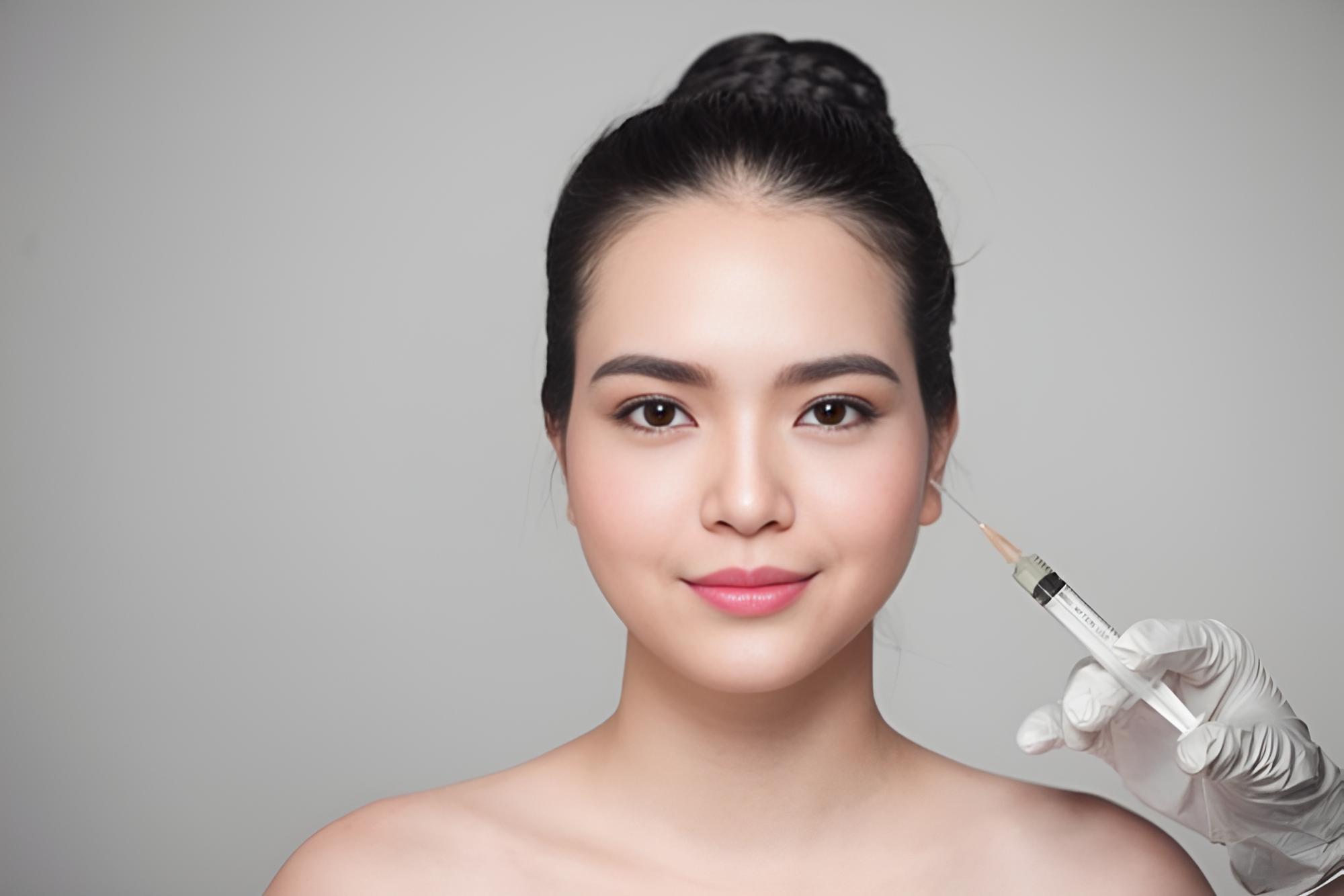


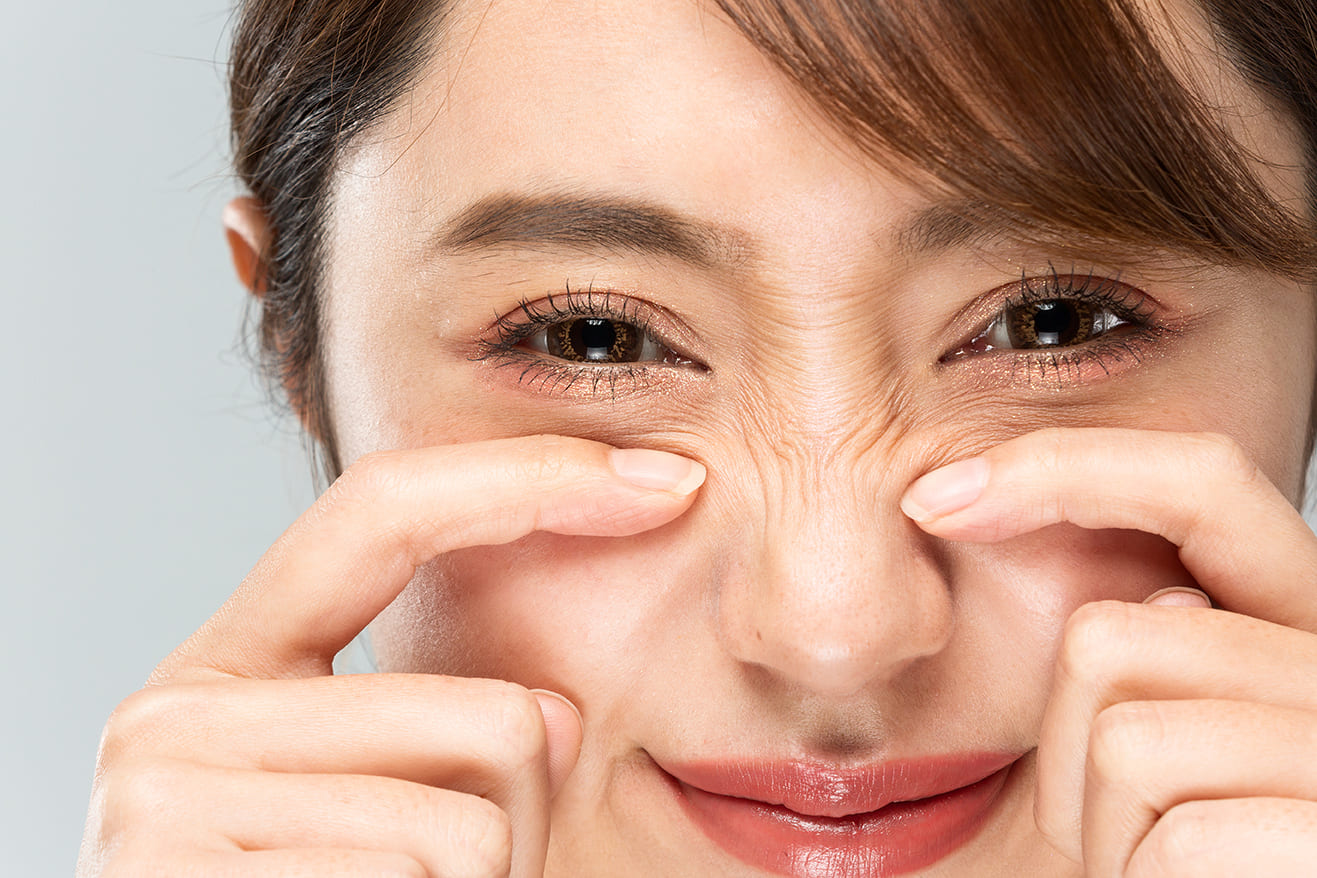
Bunny lines, also referred to as nasal wrinkles, are fine lines that can appear on either side of the nose, often becoming more noticeable during facial movements such as smiling or scrunching the nose.
These lines are associated with repeated muscle activity and may become more visible over time. Learning about their possible causes, approaches to managing them, and ways to reduce contributing factors can support informed discussions with your doctor.
What Are Bunny Lines?
Bunny lines are fine wrinkles that can appear on either side of the nose, often becoming more noticeable during facial expressions such as smiling or scrunching the nose.
These lines are commonly associated with repeated movement of the nasalis muscle, which activates when certain facial expressions are made. Over time, ongoing muscle activity may lead to visible creases in the skin, even when the face is at rest.
The development of these lines varies from person to person and may be influenced by factors such as muscle strength, expression habits, and skin condition.
Why Nose Wrinkles Are Called Bunny Lines?
The term “bunny lines” refers to the fine wrinkles that appear on the sides of the nose and is inspired by the way a rabbit’s nose moves. The resemblance has led to the informal use of the phrase within aesthetic medicine to describe this specific pattern of lines that may develop from repeated facial expressions.
While informal in nature, the term is commonly recognised in clinical discussions when referring to wrinkles in this area of the face.
Causes of Bunny Lines
Bunny lines may develop due to a combination of factors, including repetitive facial movements, genetic influences, age-related changes in the skin, and environmental or lifestyle habits.
Repeated Muscle Movement and Facial Expressions
The nasalis muscle, which sits on the sides of the nose, activates during expressions such as smiling or scrunching the nose. When this muscle contracts repeatedly over time, visible lines can form in the overlying skin. The extent to which these lines appear can vary between individuals and may be influenced by skin condition, muscle activity, and natural ageing processes.
Genetic Factors
Genetic predispositions can significantly influence the development of bunny lines, making some individuals more prone to these wrinkles based on their unique facial muscle structure and skin characteristics.
Here are key genetic factors that contribute to the formation of bunny lines:
- Facial Muscle Structure: The arrangement and strength of facial muscles can vary among individuals. Those with a more pronounced nasalis muscle may be more susceptible to developing bunny lines due to increased muscle activity in that area.
- Inherited Facial Expressions: Some individuals naturally engage their facial muscles more frequently or with greater intensity when expressing emotion. These habitual expressions may contribute to wrinkle formation in specific areas of the face, including the nose.
- Age-related Changes: Genetic factors can affect how the skin changes over time, including the rate at which collagen and elastin levels decline. People with a family history of early signs of skin ageing may notice certain expression lines earlier, although this varies widely.
Ageing and Skin Elasticity
As we age, natural changes in the skin’s structure may contribute to the appearance of fine lines, including bunny lines. These changes are often linked to a gradual reduction in the production of collagen and elastin, two key proteins that help maintain the skin’s firmness and flexibility.
Collagen supports the skin’s strength and structure. Over time, its production may decline, which can affect skin thickness and reduce its ability to resist the effects of repeated facial movements. This may lead to lines becoming more noticeable in areas that are frequently activated by expression.
Elastin allows the skin to return to its original state after being stretched or contracted. With age, a decrease in elastin may reduce the skin’s ability to recover from movement, which can make expression lines more persistent over time.
Environmental and Lifestyle Factors
Environmental and lifestyle habits may influence how visible bunny lines become over time. Factors such as sun exposure, smoking, and pollution can affect the skin’s condition in different ways.
Sun Exposure
Ultraviolet (UV) rays from the sun can affect the skin’s natural support structures, including collagen and elastin, which play a role in maintaining firmness and flexibility. Long‑term exposure may contribute to changes in skin texture and make expression lines more noticeable.
Smoking
Smoking has been associated with reduced circulation in the skin, which may affect the delivery of oxygen and nutrients that support skin health. In addition, exposure to harmful substances in tobacco smoke may affect collagen and elastin levels over time, which can influence the appearance of fine lines in areas of frequent movement, such as the sides of the nose.
Pollution
Environmental pollutants may impact the skin’s natural barrier and moisture balance. Prolonged exposure to airborne particles and free radicals has been linked to visible changes in skin texture, including the appearance of fine lines and dullness.
Symptoms and Diagnosis of Bunny Lines
Bunny lines are small wrinkles that can appear diagonally across the upper part of the nose, often extending outward from the sides of the nose bridge. These lines tend to become more visible during facial expressions such as smiling, laughing, or scrunching the nose, which suggests a link to repeated muscle activity in that area.
A doctor can assess the presence of bunny lines during a clinical examination. This typically involves observing the skin during various facial expressions to identify lines that appear specifically in the nasal region, distinguishing them from other types of expression lines.
Treatment Options for Bunny Lines
There are several approaches commonly discussed in relation to bunny lines. These include wrinkle relaxers (botulinum toxin), dermal fillers, home-based options, and natural methods.
Wrinkle Relaxers / Anti Wrinkle Injections
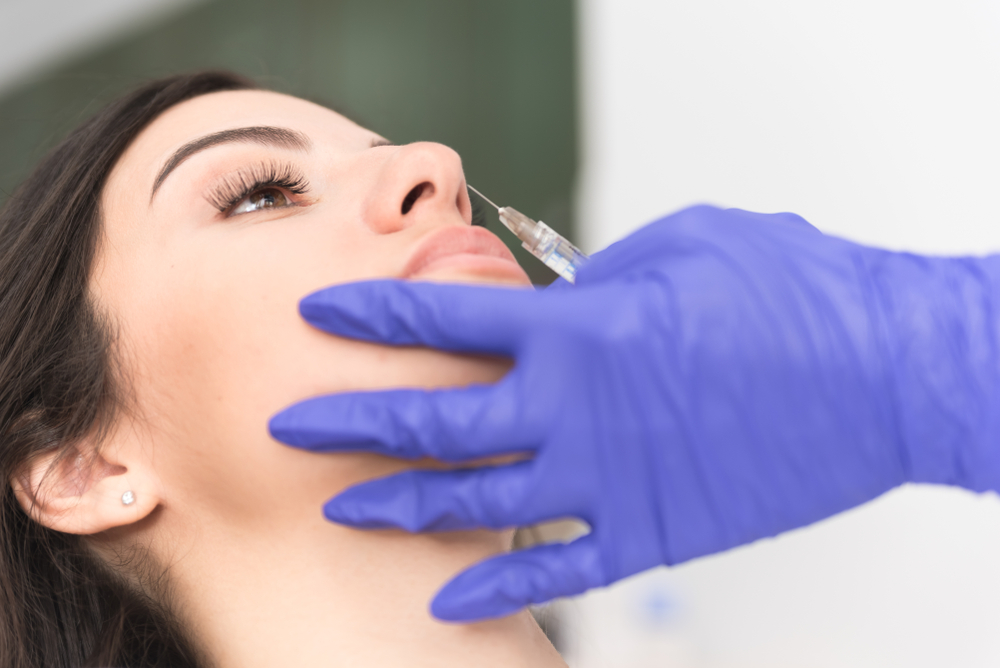
Anti-wrinkle injections are administered into the nasalis muscle to temporarily reduce its activity during facial expressions. This may help soften the appearance of bunny lines in the treated area.
The effects usually last around 3 to 6 months, depending on individual response. Follow-up sessions may be recommended to maintain results.
Dermal Fillers
Dermal fillers, such as hyaluronic acid-based formulations, may be injected around the area of bunny lines to support volume beneath the skin. This technique is sometimes considered to address skin texture in regions affected by frequent movement.
The effects of dermal fillers can vary but may last between six months to a year, depending on the type of filler used and individual response.
Home Remedies and Natural Treatments
Non-invasive home treatments and natural approaches are sometimes discussed as part of general skincare routines. While these are not clinical treatments, some individuals may include them to support skin health.
- Facial Exercises: Targeted facial movements may help engage the muscles around the nose. For example, scrunching and relaxing the nose or making exaggerated expressions can activate the nasalis muscle. These techniques are typically associated with subtle changes, and results may vary.
- Massage Techniques: Gently massaging the area around the nose with skincare products may support relaxation and skin comfort. Some people also use tools like jade rollers as part of their daily routine.
- Hydrating Skincare Products: Moisturisers that include ingredients such as hyaluronic acid or collagen are commonly used to support skin hydration. These products are part of many over-the-counter skincare routines.
- Retinol Creams: Retinol-based products are often used in skincare to promote skin renewal. Individuals may apply them to address concerns related to skin texture and visible signs of ageing.
- Sun Protection: Daily use of sunscreen helps shield the skin from UV exposure. Consistent protection is often recommended to support overall skin health.
Preventing Bunny Lines
Managing the development of bunny lines can involve daily skincare habits, sun protection, and lifestyle choices. These practices may support overall skin health and help reduce contributing factors over time.
Daily Skincare Routines
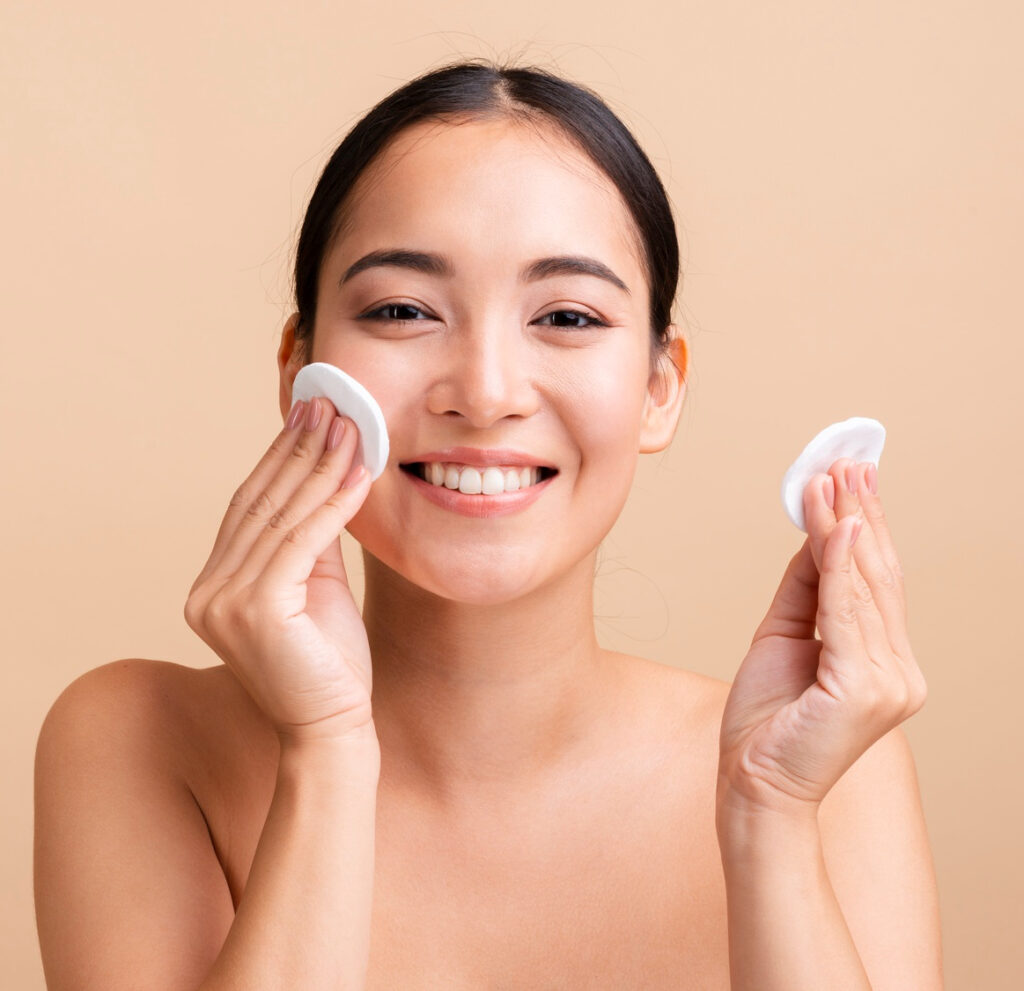
A consistent skincare routine may support overall skin health. Here are some commonly used practices:
- Regular moisturising with products that contain ingredients such as hyaluronic acid to help maintain skin hydration.
- Retinol-based products are often included in skincare routines aimed at improving skin texture over time.
- Gentle exfoliation may help remove surface dead skin cells as part of regular skincare maintenance.
- Daily sunscreen use with at least SPF 30 is widely recommended to limit UV exposure, which can affect skin condition over time.
Sun Protection Strategies
Sun exposure is known to affect the skin and may contribute to visible signs of ageing over time. Some commonly recommended sun-protection habits include:
- Daily use of sunscreen with at least SPF 30, regardless of weather conditions.
- Wearing hats and sunglasses outdoors to help shield the face from direct sunlight.
- Reducing time in direct sun during midday hours when UV exposure is highest.
Lifestyle Changes
To support overall skin health, certain lifestyle adjustments may be beneficial. Here are some commonly recommended habits:
- Avoid smoking and minimise exposure to secondhand smoke.
- Stay hydrated by drinking water throughout the day.
- Include hydrating foods such as cucumbers, oranges, and berries in your meals.
- Eat a balanced diet with a variety of vegetables, fruits, whole grains, and lean proteins.
- Limit alcohol consumption to moderate levels.
- Maintain a regular sleep routine with sufficient rest.
- Practise relaxation techniques to help manage stress.
Complications and Long-term Effects
If not addressed, bunny lines may become more noticeable over time. Possible changes that some individuals observe include:
- Lines appearing more defined with repeated expression
- Changes in skin texture in the affected area
- Lines remaining visible even when the face is at rest
- Increased awareness of facial lines during expressions
- Additional lines developing in nearby areas due to continued muscle activity
When to See a Doctor
You may want to consult a medical professional if you have questions about bunny lines or are exploring clinical options. Individuals often consider consultation in the following situations:
- At-home approaches have not produced the intended effect after consistent use
- Bunny lines remain visible and are a concern during facial movement
- You are exploring in-clinic treatments for aesthetic reasons
- There are multiple facial concerns being evaluated at once
- You’ve noticed changes in skin texture in the same area
A medical consultation allows for an individualised assessment, where a doctor can advise whether treatment is appropriate based on your skin type and goals.
Conclusion
Bunny lines may develop due to a combination of factors, including repeated facial movement, genetics, skin ageing, and environmental exposure. Learning about available treatment options and daily skincare strategies can support informed decisions about skin health.
If you’re considering clinical care after trying home-based approaches, a consultation with a medical professional can help determine what options may be suitable based on your skin concerns and goals.