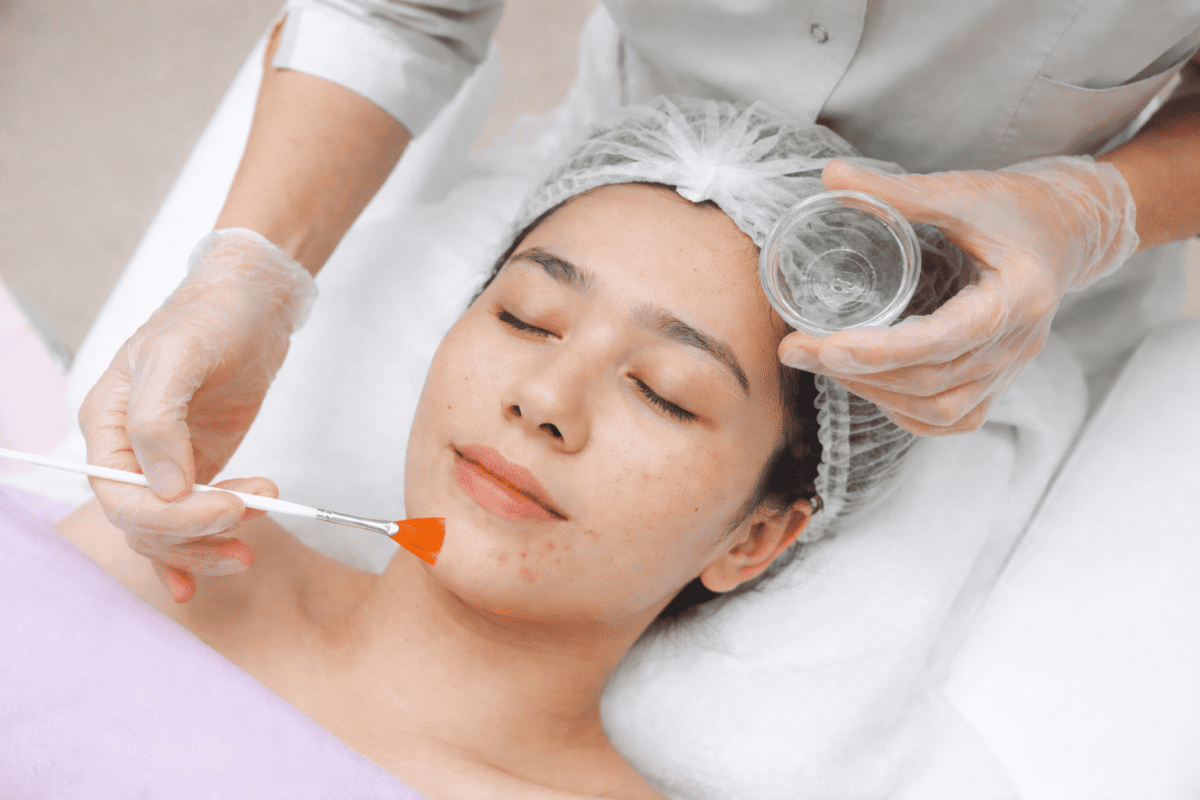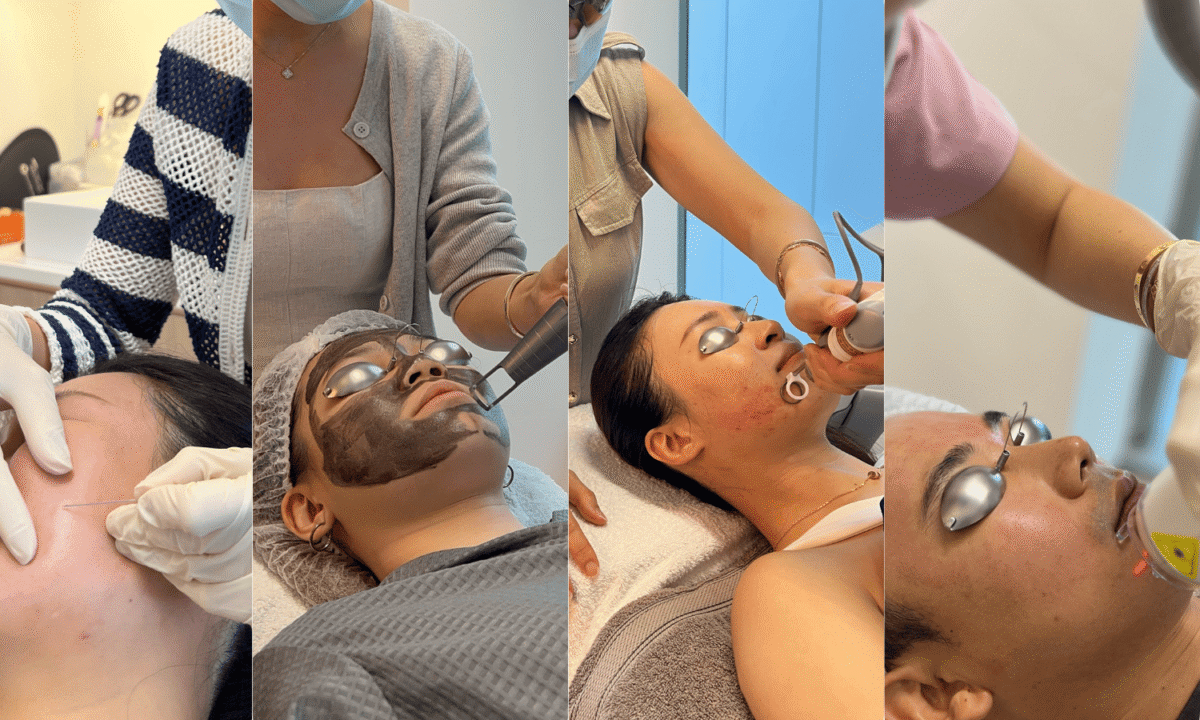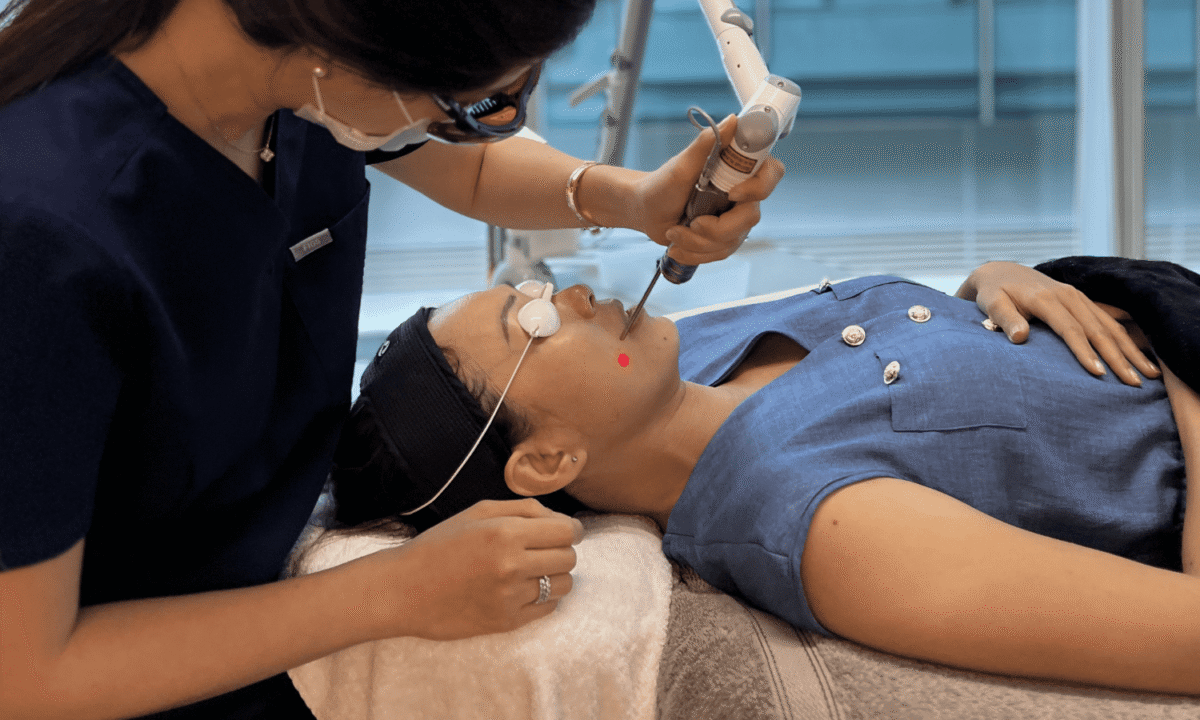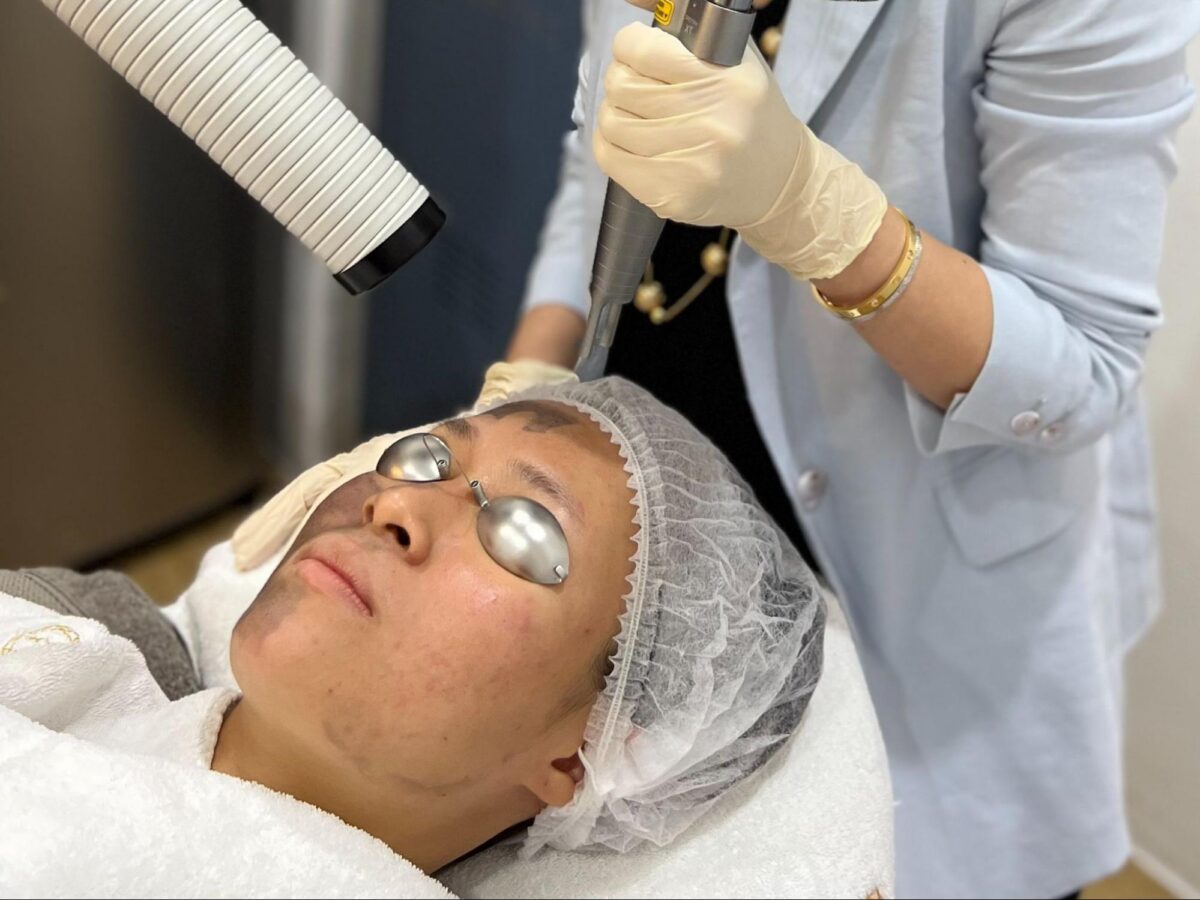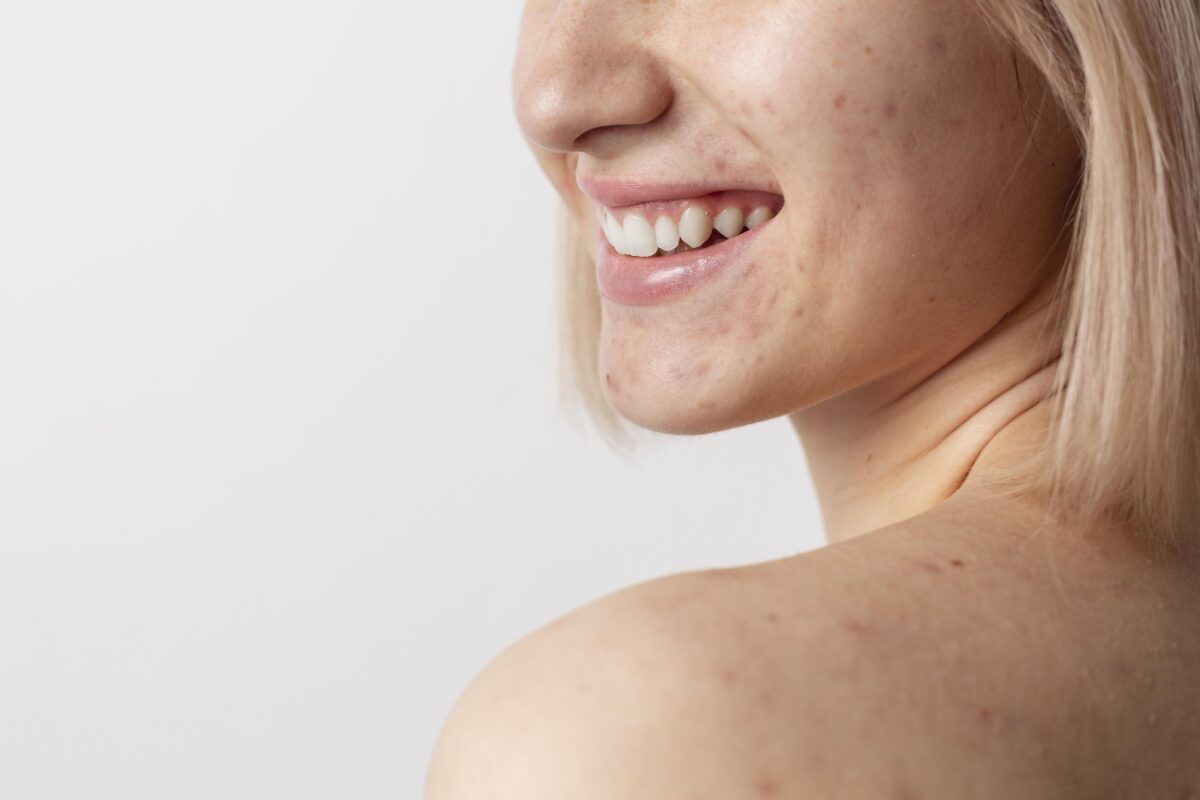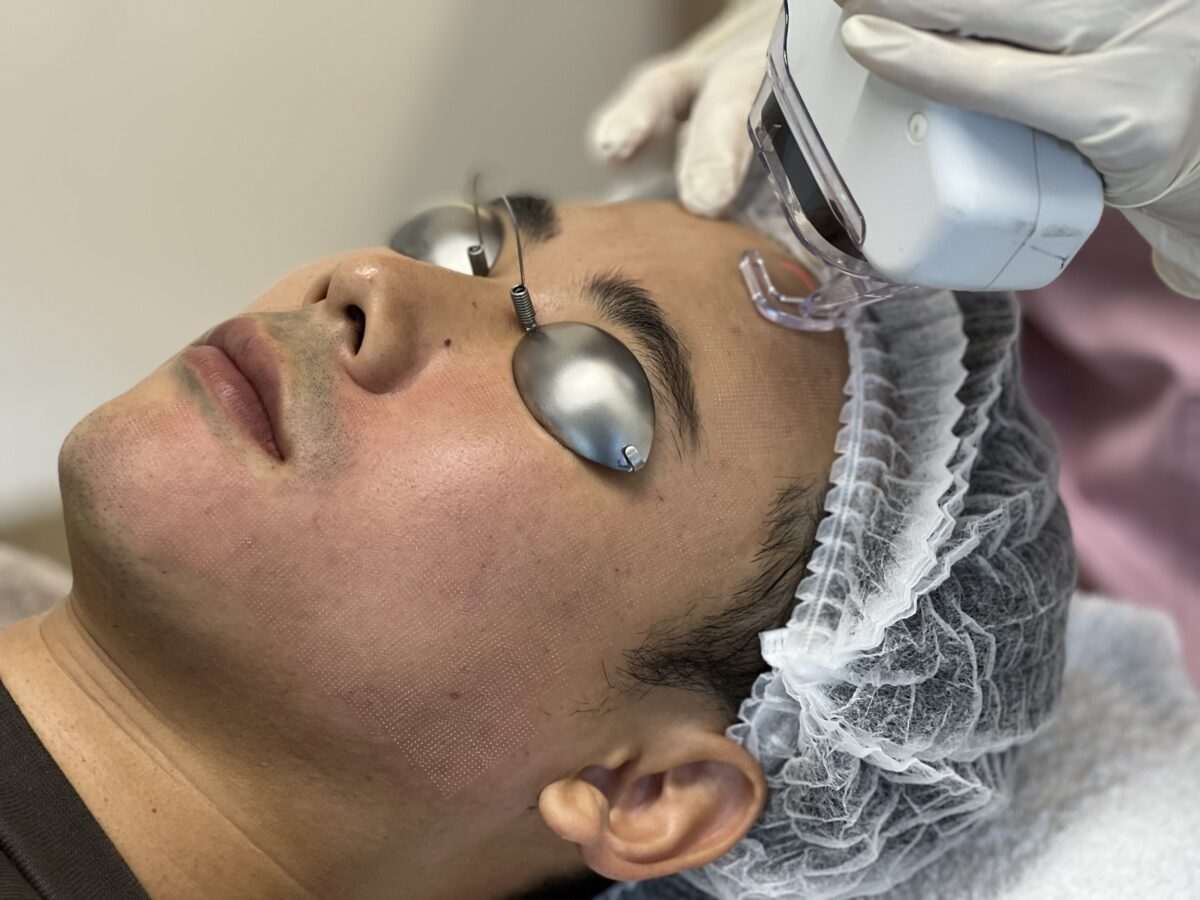

How Do Chemical Peels Reduce Dark Spots and Pigmentation?

Dark spots and uneven pigmentation are among the most common skin concerns seen in clinical practice. They may appear after acne, sun exposure, hormonal changes, inflammation, or cosmetic procedures. Although these marks often look similar, their causes and depth within the skin can differ significantly.

Chemical peels are used to improve pigmentation by promoting controlled skin renewal. Rather than bleaching the skin, peels help remove excess pigment in the upper layers and support a more even skin tone over time. However, they do not correct structural problems such as depressed acne scars or collagen loss.

Understanding whether a concern is pigment-related or structural is essential for choosing the appropriate treatment. This article explains the different causes of dark spots, how chemical peels work at a cellular level, which pigment conditions respond best, and what realistic results patients can expect.

What Causes Dark Spots? 

Understanding the cause of pigmentation helps guide treatment selection.

Post-Inflammatory Hyperpigmentation (PIH)

Post-inflammatory hyperpigmentation refers to flat brown or grey marks that appear after inflammation or skin injury. Common triggers include:

  • Acne
  • Eczema or dermatitis
  • Insect bites
  • Cosmetic or procedural treatments

When the skin becomes inflamed, melanocytes increase melanin production. Even after the initial condition resolves, excess pigment may remain in the affected area.

PIH is especially common in Fitzpatrick skin types III–V, where pigment cells are more reactive to inflammation.

Sun-Induced Pigmentation (Solar Lentigines)

Solar lentigines, often called sunspots, develop after repeated ultraviolet exposure. They typically appear as well-defined brown patches on sun-exposed areas such as the face, hands, and cheeks.

These spots are usually located in the epidermis, the outer layer of the skin, which makes them more responsive to treatments that accelerate surface renewal.

Melasma

Melasma is a hormone-influenced form of pigmentation that often appears symmetrically on the cheeks, forehead, or upper lip. It may be associated with pregnancy, oral contraceptives, or ultraviolet exposure.

Unlike PIH or sunspots, melasma may involve both superficial and deeper pigment components. It also has a higher tendency to recur, even after treatment.

Pigment vs Structural Scarring

Not all dark marks are scars. Pigmentation concerns involve excess melanin in the skin, while acne and textural scars involve dermal collagen loss or structural damage.

This distinction is important because treatment approaches differ. Pigment-related concerns often respond to exfoliation and controlled skin renewal, which chemical peels provide. Structural scars, however, require collagen-stimulating procedures rather than pigment-focused treatments.

Recognising whether a concern is pigment-based or structural helps prevent unrealistic expectations and supports appropriate treatment planning.

How Chemical Peels Work

Chemical peels improve pigmentation by promoting controlled skin renewal. The process affects how pigment is distributed and removed from the upper layers of the skin.

Controlled Exfoliation of Pigment-Containing Cells

Chemical peels accelerate skin cell turnover. As the outer layer renews, keratinocytes that contain excess melanin are gradually shed. With repeated sessions, this controlled exfoliation can lead to progressive lightening of superficial dark spots, particularly those located in the epidermis.

Redistribution of Melanin

Pigmentation often appears uneven because melanin is clustered in certain areas. By promoting more regular shedding and renewal, peels help disperse concentrated pigment. Over time, this may result in a more even skin tone and reduced contrast between dark spots and surrounding skin.

Modulation of Inflammation

Some peeling agents have anti-inflammatory properties. This is particularly relevant in post-inflammatory hyperpigmentation, where ongoing low-grade inflammation can continue to stimulate pigment production. By reducing inflammation, peels may help limit further melanin overproduction in susceptible skin.

Why Some Pigmentation Responds Better Than Others

Not all pigmentation behaves the same way, and response to treatment depends largely on depth.

Epidermal pigment tends to respond more predictably because it sits in the upper layers of the skin. Superficial post-inflammatory hyperpigmentation and many sunspots often improve with repeated, appropriately spaced sessions.

Dermal pigment, such as that seen in some cases of melasma, may respond more slowly because it is located deeper in the skin. In these situations, improvement may be partial, and recurrence is possible depending on triggers such as hormones and ultraviolet exposure.

It is also important to clarify that while dark spots often improve with peels, structural scars and indentations do not respond to exfoliation alone. Texture changes caused by collagen loss require different treatment approaches.

The Role of Chemical Peels in Acne-Related Skin Changes

Although chemical peels are used for many types of pigmentation, they are also commonly applied to patients who have acne-related skin changes. In this context, the primary target is residual pigment rather than scar depth.

What Chemical Peels Can Improve

In acne-prone skin, peels may help improve:

  • Dark pigmentation left behind after acne (post-inflammatory hyperpigmentation)
  • Uneven skin tone surrounding shallow scars
  • Mild surface irregularities

By reducing colour contrast and improving overall clarity, acne scars may appear less noticeable even if their depth remains unchanged.

What Chemical Peels Do Not Correct

Chemical peels do not address structural damage within the dermis. They do not:

  • Lift depressed or tethered scars
  • Restore significant collagen loss
  • Correct deep textural defects

When scarring involves volume loss or fibrous tethering, collagen-stimulating or scar-release procedures are typically required.

Types of Chemical Peels for Pigmentation

The choice of peel depends on the depth of pigment, skin type, and tolerance. Treatment is usually gradual and tailored to reduce the risk of irritation or post-inflammatory hyperpigmentation.

Superficial Peels

Superficial peels are often considered first-line for post-inflammatory hyperpigmentation and mild sun damage. They primarily act on the epidermis and are suitable for repeated sessions.

Common examples include:

  • Salicylic acid
  • Glycolic acid
  • Lactic acid
  • Mandelic acid

These agents promote controlled exfoliation and are frequently used in staged treatment plans.

Medium-Depth Peels

Medium-depth peels may be considered for more persistent or widespread pigmentation. Because they penetrate deeper, careful patient selection and strict aftercare are important.

Examples include:

  • Low-strength trichloroacetic acid (TCA)
  • Jessner’s peel (in selected cases)

These peels require appropriate spacing between sessions to allow safe healing.

Deeper Peels

Deeper peels are less commonly used for routine pigmentation concerns. They involve greater skin injury and carry a higher risk of complications, particularly in pigment-prone individuals.

For this reason, conservative and staged approaches are generally preferred when treating uneven pigmentation.

Chemical Peels for Specific Pigment Conditions

Chemical peels can be used for various types of pigmentation, but responses vary depending on the underlying condition and pigment depth.

Post-Inflammatory Hyperpigmentation (PIH)

Post-inflammatory hyperpigmentation often responds to repeated superficial peels that promote gradual epidermal renewal. Improvement tends to be progressive rather than immediate.

In darker or pigment-prone skin types, careful spacing between sessions is important to reduce the risk of irritation or rebound pigmentation. Conservative treatment plans are generally preferred.

Sunspots (Solar Lentigines)

Solar lentigines, which develop from chronic ultraviolet exposure, are usually located in the epidermis. Because of their superficial location, they often respond predictably to treatments that accelerate skin turnover.

In selected cases of more persistent lesions, medium-depth peels may be considered, provided appropriate patient selection and aftercare are observed.

Melasma

Melasma is more complex because it may involve both superficial and deeper pigment components. While chemical peels can help lighten visible pigmentation, improvement may be partial and temporary.

Recurrence is common, especially without consistent sun protection. For this reason, peels are often combined with topical pigment-regulating agents as part of a structured management plan rather than used alone.

Combining Chemical Peels With Other Treatments

Chemical peels are sometimes incorporated into broader treatment plans, particularly when both pigmentation and structural concerns are present.

Peels may be performed first to stabilise uneven pigmentation and reduce contrast between dark spots and surrounding skin. Once pigment is better controlled, structural treatments such as microneedling, subcision, or fractional lasers can be used to address depth-related issues.

Managing pigment before initiating more intensive procedures may support more even visual blending and clearer assessment of true scar depth. Treatment sequencing is typically individualised based on skin type, scar characteristics, and pigment risk.

Realistic Expectations

Chemical peels improve pigmentation gradually rather than immediately. Most patients require a series of sessions spaced over weeks to months.

Ongoing maintenance is important, particularly for pigment-prone conditions. Consistent sun protection plays a central role in preserving results. Without ultraviolet protection, recurrence is common, especially in melasma and post-inflammatory hyperpigmentation.

It is also important to recognise that while colour may improve, deeper scars or structural changes require different treatment approaches.

FAQ

Are dark spots the same as acne scars?

No. Dark spots are usually due to excess pigment in the skin, while acne scars involve structural collagen loss or tissue changes.

Can chemical peels permanently remove pigmentation?

Chemical peels can reduce visible pigmentation, but permanence depends on the underlying cause. Conditions influenced by hormones or sun exposure may recur.

Why does melasma often come back?

Melasma is influenced by hormonal and ultraviolet triggers. Even after improvement, pigment can return if these triggers persist.

Are peels safe for darker skin tones?

When appropriately selected and performed using conservative protocols, superficial peels can be used in darker skin types. Treatment intensity and spacing must be carefully planned to reduce the risk of post-inflammatory hyperpigmentation.

How many sessions are typically needed?

The number of sessions varies depending on pigment type, depth, and skin response. Superficial pigmentation often requires multiple sessions for gradual improvement.

Can peels treat both pigmentation and shallow texture?

Peels may improve mild surface irregularities along with pigmentation. However, deeper textural defects usually require collagen-stimulating procedures rather than exfoliation alone.
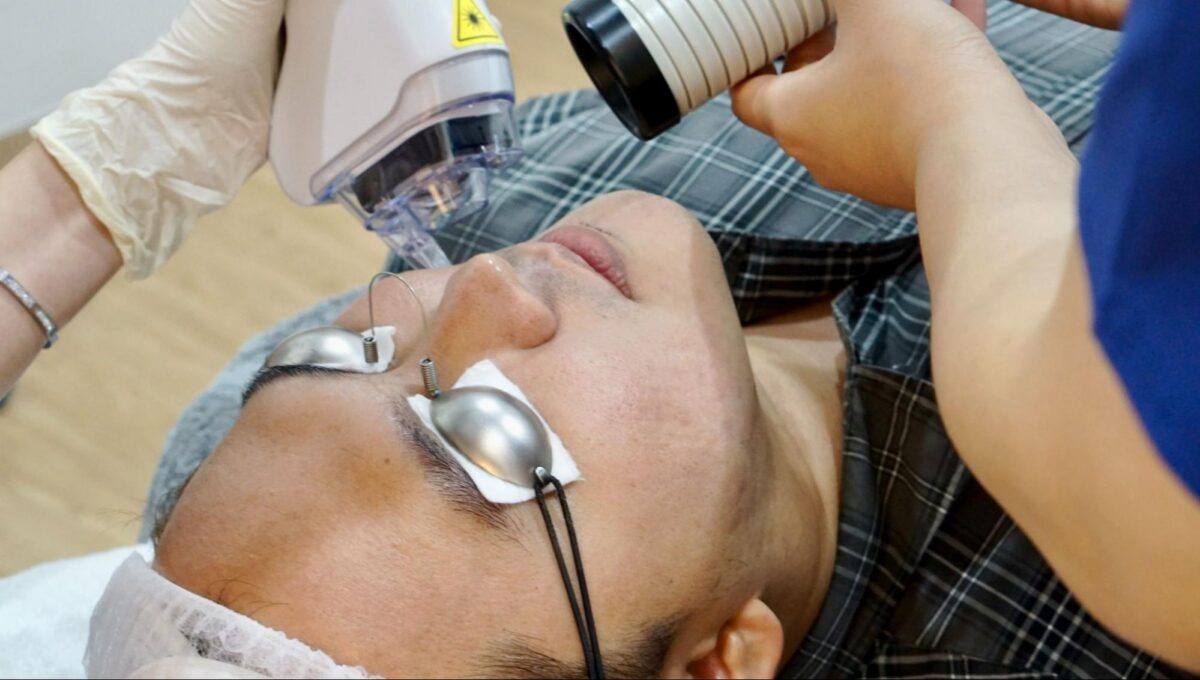
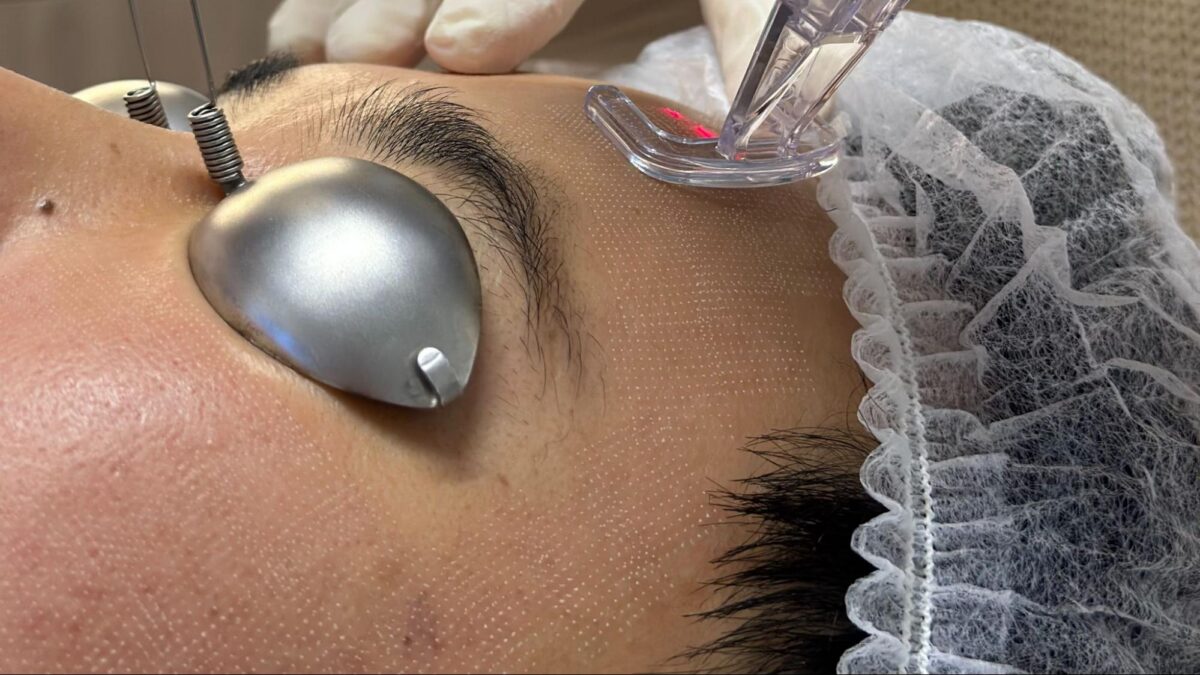
How Many Sessions Are Needed to See Visible Results After Acne Scar Treatment?

Acne scar improvement develops gradually rather than instantly. Most acne scar procedures stimulate the skin’s natural healing and collagen remodelling processes, which take time.

For this reason, treatment often involves multiple sessions rather than a single procedure. Each session contributes progressively to scar improvement, and visible changes develop over weeks to months. It is also helpful to distinguish between early visible changes and longer-term outcomes. Some improvement may be noticeable during the treatment course, while further changes often continue to develop after the final session as collagen remodelling progresses.

This article explains what is observed at different stages of treatment, outlines typical session ranges for common procedures, and discusses how scar type and skin characteristics influence the number of sessions required.

What Doctors Mean by Visible Results

When doctors discuss visible results, they are not referring to complete scar removal. Acne scar treatment aims to improve appearance rather than eliminate scars entirely, and progress is usually assessed in stages.

Early visible changes may include softer scar edges, reduced shadowing, and mild smoothing, which become more noticeable under regular lighting. These changes are often subtle but suggest that collagen remodelling has begun.

More established improvement refers to changes that are easier to appreciate in everyday settings, including photographs. Scars may appear shallower, less sharply defined, and better blended with surrounding skin.

It is also important to understand that outcomes do not appear immediately after the last session. Collagen continues to reorganise and strengthen for weeks to months during the remodelling phase, which means improvement may continue even after treatment has ended. The timing of visible change varies depending on scar type, treatment intensity, and individual healing response.

Why Acne Scar Treatments Require Multiple Sessions

Acne scars result from structural collagen damage rather than surface irregularities, which means they cannot be corrected immediately.

Most acne scar treatments work by creating controlled injury that triggers the body’s natural wound-healing response. Collagen forms gradually over time, and each treatment session contributes incrementally to overall improvement.

Allowing adequate spacing between sessions gives the skin time to heal and remodel properly. It also helps reduce the risk of complications such as prolonged inflammation or post-inflammatory hyperpigmentation (PIH), for pigment-prone skin. For this reason, multiple sessions are typically part of a structured treatment plan rather than an indication that the treatment is ineffective.

Typical Number of Sessions by Treatment Type

The number of sessions required varies depending on the acne scar treatment method, scar type, and individual skin response. Improvement in acne scars develops gradually, so most procedures involve a series of sessions rather than a single session.

Microneedling

With microneedling, visible improvement is usually noticed after two to three sessions, with a typical treatment course ranging from three to six sessions. It is best suited for mild to moderate rolling or boxcar scars. When performed conservatively, microneedling is often chosen for a broader range of skin types, including patients at higher risk of pigmentation changes.

RF Microneedling

RF microneedling often produces visible changes after two to three sessions, with most treatment plans involving three to four sessions, and occasionally up to five. It delivers energy deeper into the skin while limiting surface disruption, which is why it is commonly used in Fitzpatrick skin types III–VI. Improvement develops progressively over time rather than immediately.

Non-Ablative Fractional Lasers

For non-ablative fractional lasers, visible improvement may appear after one to three sessions, while a typical course involves three to six sessions. In skin of colour, lower-intensity protocols are often used to reduce PIH risk. This safer approach may require additional sessions to achieve a comparable level of improvement.

Ablative Fractional CO₂ Lasers

Ablative fractional lasers can produce visible change after one to two sessions, but most treatment courses still involve five to eight sessions, and occasionally more. Because downtime and PIH risk are higher, sessions must be carefully spaced, particularly in pigment-prone skin.

TCA CROSS (for Ice-Pick Scars)

TCA CROSS often shows visible improvement after two to three sessions. A full course commonly involves three to six sessions. This technique is designed for narrow, deep ice-pick scars rather than broad rolling scars. Improvement develops gradually over several months as the treated areas remodel.

Subcision

Subcision may produce visible improvement after one to two sessions, with most patients requiring one to three sessions, and occasionally four. It is most effective for tethered rolling scars and is frequently combined with fillers or energy-based treatments to enhance overall results.

Dermal Fillers for Atrophic Scars

Dermal fillers can provide visible lifting of depressed scars by restoring volume beneath the skin. Many patients require one to two sessions, with maintenance treatments performed as needed over time.

Fillers improve contour by supporting the treated area, but they do not stimulate long-term collagen remodelling in the same way as energy-based or collagen-inducing procedures. For this reason, they are often incorporated into a broader treatment plan rather than used as a standalone or permanent solution.

Chemical Peels

Chemical peels typically require two to four sessions before visible improvement is noticed, with four to six or more sessions often needed for best results. They are more effective for pigmentation and very superficial texture irregularities than for deep scars.

Punch Techniques

Punch techniques often produce visible improvement after each scar is treated, but the total number of sessions depends on the number of scars. When multiple scars are involved, treatment is often staged and combined with resurfacing techniques to improve overall blending.

Session Guidance by Scar Type

Different acne scar types respond differently to treatment, which is why the number of sessions varies. Matching the treatment approach to the dominant scar type supports realistic expectations and structured planning.

Rolling scars often show early visible improvement when treated with subcision, as the procedure releases fibrous bands that pull the skin downward. Some patients notice improvement after 1 to 2 sessions. For more even texture and blending, subcision is frequently followed by RF microneedling or fractional laser treatments over three to five sessions.

Boxcar scars respond depending on depth. Shallow boxcar scars may show visible improvement after two to three sessions of collagen-stimulating treatments such as microneedling or non-ablative fractional lasers. Deeper boxcar scars usually require a combination approach, such as targeted edge treatment together with resurfacing or RF-based procedures. Total session counts typically range from 3 to 6.

Ice-pick scars are narrow and deep, which makes them less responsive to broad resurfacing alone. TCA CROSS is commonly used for this scar type. Visible improvement may appear after two to three sessions, with continued change developing over three to six sessions. Punch techniques may be selected for individual scars, particularly when the number is limited.

How Skin Type Influences the Number of Sessions

Skin type plays a significant role in how aggressively treatments can be performed and how many sessions are needed.

In Fitzpatrick skin types I–II, higher energy or more intensive resurfacing settings are often better tolerated. This can sometimes translate into fewer sessions for laser-based treatments. However, even in lighter skin tones, true atrophic acne scars are rarely corrected in a single session.

In Fitzpatrick skin types III–VI, the higher risk of post-inflammatory hyperpigmentation (PIH) shifts treatment strategies toward lower intensity, longer intervals, and more sessions. While this may mean needing one to two additional sessions to achieve similar visible improvement, this approach significantly improves safety and reduces the risk of pigment complications.

A Simple Clinical Rule That Holds Up

A practical rule that aligns well with clinical experience is to identify the dominant scar type first and match the treatment accordingly.

Rolling or tethered scars respond best to subcision, ice-pick scars to TCA CROSS, and overall texture blending to RF microneedling or fractional laser treatments.

In most structured treatment plans, patients can expect visible change by session two to four, while the best improvement appears months after the later sessions, not immediately after treatment.

Most acne scar treatments require multiple sessions because improvement depends on gradual collagen remodelling. Visible change usually appears before final results, and scar type and skin type strongly influence session count. Safer, staged approaches often produce better long-term outcomes than aggressive single treatments, and patience during the remodelling phase is essential.

Quick Answers to Common Questions (Mini-FAQ)

Can acne scars improve after just one session?

Some patients may notice early improvement after a single session, especially with treatments like subcision or fillers, but most acne scars require multiple sessions for meaningful and lasting results.

Why do some people need more sessions than others?

The number of sessions depends on scar type, scar severity, skin type, healing response, and the need to balance effectiveness with safety.

Does higher energy mean faster results?

Not necessarily. Higher energy can increase risk without guaranteeing better outcomes, especially in pigment-prone skin.

Why do results keep improving after treatment ends?

Because collagen remodelling continues for weeks to months after the final session, leading to gradual texture improvement.

How do doctors decide when to stop or switch treatments?

Doctors reassess progress over time using clinical examination and photographs, adjusting or changing treatments based on response, safety, and patient goals.

Are Acne Scar Treatments Painful? What Discomfort Feels Like and How It’s Managed

It’s common to wonder about pain levels before starting acne scar treatment, especially when procedures involve lasers, needles, or resurfacing techniques. Most treatments may involve some discomfort, which usually resolves soon after the session. The level of sensation depends on the specific procedure, the settings used, and your individual tolerance.

Below is a breakdown of what you might expect during acne scar treatments, the common methods used to reduce discomfort, and factors to consider when deciding what you’re comfortable with.

What Doctors Mean by Pain vs Discomfort

During acne scar procedures, doctors often differentiate between pain and discomfort. Pain may involve sharp or sudden sensations. Discomfort can include pressure, warmth, mild stinging, or post-treatment soreness. Some treatments may cause temporary discomfort, which is considered part of the healing process.

Having a clear understanding of what to expect can help patients feel more prepared and confident before treatment.

Why Acne Scar Treatments Can Feel Uncomfortable

Acne scar treatments are designed to stimulate the skin’s natural healing process. This involves controlled injury or energy delivery, which can create a range of sensations.

Discomfort typically comes from:

  • Mechanical injury — such as microneedling or subcision, where fine needles or instruments create controlled micro-injuries.
  • Thermal energy — such as fractional lasers or radiofrequency (RF), which generate heat within the skin to stimulate collagen.
  • Chemical irritation — such as medium-depth chemical peels, which exfoliate and renew the skin surface.

A key principle applies across all treatments:

  • Deeper or more aggressive procedures usually produce more sensation.
  • Conservative, staged treatments are generally better tolerated and feel milder.

This is why treatment plans are often adjusted according to scar type and patient comfort levels.

How Pain Is Managed During Acne Scar Treatments

Pain management is an essential part of acne scar treatment planning. Common methods to reduce discomfort include:

  • Topical Numbing Cream: Prescription-strength numbing cream is usually applied 20–45 minutes before procedures like microneedling, RF microneedling, or laser resurfacing. This helps reduce surface sensation.
  • Cooling Techniques: Cold air devices, cooling tips, or chilled compresses may be used during laser treatments to reduce heat discomfort and protect the skin surface.
  • Local Anaesthetic Injections: For procedures such as subcision or more intensive laser resurfacing, local anaesthetic injections may be used to numb targeted areas. This allows the treatment to be performed comfortably.

Doctors also adjust treatment settings based on patient tolerance. If a patient is uncomfortable, energy levels, depth, or pacing can often be modified. Patients are monitored during the session to maintain safety and support comfort.

What Different Acne Scar Treatments Feel Like

Understanding what each acne scar treatment typically feels like can help reduce uncertainty before a procedure. While experiences vary, many treatments may cause some discomfort, which is often reduced with numbing and other comfort measures.

Microneedling

Microneedling may feel like light pressure with a scratching or vibrating sensation. Topical numbing cream is commonly applied beforehand to help reduce discomfort. After treatment, the skin may feel mildly sore or tight, similar to a light sunburn. This usually settles within one to two days.

RF Microneedling

This procedure typically produces a deeper pressure sensation with brief pulses of heat beneath the skin. Because it delivers energy into deeper layers, the sensation may feel more intense than standard microneedling. Numbing cream is used to help reduce discomfort. Some warmth or tightness may persist for a short period after the session.

Subcision

Subcision may cause a sensation of pressure or pulling under the skin, as it targets fibrous tissue beneath the surface. Local anaesthetic is typically used to reduce discomfort during the procedure. Bruising and tenderness may occur afterwards and are usually more noticeable than the treatment sensation itself.

Non-Ablative Fractional Lasers

These lasers may feel like short pulses of heat with a snapping or prickling sensation. Cooling systems are often used during the procedure to help ease the heat. The sensation may ease shortly after the session ends, though mild warmth can persist for a few hours.

Ablative Fractional Lasers (CO₂ / Erbium)

These lasers deliver heat deeper into the skin and may cause stronger stinging sensations. Anaesthesia is adjusted to help manage discomfort. Stronger anaesthesia is typically used to manage discomfort. After treatment, soreness and sensitivity are common but are managed with cooling and appropriate aftercare.

Chemical Peels

Chemical peels usually create a stinging or burning sensation during application. The intensity depends on the depth of the peel, with superficial peels causing milder tingling and deeper peels causing a stronger reaction that tends to settle once the procedure ends.

Dermal Fillers for Acne Scars

Dermal filler injections are generally felt as brief pressure or mild stinging at the injection site. Many fillers contain local anaesthetic, which helps reduce discomfort during placement. Any tenderness afterwards is usually mild and temporary.

After-Treatment Discomfort: What Is Normal

Mild to moderate discomfort is expected as the skin begins to heal after acne scar treatments. Common sensations include soreness, tightness, and tenderness. These effects are often compared to a mild sunburn, especially following laser or microneedling sessions.

Discomfort typically peaks within 24 to 48 hours, then gradually improves as healing progresses. With proper aftercare and sun protection, symptoms usually ease over the following days.

Factors That Influence How Painful Treatment Feels

The level of discomfort during or after treatment varies between individuals. Factors that may influence sensation include:

  • Individual pain threshold: Some people are naturally more sensitive to discomfort than others.
  • Skin sensitivity and baseline inflammation: Inflamed or reactive skin may feel more sensitive during procedures.
  • Treatment area and extent: Larger treatment areas or deeper settings can increase sensation.
  • Anxiety or stress level: Anticipation and nervousness can heighten perceived discomfort.
  • Prior experience with procedures: Patients familiar with aesthetic treatments often tolerate sessions more comfortably.

Because of these differences, two patients undergoing the same procedure may describe very different experiences.

When Discomfort Is Normal and When to Inform Your Doctor

It is important to understand what is expected after acne scar treatment and what may require medical review.

Normal Reactions

  • Mild to moderate soreness
  • A tight, warm, or sunburn-like feeling
  • Tenderness when touching the treated area

These symptoms usually improve steadily over several days.

When to Seek Medical Review

  • Pain that is severe, worsening, or out of proportion to the procedure
  • Pain accompanied by signs of infection, such as increasing redness, swelling, pus, or fever
  • Discomfort that interferes significantly with daily activities beyond the expected recovery period

If in doubt, contacting your doctor for reassurance or assessment is always appropriate.

Can Acne Scar Treatment Be Done With Minimal Discomfort?

Many acne scar treatments can be adjusted to prioritise comfort while still achieving improvement.

Doctors may tailor treatment plans by:

  • Using lower energy or depth settings
  • Spacing treatments further apart
  • Increasing the number of sessions instead of intensity
  • Selecting modalities known for better tolerability

Comfort-focused plans may trade speed for improved tolerance, meaning results develop more gradually. However, this approach can be appropriate for patients who are particularly sensitive or anxious. Open communication with your doctor is essential. Discussing your comfort level and concerns before treatment allows adjustments to be made safely and effectively.

FAQs

Is pain worse during or after the procedure?

Most discomfort occurs during the procedure itself and improves afterward. Post-treatment soreness is usually milder and temporary.

Can I stop a treatment if it’s too uncomfortable?

Yes. Patients can communicate at any time during a procedure, and settings can often be adjusted to improve comfort.

Does more pain mean better results?

No. Greater discomfort does not guarantee better outcomes. Proper technique and appropriate treatment selection are more important than intensity.

Are painkillers needed after acne scar treatment?

Most patients do not require strong pain medication. Mild soreness is typically manageable with cooling, moisturisers, and recommended aftercare.

Downtime After Acne Scar Treatment: What to Expect by Procedure

In medical terms, downtime refers to the visible recovery period after a procedure, not the time it takes to see final results. The duration of downtime varies with the type of treatment, the depth or intensity applied, and the individual’s skin response. Some treatments may cause mild redness lasting one to two days, while others may involve several days of visible healing. It is important to recognise that greater downtime does not necessarily yield better results. Some treatments are designed to support gradual improvement while allowing patients to continue with daily routines.

This article outlines typical downtime after different acne scar procedures and includes guidance on what to expect during recovery, as well as when to follow up with your doctor.

What Does It Mean by Downtime

In acne scar treatment, downtime refers to the period needed for visible surface recovery after a procedure.

Downtime may include:

  • Redness
  • Swelling
  • Peeling or flaking
  • Crusting
  • Temporary darkening or bronzing of the skin
  • Mild tenderness or sensitivity

It is important to distinguish between:

  • Downtime, which usually lasts days to weeks, depending on the treatment
  • True scar improvement, which unfolds over weeks to months due to collagen remodelling beneath the surface

In some cases, visible signs of treatment may fade within a few days, while deeper structural changes continue long after the skin appears healed.

Why Downtime Varies Between Acne Scar Treatments

Acne scar treatments affect the skin in different ways. The amount of downtime depends largely on:

  • The depth of controlled injury
  • The amount of heat or inflammation generated
  • Whether the surface of the skin is removed (ablative) or preserved (non-ablative)

Deeper or higher-intensity treatments may lead to longer downtime. Lower-intensity or staged treatments may involve shorter recovery times but could require more sessions to achieve gradual improvement.

Safety is especially important for those prone to post-inflammatory hyperpigmentation (PIH), which is more common in darker skin tones. In such cases, doctors may select gentler settings or stage treatments to help manage inflammation and reduce the likelihood of pigmentation changes.

Choosing the right balance between results and recovery time is part of personalised treatment planning.

Typical Downtime by Treatment Category

Downtime after acne scar treatment varies with the depth of treatment and the degree of inflammation. Below is what most patients typically experience with each procedure.

  • Microneedling: Redness and mild swelling resembling a light sunburn may occur after standard microneedling. These effects typically last one to three days. The skin may feel tight or slightly rough as the surface recovers. Some individuals may be able to return to work within one to two days, depending on how their skin responds.
  • RF Microneedling: RF microneedling may cause slightly more redness due to the additional thermal energy, but recovery usually occurs over a similar time frame when compared with deeper resurfacing procedures.
  • Chemical Peels: Superficial chemical peels may cause mild redness and flaking for one to three days. These treatments are often selected when shorter visible recovery periods are preferred. Medium-depth peels may involve more noticeable redness, dryness, and visible peeling that can last seven to fourteen days. In individuals prone to pigmentation, careful sun protection and gentle aftercare are recommended to help manage inflammation and reduce the likelihood of post-inflammatory hyperpigmentation.
  • Non-Ablative Fractional Lasers: These treatments may lead to redness and mild swelling lasting around two to five days. Temporary darkening or bronzing of treated areas can occur before the skin naturally sheds. Depending on the rate of recovery, some individuals may be able to resume makeup use after several days.
  • Ablative Fractional Lasers (CO₂ / Erbium): Ablative fractional lasers typically involve a longer recovery period. In the first few days, patients may experience redness, swelling, oozing, and crusting as the skin begins to re-epithelialise. Visible surface healing often takes seven to fourteen days or longer, depending on treatment intensity. Even after the skin surface has healed, residual redness may persist for several weeks. Because these treatments produce deeper thermal effects, they require more careful recovery planning than non-ablative options.
  • Subcision: Swelling and bruising are common and may last between three and ten days. In some cases, bruising may persist for up to two weeks, depending on the extent and individual healing. Although the procedure is usually well tolerated, visible bruising may be the primary factor affecting social downtime. When subcision is combined with other treatments, recovery may be slightly extended.
  • Dermal Fillers: Recovery after dermal filler treatment is usually brief. Mild swelling, tenderness, or bruising at injection sites may occur but often settles within a few days. Many individuals can return to regular activities shortly after treatment.
  • Punch Techniques: These involve localised healing at each treated scar. Small scabs or sutures may require one to two weeks to resolve. When multiple areas are treated, procedures may be staged to allow for recovery between sessions.

Downtime When Treatments Are Combined

Acne scars often involve a combination of concerns, including tethering, volume loss, and surface texture. For this reason, combination treatments are commonly used.

When treatments are combined, downtime may:

  • Overlap between procedures
  • Extend slightly compared to a single session

Even if individual treatments have lower recovery times, combining them can increase visible redness or swelling. Treatments are usually scheduled to support both recovery and overall treatment goals, particularly in individuals with pigment-prone skin.

Factors That Can Prolong Downtime

Downtime after acne scar treatment does not depend solely on the procedure itself. Several treatment-related, skin-related, and behavioural factors can influence the visibility of healing.

  • Treatment-related factors: Higher energy levels, deeper settings, or full-field resurfacing can increase inflammation and result in longer recovery. Fractional techniques often allow faster healing by leaving areas of untreated skin.
  • Skin-related factors: Individuals with higher Fitzpatrick skin types or a tendency toward post-inflammatory hyperpigmentation (PIH) may be more likely to experience prolonged redness or pigmentation changes. Baseline skin sensitivity or inflammation may also lengthen recovery.
  • Behavioural factors: Limited sun protection, inconsistent aftercare, or disturbed healing may delay recovery and increase the risk of side effects. Consistent post-treatment care can help support healing.

What Is Normal During Downtime vs When to Check In

Certain signs are part of normal healing after acne scar treatment. These include redness, mild swelling, peeling, and even temporary darkening of pigmentation before shedding occurs. These symptoms typically improve steadily over time.

Medical review is advised if redness worsens rather than gradually improves, if there are signs of infection such as increasing pain, pus, or fever, or if unexpected pigment changes develop. Persistent or worsening symptoms should not be ignored, especially in pigment-prone skin.

Early communication with your doctor helps prevent minor concerns from becoming larger complications.

FAQs

Which acne scar treatment has the least downtime?

Superficial treatments, such as light chemical peels and standard microneedling, generally have the shortest visible recovery time.

Does more downtime mean better results?

Not always. While deeper treatments may stimulate stronger collagen remodelling, their effectiveness depends on appropriate indications and technique rather than on downtime alone.

How long does redness usually last?

Mild redness often resolves within a few days after conservative treatments, but redness may persist for several weeks after ablative laser procedures.

Can downtime be reduced safely?

Yes. Conservative settings, staged treatments, and strict aftercare can help shorten visible recovery while maintaining safety.

Why does downtime differ between people?

Individual healing response, skin type, treatment intensity, and adherence to aftercare all influence how long visible recovery lasts.

Potential Risks and Side Effects After Acne Scar Procedures

Concerns about risks and side effects are common before undergoing acne scar treatment. Most procedures used to improve acne scars work by creating controlled injury in the skin to stimulate collagen remodelling. Consequently, temporary changes during healing are expected.

All medical procedures carry some degree of risk. However, acne scar treatments are generally considered low risk when they are properly assessed, planned, and performed in an appropriate clinical setting. The likelihood and type of side effects depend on several factors, including treatment type, intensity, skin type, and individual healing response.

This article explains the difference between normal side effects and true complications, outlines common and less common risks, and clarifies how doctors work to minimise them. Understanding these factors helps patients approach treatment with realistic expectations and informed decision-making.

What Doctors Mean by Side Effects and Complications

Before discussing risks, it helps to clarify the terms doctors use during consultation. Understanding the difference between side effects and complications can reduce unnecessary anxiety and set realistic expectations.

Side effects are expected and temporary responses to treatment. They occur as part of the normal healing process when the skin reacts to controlled injury. Examples include redness, swelling, peeling, or mild bruising. These changes typically improve on their own and do not lead to long-term problems.

Complications, in contrast, are unintended or prolonged reactions. They fall outside the usual healing pattern and may require medical review, closer monitoring, or additional treatment.

Recognising this distinction helps patients understand what is normal during recovery and when further evaluation may be needed.

Common Side Effects After Acne Scar Procedures

After acne scar treatment, certain changes are expected as part of the skin’s normal healing response. The type and intensity of these effects depend on the procedure performed and individual skin sensitivity. In most cases, they are temporary and improve as the skin recovers.

  • Swelling: Mild to moderate swelling may occur, particularly after subcision or injectable treatments. This usually settles within a few days as inflammation reduces.
  • Tenderness or Soreness: The treated area may feel sensitive or slightly painful for a short period, depending on the intensity of treatment.
  • Peeling or Flaking: Superficial peeling may occur after chemical peels or laser procedures. This reflects skin renewal and typically resolves as new skin forms.
  • Temporary Darkening of Pigment: Some patients notice temporary darkening before lightening occurs. This can happen during the healing process, particularly in pigment-prone skin.
  • Mild Bruising: Bruising may occur after subcision or injection due to minor disruption of blood vessels. It generally fades over one to two weeks.

These responses are usually self-limiting and improve with appropriate aftercare. Monitoring progress and following post-treatment instructions support predictable recovery.

Less Common but Important Risks to Be Aware Of

Most patients experience temporary and expected side effects. However, less common reactions can occur and may require closer monitoring or medical review. The likelihood of these risks depends on treatment type, skin characteristics, and aftercare.

Post-Inflammatory Hyperpigmentation (PIH)

Post-inflammatory hyperpigmentation (PIH) is one of the more frequently discussed risks in acne scar treatment, particularly in darker skin types.

The risk is higher in:

  • Fitzpatrick skin types III–VI
  • Treatments performed at high intensity
  • Sessions spaced too closely together

PIH is often temporary, but it may take several weeks to months to fade, depending on individual skin response.

Infection

Infection is uncommon when procedures are performed using proper technique and when aftercare instructions are followed.

The risk increases with:

  • Inadequate wound care
  • Picking at treated areas
  • Contamination during healing

Early recognition and treatment are important to reduce the likelihood of longer-term complications.

Prolonged Redness or Inflammation

Some patients may experience redness that lasts longer than expected. This is more commonly associated with:

  • Ablative laser treatments
  • Deep chemical peels

In most cases, redness gradually improves, although monitoring may be needed if it persists.

Scarring or Texture Changes

Worsening scarring or unintended texture changes are uncommon. When they occur, they are often linked to:

  • Excessive treatment depth
  • Delayed or impaired healing
  • Underlying skin conditions

Careful assessment and appropriate treatment settings help reduce this risk.

Pigment Lightening (Hypopigmentation)

Hypopigmentation, or lightening of the skin, is rare but may occur after aggressive resurfacing procedures. It can be more challenging to manage than post-inflammatory darkening, which is why conservative treatment planning is important.

Risks by Treatment Category

The type of acne scar procedure influences the recovery pattern and potential risks. While most side effects are temporary, the intensity and depth of treatment affect how the skin responds.

Microneedling / RF Microneedling

Microneedling procedures create controlled micro-injuries to stimulate collagen production.

Common side effects include:

  • Temporary redness
  • Mild swelling
  • Short-term skin sensitivity

When performed using conservative settings and appropriate spacing, the risk of post-inflammatory hyperpigmentation (PIH) is generally low. Risk may increase with aggressive parameters or inadequate aftercare.

Laser Treatments (Non-Ablative vs Ablative)

Laser procedures vary in depth and intensity, which influences recovery and risk.

Non-ablative lasers

These treatments do not remove the outer layer of skin.

  • Typically involves shorter downtime
  • Lower risk of prolonged redness
  • PIH risk depends on skin type and the settings used

Ablative lasers

These treatments remove portions of the skin surface to resurface deeper layers.

  • Longer recovery period
  • Higher risk of post-inflammatory hyperpigmentation, particularly in pigment-prone skin
  • Greater likelihood of prolonged redness

Strict aftercare and sun protection are important after ablative procedures.

Subcision

Subcision releases fibrous bands beneath tethered scars.

Common side effects include:

  • Bruising
  • Swelling
  • Temporary firmness in the treated area

Less common risks include uneven healing or persistent nodules, which may require review.

Chemical Peels

Chemical peels remove controlled layers of skin to improve texture and pigmentation.

Possible side effects include:

  • Temporary irritation
  • Peeling or flaking
  • Pigment changes if the peel is too strong for the skin type

The risk of PIH increases without proper sun protection or when stronger formulations are used in pigment-prone individuals.

Dermal Fillers

Dermal fillers are used to support depressed scars by restoring volume beneath the skin.

Common side effects include:

  • Swelling
  • Bruising at injection sites

Rare but serious vascular complications can occur if filler enters a blood vessel. This risk is reduced when injections are performed by appropriately trained medical professionals.

Who Is at Higher Risk of Side Effects

While most acne scar procedures are considered low risk when properly planned, certain individuals are at higher risk of side effects.

Risk tends to be higher in patients with the following characteristics:

  • Fitzpatrick skin types III–VI, as darker skin tones are more prone to post-inflammatory hyperpigmentation (PIH), especially after higher-intensity treatments
  • A personal history of PIH following previous procedures
  • Active acne or ongoing inflammation, which can make the skin more reactive during recovery
  • A compromised skin barrier, often due to over-exfoliation, harsh skincare, or recent procedures
  • Inconsistent sun protection habits, particularly in the weeks after treatment

These factors do not automatically rule out treatment, but they may require a more cautious approach. Identifying them early allows doctors to adjust the treatment plan appropriately and reduce unnecessary risk.

How Doctors Reduce Risks Before and After Treatment

Risk reduction starts with careful assessment. Doctors evaluate scar type, skin tone, pigmentation risk, and healing history before recommending a procedure. 

During treatment, conservative energy or depth settings are used where appropriate, especially in pigment-prone skin. Sessions are spaced adequately to allow proper healing and reduce inflammation. In some cases, pre-treatment skincare is advised to stabilise the skin. Clear aftercare instructions and scheduled follow-up reviews help monitor recovery and address concerns early.

Careful planning, appropriate spacing, and good aftercare work together to minimise complications.

Normal Healing vs When to Seek Medical Review

After acne scar procedures, certain responses are expected as part of the healing process.

Common and usually temporary responses include:

  • Redness that gradually improves
  • Mild to moderate swelling
  • Peeling or flaking
  • Temporary pigment darkening
  • Mild bruising, particularly after subcision or injections

These responses typically stabilise over days to weeks, depending on treatment depth.

Medical review is recommended if:

  • Pain or redness progressively worsens
  • Swelling becomes severe or asymmetrical
  • Signs of infection appear, such as pus, fever, or spreading warmth
  • Pigment changes persist or worsen unexpectedly
  • Healing does not progress within the expected timeframe

Early evaluation allows appropriate management and reduces the likelihood of prolonged complications.

Can Risks Be Eliminated Completely?

No procedure is entirely risk-free. Acne scar treatments involve controlled injury to stimulate collagen remodelling, and any intervention carries some degree of variability in healing response.

However, risks can be significantly reduced through:

  • Individualised treatment planning
  • Appropriate patient selection
  • Conservative, staged approaches
  • Careful post-treatment care
  • Consistent sun protection

Both clinical judgement and patient adherence contribute to safe outcomes.

FAQ

Is post-inflammatory hyperpigmentation permanent?

In many cases, PIH is temporary and gradually fades over weeks to months. Duration varies based on skin type, inflammation level, and sun exposure.

Are laser treatments riskier than microneedling?

Risk depends more on treatment depth, intensity, and skin type than on the device category alone. Ablative procedures generally involve longer recovery and a higher risk of pigment changes compared to non-ablative treatments.

Can side effects be prevented completely?

They cannot be completely prevented, but proper assessment, conservative settings, and good aftercare significantly reduce risk.

What should I do if my skin reacts badly?

Seek medical review promptly if symptoms worsen, signs of infection develop, or healing does not progress as expected.

How do doctors decide if a treatment is safe for me?

Doctors assess scar type, skin characteristics, pigmentation risk, medical history, and lifestyle factors before recommending a treatment plan.

How to Maintain Collagen After Acne Scar Treatment

Acne scar treatments stimulate collagen remodelling to improve scar texture, but they do not prevent natural ageing or gradual collagen loss over time. After initial improvement, maintaining results becomes an important part of long-term scar management. Collagen is continually renewed but gradually declines with ageing, environmental exposure, and inflammation. Without proper care, some of the gains achieved through treatment may lessen over time.

This article explains what happens to collagen after acne scar treatment, why results can change, and what practical steps can help preserve improvement safely and realistically.

What Happens to Collagen After Acne Scar Treatment

After acne scar procedures, the body enters a remodelling phase during which new collagen is formed. This new collagen helps thicken the dermis, soften scar edges, and improve skin texture.

Over time, that collagen:

  • Matures and strengthens
  • Reorganises into more structured bundles
  • Integrates into the surrounding tissue

Collagen naturally breaks down as part of the ageing process. Long-term results, therefore, depend not only on stimulation but also on the protection and maintenance of the collagen that has formed.

Why Collagen Can Decline After Initial Improvement

Even after visible scar improvement, collagen levels may gradually decrease for several reasons.

Natural Ageing and Turnover

Collagen production naturally declines with age. At the same time, the body continuously renews connective tissue, breaking down older fibres and replacing them with new ones. Without ongoing care, some of the improvements achieved through treatment may lessen over time.

UV Exposure and Oxidative Stress

Ultraviolet (UV) radiation increases the activity of enzymes that degrade collagen. Repeated sun exposure accelerates this process and may shorten the duration of treatment benefits.

Recurrent Acne or Inflammation

New acne breakouts trigger inflammation in the skin. Inflammation can weaken collagen over time and may affect previous treatment gains.

Poor Skin Barrier Health

A damaged skin barrier increases susceptibility to irritation. Ongoing irritation can indirectly contribute to collagen loss.

Lack of Ongoing Stimulation

Collagen responds to controlled stimulation. Without periodic support, such as mild maintenance treatments or structured skincare, the skin gradually follows its natural ageing process.

Core Principles of Maintaining Collagen

After acne scar treatment, maintaining results depends less on repeated aggressive procedures and more on preserving the collagen that has already formed. Long-term maintenance generally focuses on three key principles:

  • Protecting newly formed collagen from environmental damage and unnecessary inflammation.
  • Reducing collagen breakdown by minimising internal and external stressors that activate degradative enzymes.
  • Supporting controlled stimulation to maintain skin structural integrity without excessive injury.

These principles support steady and sustainable scar improvement.

Daily Habits That Protect Collagen

Daily habits play an important role in maintaining collagen after acne scar treatment. Consistent care over time often matters more than occasional procedures.

Sun Protection

Ultraviolet (UV) exposure accelerates collagen breakdown by activating enzymes that weaken collagen fibres. Regular use of broad-spectrum sunscreen helps protect collagen and reduces the risk of post-inflammatory hyperpigmentation, which can make scars appear more noticeable.

Acne and Inflammation Control

Active acne triggers inflammation in the skin. Ongoing inflammation can increase the risk of new scars and gradually weaken existing collagen.

Maintaining a stable acne management plan, whether through topical, oral, or procedural treatments, supports skin stability and protects prior improvements.

Barrier-Supportive Skincare

A healthy skin barrier reduces irritation and low-grade inflammation, both of which can affect collagen over time.

Barrier-supportive skincare focuses on:

  • Gentle cleansing
  • Adequate moisturisation
  • Avoiding excessive exfoliation

Aggressive routines may increase irritation. Long-term results depend on maintaining skin balance rather than constantly stimulating it.

Skincare Ingredients That Support Collagen Health

Procedures promote deeper collagen remodelling, whereas skincare supports the maintenance of skin structure over time.

Retinoids

Retinoids support skin renewal and collagen turnover by influencing cellular activity in the dermis. With consistent use under medical guidance, they may help maintain skin thickness and improve texture. They should be introduced gradually, especially in sensitive or pigment-prone skin, to reduce the risk of irritation.

Antioxidants

Oxidative stress contributes to collagen degradation by activating enzymes that break down structural proteins. Antioxidants such as vitamin C and other free-radical neutralisers help reduce this stress.

By limiting oxidative damage, antioxidant-based skincare supports collagen preservation rather than direct collagen rebuilding.

Hydration-Focused Ingredients

Ingredients that strengthen the skin barrier, such as humectants and ceramide-supporting formulations, help maintain a stable skin environment.

A healthy barrier reduces ongoing irritation and supports proper healing, both of which are important for preserving skin structure.

Clarification:
Skincare helps maintain collagen but does not replace procedural treatment for significant scar correction. It supports results rather than creating structural change on its own.

Maintenance Treatments That Help Sustain Collagen

In some patients, periodic maintenance procedures may help support collagen over time. These may include:

  • Occasional microneedling or RF microneedling
  • Low-intensity energy-based treatments
  • Selective use of biostimulatory injectables

Maintenance sessions are usually less intensive than the initial corrective treatments. They are spaced carefully to limit inflammation and reduce the risk of post-inflammatory hyperpigmentation. The aim is gentle stimulation that aligns with natural collagen turnover, rather than repeated injury.

How Often Is Maintenance Needed?

There is no universal maintenance schedule after acne scar treatment. The need for follow-up stimulation varies based on several factors, including scar severity, age, genetics, and overall collagen turnover rate.

Patients with more severe scars or naturally lower collagen production may benefit from occasional supportive treatments. Skin type and post-inflammatory hyperpigmentation (PIH) tendency also influence how aggressively maintenance can be performed.

Rather than following fixed treatment intervals, many patients benefit more from periodic clinical reviews. These reviews allow doctors to assess collagen stability and recommend maintenance only when necessary, rather than on an automatic schedule.

What Maintenance Cannot Do?

Maintenance cannot: 

  • Permanently prevent collagen decline as ageing continues over time.
  • Correct untreated deep or tethered scars on its own.
  • Replace proper scar assessment or initial corrective treatment.

Maintenance supports existing results, but structural correction must be addressed appropriately at the start.

FAQ

Does collagen break down again after treatment?

Yes. Collagen naturally remodels and gradually declines with age and environmental exposure, which is why maintenance and protection are important.

Do I need ongoing procedures forever?

Not necessarily. Many patients benefit from periodic reviews rather than continuous treatment. The need for maintenance varies depending on individual skin response and scar type.

Can skincare alone maintain collagen results?

Skincare can help support collagen health, but it does not replace procedures used for structural scar correction.

How soon after treatment should maintenance begin?

Timing depends on healing progress and scar severity. Doctors usually reassess the skin before advising whether any follow-up treatment is appropriate.

What causes results to fade faster in some people?

Sun exposure, recurrent acne, smoking, chronic stress, and individual biological ageing rates can all accelerate collagen decline.

Cost of Acne Scar Treatment in Singapore: What Patients Should Expect

The cost of acne scar treatment in Singapore varies considerably because acne scarring presents differently in each individual. Scar type, depth, distribution, and severity all influence the required treatment approach.

There is no single standard price, as management often involves customised planning. Some patients may require relatively straightforward procedures, while others benefit from staged or combined treatments over several months.

For this reason, a reliable cost estimate can usually only be provided after a proper assessment of the scars and relevant skin risk factors. This allows patients to understand the expected treatment plan and set realistic expectations.

Why Acne Scar Treatment Prices Vary

The cost of acne scar treatment varies from person to person. This is because scars vary in type, depth, and severity. Treatment plans are usually tailored after a proper skin assessment.

Scar Type and Severity

Different scars require different treatments. Rolling, boxcar, and ice-pick scars affect the skin in different ways. Deeper scars may need procedures such as subcision or laser resurfacing, while milder scars may respond to less intensive treatments. More complex scarring often requires more sessions, which increases the total cost.

Size of the Treatment Area

The area being treated also affects pricing. Treating a few small scars usually costs less than treating the whole face. Larger areas require more time, energy, and follow-up care.

Type of Procedure Used

Some treatments use devices such as lasers or radiofrequency systems. Others involve manual procedures performed by a doctor. Device-based treatments may involve higher operating costs, which can affect the per-session price.

Number of Sessions Required

Improvement in acne scars usually happens gradually. Most patients require several sessions spread over several months. The overall cost depends not only on the price of each session but also on the number of recommended sessions.

Skin type and pigmentation risk

In pigment-prone individuals, more conservative settings and longer intervals between sessions may be necessary. This approach supports safety but can increase the overall number of sessions.

Combination Treatment Plans

Some patients require more than one type of acne scar treatment at different stages. Using multiple methods can increase costs, but it allows doctors to address different scar depths and textures more appropriately over time.

Typical Cost Ranges by Treatment Type 

The following figures reflect approximate per-session price ranges based on publicly available information from clinics in Singapore. Actual fees may vary after individual medical assessment and treatment planning.

Fractional CO₂ Laser (Resurfacing)

Fractional CO₂ laser resurfacing typically ranges from SGD 380 to SGD 800 per session. A typical treatment course consists of three to five sessions, with additional sessions possible based on scar severity. Other ablative lasers, such as Er:YAG, may fall within a similar price range depending on treatment depth.

This modality is often recommended for boxcar and rolling scars where stronger collagen remodelling is needed.

Costs are influenced by:

  • Energy settings used
  • Full-face versus spot treatment
  • Density of fractional coverage
  • Downtime management and aftercare planning

More intensive protocols may involve higher pricing due to increased treatment time and recovery supervision.

Pico or Fractional Pico Laser

Pico or fractional pico laser treatments typically range from SGD 150 to SGD 800 per session, depending on treatment parameters and clinic setting. A typical course may involve four to eight sessions.

These treatments are commonly used for pigmentation concerns and mild texture irregularities, rather than for deep atrophic scars.

Cost is influenced by:

  • The actual power settings used
  • Number of shots delivered
  • Whether the session is marketed as a low-cost trial or a therapeutic-level treatment

Lower-priced sessions may use lighter settings that require more treatments to achieve visible improvement.

RF Microneedling

RF microneedling treatments typically range from approximately SGD 399 to 1,500 per session, depending on the device platform and treatment protocol. Most patients require three to six sessions.

This treatment is often used to treat rolling scars, enlarged pores, and texture irregularities, especially when downtime is moderate.

Pricing is influenced by:

  • Device brand and technology generation
  • Needle depth and number of passes
  • Whether the procedure is doctor-performed
  • Add-ons such as platelet-rich plasma (PRP) or polynucleotide (PN) injectables

Higher-end devices and deeper protocols generally cost more due to equipment investment and clinical oversight.

Subcision typically ranges from approximately SGD 350 to 700 per session in Singapore. Most patients require one to three sessions, depending on the number and severity of tethered scars.

This procedure is best suited for tethered rolling scars, in which fibrous bands pull the skin downward, creating shadowing. Because the technique directly releases these fibrous bands, some structural change may be noticeable once tethering is addressed.

Costs are influenced by:

  • The technique used (cannula versus Nokor needle)
  • The size of the area treated
  • Whether subcision is combined with dermal fillers or energy-based treatments

Combination procedures increase cost but may improve structural support and overall blending.

TCA CROSS (Ice-Pick Scars)

TCA CROSS treatments typically range from approximately SGD 300 to 600 per session. A full course typically consists of four to eight sessions, spaced over several weeks.

This technique is most effective for ice-pick scars and narrow, deep pits, where targeted chemical reconstruction is needed.

Costs vary depending on:

  • The number of scars treated
  • The concentration of trichloroacetic acid used
  • The spacing and structure of the treatment plan

Because improvement occurs gradually, multiple sessions are usually required to achieve a visible reduction in depth.

Light to Medium Depth Chemical Peels

Chemical peels typically range from SGD 150 to SGD 600 per session, depending on the depth of the peel and the formulation used. Most patients undergo three to six sessions or more, depending on their skin condition.

These treatments are best suited for post-acne marks, superficial pigmentation, and mild textural irregularities, rather than deep atrophic scars.

Pricing is influenced by:

  • The type and strength of peel used
  • Pre-treatment skin preparation products
  • Whether treatments are purchased as part of a package

Chemical peels are usually supportive treatments and are not designed to correct deeper acne scars on their own.

Dermal Fillers (for Atrophic Scars)

Dermal fillers typically range from SGD 880 to SGD 1,200 per syringe. Many patients require one to two sessions initially, followed by maintenance as needed. Fillers are best suited for volume loss and depressed scars, particularly when subcision has already been performed to release tethering.

Cost depends on:

  • The type of filler used
  • The number of syringes required
  • The injector’s experience and technique

Because fillers provide immediate structural support, they may deliver visible improvement quickly; however, longevity varies by product.

PN / PDRN Injectables 

Polynucleotide (PN) or PDRN injectables typically range from approximately SGD 500 to 900 per session. A common course involves 3 or more sessions, often structured as a package. These injectables are commonly used to support skin healing and collagen activity, particularly when combined with procedures such as subcision, RF microneedling, or laser resurfacing.

Costs may be influenced by:

  • The specific product used
  • The amount injected
  • Whether treatments are structured as a package

While PN/PDRN injectables do not mechanically lift scars, they are often positioned as supportive treatments within a broader collagen-stimulation plan.

Why Combination Treatments Are Often Used

Acne scars are rarely one-dimensional. Most patients have a mixture of rolling scars, boxcar scars, ice-pick scars, post-inflammatory hyperpigmentation, and textural irregularities. Because each scar type responds differently, a single treatment modality is often insufficient.

Common combination approaches include:

  • Subcision + RF microneedling to release tethered scars and stimulate collagen remodelling
  • Laser resurfacing + injectables to address both texture and structural volume loss
  • TCA CROSS + fractional resurfacing to treat deep ice-pick scars while blending surrounding texture

Combination plans may increase upfront cost because multiple techniques are used. However, they often reduce unnecessary or ineffective sessions by targeting the correct structural problem from the outset. In many cases, a well-planned combination strategy can reduce the likelihood of repeated sessions that do not address the primary structural cause of the scars.

How to Budget Realistically for Acne Scar Treatment

Budgeting for acne scar treatment depends largely on the type and severity of scarring.

  • For mild scars, fewer sessions and less intensive treatments may be sufficient. Options such as microneedling or non-ablative lasers may be used, which can lower overall costs.
  • Moderate scars often require a combination of treatments carried out over several months. This may include procedures such as subcision, RF microneedling, or fractional laser resurfacing.
  • Severe or mixed scars usually require more structured and longer treatment plans. Because deeper structural correction takes time, treatment may extend over six to twelve months or longer, depending on healing response and session spacing.

Proper consultation and careful scar assessmenthelps ensure that treatment is appropriate and reduces the risk of spending on procedures that may not address the underlying scar type.

FAQs

Is acne scar treatment expensive in Singapore?

Costs vary depending on scar severity and treatment complexity. Mild scars may require modest investment, while severe or mixed scars typically involve higher cumulative costs over time.

Why do some clinics quote much lower prices?

Lower prices may reflect lighter settings, limited treatment coverage, introductory trials, or less physician involvement rather than full therapeutic protocols.

Are packages always cheaper than single sessions?

Packages may reduce per-session costs when the treatment plan is predictable, but flexibility is important when the response must be evaluated gradually.

Can I treat acne scars effectively on a budget?

Yes, especially for mild scars. Prioritising the most suitable treatment based on scar type helps avoid spending on ineffective sessions. Proper planning is more cost-efficient than choosing the cheapest option.

Is consultation necessary before discussing cost?

Yes. A consultation is important to assess scar type and severity, as well as skin risk factors, to ensure cost estimates are accurate and treatment plans are appropriate.

Choosing a Reliable Acne Scar Treatment Provider in Singapore

Singapore has many clinics offering acne scar treatments, ranging from laser-based procedures to combination therapies involving Subcision or Microneedling. Factors like price, popularity, or equipment branding may not always reflect clinical reliability or suitability for individual cases. Treatment success often depends on three key factors: accurate scar assessment, appropriate treatment selection, and realistic, staged treatment planning.

This article explains how to evaluate the reliability of an acne scar treatment provider from a clinical perspective. Any clinic references are included only to illustrate structured treatment approaches, not as endorsements or rankings.

What Does Reliable Acne Scar Treatment Mean?

Reliable acne scar treatment should be understood as a clinical process, not a promise of perfect skin. Clinically sound treatment often begins with the right diagnosis of acne scar type and depth, recognising that rolling, boxcar, and ice pick scars behave differently and respond to different interventions. Treatment planning should be evidence-based, with scar characteristics guiding the selection of a treatment approach that may include one or more techniques.

In a clinical setting, reliability often means making steady, realistic progress over time rather than expecting fast or dramatic changes. Clinics that prioritise clinical safety and patient education typically avoid promising complete scar removal. Instead, they explain treatment limitations, potential trade-offs, and the likely number of sessions required. The results often depend more on how treatment is planned and adjusted for your skin than on the specific device brand.

Types of Providers That Offer Acne Scar Treatment in Singapore

Singapore’s acne scar treatment landscape includes several types of providers. Understanding how they differ helps set realistic expectations and avoid inappropriate comparisons.

Dermatology Clinics

Dermatology clinics focus on medical skin conditions, including acne, eczema, and inflammatory skin disorders. They often manage:

  • Severe or actively inflamed acne
  • Complex or longstanding scarring associated with ongoing skin disease

Dermatologists often focus on managing active acne before starting treatment for scars. This is because ongoing breakouts can lead to new scars and may reduce the effectiveness of scar treatments. Once acne is more stable, scar treatment may be considered, depending on the individual’s skin condition and treatment goals.

Medical Aesthetic Clinics

Medical aesthetic clinics provide treatments aimed at scar remodelling and aesthetic improvement, including:

  • Laser resurfacing
  • Subcision
  • RF microneedling
  • Combination treatment protocols

However, treatment outcomes can vary depending on several clinical and procedural factors. The determining factor isn’t branding or the number of devices available, but the provider’s familiarity with acne scars, including their ability to assess scar depth, tethering, and the need for multi-step treatment plans.

General Aesthetic Clinics

General aesthetic clinics may offer laser services as part of broader cosmetic treatments. While some may provide appropriate treatment, outcomes depend heavily on:

  • The depth and detail of scar assessment
  • The practitioner’s understanding of deeper scar structure

Clinics that focus mainly on laser treatments without addressing scar architecture may be less effective for moderate-to-severe scarring.

Key Qualities of a Reliable Acne Scar Treatment Provider

Regardless of clinic type, reliable providers of acne scar treatment share several core clinical qualities.

Structured Scar Assessment

Treatment planning typically begins with a detailed assessment of:

  • Scar types such as rolling, boxcar, and ice pick scars
  • Whether scars are tethered or primarily surface-based
  • Scar depth, distribution, and previous skin response

This approach supports the selection of treatments that are aligned with scar characteristics, rather than applying a single technique to all cases.

Experience With Combination Treatments

Acne scars rarely respond well to a single modality. Reliable providers:

  • Recognise when laser treatment alone may be insufficient
  • Use subcision, RF-based treatments, injectables, or lasers in a planned sequence
  • Understand how the treatment order affects both safety and outcome

They also explain why a combined approach is recommended rather than presenting it as an optional add-on.

Clear and Realistic Expectations

Acne scar treatment focuses on gradual improvement rather than complete removal. During consultation, doctors usually explain:

  • How many sessions may be needed
  • The time required between treatments
  • The gradual nature of collagen remodelling

They also clarify what each treatment can and cannot achieve, helping patients understand the expected pace and extent of progress.

How Consultations Can Reflect Clinical Reliability

A reliable consultation is typically structured around clinical assessment and patient education, not just pricing or procedure lists. It typically begins with a clear explanation of the acne scar type (e.g., rolling, boxcar, ice pick, or a combination), along with whether scar depth or tethering affects appearance. This understanding forms the foundation of a personalised treatment plan.

Clinicians should also explain the rationale for any proposed treatments, including how the proposed approach may address the scar’s structure. A well-conducted consultation often includes a discussion of other available options, along with potential limitations or downtime associated with each.

You may find it helpful to ask questions such as:

  • What makes this treatment suitable for my scars?
  • What are the risks of leaving my scars untreated?
  • What level of improvement is realistic for my scar pattern?

Consultations that invite open dialogue and patient questions can offer insight into the clinic’s treatment philosophy and care standards.

Is Price a Good Indicator of Reliability?

Price alone doesn’t determine treatment quality. A higher cost doesn’t guarantee better outcomes, and lower prices don’t necessarily mean poor care.

Acne scar outcomes depend on:

  • Technique – how treatments are carried out
  • Planning – whether treatment is properly staged
  • Experience – the provider’s familiarity with different scar types
  • Follow-up – how the response is monitored, and plans are adjusted

Rather than focusing solely on prices, consider whether the proposed plan matches your scar type and severity.

How to Decide If a Provider Is Right for You

Before committing to treatment, use this practical decision check:

  • Did the doctor help you understand your scar type and how it affects treatment planning?
  • Were combination treatments mentioned, if relevant to your case?
  • Were treatment outcomes discussed with a focus on what’s realistic for your skin and scar pattern?
  • Were you given time to consider your options without being asked to decide immediately?

Clinics that support informed decision-making typically allow patients time to consider their options without pressure. A doctor’s ability to assess scars and adjust treatments over time contributes to personalised care. Seeing the same doctor across sessions also helps maintain consistency in planning and response monitoring.

FAQs

Can medical aesthetic clinics reliably treat acne scars?

Yes. Many medical aesthetic clinics provide structured, combination-based scar treatments. Reliability depends on assessment quality and experience, not clinic category.

How many consultations should I attend before making a decision?

If you are unsure, attending more than one consultation can help you compare assessments and recommendations. Differences in explanation and planning often reveal reliability.

Should I avoid clinics that only offer laser treatment?

Laser treatment alone may be sufficient for certain scars, but clinics that rely exclusively on lasers without addressing scar depth or tethering may be limited for moderate-to-severe scarring.

What Acne Scar Treatments Are Considered for Different Scar Types?

Different acne scars form through different mechanisms. Some result from collagen loss, while others are caused by fibrous bands tethering the skin downward. Surface treatments alone may not be sufficient for deeper scars. Many clinics in Singapore, therefore, use combination treatments, such as subcision followed by laser therapy, to address multiple causes of scarring.

The goal of treatment is typically visible improvement, rather than complete removal. Results develop gradually and are influenced by collagen remodelling. Understanding your scar type is an important first step in choosing the right treatment approach.

What Are the Common Types of Acne Scars?

Acne scars are generally classified by their shape, depth, and underlying cause. Identifying the scar type can help inform suitable treatment options.

Ice Pick Acne Scars: These are narrow, deep scars that extend into the deeper layers of the skin. They often appear as small, sharp indentations. 

Rolling Acne Scars: Rolling scars are usually caused by fibrous bands beneath the skin that pull the surface downward, creating a wavy appearance. These scars are often more visible under angled lighting. 

Boxcar Acne Scars: Boxcar scars are wider, more defined depressions that can be shallow or deep. They may involve both surface irregularities and underlying volume loss. 

Which Acne Scar Treatment Is Suitable for Each Scar Type?

The most appropriate acne scar treatment depends on the mechanism by which the scar formed and the location of the structural damage within the skin. Some scars result from collagen loss near the surface, while others are caused by fibrous bands pulling the skin downward. Because of these differences, various scar types often require distinct treatment mechanisms. 

Treatments for Ice Pick Scars

Due to their depth, they often respond less effectively to surface treatments such as microneedling or mild resurfacing lasers.

Treatment options may include:

  • TCA CROSS
    TCA CROSS (Chemical Reconstruction of Skin Scars) involves the application of a high-concentration chemical solution directly into the scar. This technique stimulates collagen production within the scar over time, thereby gradually reducing its appearance. TCA CROSS is frequently used in clinical settings to manage true ice pick scars.
  • Fractional CO₂ Laser (Targeted Use)
    In selected cases, a fractional CO₂ laser may be used to target specific ice pick scars, often as part of a broader treatment plan. However, laser resurfacing alone is typically not sufficient for deep ice pick scars and may be more effective when combined with focal techniques such as TCA CROSS.

Treatments for Rolling Scars

Rolling scars develop when fibrous bands pull the skin downward from underneath, creating a wavy or uneven appearance. Because this tethering occurs below the surface, lasers alone typically do not provide significant improvement.

Treatment options may include:

  • Subcision: Subcision is commonly used as the first step in treating rolling scars. This procedure involves carefully releasing the fibrous bands beneath the skin, which helps the area lift and appear smoother over time. In many cases, subcision is necessary for visible improvement; without it, results from laser treatments may be limited.
  • Combining Subcision With Laser Treatments: Once the tethering has been released, laser treatments can be introduced to improve surface texture and support collagen production. This combination allows both deeper structural changes and surface irregularities to be addressed through a staged, balanced approach.

Treatments for Boxcar Scars

Boxcar scars are wider depressions with well-defined edges. They may be shallow or deep and often involve both surface texture changes and underlying volume loss. Consequently, boxcar scars may require more than one treatment approach, depending on their depth and tethering.

Treatment options may include:

  • Fractional CO₂ Laser: Fractional CO₂ laser is used for skin resurfacing and stimulation of collagen remodelling. It is commonly considered for shallow to moderate boxcar scars where surface texture irregularity is a prominent feature.
  • Subcision Combined with Laser: For deeper boxcar scars, subcision may be performed first to release any underlying tethering, followed by laser treatment to address surface texture. This combined approach allows both the structural and surface components of the scar to be addressed and may support more even improvement compared to laser treatment alone.
  • Dermal Fillers (Selected Cases): In selected cases, dermal fillers may be used to restore volume in deeper boxcar scars. Fillers are typically considered adjuncts rather than standalone treatments and may not be suitable for all patients.

Treatments for Mild or Shallow Scars

Mild or shallow acne scars involve less structural damage and may respond to less intensive treatments. These approaches focus on gradual texture improvement and collagen stimulation over time.

Treatment options may include:

  • Pico or Picosecond Laser
    Pico or picosecond lasers are commonly used for mild scarring and uneven texture, and may also help address pigmentation. They are often selected for patients who prefer gradual improvement with relatively short downtime.
  • RF Microneedling
    Radiofrequency microneedling delivers energy into the deeper skin layers to stimulate collagen while preserving the skin surface. It may be suitable for mild to moderate scarring and can be used across a range of skin types.

How to Choose the Right Acne Scar Treatment Clinic

Choosing an acne scar treatment clinic is an important part of the treatment process. Acne scars vary in type and severity, and outcomes depend on appropriate assessment, technique selection, and realistic planning.

1. Scar Assessment

A thorough acne scar assessment typically considers:

  • The type of scars present (ice pick, rolling, boxcar, or mixed)
  • The depth of scarring
  • Whether scars are associated with tethering beneath the skin

Clinics that perform structured scar assessments are better positioned to recommend appropriate treatment approaches.

2. Experience With Combination Treatments

Patients can have multiple scar types, so a single treatment approach may not be sufficient. Clinics experienced in combination therapy can appropriately plan treatment sequencing, such as performing subcision before laser resurfacing.

Combination planning is relevant because:

  • Subcision and laser treatments address different structural components of scarring
  • The sequence of procedures can influence healing and recovery.
  • A structured plan can help address multiple scar features over time.

Clinics should be able to explain clearly why more than one treatment is recommended and how the proposed sequence relates to the specific scar pattern being treated.

3. Realistic Expectations

Acne scar treatment usually improves skin texture gradually rather than completely removing scars. For this reason, clinics should discuss key aspects of the treatment plan clearly, including:

  • The expected degree of improvement
  • The number of sessions that may be required
  • The typical timeline for visible changes

Setting realistic expectations supports informed decision-making and helps patients evaluate treatment options appropriately. Clear communication is an important indicator of responsible acne scar care.

FAQ

Can acne scars be removed permanently?

Acne scars are usually improved, not completely removed. Treatments stimulate collagen and release tethered scars, leading to long-term smoothing rather than total scar erasure.

Is laser or subcision better for acne scars?

Neither treatment is universally more suitable. Subcision addresses tethered scars such as rolling scars, while laser treatments focus on surface texture. Many patients undergo both as part of a combined approach.

How long before results are visible?

Results appear gradually over weeks to months as collagen remodels. Multiple sessions are usually required, with improvement becoming more noticeable after each treatment cycle.

What’s the Difference Between Subcision and Laser for Acne Scars?

Subcision and laser treatments address different causes of acne scars, so neither is inherently more suitable than the other in all cases. Acne scars can form due to structural damage beneath the skin or changes on the skin’s surface, and each treatment targets a different issue. Subcision works beneath the skin to release tethered scars, while laser treatments target the skin surface to improve texture and stimulate collagen. Because acne scars often involve multiple contributing factors, Subcision and laser treatments are often combined rather than chosen exclusively. 

This article explains how acne scars form, how Subcision works, and why understanding these differences is essential for choosing a treatment approach that fits your scar type.

How Acne Scars Form (Why the Difference Matters)

Acne scars form primarily due to collagen damage during inflammation. When acne heals, the skin may produce too little collagen or heal unevenly, leading to permanent textural changes.

There are two main mechanisms involved:

  • Collagen Loss: Some acne scars form because collagen is lost during the healing process. This results in shallow or uneven skin texture, which resurfacing treatments may help improve.
  • Fibrous Tethering Beneath the Skin: Other scars result from fibrous bands that form beneath the skin and pull the surface downward. These scars are structurally tethered and often do not respond as well to surface-only treatments.

As a result, some acne scars are pulled down from below, and others are mainly surface texture concerns. This distinction helps explain why Subcision and laser treatments serve different roles in managing acne scars.

What Is Subcision?

Subcision is a procedure used to treat acne scars caused by tethered subcutaneous tissue. Rather than working on the surface, Subcision targets the structural causes of certain depressed scars. It is commonly used for scars that are pulled downward by fibrous bands formed during the healing process of acne. Subcision may be performed before or alongside laser treatments, depending on the nature and severity of the scars.

How Subcision Works

Subcision involves mechanically releasing fibrous bands beneath the skin. During the procedure, a specialised needle is inserted under the scar to break these bands, thereby reducing the downward pull on the skin.

Releasing the tethering can:

  • Allow the skin to lift gradually
  • Help the skin appear smoother over time
  • Support better outcomes from subsequent treatments, such as lasers

Because subcision works beneath the surface, it targets one of the structural contributors to certain types of acne scars.

What Types of Acne Scars Need Subcision?

Subcision is commonly used for acne scars that are structurally tethered, including:

  • Rolling acne scars, which result in uneven or undulating skin texture
  • Tethered boxcar scars, where fibrous bands anchor the scar to deeper skin layers

These scar types may not respond optimally to some treatments unless the underlying tethering is addressed. Subcision is therefore often necessary to achieve meaningful improvement in these cases.

What Subcision Does Not Address

While subcision targets structural tethering, it has limitations. It does not:

  • Resurface the skin
  • Address pigmentation
  • Directly treat surface texture

For these reasons, subcision is often combined with other treatments such as laser resurfacing or microneedling to address different aspects of the scar.

What Is Laser Treatment for Acne Scars?

Laser treatment is used to improve skin texture and stimulate collagen production in the skin’s surface and mid-layers. Unlike subcision, laser treatments do not target the fibrous bands beneath the skin. Instead, they activate the skin’s natural healing process to help smooth texture and reduce the appearance of scars. Laser treatment is often used for shallow to moderate acne scars and may be combined with subcision when structural tethering is present.

How Laser Treatment Works

Laser treatment can help manage acne scars in two main ways: by promoting collagen production and improving skin surface texture. The laser creates tiny, controlled injuries in the skin. As the skin heals, it produces collagen, which may help smooth out uneven areas and make some scars less noticeable.

Some types of lasers also remove damaged outer skin layers or target deeper tissue to improve skin texture. Because collagen formation takes time, changes typically appear gradually over several weeks or months. More than one session is often required for optimal outcomes.

Types of Lasers Commonly Used

The type of laser used for acne scar treatment depends on scar characteristics and skin type. 

  • Fractional CO₂ lasers are ablative devices that resurface the skin and support collagen production, and are commonly used for moderate to deeper acne scars, including boxcar scars, though they usually involve more recovery time.
  • Pico or picosecond lasers use very short bursts of energy to support collagen production and help with mild acne scars or uneven skin texture. They may also be used to address certain pigmentation concerns. These lasers usually involve less recovery time than some other laser treatments that remove layers of skin, although downtime can vary from person to person.

What Laser Treatment Does Not Address

Laser treatments have certain limitations. They do not release tethered scars and improve deep rolling scars when used on its own. When fibrous bands are present beneath the skin, laser treatment alone may not result in significant improvement.

Subcision vs Laser — Key Differences at a Glance

Subcision and laser treatments differ in where they act, how they work, and which types of acne scars they are best suited for

Target Depth

Subcision works below the skin by releasing fibrous bands that pull scars downward and create depressions. By addressing the problem at its source, Subcision allows the skin to lift and appear smoother over time. Laser treatment, in contrast, works on the skin surface and mid-layers. It improves texture and stimulates collagen production, but does not reach the deeper structures that cause tethered scars.

Best Scar Types

Subcision is most effective for rolling scars and tethered boxcar scars, where fibrous bands anchor the skin to deeper layers. Laser treatment is better suited for shallow scars, surface irregularities, and uneven texture, where collagen stimulation and resurfacing can produce visible improvement.

Mechanism of Action

Subcision works by mechanically breaking fibrous bands beneath the skin, directly releasing scars that are pulled downward. Laser treatment works by stimulating collagen production and resurfacing the skin, gradually improving texture and softening the appearance of scars.

Typical Downtime

After Subcision, patients may experience temporary swelling or bruising that typically lasts several days as the treated area heals. Laser downtime varies depending on the type of laser used. Some lasers cause only mild redness, while others may result in peeling and recovery time lasting several days.

Role in Combination Treatment

Subcision addresses the structural cause of tethered acne scars, making it an essential first step for certain scar types. Laser treatment complements Subcision by enhancing surface smoothness and collagen remodelling after the underlying tethering has been released. When used together, Subcision and laser treatments often produce more complete and consistent improvement of acne scars than either approach alone.

Subcision vs Laser for Acne Scars Key Differences

Comparison Factor Subcision Laser Treatment
Target depth Works beneath the skin Works on the surface and mid-layers
Main problem treated Fibrous bands pulling scars downward Surface irregularities and collagen loss
Best scar types Rolling scars, tethered boxcar scars Shallow scars, boxcar scars, uneven texture
Mechanism of action Mechanical release of fibrous bands Collagen stimulation and resurfacing
Effect on tethered scars Targets fibrous bands Limited effect if used alone
Effect on surface texture Limited Primary benefit
Typical downtime Swelling or bruising for several days Redness or peeling, depending on the laser type
Number of sessions Often fewer sessions Multiple sessions are commonly needed
Role in combination treatment Addresses the structural cause Enhances surface texture after subcision
Can it be combined? Yes Yes

Who May Benefit from Each Treatment?

Not every acne scar requires the same treatment. Whether subcision or laser treatment is more suitable depends on how the scar was formed and where the damage exists. Understanding candidacy helps set realistic expectations and improves treatment outcomes.

Good Candidates for Subcision

Subcision is suitable for patients with acne scars caused by deep tethering beneath the skin.

Good candidates for subcision typically include those with:

  • Rolling acne scars, which create a wave-like or uneven skin surface
  • Deeply tethered scars, where fibrous bands pull the skin downward

These scars are structural in nature and usually do not respond well to laser treatment alone. Releasing the tethering with subcision is often necessary before any surface improvement can occur.

Good Candidates for Laser Treatment

Laser treatment is more suitable for acne scars that involve surface texture changes or collagen loss, rather than deep tethering.

Good candidates for laser treatment include those with:

  • Shallow acne scars
  • Uneven skin texture or surface irregularities
  • Pigmentation concerns, such as lingering acne marks

Laser treatments work best when the main issue lies at the skin surface or mid-layers and may be used alone for mild scarring or combined with subcision for deeper scars.

FAQs

Can lasers replace subcision?

No. Laser treatment does not release tethered scars. Subcision is required when scars are pulled down by fibrous bands beneath the skin.

Is subcision painful?

Subcision is usually performed with local or topical anaesthesia, so discomfort during the procedure is minimal. Some soreness or bruising may occur afterwards.

Can both be done together?

Yes. Subcision and laser treatments are commonly combined, as they address different causes of acne scars and often yield better overall results.

Are the results permanent?

Results are generally long-lasting, but acne scar treatment improves scars rather than completely removing them. Maintenance and skincare may help preserve results over time.