
What Is the Difference Between Fractional CO2 Laser and Pico Laser for Acne Scars?

Fractional CO₂ and pico lasers are two types of energy-based devices used in managing acne-related skin texture changes. While both may support collagen activity and skin remodelling, they work through different mechanisms and are considered for different skin types and scar patterns.

Rather than one being superior to the other, the choice between them depends on factors such as scar depth, overall skin condition, tolerance for downtime, and individual response to treatment.

How Laser Treatments Help Acne-Related Scarring 

Acne scars can develop when inflammation interferes with the skin’s healing process. Two main factors often contribute to this:

  • Collagen loss occurs when the skin produces insufficient collagen during healing, leading to depressed or uneven areas.
  • Dermal structural damage occurs when inflammation alters the architecture of the deeper skin layers, resulting in permanent textural irregularities.

Laser treatments help address these concerns by using controlled energy to activate the body’s natural healing response. This process can support collagen activity in deeper layers or gently remove surface irregularities, depending on the type of laser used.

  • Ablative lasers, like fractional CO₂, remove very small columns of skin to encourage tissue renewal and remodelling.
  • Non-ablative lasers, such as pico lasers, keep the surface intact while using light-based energy to reach deeper layers of the skin.

These differences influence the recovery time and intensity of each option. Ablative lasers, such as fractional CO₂, may be considered when surface texture changes are more pronounced, whereas non-ablative lasers, such as picosecond lasers, are preferred when gentler approaches are preferred.

What Is Fractional CO₂ Laser for Acne Scars?

Fractional CO₂ laser is an ablative laser treatment commonly used for moderate to severe acne scarring. It is  generally used when scarring affects both the surface and underlying dermal layers, where collagen loss and structural changes may be present. Due to its ablative nature, this approach is usually considered when less intensive options may not sufficiently address deeper texture concerns.

How Fractional CO₂ Laser Works

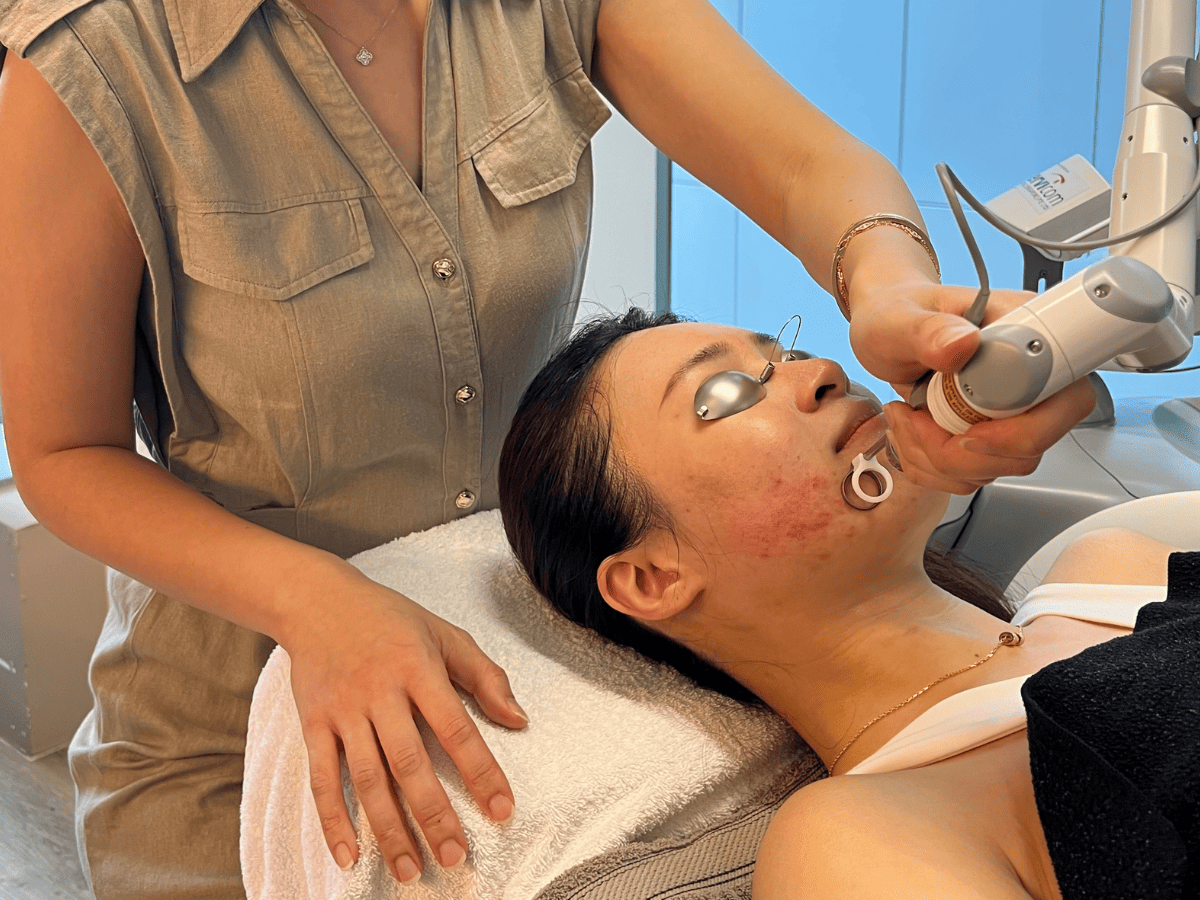
Fractional CO₂ laser works through ablative fractional resurfacing, a process that delivers laser energy in a grid-like pattern to the skin. The laser creates controlled microscopic columns of injury while leaving surrounding areas intact. These targeted micro-injuries activate the skin’s natural repair process, which can support collagen activity in both superficial and deeper skin layers over time. 

As healing progresses, new collagen replaces damaged tissue, leading to gradual improvement in scar depth, skin texture, and overall smoothness. 

Which Acne Scar Types Are Commonly Managed with Fractional CO₂ Laser

Fractional CO₂ laser is often considered for acne scars that involve both surface texture irregularities and deeper dermal changes. Scar patterns where this approach may be discussed include:

  • Rolling scars, particularly when fibrous tethering is minimal or has been addressed
  • Boxcar scars, especially shallow to moderate scars with defined edges
  • Mixed atrophic scars, often as part of a broader treatment plan

For deeper rolling scars, fractional CO₂ laser can be used after subcision, once tethering beneath the skin has been released, to address surface texture changes.

Considerations When Using Fractional CO₂ Laser

One of the strengths of fractional CO₂ laser is its ability to support visible changes after fewer sessions compared to less intensive treatments. Collagen remodelling may continue for a period of time after treatment as part of the skin’s natural healing process. For this reason, it is often considered in cases of moderate to more established acne scarring.

Because it acts at both surface and deeper skin levels, fractional CO₂ laser is commonly used for deeper atrophic acne scars when performed by experienced practitioners and with appropriate patient selection.

Limitations and Risks of Fractional CO₂ Laser

Because it is an ablative treatment, it involves higher downtime, typically including redness, crusting, and peeling during the recovery period. Healing time varies depending on treatment intensity and individual skin response. There is also a higher risk of post-inflammatory hyperpigmentation (PIH), particularly in patients with darker skin types. This makes careful patient selection, conservative settings, and experienced technique essential.

Fractional CO₂ laser is also not ideal for ice-pick scars when used alone, as these narrow, deep scars often require targeted treatments such as chemical reconstruction rather than broad resurfacing.

What is a Pico (Picosecond) Laser for Acne Scars?

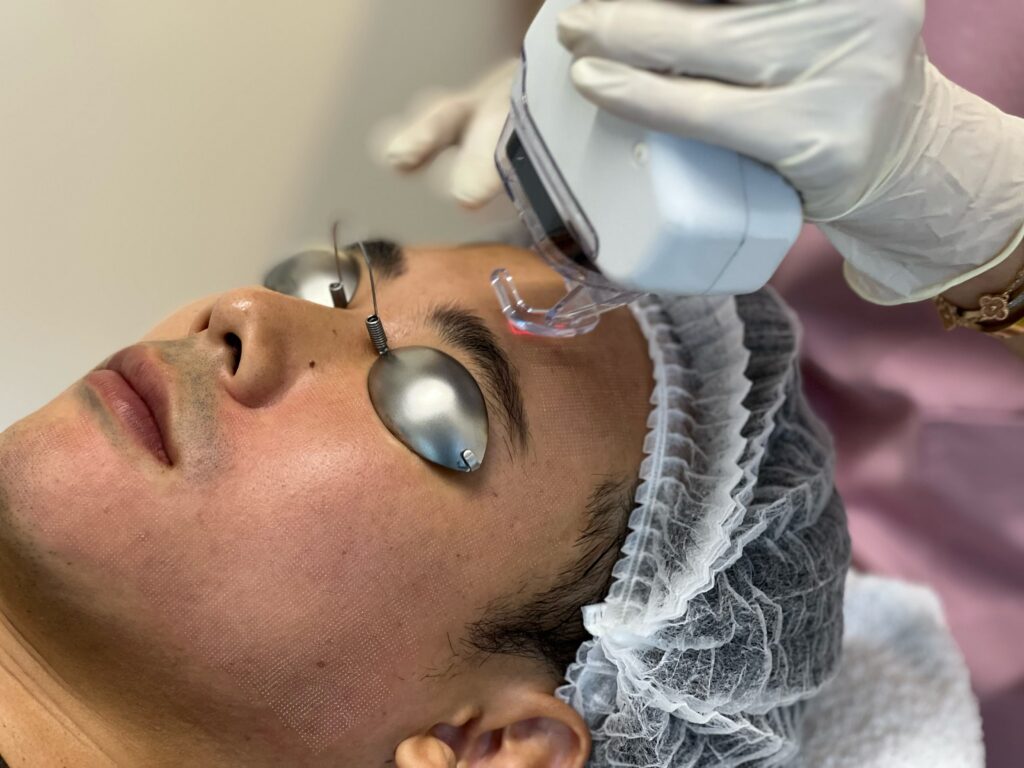
Pico, or picosecond, laser is a non-ablative laser technology used to improve acne scars by stimulating collagen without removing the skin surface. Unlike fractional CO₂ lasers, pico lasers target the dermis with minimal disruption to the skin surface, making them a consideration for certain scar types in which a less intensive approach is appropriate.

How Pico Laser Works

Pico laser delivers energy in ultra-short picosecond pulses, which are significantly shorter than those used in traditional lasers. These pulses create a photoacoustic effect, generating mechanical shock waves rather than relying primarily on thermal effects. This effect supports dermal remodelling while keeping the skin surface intact. Because a pico laser is non-ablative, it does not remove skin layers. Instead, it produces controlled dermal stimulation that gradually improves skin texture and scar appearance over multiple sessions.

This mechanism explains why pico laser typically involves minimal downtime but also more gradual results.

What Types of Acne Scars Respond to Pico Laser

Pico laser is often considered for patients with:

  • Mild or shallow atrophic scars
  • Uneven skin texture or surface irregularities
  • Scars with overlapping pigmentation, such as post-inflammatory hyperpigmentation

For deeper scars, pico laser may be used in combination with other techniques to support ongoing scar management or refine surface texture.

Considerations for Pico Laser

Pico laser is associated with shorter recovery periods compared with more intensive resurfacing treatments. Some individuals may experience mild redness, and many can resume daily activities within a short period.

Pico laser is often considered for darker skin types, as it delivers energy with less reliance on heat when appropriate settings are used. As a result, the risk of post-inflammatory hyperpigmentation (PIH) is generally lower when appropriate settings are used.

These features are often considered when discussing pico laser with patients who prioritise shorter recovery periods and gradual treatment response.

Limitations of Pico Laser

As a non‑ablative treatment, pico laser produces changes that tend to develop gradually across sessions. Treatment plans often involve multiple sessions, depending on individual response and treatment goals.

Pico laser may be less suited for deep acne scars, particularly those associated with marked collagen loss or dermal tethering. In such cases, other treatment approaches or combination strategies are often required.

Fractional CO₂ and Pico Laser Key Differences

This table summarises the differences between fractional CO₂ laser and pico laser for acne scar treatment. This comparison highlights why these lasers are not interchangeable, but instead serve different roles depending on scar type and patient factors.

Comparison Dimension Fractional CO₂ Laser Pico (Picosecond) Laser
Mechanism Ablative fractional resurfacing Non-ablative photoacoustic stimulation
Depth of action Surface and deeper dermal layers Primarily dermal stimulation
Scar types commonly considered Rolling scars, boxcar scars, mixed atrophic scars Mild scars, texture irregularities, pigmentation-associated scars
Number of sessions needed Involves fewer sessions in some treatment plans Often involves multiple sessions
Downtime and recovery Moderate to higher downtime Minimal downtime
Skin type considerations Requires careful settings and aftercare in darker or melanin-rich skin types Often considered for darker skin types when conservative parameters are used
Typical cost positioning Higher per-session cost due to treatment intensity Lower per-session cost, with multiple sessions often planned

Downtime and Recovery 

Downtime is a key practical difference between fractional CO₂ and pico lasers and often plays a significant role in treatment planning.

Fractional CO2 Laser

Fractional CO₂ laser typically involves moderate downtime. Common effects may include redness, swelling, crusting, and peeling. Healing usually takes place in stages:

  • Initial inflammation and oozing
  • Formation of micro-crusts
  • Gradual skin renewal and fading of redness

Recovery varies depending on treatment intensity and individual skin response, but most patients experience downtime lasting several days.

Pico Laser

Pico laser treatment can cause temporary redness or swelling, and many individuals resume normal activities soon after. Because the skin surface is left intact, recovery is generally shorter than with ablative laser procedures. This shorter downtime may be more suitable for individuals who prefer gradual improvements or have limited time for recovery.

Safety and Skin Type Considerations

Skin type plays an important role in determining how the skin responds to laser treatments, particularly regarding the risk of post-inflammatory hyperpigmentation (PIH).

Fitzpatrick Skin Types I–III

Individuals with lighter skin types may tolerate a broader range of laser settings, including ablative treatments like fractional CO₂ laser, when appropriately selected and performed. The risk of pigmentary changes is generally lower in this group when post-treatment care is followed properly.

Fitzpatrick Skin Types IV–VI

For individuals with darker or melanin-rich skin, there is a higher likelihood of PIH following ablative laser procedures. In such cases, treatments such as picosecond lasers may be considered, as they do not remove skin layers and are associated with a lower risk of surface disruption when conservative parameters are used.

Importance of a Clinical Experience

Regardless of skin type, provider expertise is essential. Appropriate laser choice, customised treatment settings, and thorough post-procedure care all contribute to both treatment safety and effectiveness. Practitioners experienced in treating a range of skin types are better positioned to minimise risks and tailor the treatment plan to individual needs.

Can Fractional CO₂ and Pico Lasers Be Combined?

Combination treatment is often considered, as fractional CO₂ and pico lasers target different layers of acne scarring.

A typical sequence may include:

  • Fractional CO₂ laser first, to target deeper structural changes and support collagen remodelling
  • Pico laser later, to refine texture and address residual pigmentation

While this approach may involve a higher upfront cost, it may offer a more layered strategy for scar management when tailored to individual concerns.

FAQs

Is fractional CO₂ laser more suitable than pico laser for acne scars?

No. Fractional CO₂ laser therapy is often considered for deeper acne scars, whereas picosecond laser therapy is more appropriate for mild scarring or when pigmentation is also a concern. The appropriate option depends on the individual’s skin condition, scar type, and treatment goals.

Can pico laser treat deep acne scars?

Pico laser’s effect on deeper acne scars is limited. It is often used as part of a broader treatment plan rather than as a standalone approach for more pronounced scarring.

Can pico laser replace fractional CO₂ laser entirely?

Pico laser is not typically used as a full replacement for fractional CO₂ laser in treating moderate to deep acne scars, but may be considered in combination or for maintenance.
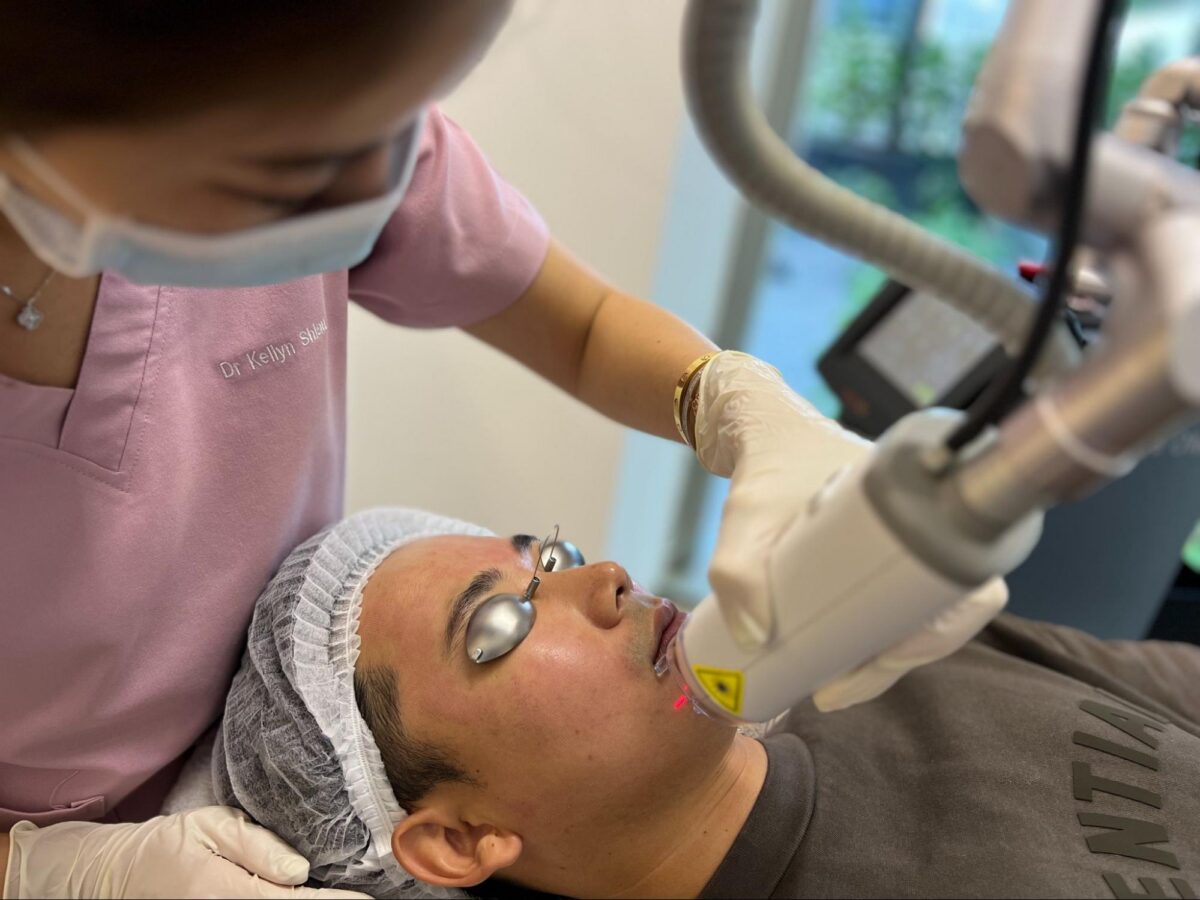

What Are Non-Surgical Treatments for Acne Scars?

Acne scarring can affect skin texture and appearance long after active breakouts have resolved. While surgical procedures are sometimes used to treat certain scar types, many individuals seek non-surgical options that are less invasive and involve shorter recovery periods. Non-surgical treatments aim to improve the appearance of acne scars by supporting the skin’s natural healing processes, often through collagen stimulation, surface renewal, or structural release.

This guide provides an overview of how non-surgical acne scar treatments work, the different techniques available, and how treatment plans are selected based on scar type and individual skin characteristics.

What Makes a Treatment Non-Surgical?

Non-surgical acne scar treatments are designed to reduce the appearance of acne scars without surgery, sutures, or general anaesthesia. These in-clinic options help remodel the skin by stimulating natural healing processes, such as collagen synthesis, scar tissue remodelling, and surface smoothing. Recovery is generally shorter than surgical procedures, allowing many individuals to resume daily routines soon after treatment.

It’s important to note that non-surgical doesn’t always mean needle-free. Procedures such as microneedling, subcision, and injectable fillers use fine needles to create controlled responses in the skin. These techniques aim to support the skin’s natural healing processes, often by encouraging collagen activity.

Non-Surgical Options for Acne Scar Management

Non-surgical treatments are used for improving skin texture and supporting natural repair processes. 

1. Microneedling

Microneedling works by creating controlled micro-injuries in the skin using tiny needles. This process activates the skin’s natural healing response and supports the activity of collagen and elastin. Because it does not use heat and causes minimal disruption to the surface layer, it is often considered for concerns such as rolling scars, mild boxcar scars, or widespread uneven skin texture.

Changes usually appear gradually across multiple sessions, and downtime is generally brief. When performed using conservative techniques, the likelihood of post-inflammatory pigmentation is considered lower in most skin types.

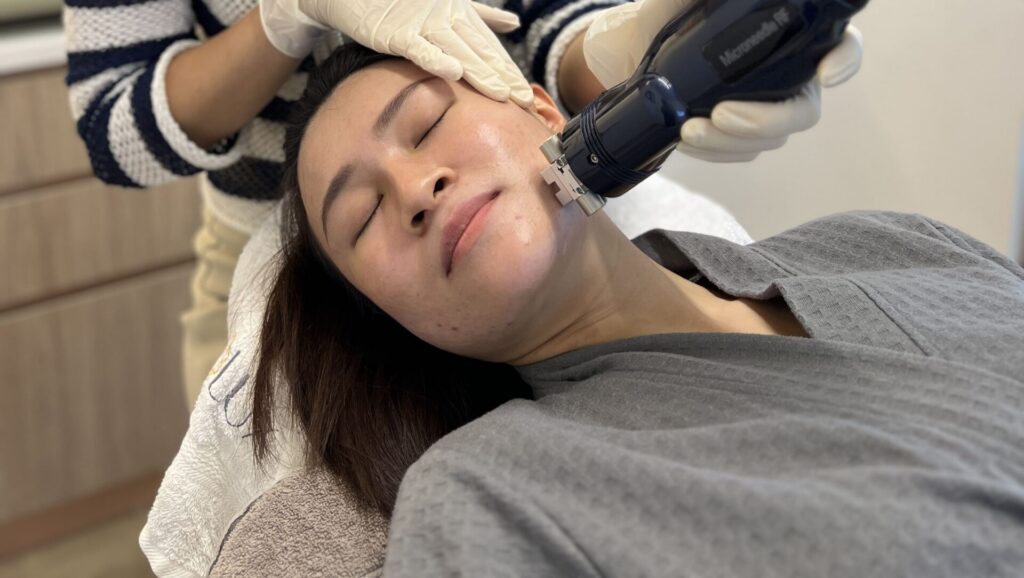
2. RF Microneedling 

Radiofrequency (RF) microneedling combines mechanical needling with controlled thermal energy delivered into the dermis. The added heat penetrates deeper layers of the skin and supports collagen regeneration and gradual tissue restructuring. It is often considered for atrophic scars and textural irregularities when deeper dermal stimulation is indicated.

3. Chemical Peels

Chemical peels remove the outermost layers of the skin to promote renewal and improve the texture of skin affected by acne scars. Superficial peels primarily affect the epidermis and are often used for mild uneven texture. Medium-depth or targeted peels, such as TCA CROSS, penetrate more deeply into the skin and may be used for specific scar types, including ice-pick scars. 

In individuals with melanin-rich skin, peel selection requires careful consideration, as deeper peels can increase the likelihood of irritation or pigmentation changes.

4. Laser and Light-Based Treatments 

Laser and light-based treatments support collagen activity and improve skin texture without surgically removing tissue. Different devices work at different depths within the skin.

  • Non-ablative fractional lasers deliver heat into deeper layers while preserving the surface. These treatments are usually performed over a series of sessions.
  • Ablative lasers, such as CO₂ or Erbium lasers, remove microscopic columns of skin to stimulate repair. Because they affect the skin surface more directly, they are associated with longer recovery periods.
  • Picosecond lasers operate via a photoacoustic effect rather than primarily through heat-based mechanisms. They may be considered when pigmentation and textural concerns occur together.

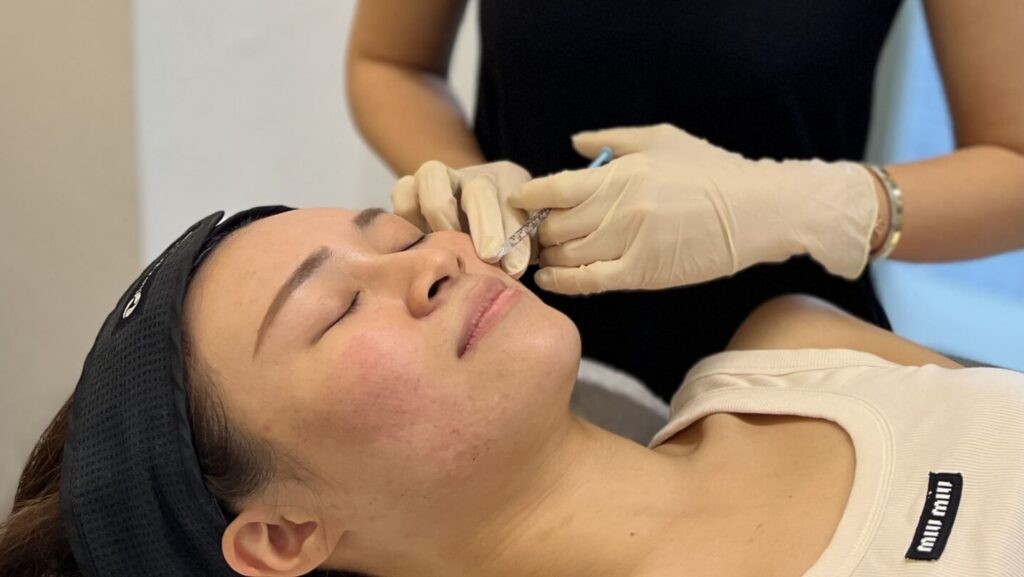
5. Subcision 

Subcision involves using a fine needle or cannula to release fibrous bands beneath the skin. It is often considered for rolling scars or scars that appear tethered to deeper tissue.It is typically used for rolling scars or scars that seem anchored to deeper tissue. Once these attachments are released, the skin can settle into a more even contour as it heals. Mild swelling or bruising is common and usually settles within days to weeks.

6. Dermal Fillers

Dermal fillers are sometimes used when acne scars involve volume loss. By placing filler beneath a depressed area, the surface may appear more level. Some filler types are also associated with gradual collagen activity, although their primary role is structural support. They are often used for rolling or wider boxcar scars and may follow subcision to address residual contour changes. Results differ between individuals, and maintenance treatments may be discussed over time.

Adjunctive therapies can also be added in selected cases. Options such as platelet-rich plasma (PRP) are intended to support the healing phase rather than replace scar-directed procedures. These treatments are typically part of a broader plan rather than standalone solutions.

Considerations for Asian Skin

Asian skin types generally have higher melanin activity, which increases susceptibility to post-inflammatory hyperpigmentation (PIH) after procedures that cause heat or inflammation. Safe treatment planning includes:

  • Choosing non-thermal or lower-heat approaches such as microneedling, subcision, or picosecond lasers when appropriate
  • Using conservative energy settings
  • Ensuring strict sun protection and post-care

Skincare that supports barrier recovery and pigment balance is essential both before and after procedures.

What to Expect From Non-Surgical Treatments

Non-surgical treatments don’t remove scars entirely. They focus on supporting the skin’s natural repair process, particularly collagen production, which means changes often appear gradually rather than immediately.

In many cases, a series of sessions may be recommended. Key expectation points include:

  • Improvements tend to appear gradually, often over several weeks or months
  • Collagen activity may continue even after your final session
  • Maintenance treatments might be suggested, depending on how your skin responds

Overly aggressive treatment may increase inflammation and the risk of pigmentation. More consistent results are often achieved through carefully planned, measured treatment plans.

FAQs

Are non-surgical treatments suitable for all types of acne scars?

No. Their suitability depends on the type and depth of the scars. Some individuals may respond better to surgical procedures, while others may benefit from a combined approach.

Can non-surgical treatments fully replace surgery?

In some cases, yes. However, certain deep or narrow scars may still require surgical correction to achieve optimal results.

Are non-surgical acne scar treatments suitable for darker skin types?

Yes, when appropriate techniques and conservative settings are used. This helps reduce the risk of post-inflammatory pigmentation.

Why are different treatment types sometimes combined?

Acne scars often involve multiple concerns, such as texture irregularities, collagen loss, or tethering. Combining different treatments can help address these issues more effectively.

Understanding Safe, Evidence-Based Treatments for Pigmentation in Singapore

Pigmentation treatments aim to gradually improve the appearance of dark marks rather than remove them completely or immediately. Results vary among individuals and depend on several factors, including the type and depth of pigmentation, skin type (particularly in Asian skin), and the consistency of sun protection and follow-up care. 

Various in-clinic pigmentation treatments are available in Singapore, including lasers, chemical peels, and microneedling. Safe and appropriate treatment selection is more important than using aggressive methods. Excessive treatments may exacerbate pigmentation, particularly in Asian skin types that are more prone to post-inflammatory hyperpigmentation (PIH).

This article outlines commonly used pigmentation treatments, explains how they work, and offers guidance on choosing suitable options based on clinical considerations rather than assumptions or expectations.

What Is Pigmentation?

Pigmentation refers to changes in skin colour caused by variations in melanin, the natural pigment responsible for skin, hair, and eye colour. When melanin is produced in excess or distributed unevenly, it can lead to darker patches or spots on the skin.

Pigmentation can develop for several reasons, including inflammation, sun exposure, hormonal changes, and skin injury. Unlike acne scars, pigmentation does not involve structural damage to the skin. The skin surface remains intact, and the change is limited to colour rather than texture. However, pigmentation can persist for months or longer, particularly in individuals with Asian or darker skin tones, in which melanocytes tend to respond more actively to inflammation.

Because pigmentation has different underlying causes, management approaches vary and should be tailored to the type of pigmentation, skin type, and individual skin response.

Why Pigmentation Treatment Requires Special Care in Asian Skin

Pigmentation treatment requires particular caution in Asian skin types, most commonly classified as Fitzpatrick III–V, due to higher baseline melanin activity. In these skin types, melanocytes respond more readily to inflammation, heat, and injury, which increases the risk of pigment overproduction following procedures.

As a result, Asian skin has a higher risk of post-inflammatory hyperpigmentation (PIH), particularly when exposed to thermal or intensive treatments. Even procedures intended to reduce pigmentation may lead to further darkening if they trigger excessive inflammation.

For this reason, a cautious approach is often recommended, starting with low treatment settings, increasing intensity gradually, and allowing enough time between sessions for the skin to recover. Safe outcomes depend less on treatment intensity and more on controlled, evidence-based protocols tailored to melanin-rich skin.

Laser Treatments for Pigmentation

Laser treatments are commonly used to manage pigmentation in Singapore; however, safety depends on the type of laser, treatment settings, and patient suitability, particularly in Asian skin.

Q-Switched Nd:YAG Lasers (Nanosecond)

Q-switched Nd:YAG lasers target pigmentation by delivering short bursts of energy that fragment melanin particles. These fragments are then cleared gradually by the body’s immune system.

Q-switched lasers are often used for post-acne PIH, especially when the pigmentation is superficial or involves both superficial and deeper layers. However, in Asian skin, the risk of PIH increases if energy settings are too aggressive or treatments are performed too frequently. As a result, Q-switched lasers require careful parameter selection and conservative protocols.

Picosecond Lasers

Picosecond lasers rely on an ultra-short photoacoustic mechanism rather than on heat. This allows pigment to be shattered into finer particles with less thermal injury to the surrounding skin. Because of reduced heat diffusion, picosecond lasers are associated with a lower risk of PIH compared to nanosecond lasers, particularly in melanin-rich skin. 

Fractional Lasers 

In melanin-rich skin, such as Asian skin types, fractional lasers may carry a higher risk of post-inflammatory hyperpigmentation (PIH) due to their inflammatory nature. As a result, they are more commonly used as part of a combined treatment plan where both pigmentation and texture issues are present. In such cases, conservative energy settings, extended intervals between sessions, and strict aftercare are essential to minimise pigmentary risks and support recovery.

Non-Laser Treatments for Pigmentation

Non-laser treatments play an important role in pigmentation management, particularly for patients with reactive skin, milder pigmentation, or a higher risk of PIH. These treatments may be used alone for mild pigmentation or incorporated into a broader treatment plan as appropriate.

Chemical Peels

Chemical peels improve pigmentation by promoting controlled exfoliation and skin renewal. The depth of the peel determines both effectiveness and risk. Superficial peels act on the outermost skin layers and are commonly used for post-acne PIH. They support the natural removal of pigmented cells and help improve overall skin tone. Deeper peels, while more potent, carry a higher risk of irritation and PIH, particularly in Asian skin.

Common acids used for PIH include alpha-hydroxy acids, beta-hydroxy acids, and other mild exfoliating agents selected for gradual pigment reduction. In Asian skin, superficial peels are often chosen to minimise inflammation while supporting pigment reduction.

Chemical peels may be used alone for mild pigmentation or in combination with other treatments, as appropriate, to support skin renewal without adding substantial recovery time.

Microneedling (± Infusions)

Microneedling treats pigmentation by creating controlled micro-injuries that stimulate skin repair without the use of heat. This mechanical process encourages gradual pigment improvement and is often used across a wide range of skin types, including those more prone to post-inflammatory hyperpigmentation (PIH).

Results develop over multiple sessions, with progressive lightening rather than rapid clearance. Microneedling is commonly included in treatment plans when pigmentation occurs alongside texture concerns. When paired with appropriate topical agents, it helps manage pigmentation while reducing the risk of inflammation.

Matching Pigmentation Type to Treatment Approach

Successful pigmentation treatment depends on selecting a method suited to the type and depth of pigmentation. Using the wrong modality may delay results or trigger pigment worsening.

  • Epidermal pigmentation lies closer to the skin surface and often responds to superficial peels, topical agents, or gentle laser treatments.
  • Dermal or mixed pigmentation runs deeper and may require multiple low-intensity laser sessions spaced out over time for safe improvement.
  • When pigmentation coexists with acne scars, both colour and texture must be addressed through separate treatment pathways. Managing pigment risk is essential, especially when combining therapies.
  • In reactive or pigmentation-prone skin, non-thermal treatments, conservative protocols, and careful aftercare help minimise inflammation and support gradual improvement.

Over-treating or choosing the wrong modality may prolong recovery or worsen pigmentation.

Safety Principles That Matter More Than the Machine

In pigmentation treatment, the provider’s expertise often has a greater impact on safety and outcomes than the device itself. The same technology can yield very different results depending on how conservatively it is applied.

Core safety practices include performing test spots when needed, using appropriate energy settings, and allowing adequate recovery time between sessions. Pre- and post-treatment care, such as barrier repair and pigment suppression, helps reduce the risk of post-inflammatory hyperpigmentation (PIH).

Consistent sun protection and maintenance skincare are also essential. Without proper photoprotection, even well-performed treatments may lead to recurrence or suboptimal results. Pigmentation management continues beyond the clinic and requires long-term attention.

Cost Considerations in Singapore 

Pigmentation treatments in Singapore are usually session-based rather than one-off procedures. This is because pigment clearance occurs gradually as the skin renews, with excess melanin being broken down and cleared over time. Attempting to remove pigmentation too aggressively in a single session increases the risk of inflammation and post-inflammatory hyperpigmentation (PIH), especially in Asian skin.

Chemical peels and microneedling tend to have a lower cost per session, but they typically require more sessions to achieve visible improvement. These options are often used for mild pigmentation, maintenance, or in combination with laser treatments.

Laser treatments usually involve a higher cost per session, reflecting the technology and expertise required. However, fewer sessions may be needed, particularly when lasers are appropriately matched to pigment depth and skin type.

Ultimately, the total cost of treatment depends not only on how quickly results appear but also on how safely and appropriately the treatments are performed. Conservative approaches that minimise inflammation can reduce complications and the need for corrective procedures, often proving more cost-effective in the long term.

Choosing a Pigmentation Treatment Provider in Singapore

Selecting the right provider is one of the most important factors in achieving safe and effective pigmentation improvement.

Experience with Asian skin is essential, as melanin-rich skin requires different treatment parameters and more cautious pacing. A qualified provider will begin with a thorough consultation to distinguish pigmentation from scarring. They should also assess the depth of pigmentation before recommending any treatment plan.

Experienced providers in pigmentation management are also more likely to recommend combination or staged treatment plans, rather than relying on a single modality. This approach reflects an understanding that pigmentation often requires multiple mechanisms and careful progression.

Red flags to watch for include over-promising results, claims of permanent removal, or “one-size-fits-all” machines. Pigmentation treatments should be tailored, conservative, and adjusted over time based on the skin’s response.

FAQ

Can pigmentation be removed permanently?

Pigmentation can often be significantly improved, but it may recur, particularly with sun exposure or ongoing inflammation.

Which laser is suitable for Asian skin?

Lasers that minimise heat diffusion and use conservative settings are preferred for Asian skin, but suitability depends on pigment type and skin response.

Why does pigmentation sometimes get darker after treatment?

Excessive heat or inflammation can stimulate melanocytes, leading to post-inflammatory hyperpigmentation.

How long does improvement usually take?

Most pigmentation treatments work gradually. Improvements typically appear over several sessions, depending on pigment type, skin response, and treatment consistency

How Subcision and Microneedling Stimulate Collagen in Acne Scar Treatment

Atrophic acne scars often result from collagen loss and dermal disruption. When the skin is unable to regenerate normal collagen after acne-related inflammation, depressions persist, resulting in permanent textural changes.  Subcision and microneedling are two commonly used acne scar treatments that work through different biological pathways to support the skin’s own collagen production. 

Subcision works by creating controlled injury beneath the scar to release tethering and trigger collagen production from below. Microneedling, on the other hand, creates numerous micro-injuries in the dermis to stimulate more widespread collagen renewal. Both rely on the skin’s natural healing process but act at different depths and through distinct mechanisms. 

Why Collagen Loss Causes Acne Scars

Atrophic acne scars develop when inflammation damages the dermal matrix, and the skin fails to regenerate normal collagen during healing. Two related changes occur: loss of dermal collagen and the formation of disorganised scar collagen. Normal skin relies on a dense, well-organised collagen network to maintain structural support. When acne disrupts this framework, the overlying skin loses its foundation and collapses inward. This is why acne scars often appear indented: the skin lacks the underlying support necessary to remain even.

A key objective in acne scar treatment is to stimulate collagen neogenesis, new, well-organised collagen that helps restore support beneath the scar. Treatments that successfully stimulate collagen neogenesis can gradually improve scar appearance and overall skin texture.

How the Skin Produces New Collagen After Injury

When the skin is injured, it undergoes a natural healing process involving four stages: hemostasis, inflammation, tissue growth, and remodelling. Early in the healing process, the body produces a temporary form of collagen (Type III), which is later replaced by stronger, more organised collagen (Type I). This process is driven by fibroblasts and growth factors that are activated during inflammation. Over time, the new collagen helps restore structure in the skin, improving strength and texture. 

Some acne scar treatments aim to support this process by triggering controlled injury that restarts collagen production in targeted areas, a method often referred to as percutaneous collagen induction.

How Subcision Stimulates Collagen Production

Subcision stimulates collagen production by creating a controlled injury in the deep dermis, thereby releasing scar tethering and initiating a prolonged wound-healing response.

Mechanical Release of Fibrous Scar Bands

Many atrophic acne scars are held down by fibrous bands that connect the dermis to deeper tissues. During Subcision, a specialised needle is used to cut these bands beneath the scar. This release can cause the scar to lift visibly, but this immediate improvement represents only part of the treatment effect. The more important long-term benefit comes from the biological response that follows the controlled injury.

Controlled Deep Dermal Injury and Collagen Filling

When fibrous bands are released, Subcision creates a subdermal wound pocket beneath the scar. This space fills with blood, forming a clot that acts as a temporary scaffold.

Within this scaffold, fibroblasts migrate into the wound space and begin depositing new collagen as part of the healing process. This newly formed collagen gradually occupies the space created by Subcision, replacing the void with structural dermal support rather than allowing the scar to re-tether. 

Long-Term Collagen Remodelling After Subcision

Collagen formation continues for several months. Initial repair collagen is gradually remodelled into stronger, more organised collagen that integrates with the surrounding tissue. As a result, the scar is no longer anchored, and the results are often long-lasting, especially when Subcision is combined with other treatments that enhance dermal quality.

How Microneedling Stimulates Collagen Production

Microneedling promotes collagen production by creating controlled micro-injuries across the dermis. Unlike Subcision, it doesn’t target individual scars but stimulates collagen renewal across a broader area.

Controlled Micro-Injuries in the Dermis

During microneedling, multiple fine needles create thousands of microscopic punctures in the skin. These micro-channels extend into the dermis while causing minimal disruption to the epidermis.

Because the surface barrier remains largely intact, microneedling induces a controlled injury sufficient to initiate healing without significant inflammation or downtime. This makes it suitable for repeated treatments and for patients at higher risk of pigmentation.

Growth Factor Release and Fibroblast Activation

The micro-injuries activate platelets and cytokines, which release growth factors that stimulate fibroblasts. This initiates the formation of new collagen and blood vessels throughout the treated skin.

Rather than filling a discrete wound pocket as in Subcision, microneedling stimulates widespread collagen production throughout the treated dermis. This results in the gradual thickening of the dermal layer and improved collagen organisation over time.

Gradual Dermal Thickening and Scar Softening

Collagen deposition following microneedling is incremental, occurring over weeks to months with repeated treatments. Instead of immediate scar elevation, patients typically notice progressive softening of scars and a smoother texture. Microneedling doesn’t mechanically lift scars, but it improves the skin’s overall quality and texture, especially when used as part of a comprehensive treatment plan.

Subcision and Microneedling Collagen Stimulation

The table below summarises how Subcision and microneedling stimulate collagen through different biological pathways, highlighting why they are complementary rather than interchangeable.

Comparison Dimension Subcision Microneedling
Type of injury Mechanical release and deep dermal injury Repeated micro-injury
Depth of collagen stimulation Deep dermis and subdermal plane Superficial to mid-dermis
Speed of visible improvement Immediate partial lift with gradual improvement Gradual improvement only
Type of collagen response Focal collagen filling and structural support Diffuse collagen thickening
Suited scar types Tethered rolling and boxcar scars Shallow, diffuse atrophic scars
Longevity of collagen changes Often long-lasting Maintained with repeated sessions and ongoing care

Because they target different depths and mechanisms, combining both treatments may lead to more comprehensive improvement in suitable patients than either treatment alone.

Variations That Enhance Collagen Stimulation

Several microneedling techniques are used to enhance collagen production by modulating the biological signals involved in healing, without altering the fundamental mechanism.

RF Microneedling

RF microneedling adds controlled thermal energy to the microneedling process. In addition to mechanical micro-injury, radiofrequency energy causes thermal collagen contraction and stimulates deeper dermal remodelling.

This combination can enhance collagen production at greater depths compared to traditional microneedling, while still preserving the epidermis. It offers the potential for dermal tightening without the tissue removal involved in ablative procedures.

Microneedling with PRP

Microneedling with platelet-rich plasma (PRP) aims to enhance collagen stimulation by introducing growth factors directly into the skin. PRP contains concentrated platelets that release growth factors, which may support fibroblast activity and promote collagen renewal. While the core mechanism remains controlled injury and repair, PRP helps amplify the skin’s healing response when used alongside microneedling.

Why Subcision and Microneedling Are Commonly Combined

Subcision and microneedling are commonly combined because they address different aspects of acne scarring.

Subcision focuses on releasing and lifting scars structurally and stimulating collagen in the lower dermis. Microneedling, in contrast, improves overall dermal texture through collagen renewal.

In practice, Subcision is usually performed first to correct deep anchoring beneath the scar. Microneedling was introduced later to support broader collagen remodelling and smooth surface irregularities. Combining Subcision and microneedling may help address both the deep structural component and the quality of surrounding skin. This dual-modality approach is often preferred for creating more even and longer-lasting improvement.

Safety and Recovery Differences Related to Collagen Stimulation

Safety and recovery profiles in these treatments differ because the depth of injury influences how the skin heals. Subcision involves deeper dermal and subdermal injury, which commonly leads to bruising and swelling. Collagen forms gradually as deeper tissues remodel, leading to more noticeable recovery time but also longer-lasting structural improvement.

Microneedling creates controlled injury in the superficial to mid-dermis, with minimal disruption to the epidermis. This results in shorter downtime and lower risk of complications, but the collagen response is slower and more gradual. The depth of injury explains both the variation in healing time and the type of collagen remodelling achieved.

Quick Answers to Common Questions

How do Subcision and microneedling differ in how they stimulate collagen?

Subcision stimulates deeper, focal collagen formation, while microneedling stimulates diffuse collagen renewal. They work through different mechanisms.

Does collagen produced by Subcision and Microneedling treatments last?

Yes. Collagen produced by these treatments can be long-lasting, particularly after Subcision, although ageing and lifestyle factors still affect the skin over time.

Can microneedling replace Subcision?

No. Microneedling does not release the fibrous bands that cause tethered scars, so it cannot replace Subcision in those cases.

How long does collagen remodelling take?

Collagen remodelling typically continues for 3 to 6 months after treatment, depending on the procedure and individual skin response.

How Doctors Determine Suitable Acne Scar Treatments in Singapore

Choosing an acne scar treatment is a medical decision, not a one-size-fits-all choice. Acne scars differ in type, depth, and underlying cause, and the same treatment can produce different results for different individuals. Doctors assess suitability by considering scar characteristics, skin type, safety factors, and established clinical guidelines.

In Singapore, acne scar treatments are classified as medical procedures and must be carried out by licensed doctors in regulated medical clinics. As such, treatment plans are typically individualised and may be delivered in stages, based on clinical evaluation.

Regulatory Framework That Guides Treatment Decisions

Acne scar treatments in Singapore are governed by a clear regulatory framework that ensures patient safety and ethical practice.

Doctors practise under the oversight of the Ministry of Health (MOH) and must comply with the Healthcare Services Act (HCSA), which regulates the provision of medical services and their delivery sites. In addition, the Singapore Medical Council (SMC) Aesthetic Practice Guidelines define which aesthetic procedures are acceptable, who may perform them, and under what conditions they may be performed.

These frameworks emphasise the use of evidence-based and professionally accepted treatments. For patients, this regulatory structure helps ensure that acne scar treatments are delivered by trained professionals, using established techniques, with patient safety and informed consent as central priorities.

1. Assessing the Type of Acne Scars

The most important factor in determining treatment suitability is scar type. Scars form through distinct biological processes, which is why they respond differently to treatment.

Atrophic (Depressed) Scars

Atrophic scars are the most common type of acne scar and result from collagen loss during the healing process. They are broadly classified into:

  • Ice-pick scars, which are narrow and deep
  • Boxcar scars, which are wider with defined edges
  • Rolling scars, which create a wave-like appearance due to tethering beneath the skin

Each morphology behaves differently. For example, scars from deep tethering require different approaches than those from primarily surface collagen loss. Doctors assess these differences to determine which treatment mechanisms are appropriate.

Hypertrophic and Keloid Scars

Hypertrophic and keloid scars are caused by excess collagen production, rather than collagen loss. They appear raised rather than depressed and behave very differently from atrophic scars. Because the underlying biology is different, the treatment approach for these scars is entirely distinct and does not follow the same principles used for depressed acne scars.

Pigmentation vs True Scars

Doctors also distinguish carefully between post-inflammatory hyperpigmentation (PIH) and true acne scars. PIH involves a colour change without texture alteration, while true scars involve changes in skin structure, such as indentations or raised areas. While many people have both pigmentation and scarring, they require different treatment approaches.

2. Grading Severity and Distribution of Scars

After identifying scar type, doctors assess severity and distribution, as these factors directly influence treatment planning. Acne scarring is commonly graded as mild, moderate, or severe based on depth, number of scars, and overall impact on skin texture.

Doctors also evaluate whether scars are limited to certain areas, like the cheeks or temples, or spread more widely across the face. Mild and localised scarring may be managed with fewer sessions or less intensive modalities, while moderate to severe or widespread scarring may benefit from a more staged or individualised approach.

Severity influences several aspects of care:

  • Choice of modality, as deeper or more extensive scars require different mechanisms
  • Number of sessions, since collagen remodelling is cumulative
  • Need for combination treatment, particularly when multiple scar patterns are present

This step helps guide treatment intensity according to clinical need.

3. Evaluating Skin Type and Healing Risk

Skin type plays a critical role in treatment selection, particularly in Singapore, where many patients have Fitzpatrick skin types III–V. These skin types have higher melanin activity and therefore a greater risk of post-inflammatory hyperpigmentation (PIH) following procedures that cause inflammation or heat.

Doctors also take into account an individual’s healing history, including:

  • Previous episodes of pigmentation after procedures or acne
  • A tendency to form keloids or hypertrophic scars
  • Sensitive or reactive skin conditions

To manage these risks, doctors often adopt a cautious approach. This may include using conservative treatment settings, performing test spots before full treatment, and staging treatments over time. These measures aim to minimise complications and support adequate recovery time between sessions.

4. Matching Scar Type to Treatment Mechanism

Acne scar treatment selection is mechanism-based, rather than focused on any single device or technology. Doctors choose treatments based on how they address the underlying cause of the scar.

At a high level, the matching logic includes:

  • Tethered scars – techniques that release fibrous bands beneath the skin
  • Diffuse atrophy – treatments that stimulate collagen production
  • Surface irregularities – resurfacing approaches
  • Raised scars – methods that suppress excess collagen

This framework helps doctors select treatments based on the underlying characteristics of each scar type. It also reinforces an important principle: no single treatment addresses all scar types; therefore, individualised planning is essential.

5. Considering Safety, Downtime, and Recovery

Safety considerations are central to every treatment decision. Doctors assess a patient’s tolerance for downtime, including temporary redness, swelling, or bruising, and how these effects may affect work or daily activities.

Medical factors are equally important. Active acne, skin infections, or underlying conditions such as eczema may require delaying or modifying treatment. These considerations help reduce the risk of complications and ensure that procedures are performed on stable, healthy skin.

In clinical decision-making, safety always outweighs speed or intensity. Treatments are selected and timed to minimise risk, even if this means slower or more gradual improvement.

6. Using Combination and Staged Treatment Plans

Most patients have mixed scar patterns, which is why combination and staged treatment plans are common. Rather than addressing everything at once, doctors often sequence treatments to allow the skin to heal and respond appropriately.

Examples of staged logic include:

  • Structural correction before resurfacing, so scars are first released before surface refinement
  • Pigmentation control alongside texture improvement, especially in patients prone to PIH

Allowing adequate time between sessions is essential for collagen remodelling and reduces cumulative inflammation. This approach prioritises safety and supports gradual progress over time.

7. Factoring Cost, Practicality, and Patient Preferences

Practical considerations are an important part of shared decision-making. Different treatment modalities vary in cost, and most acne scar treatments require multiple sessions rather than a single procedure.

Doctors discuss factors such as:

  • Budget and affordability over the full treatment course
  • Time commitment required for repeat sessions
  • Work and social downtime associated with recovery

Within medical and ethical guidelines, doctors work with patients to develop a treatment plan that considers clinical needs, practicality, and individual preferences. This collaborative approach helps align expectations and supports adherence to the treatment plan.

Who Is Qualified to Perform Acne Scar Treatments in Singapore?

In Singapore, acne scar treatments are considered medical procedures and must be carried out by qualified doctors in licensed clinics. These doctors are required to follow guidelines set by the Ministry of Health (MOH) and the Singapore Medical Council (SMC). Those who perform aesthetic procedures must also have the proper training and certification. These regulations are in place to help ensure treatments are safe and properly performed.

Licensed clinics are also required to use approved medical equipment and maintain proper clinical standards. Acne scar treatments are regulated medical procedures and are only permitted in licensed medical settings, not in salons or spas.

FAQs

Why do doctors suggest different treatment plans?

Because acne scars vary in type, severity, skin response, and patient priorities, doctors may recommend different approaches based on their clinical assessment.

Is one treatment suitable for all acne scars?

No. Different scar types respond to different mechanisms, which is why individualised treatment planning is necessary.

Why does treatment often take several sessions?

Collagen remodelling is a gradual biological process, and improvement accumulates over multiple treatments rather than a single session.

Can active acne affect scar treatment choice?

Yes. Active acne may need to be controlled first to reduce inflammation and prevent new scarring or pigmentation.

Should I seek a second opinion?

Seeking a second opinion is reasonable, especially if you are uncertain about a proposed treatment plan or wish to explore alternative approaches.

How Collagen Rebuilding Helps Improve Acne Scars and Enlarged Pores

Acne scars and enlarged pores are common concerns that often share a similar underlying issue: a loss of structural support within the skin. Collagen, a key protein that gives skin its firmness and elasticity, plays a central role in skin healing and maintenance of texture.

When collagen is weakened, whether from inflammation, ageing, or external stressors, the skin may struggle to recover fully, leading to visible scarring and enlarged pores.

This article explains how collagen rebuilding supports long-term skin improvement, outlines the mechanisms involved in collagen stimulation, and describes how treatment approaches are adjusted based on scar type, pore visibility, and individual skin characteristics.

Acne Scars and Collagen Rebuilding

The following sections explain how collagen loss contributes to acne scars and how rebuilding it can improve skin texture over time.

How Collagen Loss Leads to Acne Scars

Most acne scars are atrophic, meaning they result from a net loss of collagen during the healing process. Common types include ice-pick, boxcar, and rolling scars. While these scars vary in shape and depth, they often share a similar cause: incomplete collagen repair following inflammation.

When acne becomes inflamed, the body releases enzymes that break down damaged collagen in the deeper layers of the skin. If the regeneration process doesn’t fully restore this collagen, the skin may heal unevenly, leading to visible indentations, texture changes, and shadowing.

Because the issue lies beneath the surface, improving acne scars requires stimulating new collagen formation in the dermis. Surface-level smoothing alone does not correct underlying volume loss or weakened support. Improving the appearance of scars often involves supporting collagen production in areas where it has been lost.

How Collagen Rebuilding Improves Acne Scars

Collagen rebuilding works by triggering the skin’s natural healing response through controlled stimulation. Collagen remodelling supports improvement in acne scars by activating the skin’s natural repair process. When the deeper layers of the skin are targeted, the body begins a repair process that includes inflammation, activation of fibroblasts, and new collagen synthesis.

Fibroblasts produce new collagen to replace damaged or deficient tissue. Over time, weak or disorganised collagen within scars is gradually replaced with stronger, more structured collagen fibres. This process leads to the gradual elevation of depressed scars and softening of sharp edges.

Scar improvement occurs slowly because collagen remodelling takes months. As collagen matures and reorganises, the skin surface becomes smoother and more even. The improvement is progressive rather than immediate, reflecting the biological timeline of collagen regeneration.

Ways Collagen Can Be Stimulated in Acne Scar Treatment

Collagen can be stimulated through several mechanisms that activate the skin’s natural wound-healing response in a controlled manner. These approaches differ in how they interact with the skin and in the depth at which they act within the dermis.

  • Mechanical stimulation, such as microneedling, creates tiny controlled punctures in the skin. These micro-channels signal the body to begin repair and produce new collagen without the use of heat.
  • Thermal stimulation, including radiofrequency-based treatments, delivers controlled heat into the dermis to promote collagen contraction and remodelling.
  • Ablative resurfacing, such as fractional laser treatments, removes microscopic columns of tissue to stimulate collagen renewal during healing.
  • Chemical stimulation, including selected chemical peels, promotes skin renewal by inducing controlled injury through chemical exfoliation.

Each method acts at a different depth and intensity. For this reason, no single method is suitable for all scars, and acne scar treatment selection depends on the underlying pattern and severity of collagen loss.

Enlarged Pores and Collagen Rebuilding

Understanding the relationship between collagen support and pore appearance helps explain why treatments that stimulate collagen may influence pore visibility over time.

How Collagen Loss Contributes to Enlarged Pores

Pores are openings of hair follicles and sebaceous glands, and the strength of the surrounding dermal support influences their appearance. How visible they appear depends partly on how firm and supported the surrounding skin is. Collagen helps keep the skin around each pore strong and elastic. When collagen decreases, the skin becomes less firm and less likely to spring back. As a result, pore openings can stretch and look larger, especially under gravity and repeated facial movement. Thinning dermal support also reduces the skin’s ability to maintain a smooth surface, making pores more noticeable.

Pores are a normal anatomical feature and cannot be permanently removed. However, improving dermal support may help reduce their appearance by strengthening the surrounding skin structure.

How Collagen Rebuilding Improves the Appearance of Pores

Collagen rebuilding improves pore appearance by increasing dermal thickness and support around hair follicles. As collagen density increases, the skin becomes firmer and more elastic, thereby better resisting stretching at the pore openings.

Increased elasticity may improve the skin’s ability to recoil, thereby influencing the visibility of pores. Additionally, a smoother dermal surface improves how light reflects across the skin, making pores less visually prominent.

Pore improvement is usually a secondary effect of collagen rebuilding rather than an immediate outcome. As collagen develops and stabilises over time, the surrounding skin gains better structural support, which can make pores appear less prominent and the overall texture look smoother.

Matching Collagen Stimulation to Skin Damage

The depth of collagen loss plays a key role in selecting the right stimulation method.
Superficial collagen loss may present as uneven texture or mildly enlarged pores. These changes often respond to gentler treatments that target the upper dermis.

In contrast, rolling and boxcar scars involve deeper dermal damage, requiring more intensive collagen induction to rebuild support beneath the skin.

This deeper tissue damage often calls for:

  • More intensive or combined collagen stimulation methods
  • A staged treatment plan
  • Longer recovery and remodelling timelines

Tailoring the depth of treatment to the extent of damage helps maximise results while maintaining safety.

Factors That Affect Collagen Rebuilding Outcomes

The response to collagen turnover varies between individuals and depends on several biological and practical factors. Understanding these variables helps explain why outcomes differ and why treatment plans are often tailored.

  • Scar type and depth: Deeper scars, such as rolling or boxcar types, involve structural changes in the deeper dermis. These scars generally require more collagen remodelling than shallow surface irregularities. 
  • Skin type and pigmentation risk: Darker or more reactive skin may require gentler treatments and longer intervals between sessions to reduce the risk of post-inflammatory hyperpigmentation (PIH).
  • Age and baseline collagen levels: As we age, natural collagen production slows down, which can affect how quickly and effectively the skin responds to treatment.
  • Sun exposure and lifestyle factors: Ongoing ultraviolet exposure, smoking, and chronic inflammation may interfere with healing and influence how the skin responds during treatment.

Treatment spacing and aftercare also influence outcomes. Allowing time for adequate healing and following post-treatment guidance supports collagen maturation, whereas closely spaced sessions or inconsistent aftercare may reduce the extent of improvement.

Collagen Preservation and Maintenance

Once improvement has been achieved, preserving collagen becomes important for long-term stability. The body constantly renews and breaks down collagen as part of normal ageing, and levels may decline over time if contributing factors are not managed.

Key maintenance principles include:

  • Sun protection, to reduce ultraviolet-related collagen breakdown
  • Acne control, to reduce repeated inflammatory stress on the skin
  • Gentle skincare habits, to minimise chronic irritation and low-grade inflammation

Without these measures, newly formed collagen may weaken over time due to ongoing UV exposure, inflammation, and natural ageing. Long-term habits, such as consistent sun protection and gentle skincare, are generally safer and more sustainable than repeated high-intensity treatments, which may increase risk.

What Collagen Rebuilding Can and Cannot Do

Collagen rebuilding plays an important role in improving skin structure, but its effects have limitations.

Collagen rebuilding can:

  • Improve the depth of atrophic scars
  • Smooth uneven skin texture
  • Reduce the visibility of enlarged pores

Collagen rebuilding cannot erase acne scars completely and permanently eliminate pores.

For this reason, treatment planning focuses on improvement rather than perfection. Setting realistic expectations supports safer treatment decisions and long-term satisfaction, while avoiding unnecessary or overly aggressive interventions.

Quick Answers to Common Questions (Mini-FAQ)

Does collagen rebuilding remove acne scars completely?

No. It improves the appearance of scars by strengthening the skin’s structure over time.

Can collagen rebuilding shrink pores permanently?

It can reduce their appearance, but does not eliminate pores.

How long does collagen improvement take?

Visible changes may develop gradually over several weeks to months.

Do results last forever?

Maintenance is needed, as collagen naturally declines with age and UV exposure.

Is collagen rebuilding suitable for all skin types?

Yes, when methods are selected and performed appropriately.

Enlarged Pores: Causes, Symptoms, 3 Treatments, and Prevention

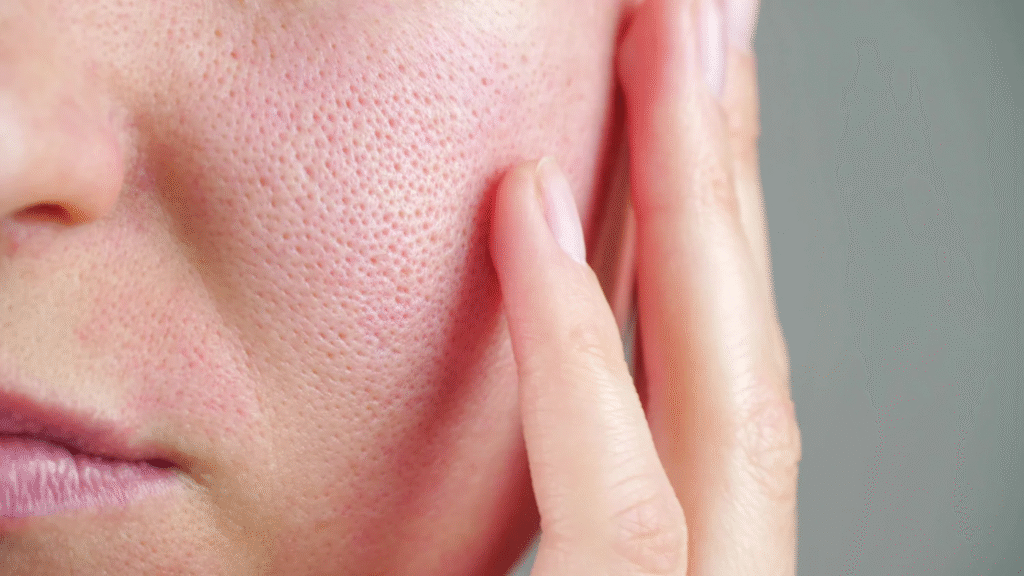
Enlarged pores are a common skin feature that some individuals notice more prominently on the face. Pores play a natural role in allowing sweat and sebum to pass through the skin. In certain cases, however, they may appear more visible due to a variety of contributing factors.

This article explores the possible causes, common characteristics, and approaches that may help manage the appearance of enlarged pores. By understanding these factors, you can make more informed decisions about skincare routines and practices that support overall skin maintenance.

What Are Enlarged Pores?

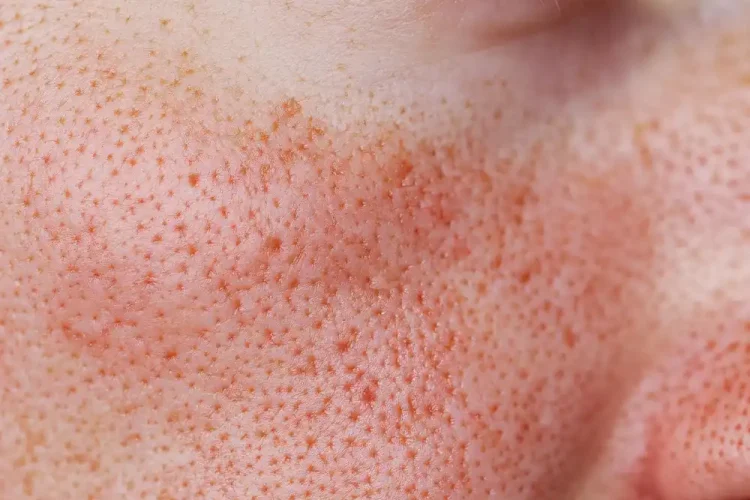
Enlarged pores are visible openings on the skin’s surface that may appear more noticeable in some individuals. They are not considered a medical condition but rather a common skin characteristic influenced by factors such as oil production, genetics, and environmental exposure.

While pores cannot be permanently closed, certain skincare practices may help manage their visibility. The difference between typical pores and enlarged pores lies mainly in their size and prominence, which can vary based on individual skin type and contributing factors.

Can You Change Your Pore Size?

While you can’t permanently alter your pore size, you can minimise their appearance through consistent skincare routines and targeted treatments.

Causes of Enlarged Pores

Several factors may contribute to the visibility of enlarged pores. These can be broadly grouped into biological, lifestyle, and environmental influences.

Genetic Factors

Genetics may play a role in pore size. Individuals with a family history of oily skin or visible pores may be more likely to notice similar features.

Oily Skin and Sebum Production

Excess oil production primarily contributes to the appearance of enlarged pores. The sebaceous glands of those with oily skin produce more sebum, making pores appear larger. Also, the accumulation of oil, dirt, and dead skin cells can exacerbate its appearance.

Sun Damage and Ageing

Prolonged exposure to UV rays may affect collagen and elastin, proteins that support skin structure. Over time, this can influence skin firmness and make pores appear larger. Similarly, as the skin ages and natural collagen levels decline, pores may become more noticeable.

Hormonal Changes

Hormonal fluctuations—such as those that occur during puberty, pregnancy, or menopause—can stimulate sebaceous gland activity. This may increase oil production, which in turn can contribute to the visibility of pores.

Environmental and Lifestyle Factors

Certain lifestyle choices and environmental influences may contribute to the visibility of enlarged pores:

  • Pollution: Environmental pollutants can accumulate on the skin, creating oxidative stress and surface irritation that may make pores appear more noticeable.
  • Poor Skincare Habits: Infrequent or inadequate cleansing may result in the build-up of oil, dead skin cells, or debris, which can contribute to visible pores.
  • Diet: Diets that are high in processed foods may influence overall skin condition, which in some cases may affect how prominent pores appear

Skin Conditions Related to Enlarged Pores

Enlarged pores may be associated with several common skin conditions. Being aware of these links can help individuals better understand their skin’s characteristics.

Acne

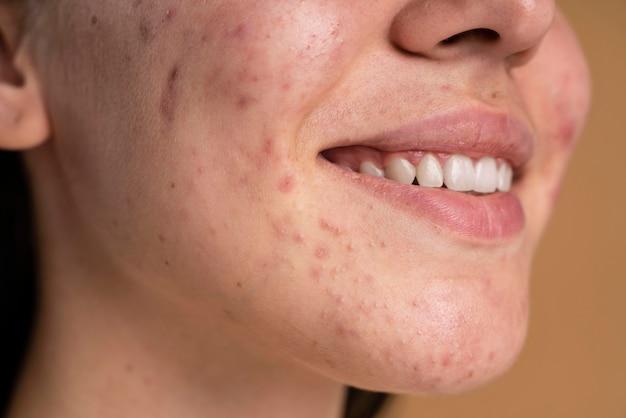
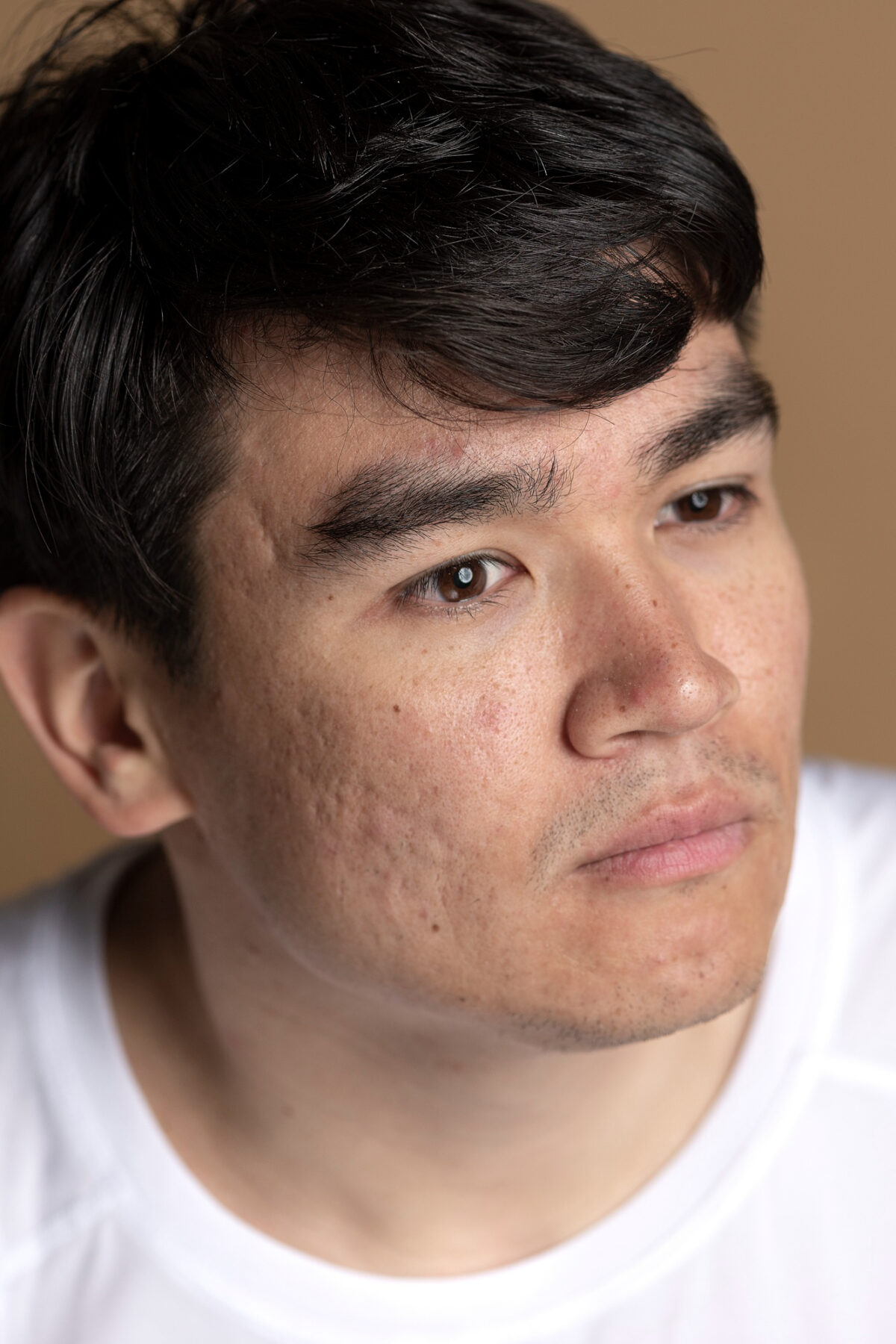
Portrait of young woman being confident with acne

Acne is a condition where hair follicles can become blocked by excess oil and dead skin cells, sometimes resulting in visible spots or lesions. In some cases, this blockage may make pores appear more noticeable.

Inflammatory acne may also affect the surrounding skin and sebaceous gland openings, which can influence the visibility of pores over time.

Blackheads

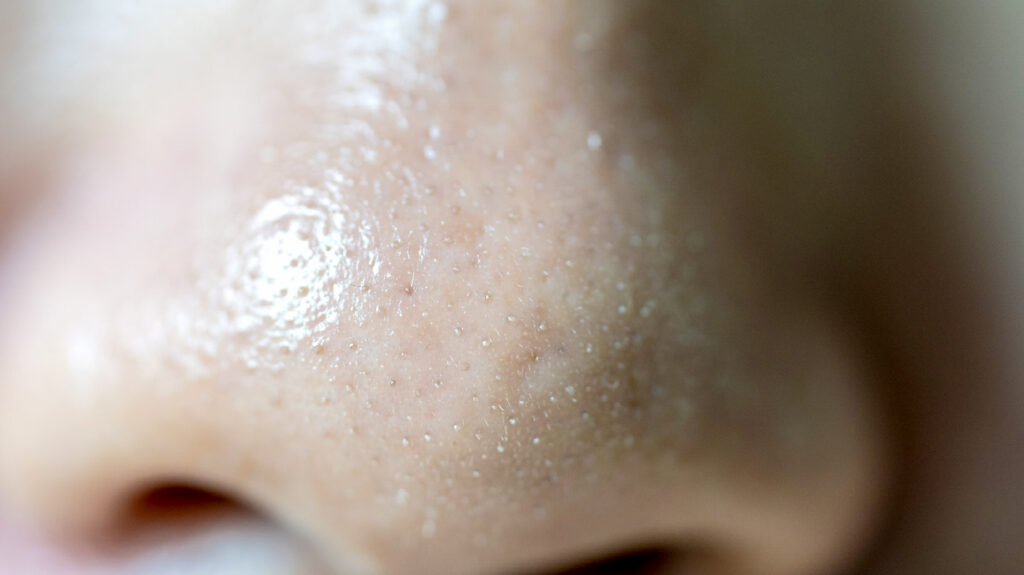
Blackheads occur when pores become filled with oil and dead skin cells. Unlike whiteheads, blackheads remain open at the surface, where the material inside may oxidise and darken in colour.

In some cases, the presence of blackheads may make pores look more visible on the skin’s surface.

Clogged Pores

Clogged pores occur when oil, dead skin cells, and other debris accumulate within a pore. In some cases, this build-up may contribute to irritation or blemishes.

Clogged pores may be more common in individuals with oily skin, and they can sometimes make pores appear more visible.

Sebaceous Filaments

Sebaceous filaments are naturally occurring structures within the pores that help transport sebum to the skin’s surface. In individuals with oilier skin types, these filaments may be more visible and sometimes resemble enlarged pores. While normal, their visibility may add to the overall appearance of pore size.

Symptoms and Diagnosis of Enlarged Pores

Enlarged pores may present in several ways:

  • Visible Pore Size: Enlarged pores are easily noticeable, particularly on the nose, cheeks, and forehead.
  • Uneven Skin Texture: The skin may appear rough or bumpy due to the presence of enlarged pores.
  • Oily Patches: Increased oiliness, especially in the T-zone, can accompany enlarged pores, contributing to their appearance.

A professional can usually identify enlarged pores through a visual assessment of the skin. They may also check for any related conditions that could influence pore visibility.

Treatment Options for Enlarged Pores

Enlarged pores can be effectively managed through a variety of treatment options, ranging from topical treatments to professional procedures and home remedies. Understanding these various options can help individuals choose the suitable approach for their skin type and concerns.

Topical Treatments for Enlarged Pores

Several topical treatments are commonly used to reduce the size and visibility of enlarged pores.

  • Retinoids: These vitamin A derivatives increase cell turnover to help unclog and reduce the appearance of pores.
  • Salicylic Acid: A beta-hydroxy acid (BHA) that penetrates deep into the skin pores to exfoliate and prevent blockages, making it effective for oily skin types.
  • Niacinamide: This form of vitamin B3 regulates oil production to help improve skin elasticity and reduce the appearance of enlarged pores.
Treatment Active Ingredient Effectiveness Possible Side Effects
Retinoids Tretinoin High Redness, dryness, sun sensitivity
Salicylic Acid Beta Hydroxy Acid Moderate Dryness, irritation
Niacinamide Vitamin B3 Moderate Minimal side effects

Medical and Dermatological Procedures

In addition to topical care, some individuals may consider professional treatments to address the appearance of enlarged pores. The suitability of these approaches depends on individual skin type, goals, and professional assessment.

  • Carbon Laser Peel: This treatment uses a layer of medical-grade carbon followed by laser energy to exfoliate the skin. It may help reduce surface oil and impurities, and improve skin clarity, especially in oily or acne-prone skin.
  • Fractional CO2 Laser: The Fractional CO2 laser delivers controlled light beams into the skin to encourage natural skin renewal. It may improve overall texture and support skin firmness over time.
  • Pico Laser: Pico Laser uses short pulses of energy to stimulate skin remodelling with minimal surface disruption. It may help refine uneven texture and reduce the appearance of pores.
  • Chemical Peels: Chemical peels use a solution to exfoliate the outer layer of skin. These treatments vary in depth, from superficial to deeper peels, and may help improve overall skin texture.
  • Microneedling: This technique involves creating fine micro-injuries in the skin to encourage a natural repair response. It may stimulate collagen production, which in turn can affect skin firmness and pore visibility.
Procedure Benefits Risks
Carbon Laser Peel Helps reduce oil and impurities; may improve skin clarity Mild redness, dryness
Fractional CO₂ Laser May improve texture and support skin firmness Redness, peeling, sensitivity
Pico Laser May refine uneven texture and reduce pore appearance Temporary redness, mild swelling
Chemical Peels Exfoliates outer skin; may improve texture Peeling, sensitivity
Microneedling Stimulates collagen; may improve firmness and pore visibility Minor bleeding, redness

Home Remedies and Natural Treatments

Some individuals explore home-based practices as part of their skincare routine. While these methods do not permanently change pore size, they may help support overall skin maintenance:

  • Clay Masks: Clay-based products can absorb surface oil and impurities, which may make pores appear less noticeable temporarily.
  • Exfoliation: Gentle exfoliation, either physical or chemical, may help remove surface debris and reduce the likelihood of clogged pores, contributing to smoother-looking skin

Preventing Pore Enlargement

While pore size is largely determined by genetics and natural skin characteristics, certain daily habits may help support overall skin condition and influence how visible pores appear. These habits often include a consistent skincare routine, appropriate sun protection, and general lifestyle practices.

Daily Skincare Routines

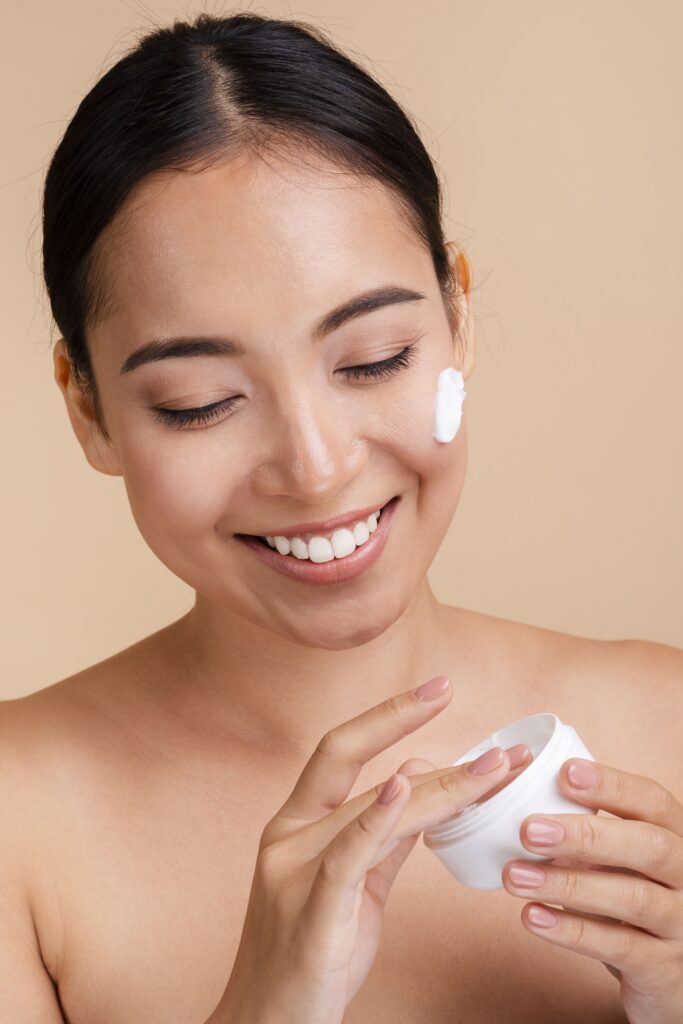
Close-up happy brunette woman with face cream

A well-rounded daily skincare routine may help in preventing enlarged pores. Key steps include:

  • Cleansing: Using a gentle cleanser may help remove excess oil and debris from the skin’s surface. Many people find cleansing twice daily—morning and evening—supports skin maintenance.
  • Moisturising: Applying a non-comedogenic (oil-free) moisturiser can help keep the skin hydrated without contributing to clogged pores
  • Exfoliation: Gentle exfoliation once or twice a week may assist in removing surface dead skin cells, which can reduce the likelihood of pore congestion

Sun Protection Strategies

Regular sun protection may help reduce the effects of UV exposure on the skin. Prolonged sun exposure can influence collagen levels, which may in turn affect skin texture and pore visibility. Using a broad-spectrum sunscreen with SPF 30 or higher, along with protective clothing such as hats or scarves, can be considered part of daily skincare.

SPF Level Product Type Notes
SPF 30 Mineral Sunscreen Good for sensitive skin
SPF 50 Chemical Sunscreen Offers higher protection
SPF 30+ Water-resistant Sunscreen Ideal for outdoor activities

Lifestyle Modifications

Certain lifestyle changes can support skin health and help prevent enlarged pores:

  • Avoid Smoking: Smoking can potentially damage collagen and elastin, leading to loss of skin elasticity.
  • Stay Hydrated: Drinking adequate amounts of water each day helps support the body’s natural hydration levels.
  • Eat a Balanced Diet: A diet rich in fruits, vegetables, and fibre may support the skin’s natural functions and overall health

Complications and Long-term Effects

Untreated enlarged pores can lead to several long-term complications and skin issues that may affect both appearance and skin health.

  • Persistent Blackheads: Clogged pores can lead to the formation of blackheads, which are difficult to remove and can contribute to a cycle of pore enlargement.
  • Chronic Acne: Enlarged pores may sometimes be linked with acne, as excess oil and debris can build up within pores.
  • Chronic Skin Texture Issues: The skin may develop an uneven texture due to the presence of enlarged pores, blackheads, and acne scars.

When to See a Doctor

Enlarged pores are a persistent concern for many individuals, and knowing when to seek a professional may help manage them effectively. Consider scheduling a consultation with a doctor if you experience any of the following:

  • Persistent acne or breakouts that worsen over time.
  • Lack of improvement from over-the-counter skincare products.
  • Signs of infection or severe irritation around pores.
  • Chronic issues with clogged pores or uneven skin texture.

Conclusion

Enlarged pores are a common skin feature that may become more noticeable due to factors such as genetics, oil production, ageing, or environmental influences. While pore size cannot be permanently changed, there are various approaches that may help manage their visibility, ranging from daily skincare habits to professional treatments.

Understanding the potential causes and related skin conditions can help individuals make informed choices about their routines and lifestyle practices. Consistency in care, along with appropriate guidance from a qualified practitioner when needed, may support healthier-looking skin over time.

Ultimately, managing enlarged pores is less about achieving perfection and more about maintaining overall skin health through sustainable habits and, where appropriate, professional advice tailored to individual needs.

Combining Aesthetic Treatments: Benefits and 5 Popular Combinations

Some individuals may benefit from combining aesthetic treatments, especially when addressing more than one skin concern at a time. Using multiple therapies in a structured plan may support a more holistic approach to skincare, particularly for individuals with more than one concern. Here’s how selected treatment combinations may help address different concerns.

What Are Combination Therapies?

Combining aesthetic treatments involves using two or more procedures as part of a treatment plan to address specific skin-related goals. These plans are tailored to the individual’s concerns and may offer a more targeted approach compared to single-treatment options.

Why Are They Gaining Popularity?

  • Personalised Plans: Treatment combinations can be adjusted based on individual concerns, preferences, and clinical assessment.
  • Convenience: Some individuals may find that addressing more than one concern in a session is convenient and may reduce the number of visits required.
  • Synergistic Effects: Certain treatments may be used together in a way that supports both hydration and skin texture, depending on individual needs.

How Combination Therapies Work Together

Combination therapies involve using multiple procedures within a treatment plan, which may allow for a more targeted approach when addressing multiple skin-related concerns. These approaches are selected based on individual needs and clinical judgment.

Examples of Commonly Combined Treatment Approaches

Some procedures may be performed together to support various aspects of skin care, depending on the treatment goals. Examples include:

  • Hydration and Skin Texture:
    • Microneedling may be paired with hydration-focused injectables to address both skin texture and moisture levels, depending on individual needs.
  • Volume and Skin Laxity:
    • Volume-enhancing injectables and selected skin-tightening devices may be used in tandem to address concerns such as volume loss or reduced skin firmness.

Customised Plans

Treatment plans may be adjusted based on clinical assessment and individual concerns such as skin texture, laxity, or overall skin appearance. A qualified practitioner will evaluate your skin condition and recommend appropriate combinations based on suitability.

Downtime Coordination

When selected carefully, certain lower-downtime treatments may be combined in a way that aligns with patients’ recovery preferences. This approach may reduce the number of separate appointments needed and support convenience.

Benefits of Combining Aesthetic Treatments

Combining aesthetic treatments may support a more structured and personalised approach to managing various skin-related concerns. These treatment plans may be used to address multiple areas of focus during the same timeframe, based on clinical assessment.

Complementary Treatment Approaches

Certain procedures may be used in combination to address different aspects of skin health or appearance. For example, hydration-focused treatments may be performed alongside other procedures that target skin texture or laxity, depending on individual needs.

Treatment Planning and Scheduling Considerations

Some individuals may prefer combining procedures that can be performed in the same session to reduce the number of separate appointments. Treatment plans can be adjusted based on recovery timelines, clinical goals, and scheduling preferences.

Addressing Multiple Concerns

Treatment combinations may be considered for individuals with multiple skin-related concerns, including skin texture, tone variation or pigmentation. Each plan is tailored to the individual’s specific needs and goals following clinical evaluation.

Downtime

Depending on the types of procedures selected, some treatment combinations may align with patients’ preferences for lower-downtime options. This may be discussed during the consultation to plan accordingly.

Popular Combination Therapies

Certain aesthetic treatments may be planned together to address different skin-related concerns within a single treatment strategy. These combinations are selected based on individual needs and clinical assessment. Below are examples of treatment approaches that may be considered.

HIFU + Skin Hydration Injectables

This treatment option pairs High-Intensity Focused Ultrasound (HIFU) and injectable skincare treatments aimed at improving skin hydration. The procedures are selected to address both skin firmness and overall skin quality.

  • Purpose: HIFU treatments may be used to address skin laxity by targeting deeper tissue layers, while hydration-focused injectables may support skin moisture and elasticity. The combination is chosen based on individual skin concerns.
  • Target Areas: Common areas for this treatment include the face, neck, and décolletage.
  • Results: Some individuals may notice changes in skin texture, hydration levels, or firmness over time. Responses vary depending on individual factors.
  • Ideal For: Individuals with concerns related to skin laxity, dryness, or changes in skin texture may discuss this option during consultation.

This approach focuses on addressing both deeper tissue support and surface skin quality, depending on suitability.

Ultherapy + Anti‑Wrinkle Injections

This combination combines Ultherapy, a non-surgical lifting treatment, with anti‑wrinkle injections to address different aspects of facial ageing.

  • Purpose: Ultherapy may be used to address skin laxity, while anti‑wrinkle injections are used to reduce muscle activity associated with certain facial lines.
  • Target Areas: Commonly treated areas include the forehead, crow’s feet, and jawline.
  • Results: Some individuals may observe changes in skin firmness or the appearance of dynamic lines over time. Outcomes vary based on individual response.
  • Ideal For: Individuals exploring non-surgical options for concerns such as skin laxity or expression-related lines may discuss this combination with a medical practitioner.

Individuals exploring non-surgical options for concerns such as skin laxity or expression-related lines may discuss this combination with a medical practitioner.

Fillers + Anti-Wrinkle Injection

  • Purpose: Dermal Filler may be used to support facial volume in targeted areas, while anti-wrinkle injections may reduce the appearance of expression-related lines. Aesthetic practitioners will assess whether this combination is suitable based on individual needs
  • Target Areas: Commonly discussed areas include the lips, forehead, and nasolabial region.
  • Results: Individuals may notice changes in facial fullness and the appearance of expression lines, depending on individual response.
  • Ideal For: This approach may be explored by those looking to manage both volume loss and expression-related lines within a single treatment plan.

This dual treatment works synergistically to improve facial structure and surface smoothness, delivering a subtle yet transformative outcome.

Fractional CO2 Laser + Subcision

This treatment approach combines a fractional CO2 laser with subcision to address concerns related to deeper textural irregularities in the skin.

  • Purpose: Subcision breaks up tethered scar tissue to release deep scars, while the Fractional CO2 Laser resurfaces uses laser resurfacing on the skin and reduces the effects of sun damage for improved texture and tone.
  • Target Areas: Commonly treated areas include acne scars and surgical scars.
  • Results: Achieve dramatic improvement in scar depth, smoother skin texture, and even more complexion.
  • Ideal For: This combination may be suitable for those whose concerns involve deeper textural changes. A consultation is necessary to assess clinical appropriateness.

This synergistic approach addresses scars’ structural and surface components, delivering noticeable, long-lasting improvements.

Pico Laser + Chemical Peel

This combination approach uses Pico Laser and Chemical Peels which may be used together to address concerns related to pigmentation and skin texture.

  • Purpose: Picosecond laser treatments may be used to address pigmentation concerns at different skin depths, while chemical peels exfoliate the skin surface to support overall skin renewal. The suitability of this combination depends on individual skin condition and assessment.
  • Target Areas: Common areas discussed for this approach include the face, neck, and hands.
  • Results: Some individuals may notice changes in skin tone, texture, or the appearance of pigmentation over time. Individual outcomes vary.
  • Ideal For: Individuals with concerns related to uneven skin tone or pigmentation may discuss this combination with a medical practitioner during consultation.

This combination allows different layers of the skin to be addressed within a coordinated treatment plan, based on clinical evaluation.

Are Combination Therapies Safe?

Combination therapies may be considered safe when assessed and performed by qualified professionals in licensed medical settings. A consultation is essential to determine whether the treatment plan aligns with your individual skin needs and health profile. Licensed clinics follow relevant safety guidelines, and outcomes can vary depending on the combination of procedures and how your skin responds.

Book a consultation today to explore the right combination treatments may be appropriate for your concerns.

How to Maximize Results When Combining Treatments

Preparation and aftercare may support better comfort and experience during and after combination treatments. Your provider may recommend pre-treatment guidelines to prepare your skin and post-treatment care such as hydration and sun protection. These steps can support the skin’s recovery process.

Follow-up visits may also be suggested depending on your skin’s response and treatment goals.

Potential Risks and Side Effects

Combination treatments are commonly used in aesthetic practice, but as with any procedure, there may be associated risks. Temporary effects such as redness, swelling, or mild bruising can occur and typically resolve within a few days. While less common, some individuals may experience side effects based on the type of treatment or personal sensitivity.

It is advisable to undergo treatments in licensed clinics with qualified practitioners who can provide a personalised assessment and explain the steps for pre- and post-treatment care.

FAQs

Is Combining Treatments Safe for Everyone?

While combination treatments are generally safe, they may not suit everyone. Factors like medical history, skin condition, and treatment goals are evaluated during a consultation to ensure safety and effectiveness. Always consult a qualified provider for aesthetic procedures to determine the best approach for your needs.

How Much Does it Cost to Combine Treatments?

The cost of combining popular aesthetic treatments in Singapore can vary depending on the types of procedures, the clinic, and the number of sessions required. Here’s a general estimate for a combination of different treatment modalities:

  • Ultherapy + Anti-Wrinkle Injections: SGD 2,000 to SGD 4,500
  • Fillers + Anti-Wrinkle Injections: SGD 1,000 to SGD 3,000
  • Fractional CO2 Laser + Subcision: SGD 1,500 to SGD 4,000
  • Pico Laser + Chemical Peel: SGD 800 to SGD 2,500

Book a consultation with Lux Medical Aesthetic Clinic for a detailed cost breakdown and personalised recommendations.

Will I Need More Downtime When Combining Treatments?

Downtime varies depending on the treatments combined. Some treatment pairings, such as Ultherapy with anti-wrinkle injections, may be associated with limited recovery periods for some individuals. Others, such as Fractional CO2 Laser with Subcision, may involve longer recovery depending on individual skin response. Your practitioner will provide detailed guidance tailored to your treatment plan.

What Are the Popular Combinations?

Combination approaches in aesthetic medicine vary depending on the individual’s goals and clinical assessment. Some commonly discussed pairings include:

  • Ultherapy with anti-wrinkle injections – often explored for addressing facial skin concerns.
  • Fillers with anti-wrinkle injections – may be considered for facial volume loss and lines.
  • Pico Laser with Chemical Peel – used in cases related to uneven skin tone and texture.

A qualified practitioner can recommend suitable treatments based on your concerns and clinical evaluation.

How Many Treatments Can Be Combined at Once?

The number of treatments that may be combined depends on your skin’s condition and the types of procedures involved. Your practitioner will assess your concerns and may recommend a treatment plan that considers both safety and individual skin response. In some cases, treatments may be spaced out over time to support recovery and comfort.

Conclusion

Combining aesthetic treatments may provide an approach that addresses multiple skin concerns in a coordinated way. In certain instances, procedures may be performed in the same session, depending on your provider’s clinical judgment and your skin’s response.

It is advisable to consult a medical professional who can assess your condition and recommend appropriate options. A licensed clinic can help determine whether combination or standalone treatments align with your needs following a detailed consultation.

How to Get Rid of Acne Scars: 7 Effective Ways!

Acne scars are often a lasting mark of past breakouts. These scars form when a wound penetrates deeper into the layers of your skin and disrupts the natural healing process. How to get rid of them involves various options. The appearance and type of acne scars vary depending on their severity and how your skin heals.

Atrophic acne scars are some of the most common types. Some individuals lose collagen during the skin’s healing process after a breakout. This loss of collagen creates depressions in the skin, giving it an uneven texture.

Some atrophic acne scars form ice pick scars, which are small, deep pits that resemble ice pick punctures. There are also rolling scars that present as soft, wave-like indentations. Last are boxcar acne scars, which look like deep, sharp-edged craters. On the other hand, hypertrophic scars are raised scars resulting from an overproduction of collagen. These scars can often be found on the chest or back. 

If you’re looking to treat acne scars, here’s a closer look at some of the most popular solutions.

1. Fraction CO2 Laser Therapy: Minimal downtime, Popular Option

Fractional CO2 Laser therapy is one of the procedures sometimes used in the management of acne scars. This form of laser resurfacing uses targeted beams of light to remove outer layers of the skin and stimulate skin remodelling. This procedure may improve the appearance of uneven skin texture and reduce the visibility of certain scars.

  • Recommended for: Atrophic scars such as ice pick, rolling, and boxcar scars.
  • Recovery time: Many people recover in 1 to 2 weeks, though this can vary depending on the intensity of the treatment for acne scars.
  • Side effects: There can be temporary and mild redness, swelling and heightened skin sensitivity. These side effects are common but usually subside in a few days.

2. Microneedling: Collagen Boost for Skin

Microneedling is a procedure sometimes used in the management of acne scars. It involves using tiny, sterile needles to create controlled micro-injuries on the skin’s surface. This process triggers the skin’s natural repair response and may help improve the appearance of uneven skin texture over time.

  • Recommended for: Mild acne scarring to moderate atrophic scars, like rolling or shallow boxcar scars.
  • Recovery time: Many people recover within a week, with redness and swelling fading in a few days.
  • Side effects: You might experience some redness, mild swelling or irritation, similar to a light sunburn.

3. Chemical Peels: Exfoliate and Renew

A chemical peel is a procedure that uses an acid solution to exfoliate the outer layers of the skin. This process removes surface skin cells and encourages skin renewal. Depending on the peel’s strength, it may be used to address concerns such as acne scars, uneven skin texture, or discolouration.

  • Recommended for: Mild to moderate atrophic scars, such as rolling or shallow boxcar scars.
  • Recovery time: Recovery may take about one to two weeks, with redness and swelling often improving after a few days.
  • Possible side effects: Temporary redness, mild swelling, or slight irritation.

4. Dermal Fillers: Temporary Fix for Scars

Dermal fillers are injectable procedures sometimes used in the management of depressed acne scars. They may be considered for certain types of acne scars, such as boxcar scars, as they add volume beneath the skin. This may help improve the appearance of depressed scars. The effects can be visible soon after the procedure, although outcomes vary between individuals.

  • Recommended for: Deep, depressed acne scars.
  • Duration: The effects are temporary and may last for several months, depending on the type of filler and individual factors
  • Side effects: Temporary swelling and bruising at the injection site, which can vary between individuals.

5. Sunscreen: Prevent Scars from Darkening

While sunscreen itself does not treat acne scars, it plays an important role in preventing them from darkening and supporting more even healing. Exposure to UV rays can increase pigmentation in scar tissue, making it appear darker and more noticeable.

Applying a broad-spectrum sunscreen with at least SPF 30 creates a protective barrier that shields the skin from sun exposure. This may help limit further pigmentation and support a more even skin appearance. To maintain coverage, reapply sunscreen throughout the day, especially when outdoors.

  • Recommended for: Hyperpigmentation, superficial acne scars.
  • How long it takes before it takes effect: Results may take weeks or months, depending on factors like skin type, scar severity, and how consistently sunscreen is applied.
  • Side effects: Generally safe.

6. Microdermabrasion: Exfoliate for Even Skin Texture

Microdermabrasion is a non-invasive exfoliation treatment that may help address surface irregularities and reduce the appearance of acne scars. This procedure uses a device to gently remove the outermost layer of dead skin cells, which may support natural skin renewal over time. It’s often used for shallow acne scars and may help reduce visible unevenness in skin tone.

  • Recommended for: Surface-level acne scars and uneven skin tone.
  • Recovery time: No downtime. You may resume normal activities after the treatment as long as you use sunscreen and gentle skin care products.
  • Side effects: Temporary redness and sensitivity.

7. See an Aesthetic Practitioner for Severe Acne Scars

Consulting dermatologists, aesthetic practitioners or skin care professionals may be beneficial for severe acne scars that don’t respond to home remedies or over-the-counter treatments. Professional acne scar treatments such as laser therapy, chemical peels, or microneedling can target more persistent acne scars.

An aesthetic practitioner can assess your skin concerns and recommend treatment options tailored to your skin type and condition. To learn more, speak with the team at Lux Medical Aesthetic Clinic for guidance on suitable options.

Conclusion

Acne scars can be a lasting reminder of past breakouts, but with the right approach, their appearance may be reduced over time. From home-based remedies and preventive care to clinic-based treatments, various options are available to support different scar types and skin conditions.

To explore treatment options suited to your skin needs, connect with a practitioner at Lux Medical Aesthetic Clinic.