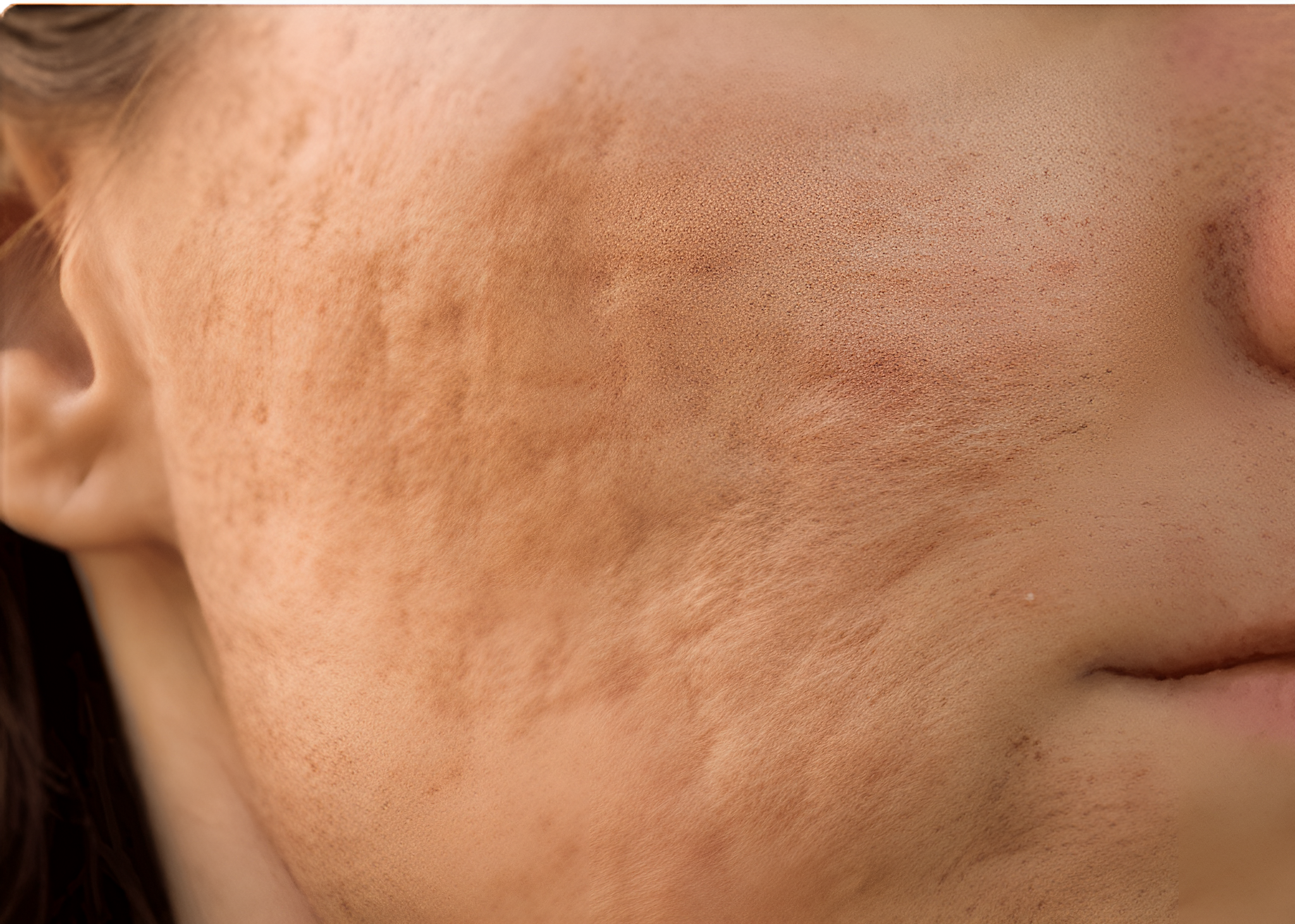


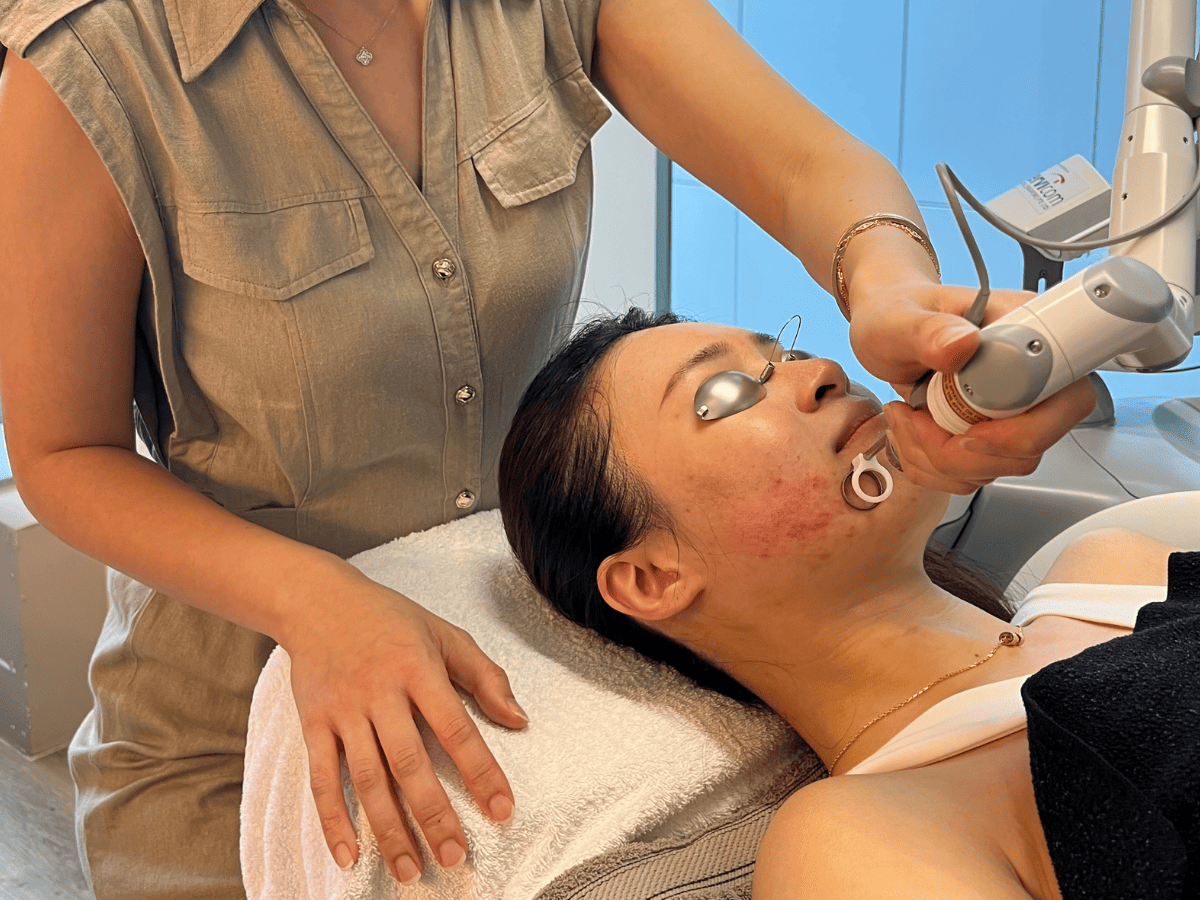
Pigmentation and acne scars are common skin concerns seen in clinical practice. Pigmentation and acne scars are common concerns seen in clinical practice. Doctors may use different types of medical lasers to manage these issues, including Pico and Q-Switched lasers. Although they are often discussed together, they behave differently in the skin. Their pulse duration affects how energy interacts with the skin, the level of heat generated, and the risk of post-inflammatory hyperpigmentation (PIH), particularly in darker skin types.
Understanding these differences enables patients to have more informed discussions during consultations. Treatment decisions should be based on pigment type, skin tone, scar depth, and individual risk factors rather than on the device name alone.
What Pico and Q-Switched Lasers Have in Common
Pico and Q-Switched lasers both focus on treating pigment-related skin concerns. They do not remove layers of skin. Instead, they deliver short bursts of laser energy that target pigment within the skin. Both are non-ablative treatments, which means the skin surface remains intact. Doctors perform these treatments in medical settings, and patients usually require a series of sessions rather than a single visit.
These lasers act on pigment rather than removing tissue or changing deeper skin structures. In the context of acne scars, their role is limited. They may help with surface texture or pigmentation linked to scars, but they are not designed to treat deeper scar changes.
The Core Difference: Pulse Duration and Tissue Response
A key difference between Pico and Q-Switched lasers lies in pulse duration, which directly affects how energy interacts with the skin.
Q-Switched lasers deliver energy in nanosecond pulses. This produces a greater thermal effect than picosecond pulses, resulting in greater heat transfer to the surrounding tissue. While commonly used for certain pigment types, this heat increases the risk of inflammation and, in susceptible skin types, post-inflammatory hyperpigmentation (PIH).
Pico lasers, in contrast, produce a more pronounced photoacoustic effect due to their shorter pulse duration. This produces a stronger photoacoustic effect, which breaks pigment into smaller fragments with less heat spread to the surrounding skin.
In practice, this difference influences how the body processes treated pigment, the magnitude of the inflammatory response, and the overall risk of PIH. In Asian skin types, where pigmentary complications are more common, the reduced thermal effect of Pico lasers may be preferred in certain clinical scenarios due to a lower thermal profile, though each case requires individual assessment. Proper patient selection and conservative treatment parameters remain essential.
When Q-Switched Lasers Are Commonly Considered for Pigmentation
Q-Switched lasers are typically used for clearly defined pigmented spots, such as lentigines or isolated sun spots. These lesions tend to be localised rather than diffuse, allowing for more targeted treatment.
They may also consider this laser for certain cases of post-inflammatory hyperpigmentation (PIH). In patients who are prone to pigmentation, treatment settings are adjusted carefully. Lower energy levels and longer intervals between sessions help reduce the chance of unnecessary inflammation.
Cost can also influence treatment planning, as the per-session cost varies across laser types. However, the choice of device should always take skin type into account. In darker skin tones, overly aggressive settings or sessions scheduled too close together can increase the risk of rebound pigmentation.
When Pico Lasers Are Commonly Considered for Pigmentation
Doctors consider pico lasers when pigmentation appears more diffuse, meaning the pigment is spread across a wider area instead of forming distinct spots. This can include uneven skin tone or mixed pigment patterns rather than isolated lesions.
Pico laser may also be considered for patients who are prone to melasma, post-inflammatory hyperpigmentation (PIH), or repeated pigment relapse. Because the pulse duration is shorter, less heat spreads to the surrounding skin. In some patients, this may help lower the risk of inflammation-related pigment flare-ups.
When planning treatment for Asian skin types, doctors often pay close attention to how much heat the skin is likely to absorb. Even so, careful settings and gradual treatment remain important, regardless of the laser used.
Clinical Roles in Acne Scar Management
Pico and Q-switched lasers do not replace scar-specific procedures, such as subcision, microneedling, or ablative resurfacing, for the treatment of established acne scars. Their role is more limited. With Pico lasers, any improvement in acne scars is usually gradual and varies from person to person. Results depend on scar type and individual healing response. Q-Switched lasers play an even smaller role in texture change. They are more commonly used for pigmented acne marks rather than changes in scar depth.
In acne scar treatment, depth is more important than the laser’s name. A proper assessment helps determine which approach is suitable.
Safety and PIH Risk
In Singapore and across much of Asia, many patients fall within Fitzpatrick skin types III to V, which are at greater risk of developing post-inflammatory hyperpigmentation (PIH) after skin injury. Heat, inflammation, and ultraviolet exposure can all stimulate melanocytes following laser treatment. When this happens, temporary or prolonged darkening may occur.
For this reason, doctors pay close attention to heat-related effects when treating pigment-prone skin. Lasers that generate less thermal spread may offer a wider safety margin in some cases. However, careful settings, test spots, strict sun protection, and clinical judgement remain more important than the device itself.
Downtime, Recovery, and Expectations
Pico and Q-switched laser treatments typically involve minimal downtime. Many patients return to normal activities soon after the session, although recovery varies depending on skin type and treatment intensity. It’s common to see mild redness or temporary darkening of pigment before it gradually lightens. These reactions are part of the skin’s healing process and differ from person to person.
Long-term pigment control depends less on how quickly the skin lightens and more on ongoing care. Sun protection, appropriate skincare, and trigger management play an increasingly important role over time.
Cost and Treatment Planning Considerations
In Singapore, both Pico and Q-Switched lasers are typically performed as a series of sessions. Pricing varies between clinics and depends on the device used and treatment complexity.
Pico sessions may cost more in some settings due to equipment and maintenance costs. In selected patients, doctors may also consider the potential risk of pigment-related complications when choosing a device. Q-Switched sessions may cost less per visit in some clinics. However, treatment planning may require careful adjustment of energy levels and follow-up intervals, particularly in darker skin types.
Cost alone should not determine the choice of treatment. Suitability and risk profile are more important than the speed of pigment lightening.
Why Doctors Sometimes Use Both in Staged or Combined Plans
Pigment does not always sit at one depth in the skin. Different layers and patterns may respond differently to laser energy. In some cases, doctors may use more than one type of laser over time. This approach can allow for lower energy settings and gradual treatment, especially in complex or mixed pigmentation. Using more than one laser does not necessarily indicate an aggressive treatment. It reflects careful planning based on pigment behaviour and individual skin response.
Setting Realistic Expectations
Neither Pico nor Q-Switched lasers permanently cure pigmentation. Recurrence can occur, particularly in conditions such as melasma or in skin that is prone to post-inflammatory hyperpigmentation.
For acne scars, improvement is usually modest when these lasers are used alone. Deeper scars often require procedures that directly target scar structure. Long-term results depend heavily on sun protection, acne control, and consistent skincare. Laser treatment is only one part of the overall management.
FAQs
How does Pico laser compare to Q-Switched laser for pigmentation?
Not necessarily. The choice depends on the type of pigmentation, your skin tone, and the likelihood of recurrence. The technology alone does not determine suitability.
Can Q-Switched lasers treat acne scars?
Their role in acne scars is limited. They are more commonly used for pigmented acne marks rather than changes in scar depth.
Which is safer for Asian skin?
Both lasers can be used safely when treatment settings are chosen carefully. In pigment-prone skin, doctors pay close attention to heat-related effects when selecting the device and planning treatment.
Why does pigmentation sometimes come back?
Pigment can return due to inflammation, ultraviolet exposure, hormonal factors, or individual skin biology.
How do doctors decide which laser to use?
Doctors assess pigment depth, skin type, risk factors, and long-term management needs. Treatment decisions are based on clinical evaluation rather than device branding.