


Pigmentation treatments aim to gradually improve the appearance of dark marks rather than remove them completely or immediately. Results vary among individuals and depend on several factors, including the type and depth of pigmentation, skin type (particularly in Asian skin), and the consistency of sun protection and follow-up care.
Various in-clinic pigmentation treatments are available in Singapore, including lasers, chemical peels, and microneedling. Safe and appropriate treatment selection is more important than using aggressive methods. Excessive treatments may exacerbate pigmentation, particularly in Asian skin types that are more prone to post-inflammatory hyperpigmentation (PIH).
This article outlines commonly used pigmentation treatments, explains how they work, and offers guidance on choosing suitable options based on clinical considerations rather than assumptions or expectations.
What Is Pigmentation?
Pigmentation refers to changes in skin colour caused by variations in melanin, the natural pigment responsible for skin, hair, and eye colour. When melanin is produced in excess or distributed unevenly, it can lead to darker patches or spots on the skin.
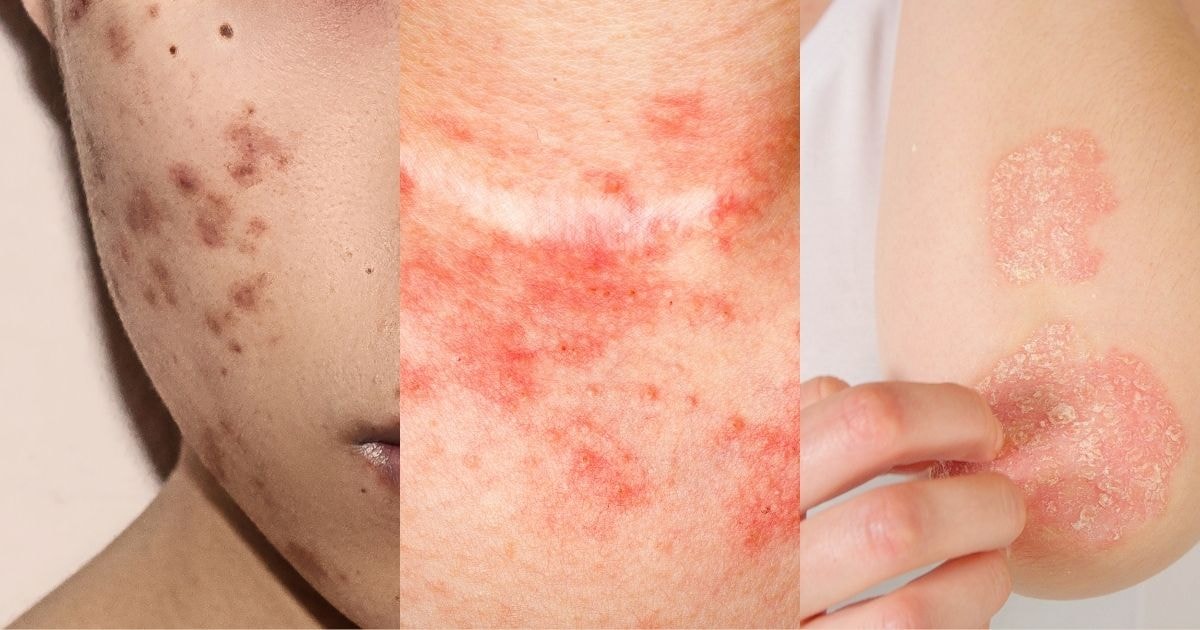
Pigmentation can develop for several reasons, including inflammation, sun exposure, hormonal changes, and skin injury. Unlike acne scars, pigmentation does not involve structural damage to the skin. The skin surface remains intact, and the change is limited to colour rather than texture. However, pigmentation can persist for months or longer, particularly in individuals with Asian or darker skin tones, in which melanocytes tend to respond more actively to inflammation.
Because pigmentation has different underlying causes, management approaches vary and should be tailored to the type of pigmentation, skin type, and individual skin response.
Why Pigmentation Treatment Requires Special Care in Asian Skin
Pigmentation treatment requires particular caution in Asian skin types, most commonly classified as Fitzpatrick III–V, due to higher baseline melanin activity. In these skin types, melanocytes respond more readily to inflammation, heat, and injury, which increases the risk of pigment overproduction following procedures.
As a result, Asian skin has a higher risk of post-inflammatory hyperpigmentation (PIH), particularly when exposed to thermal or intensive treatments. Even procedures intended to reduce pigmentation may lead to further darkening if they trigger excessive inflammation.
For this reason, a cautious approach is often recommended, starting with low treatment settings, increasing intensity gradually, and allowing enough time between sessions for the skin to recover. Safe outcomes depend less on treatment intensity and more on controlled, evidence-based protocols tailored to melanin-rich skin.
Laser Treatments for Pigmentation
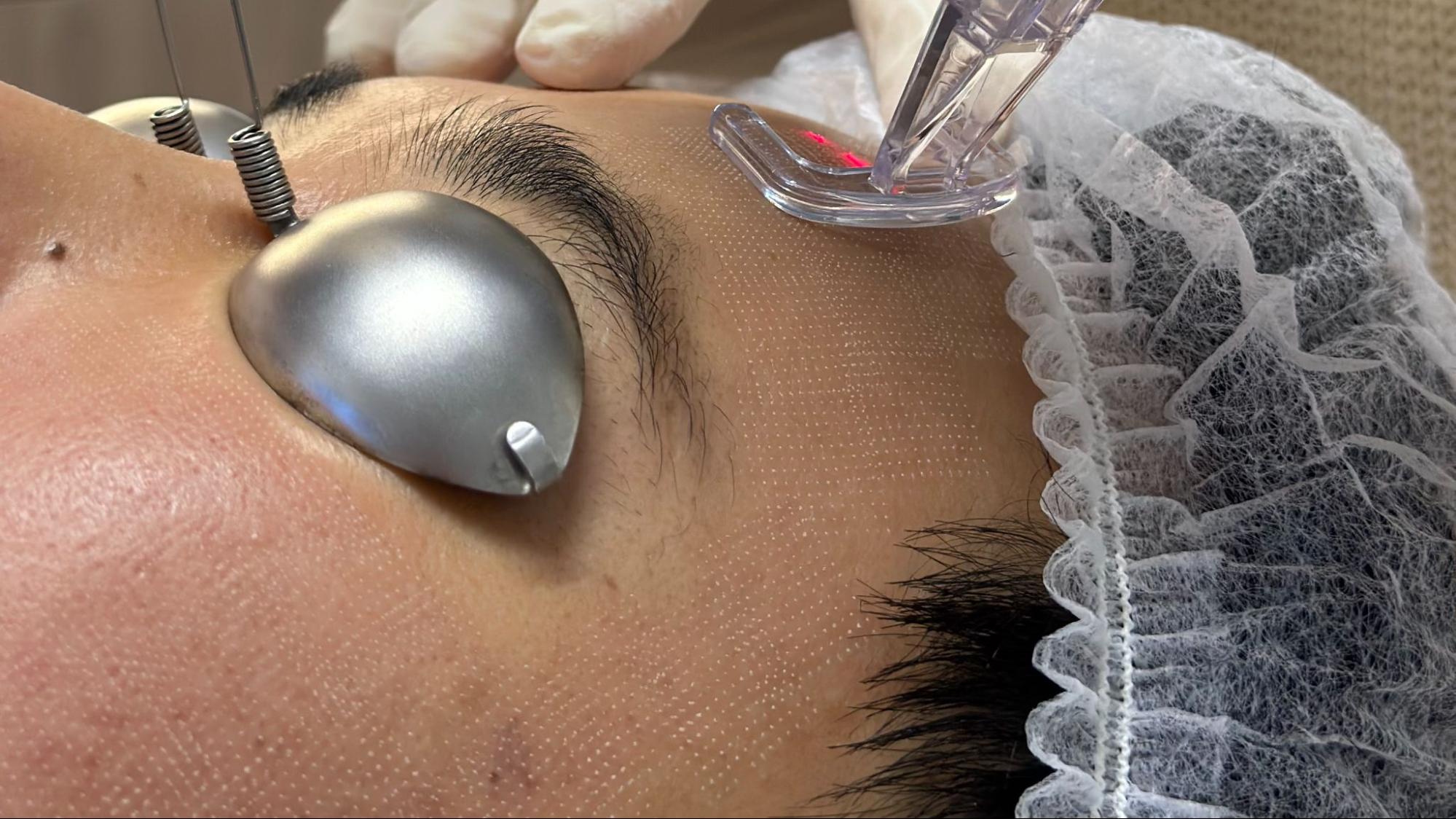
Laser treatments are commonly used to manage pigmentation in Singapore; however, safety depends on the type of laser, treatment settings, and patient suitability, particularly in Asian skin.
Q-Switched Nd:YAG Lasers (Nanosecond)
Q-switched Nd:YAG lasers target pigmentation by delivering short bursts of energy that fragment melanin particles. These fragments are then cleared gradually by the body’s immune system.
Q-switched lasers are often used for post-acne PIH, especially when the pigmentation is superficial or involves both superficial and deeper layers. However, in Asian skin, the risk of PIH increases if energy settings are too aggressive or treatments are performed too frequently. As a result, Q-switched lasers require careful parameter selection and conservative protocols.
Picosecond Lasers
Picosecond lasers rely on an ultra-short photoacoustic mechanism rather than on heat. This allows pigment to be shattered into finer particles with less thermal injury to the surrounding skin. Because of reduced heat diffusion, picosecond lasers are associated with a lower risk of PIH compared to nanosecond lasers, particularly in melanin-rich skin.
Fractional Lasers
In melanin-rich skin, such as Asian skin types, fractional lasers may carry a higher risk of post-inflammatory hyperpigmentation (PIH) due to their inflammatory nature. As a result, they are more commonly used as part of a combined treatment plan where both pigmentation and texture issues are present. In such cases, conservative energy settings, extended intervals between sessions, and strict aftercare are essential to minimise pigmentary risks and support recovery.
Non-Laser Treatments for Pigmentation
Non-laser treatments play an important role in pigmentation management, particularly for patients with reactive skin, milder pigmentation, or a higher risk of PIH. These treatments may be used alone for mild pigmentation or incorporated into a broader treatment plan as appropriate.
Chemical Peels
Chemical peels improve pigmentation by promoting controlled exfoliation and skin renewal. The depth of the peel determines both effectiveness and risk. Superficial peels act on the outermost skin layers and are commonly used for post-acne PIH. They support the natural removal of pigmented cells and help improve overall skin tone. Deeper peels, while more potent, carry a higher risk of irritation and PIH, particularly in Asian skin.
Common acids used for PIH include alpha-hydroxy acids, beta-hydroxy acids, and other mild exfoliating agents selected for gradual pigment reduction. In Asian skin, superficial peels are often chosen to minimise inflammation while supporting pigment reduction.
Chemical peels may be used alone for mild pigmentation or in combination with other treatments, as appropriate, to support skin renewal without adding substantial recovery time.
Microneedling (± Infusions)
Microneedling treats pigmentation by creating controlled micro-injuries that stimulate skin repair without the use of heat. This mechanical process encourages gradual pigment improvement and is often used across a wide range of skin types, including those more prone to post-inflammatory hyperpigmentation (PIH).
Results develop over multiple sessions, with progressive lightening rather than rapid clearance. Microneedling is commonly included in treatment plans when pigmentation occurs alongside texture concerns. When paired with appropriate topical agents, it helps manage pigmentation while reducing the risk of inflammation.
Matching Pigmentation Type to Treatment Approach
Successful pigmentation treatment depends on selecting a method suited to the type and depth of pigmentation. Using the wrong modality may delay results or trigger pigment worsening.
- Epidermal pigmentation lies closer to the skin surface and often responds to superficial peels, topical agents, or gentle laser treatments.
- Dermal or mixed pigmentation runs deeper and may require multiple low-intensity laser sessions spaced out over time for safe improvement.
- When pigmentation coexists with acne scars, both colour and texture must be addressed through separate treatment pathways. Managing pigment risk is essential, especially when combining therapies.
- In reactive or pigmentation-prone skin, non-thermal treatments, conservative protocols, and careful aftercare help minimise inflammation and support gradual improvement.
Over-treating or choosing the wrong modality may prolong recovery or worsen pigmentation.
Safety Principles That Matter More Than the Machine
In pigmentation treatment, the provider’s expertise often has a greater impact on safety and outcomes than the device itself. The same technology can yield very different results depending on how conservatively it is applied.
Core safety practices include performing test spots when needed, using appropriate energy settings, and allowing adequate recovery time between sessions. Pre- and post-treatment care, such as barrier repair and pigment suppression, helps reduce the risk of post-inflammatory hyperpigmentation (PIH).
Consistent sun protection and maintenance skincare are also essential. Without proper photoprotection, even well-performed treatments may lead to recurrence or suboptimal results. Pigmentation management continues beyond the clinic and requires long-term attention.
Cost Considerations in Singapore
Pigmentation treatments in Singapore are usually session-based rather than one-off procedures. This is because pigment clearance occurs gradually as the skin renews, with excess melanin being broken down and cleared over time. Attempting to remove pigmentation too aggressively in a single session increases the risk of inflammation and post-inflammatory hyperpigmentation (PIH), especially in Asian skin.
Chemical peels and microneedling tend to have a lower cost per session, but they typically require more sessions to achieve visible improvement. These options are often used for mild pigmentation, maintenance, or in combination with laser treatments.
Laser treatments usually involve a higher cost per session, reflecting the technology and expertise required. However, fewer sessions may be needed, particularly when lasers are appropriately matched to pigment depth and skin type.
Ultimately, the total cost of treatment depends not only on how quickly results appear but also on how safely and appropriately the treatments are performed. Conservative approaches that minimise inflammation can reduce complications and the need for corrective procedures, often proving more cost-effective in the long term.
Choosing a Pigmentation Treatment Provider in Singapore
Selecting the right provider is one of the most important factors in achieving safe and effective pigmentation improvement.
Experience with Asian skin is essential, as melanin-rich skin requires different treatment parameters and more cautious pacing. A qualified provider will begin with a thorough consultation to distinguish pigmentation from scarring. They should also assess the depth of pigmentation before recommending any treatment plan.
Experienced providers in pigmentation management are also more likely to recommend combination or staged treatment plans, rather than relying on a single modality. This approach reflects an understanding that pigmentation often requires multiple mechanisms and careful progression.
Red flags to watch for include over-promising results, claims of permanent removal, or “one-size-fits-all” machines. Pigmentation treatments should be tailored, conservative, and adjusted over time based on the skin’s response.
FAQ
Can pigmentation be removed permanently?
Pigmentation can often be significantly improved, but it may recur, particularly with sun exposure or ongoing inflammation.
Which laser is suitable for Asian skin?
Lasers that minimise heat diffusion and use conservative settings are preferred for Asian skin, but suitability depends on pigment type and skin response.
Why does pigmentation sometimes get darker after treatment?
Excessive heat or inflammation can stimulate melanocytes, leading to post-inflammatory hyperpigmentation.
How long does improvement usually take?
Most pigmentation treatments work gradually. Improvements typically appear over several sessions, depending on pigment type, skin response, and treatment consistency