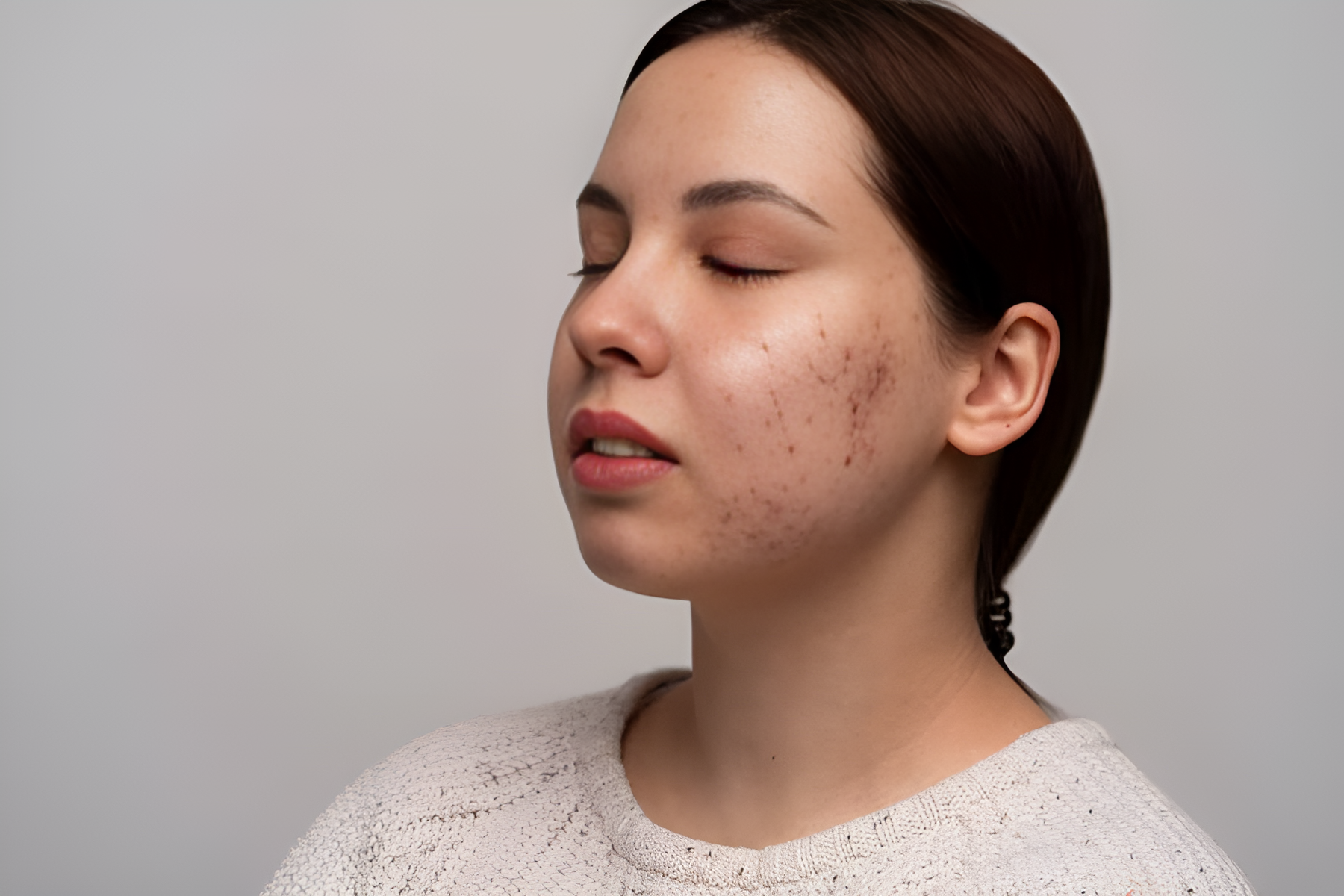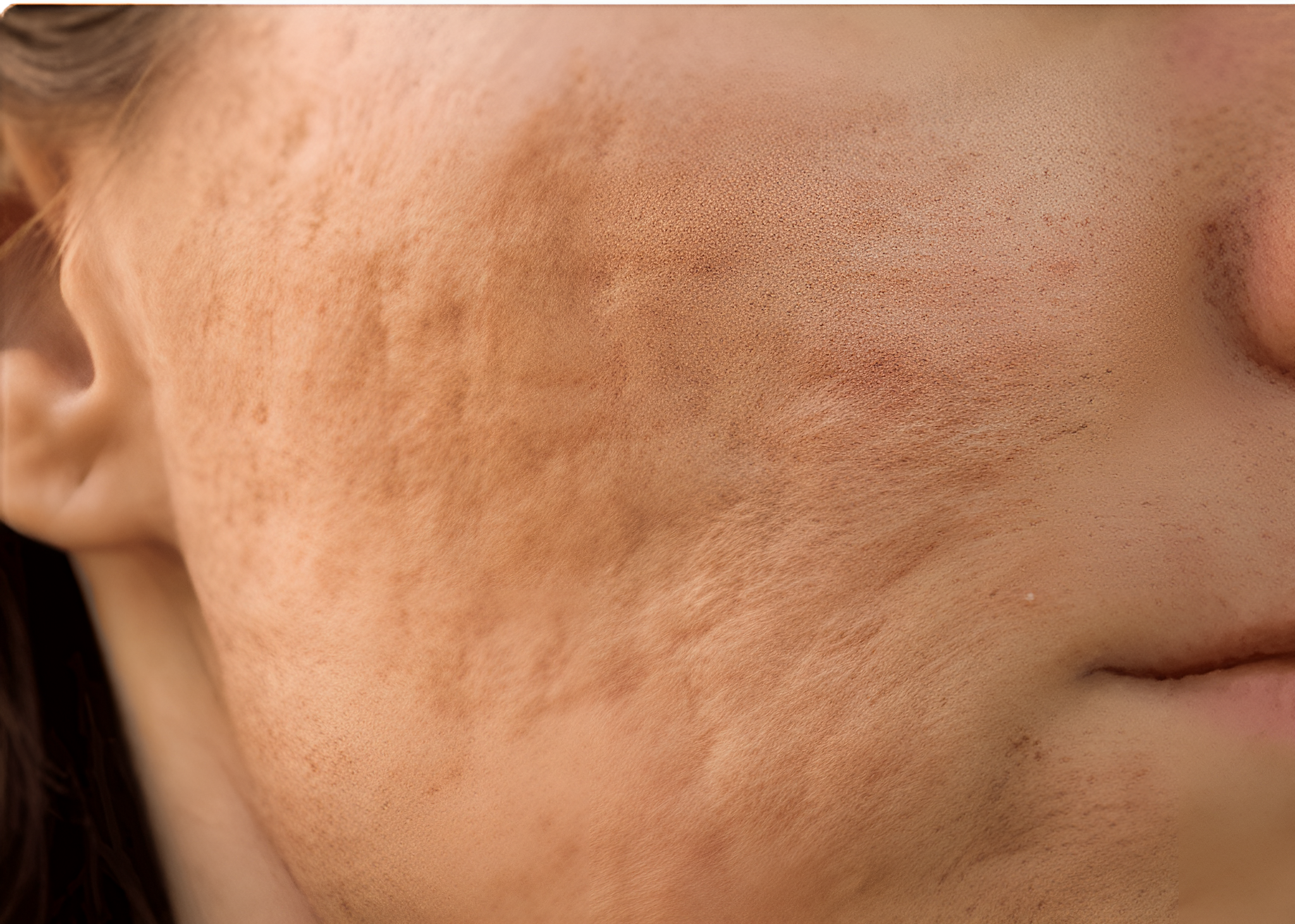


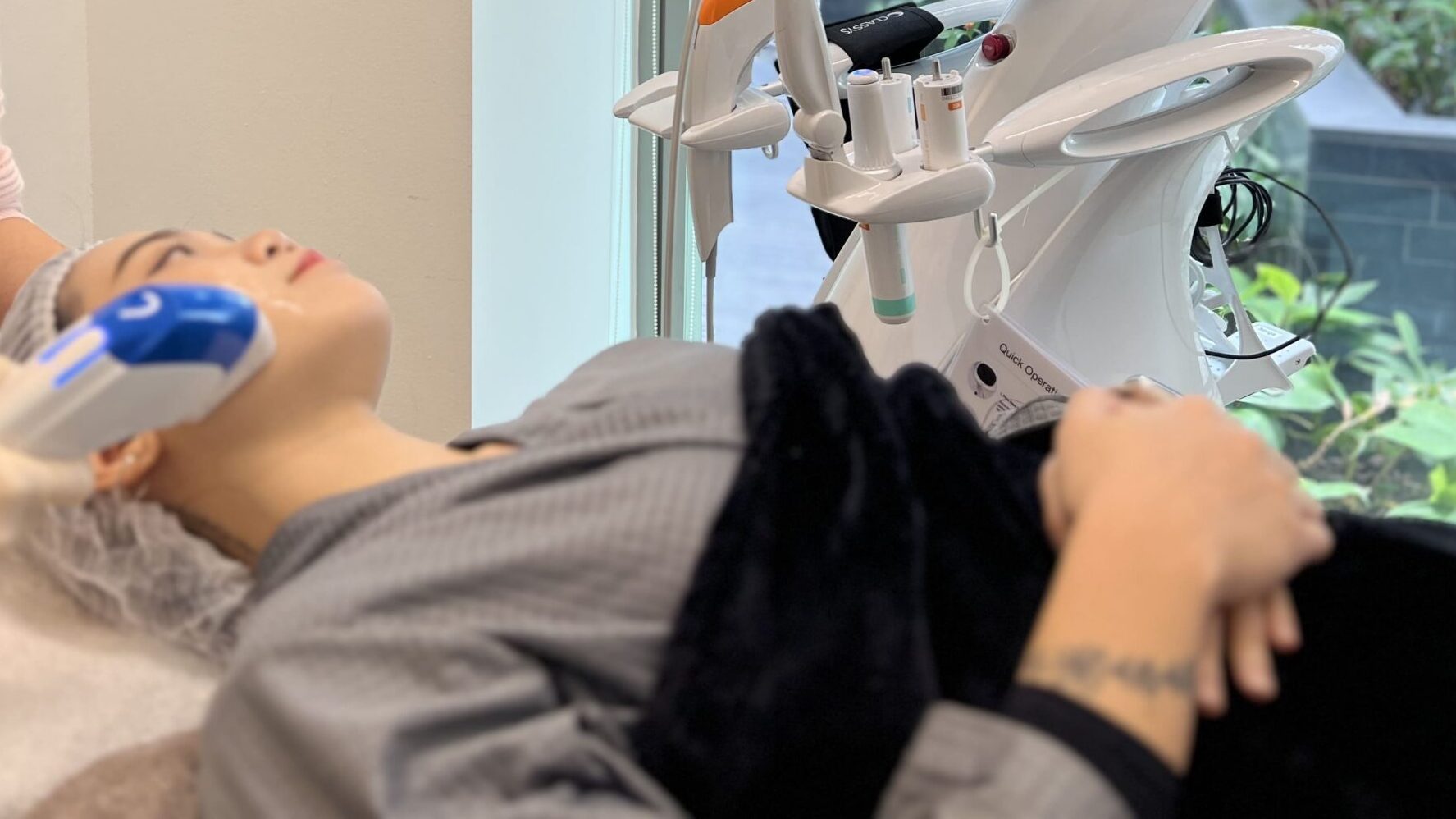
Some individuals may benefit from combining aesthetic treatments, especially when addressing more than one skin concern at a time. Using multiple therapies in a structured plan may support a more holistic approach to skincare, particularly for individuals with more than one concern. Here’s how selected treatment combinations may help address different concerns.
What Are Combination Therapies?
Combining aesthetic treatments involves using two or more procedures as part of a treatment plan to address specific skin-related goals. These plans are tailored to the individual’s concerns and may offer a more targeted approach compared to single-treatment options.
Why Are They Gaining Popularity?
- Personalised Plans: Treatment combinations can be adjusted based on individual concerns, preferences, and clinical assessment.
- Convenience: Some individuals may find that addressing more than one concern in a session is convenient and may reduce the number of visits required.
- Synergistic Effects: Certain treatments may be used together in a way that supports both hydration and skin texture, depending on individual needs.
How Combination Therapies Work Together
Combination therapies involve using multiple procedures within a treatment plan, which may allow for a more targeted approach when addressing multiple skin-related concerns. These approaches are selected based on individual needs and clinical judgment.
Examples of Commonly Combined Treatment Approaches
Some procedures may be performed together to support various aspects of skin care, depending on the treatment goals. Examples include:
- Hydration and Skin Texture:
- Microneedling may be paired with hydration-focused injectables to address both skin texture and moisture levels, depending on individual needs.
- Volume and Skin Laxity:
- Volume-enhancing injectables and selected skin-tightening devices may be used in tandem to address concerns such as volume loss or reduced skin firmness.
Customised Plans
Treatment plans may be adjusted based on clinical assessment and individual concerns such as skin texture, laxity, or overall skin appearance. A qualified practitioner will evaluate your skin condition and recommend appropriate combinations based on suitability.
Downtime Coordination
When selected carefully, certain lower-downtime treatments may be combined in a way that aligns with patients’ recovery preferences. This approach may reduce the number of separate appointments needed and support convenience.
Benefits of Combining Aesthetic Treatments
Combining aesthetic treatments may support a more structured and personalised approach to managing various skin-related concerns. These treatment plans may be used to address multiple areas of focus during the same timeframe, based on clinical assessment.
Complementary Treatment Approaches
Certain procedures may be used in combination to address different aspects of skin health or appearance. For example, hydration-focused treatments may be performed alongside other procedures that target skin texture or laxity, depending on individual needs.
Treatment Planning and Scheduling Considerations
Some individuals may prefer combining procedures that can be performed in the same session to reduce the number of separate appointments. Treatment plans can be adjusted based on recovery timelines, clinical goals, and scheduling preferences.
Addressing Multiple Concerns
Treatment combinations may be considered for individuals with multiple skin-related concerns, including skin texture, tone variation or pigmentation. Each plan is tailored to the individual’s specific needs and goals following clinical evaluation.
Downtime
Depending on the types of procedures selected, some treatment combinations may align with patients’ preferences for lower-downtime options. This may be discussed during the consultation to plan accordingly.
Popular Combination Therapies
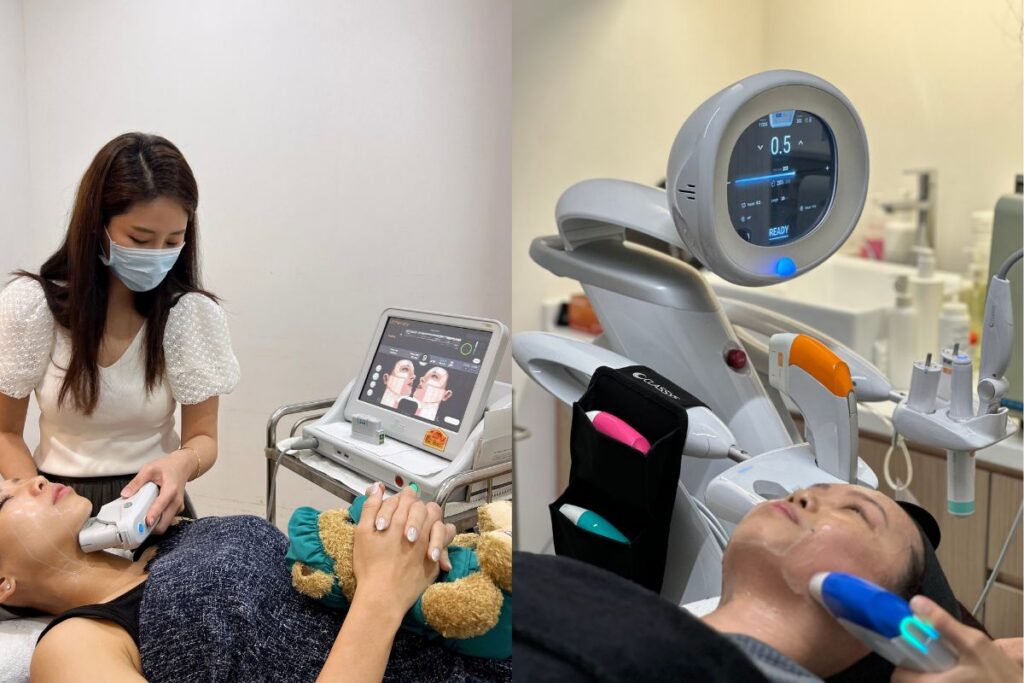
Certain aesthetic treatments may be planned together to address different skin-related concerns within a single treatment strategy. These combinations are selected based on individual needs and clinical assessment. Below are examples of treatment approaches that may be considered.
HIFU + Skin Hydration Injectables
This treatment option pairs High-Intensity Focused Ultrasound (HIFU) and injectable skincare treatments aimed at improving skin hydration. The procedures are selected to address both skin firmness and overall skin quality.
- Purpose: HIFU treatments may be used to address skin laxity by targeting deeper tissue layers, while hydration-focused injectables may support skin moisture and elasticity. The combination is chosen based on individual skin concerns.
- Target Areas: Common areas for this treatment include the face, neck, and décolletage.
- Results: Some individuals may notice changes in skin texture, hydration levels, or firmness over time. Responses vary depending on individual factors.
- Ideal For: Individuals with concerns related to skin laxity, dryness, or changes in skin texture may discuss this option during consultation.
This approach focuses on addressing both deeper tissue support and surface skin quality, depending on suitability.
Ultherapy + Anti‑Wrinkle Injections
This combination combines Ultherapy, a non-surgical lifting treatment, with anti‑wrinkle injections to address different aspects of facial ageing.
- Purpose: Ultherapy may be used to address skin laxity, while anti‑wrinkle injections are used to reduce muscle activity associated with certain facial lines.
- Target Areas: Commonly treated areas include the forehead, crow’s feet, and jawline.
- Results: Some individuals may observe changes in skin firmness or the appearance of dynamic lines over time. Outcomes vary based on individual response.
- Ideal For: Individuals exploring non-surgical options for concerns such as skin laxity or expression-related lines may discuss this combination with a medical practitioner.
Individuals exploring non-surgical options for concerns such as skin laxity or expression-related lines may discuss this combination with a medical practitioner.
Fillers + Anti-Wrinkle Injection
- Purpose: Dermal Filler may be used to support facial volume in targeted areas, while anti-wrinkle injections may reduce the appearance of expression-related lines. Aesthetic practitioners will assess whether this combination is suitable based on individual needs
- Target Areas: Commonly discussed areas include the lips, forehead, and nasolabial region.
- Results: Individuals may notice changes in facial fullness and the appearance of expression lines, depending on individual response.
- Ideal For: This approach may be explored by those looking to manage both volume loss and expression-related lines within a single treatment plan.
This dual treatment works synergistically to improve facial structure and surface smoothness, delivering a subtle yet transformative outcome.
Fractional CO2 Laser + Subcision
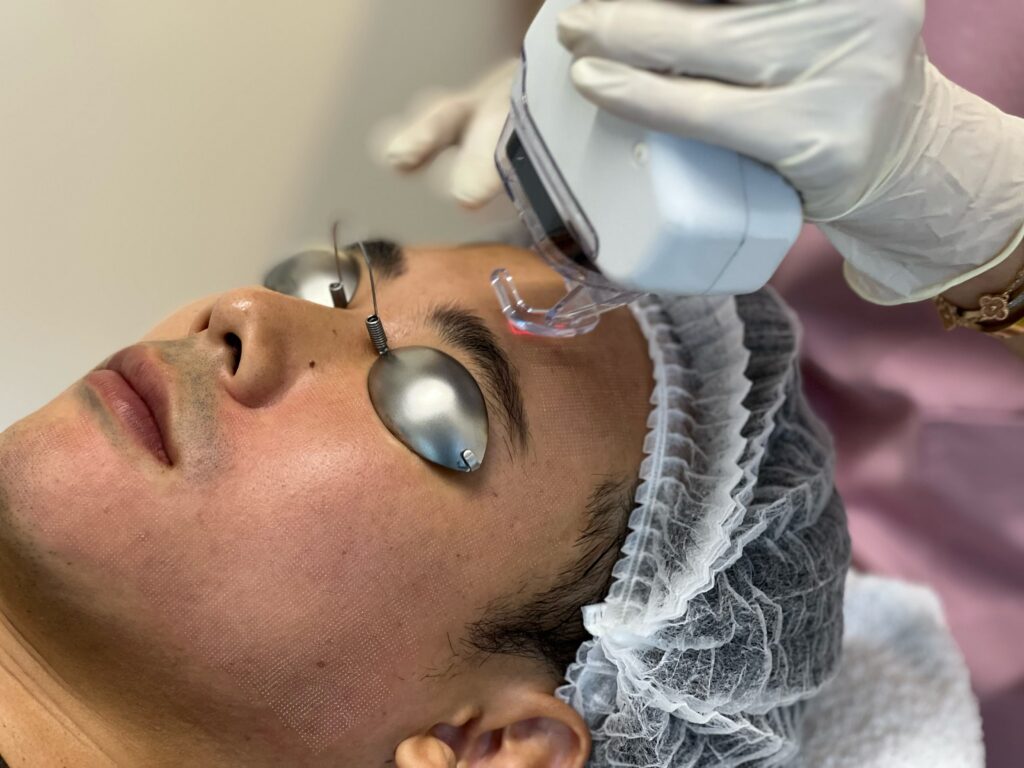
This treatment approach combines a fractional CO2 laser with subcision to address concerns related to deeper textural irregularities in the skin.
- Purpose: Subcision breaks up tethered scar tissue to release deep scars, while the Fractional CO2 Laser resurfaces uses laser resurfacing on the skin and reduces the effects of sun damage for improved texture and tone.
- Target Areas: Commonly treated areas include acne scars and surgical scars.
- Results: Achieve dramatic improvement in scar depth, smoother skin texture, and even more complexion.
- Ideal For: This combination may be suitable for those whose concerns involve deeper textural changes. A consultation is necessary to assess clinical appropriateness.
This synergistic approach addresses scars’ structural and surface components, delivering noticeable, long-lasting improvements.
Pico Laser + Chemical Peel
This combination approach uses Pico Laser and Chemical Peels which may be used together to address concerns related to pigmentation and skin texture.
- Purpose: Picosecond laser treatments may be used to address pigmentation concerns at different skin depths, while chemical peels exfoliate the skin surface to support overall skin renewal. The suitability of this combination depends on individual skin condition and assessment.
- Target Areas: Common areas discussed for this approach include the face, neck, and hands.
- Results: Some individuals may notice changes in skin tone, texture, or the appearance of pigmentation over time. Individual outcomes vary.
- Ideal For: Individuals with concerns related to uneven skin tone or pigmentation may discuss this combination with a medical practitioner during consultation.
This combination allows different layers of the skin to be addressed within a coordinated treatment plan, based on clinical evaluation.
Are Combination Therapies Safe?
Combination therapies may be considered safe when assessed and performed by qualified professionals in licensed medical settings. A consultation is essential to determine whether the treatment plan aligns with your individual skin needs and health profile. Licensed clinics follow relevant safety guidelines, and outcomes can vary depending on the combination of procedures and how your skin responds.
Book a consultation today to explore the right combination treatments may be appropriate for your concerns.
How to Maximize Results When Combining Treatments
Preparation and aftercare may support better comfort and experience during and after combination treatments. Your provider may recommend pre-treatment guidelines to prepare your skin and post-treatment care such as hydration and sun protection. These steps can support the skin’s recovery process.
Follow-up visits may also be suggested depending on your skin’s response and treatment goals.
Potential Risks and Side Effects
Combination treatments are commonly used in aesthetic practice, but as with any procedure, there may be associated risks. Temporary effects such as redness, swelling, or mild bruising can occur and typically resolve within a few days. While less common, some individuals may experience side effects based on the type of treatment or personal sensitivity.
It is advisable to undergo treatments in licensed clinics with qualified practitioners who can provide a personalised assessment and explain the steps for pre- and post-treatment care.
FAQs
Is Combining Treatments Safe for Everyone?
While combination treatments are generally safe, they may not suit everyone. Factors like medical history, skin condition, and treatment goals are evaluated during a consultation to ensure safety and effectiveness. Always consult a qualified provider for aesthetic procedures to determine the best approach for your needs.
How Much Does it Cost to Combine Treatments?
The cost of combining popular aesthetic treatments in Singapore can vary depending on the types of procedures, the clinic, and the number of sessions required. Here’s a general estimate for a combination of different treatment modalities:
- Ultherapy + Anti-Wrinkle Injections: SGD 2,000 to SGD 4,500
- Fillers + Anti-Wrinkle Injections: SGD 1,000 to SGD 3,000
- Fractional CO2 Laser + Subcision: SGD 1,500 to SGD 4,000
- Pico Laser + Chemical Peel: SGD 800 to SGD 2,500
Book a consultation with Lux Medical Aesthetic Clinic for a detailed cost breakdown and personalised recommendations.
Will I Need More Downtime When Combining Treatments?
Downtime varies depending on the treatments combined. Some treatment pairings, such as Ultherapy with anti-wrinkle injections, may be associated with limited recovery periods for some individuals. Others, such as Fractional CO2 Laser with Subcision, may involve longer recovery depending on individual skin response. Your practitioner will provide detailed guidance tailored to your treatment plan.
What Are the Popular Combinations?
Combination approaches in aesthetic medicine vary depending on the individual’s goals and clinical assessment. Some commonly discussed pairings include:
- Ultherapy with anti-wrinkle injections – often explored for addressing facial skin concerns.
- Fillers with anti-wrinkle injections – may be considered for facial volume loss and lines.
- Pico Laser with Chemical Peel – used in cases related to uneven skin tone and texture.
A qualified practitioner can recommend suitable treatments based on your concerns and clinical evaluation.
How Many Treatments Can Be Combined at Once?
The number of treatments that may be combined depends on your skin’s condition and the types of procedures involved. Your practitioner will assess your concerns and may recommend a treatment plan that considers both safety and individual skin response. In some cases, treatments may be spaced out over time to support recovery and comfort.
Conclusion
Combining aesthetic treatments may provide an approach that addresses multiple skin concerns in a coordinated way. In certain instances, procedures may be performed in the same session, depending on your provider’s clinical judgment and your skin’s response.
It is advisable to consult a medical professional who can assess your condition and recommend appropriate options. A licensed clinic can help determine whether combination or standalone treatments align with your needs following a detailed consultation.