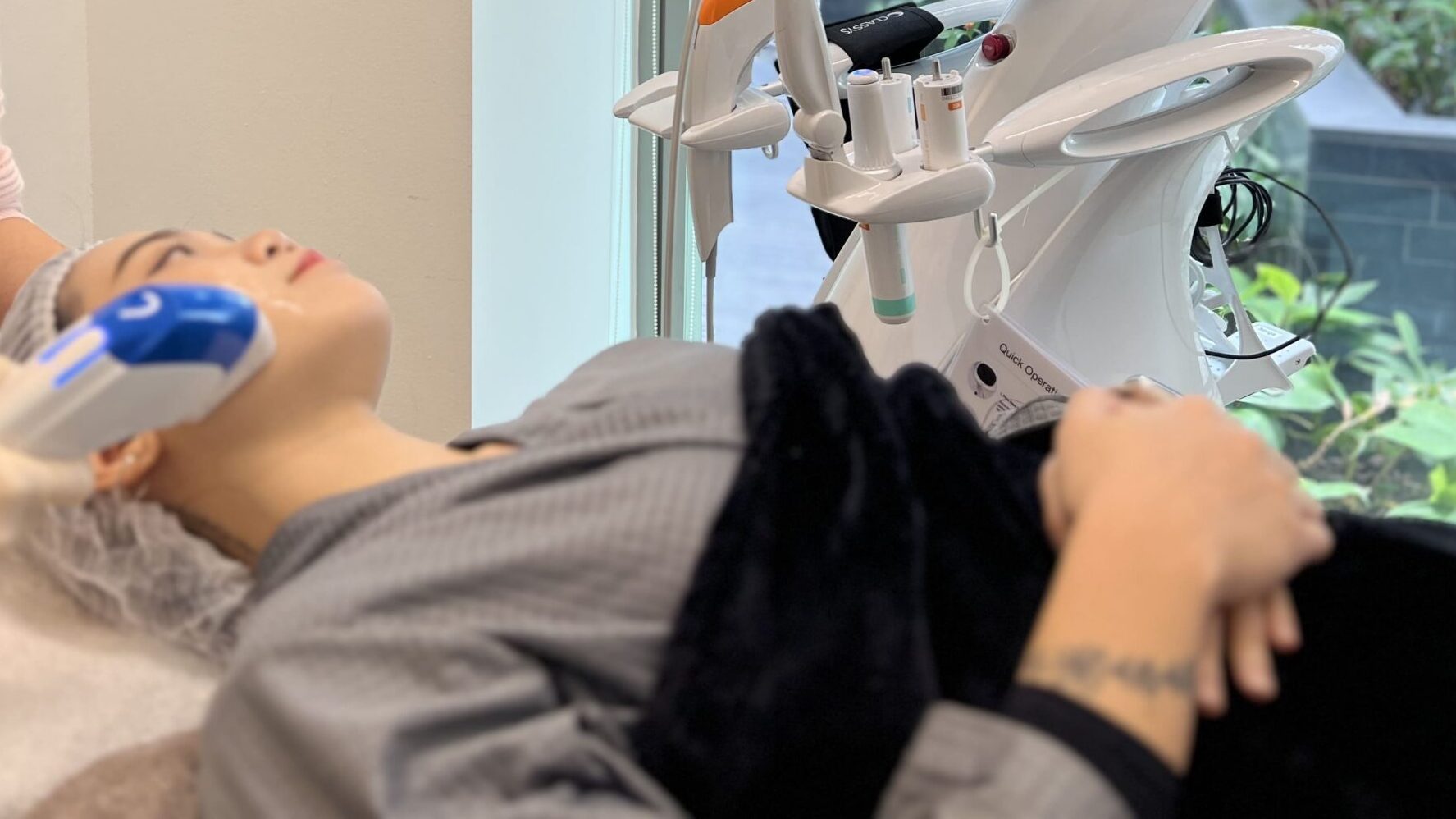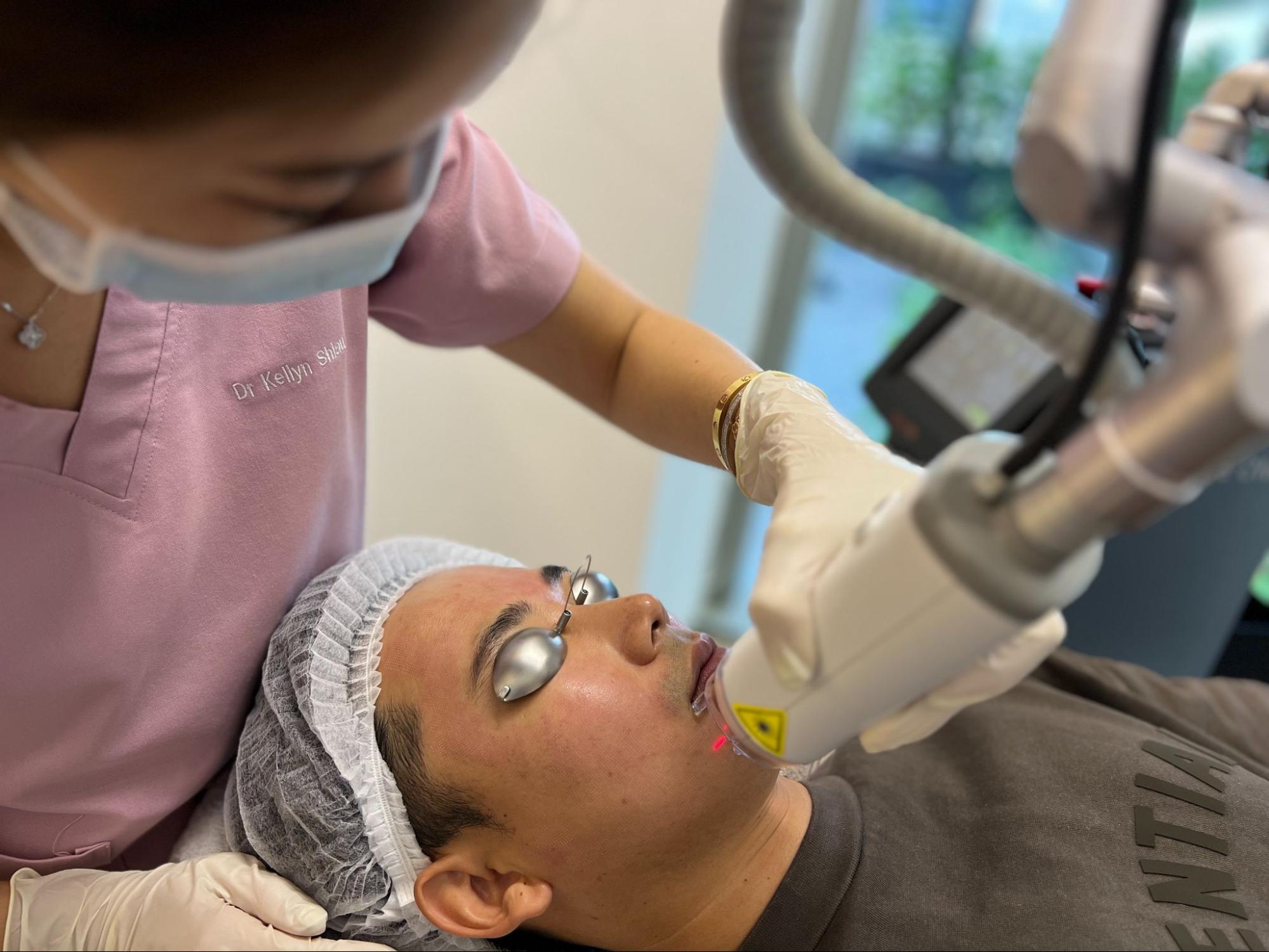


Laser and pigmentation treatments are intended to address existing skin changes, such as uneven pigmentation or acne-related texture irregularities. However, these treatments do not prevent future triggers that can cause pigmentation or scarring to return. For this reason, maintenance helps support the longevity of treatment outcomes.
In climates like Singapore, where UV exposure and heat are constant, the skin stays more reactive. Without the right aftercare and long-term habits, pigmentation may come back, and improvements in texture can fade. This section outlines practical, evidence-based ways to maintain your skin results safely, without relying on repeated aggressive procedures.
Why Pigmentation and Acne Scars Can Recur
Even after treatment, the skin’s natural tendencies, like melanin production or collagen breakdown persist. This is why recurrence is possible, particularly when the skin is exposed to common triggers.
Common contributors to recurrence include:
- Sun exposure and heat, which can trigger melanin production
- Chronic inflammation, from acne, harsh products, or skin irritation
- Natural collagen loss, which reduces the effects of texture treatments
While treatments address existing damage, they cannot prevent future triggers. Maintenance focuses on managing these long-term factors to help preserve results and reduce the need for repeated intervention.
Immediate Post-Treatment Care (First 1–2 Weeks)
The first one to two weeks after treatment represent a high-risk period for complications such as post-inflammatory hyperpigmentation (PIH) or delayed healing. Care during this phase can affect both short and long-term results.
Protecting the Skin Barrier While It Heals
After treatment, the skin barrier is temporarily compromised. It’s important to keep your routine gentle:
- Cleanse with care, using mild, non-stripping products to remove sweat and buildup.
Moisturise regularly to support the skin’s barrier and reduce dryness or irritation. - Avoid rubbing, picking, or touching the treated area unnecessarily, as this can slow healing or increase the risk of pigmentation.
Avoiding UV Exposure
UV exposure during the healing phase significantly increases the risk of PIH.
- Try to stay indoors during peak sunlight hours.
- Use hats, umbrellas, or physical shade when outside.
- Sunscreen should only be resumed when your doctor advises it’s safe, usually when the skin no longer feels raw or reactive.
Keeping your skin calm during this stage helps it heal more evenly and reduces the risk of rebound pigmentation or lingering redness.
Long-Term Skincare Strategies to Maintain Results
Long-term maintenance focuses on reducing ongoing triggers that can cause pigmentation or textural changes to return. Consistency is more important than intensity, especially after laser or pigmentation treatments.
1. Daily Sun Protection
Daily sun protection plays a key role in supporting treatment outcomes. UV rays not only stimulates melanin production but also accelerates collagen breakdown, undermining the effects of treatment.
Effective sun protection involves:
- Broad-spectrum sunscreen to protect against UVA and UVB
- Awareness that visible light and indoor UV exposure can also worsen pigmentation
- Prioritising consistent daily use, rather than relying on very high SPF numbers alone
In Singapore’s tropical climate, sun protection should be treated as an essential part of everyday skincare, not just for outdoor activities.
2. Barrier-Supporting Skincare
A healthy skin barrier reduces inflammation that can trigger pigmentation and slow collagen recovery. Focus on:
- Gentle cleansers that clean without stripping natural oils
- Regular moisturising to keep the skin barrier stable and comfortable
Barrier-focused skincare helps:
- Reduce inflammation
- Improve tolerance to active ingredients
- Reduce the chance of irritation-related pigmentation over time
3. Gradual Reintroduction of Active Ingredients
Active ingredients play a role in maintaining results but should be reintroduced cautiously after treatment. Commonly used categories include retinoids, antioxidants, and pigment-modulating agents. A low and slow approach allows the skin to adapt without triggering rebound irritation or pigmentation. Gradual escalation is particularly important in pigmentation-prone skin.
Maintenance After Different Types of Treatments
Maintenance strategies vary depending on the type of procedure performed, as each affects the skin differently.
After Laser Resurfacing (Ablative & Non-Ablative)
Following laser resurfacing, the focus remains on strict UV avoidance and barrier repair. Even weeks after visible healing, the skin may still be vulnerable to delayed pigmentation. Conservative skincare and ongoing sun protection help reduce this risk.
After Pigment-Targeting Lasers
Pigment-targeting lasers may sometimes cause temporary darkening as pigment fragments are processed by the skin. This response is expected and typically resolves with time. To support clearance and prevent recurrence:
- Maintain consistent sun protection.
- Use anti-inflammatory or pigment-regulating products as advised.
- Avoid irritating the skin during the healing phase.
After Chemical Peels
Skin is more reactive after chemical peels, especially medium-depth or targeted types. To avoid irritation and rebound pigmentation:
- Pause exfoliating products until the skin recovers.
- Moisturise regularly to keep the barrier intact.
- Avoid picking, scrubbing, or peeling flaking skin.
After RF Microneedling or Collagen-Based Treatments
Collagen-based treatments rely on gradual remodelling over time. Supporting this process involves minimising inflammation, maintaining hydration, and avoiding excessive heat or irritation that may disrupt collagen formation or trigger pigmentation.
Special Considerations for Asian Skin Types
Individuals with Fitzpatrick skin types III–V have a higher susceptibility to post-inflammatory hyperpigmentation, making maintenance especially important. Heat and humidity common in tropical climates can amplify inflammation, even in the absence of visible irritation.
For this reason, maintenance strategies often favour:
- Conservative skincare routines
- Careful spacing of maintenance procedures
- Avoidance of aggressive or frequent “touch-up” treatments
Aggressive interventions may temporarily improve appearance but may increase the risk of delayed pigmentation or uneven results in the long term.
Common Mistakes That Undermine Treatment Results
Certain common behaviours can reduce the longevity of results, even after initially successful treatment. These issues often arise from good intentions but lead to unnecessary skin stress.
Common mistakes include:
- Inconsistent sunscreen use, allowing UV exposure to reactivate pigmentation pathways
- Over-exfoliation, which disrupts the skin barrier and increases inflammation
- Using unregulated or harsh products, increasing irritation and pigment risk
- Treating pigmentation without controlling acne, leading to repeated cycles of inflammation
- Assuming one treatment is sufficient forever, without ongoing maintenance
Avoiding these pitfalls is often as important as the treatment itself.
When Maintenance Treatments May Be Considered
Maintenance treatments may be considered when results begin to plateau or when there is recurrence of pigmentation or textural changes. These decisions are usually based on periodic reviews by a medical professional, not on a fixed treatment schedule.
Under medical supervision, maintenance strategies may include:
- Light chemical peels to support gradual skin renewal
- Low-intensity laser sessions to maintain pigment or collagen improvements
- Adjustments to topical regimens based on skin response over time
Proper timing and treatment choice are essential. Maintenance should support ongoing results without replicating full treatment courses or increasing risk from overtreatment.
What to Expect Realistically Over the Long Term
Maintenance helps help minimise the risk of relapse, but it does not eliminate it entirely. Pigmentation and collagen changes are influenced by ongoing biological and environmental factors.
Over the long term, patients should expect:
- Gradual changes, rather than permanent “fixes”
- Periods of stability are interspersed with mild fluctuations
- Better outcomes with sustainable routines rather than aggressive interventions
A measured, long-term approach may support more consistent care and long-term skin stability.
FAQs
How long do laser and pigmentation results usually last?
Results can last from several months to a few years, depending on factors such as skin type, sun exposure, and consistency with maintenance care.
Can pigmentation return even after successful treatment?
Yes. Pigmentation can recur if triggers like UV exposure, inflammation, or hormonal changes are not well managed.
Is sunscreen still necessary years after treatment?
Yes. Daily sun protection remains important long after treatment to help prevent recurrence and support overall skin health.
Do maintenance treatments mean the original treatment failed?
No. Maintenance treatments are a normal part of long-term care and help prolong results. They do not indicate failure of the initial treatment.
When should I return for medical review?
A review is recommended if pigmentation returns, if your skin becomes more reactive, or if you’re considering maintenance options.