


Facial volume loss is a common change that may affect appearance as people age. This condition can arise from various factors, and certain lifestyle habits may also contribute. There are treatment options that may be used to address facial volume loss, ranging from non-surgical to surgical approaches. In this post, we’ll also discuss preventive measures that may support facial structure and skin health over time.
What Is Facial Volume Loss?
Facial volume loss refers to the reduction of subcutaneous fat, collagen, and tissue in the face, which may change the natural contours and reduce skin elasticity.
The effects of facial volume loss may be more noticeable in certain areas:
- Hollow Cheeks: The cheeks may appear flatter and less defined as fat pads shrink and shift downward.
- Sunken Eyes: Reduced volume around the eyes can create a tired or aged look, with noticeable hollowness beneath the eyes.
- Sagging Skin: The lack of support from underlying fat can lead to loose skin around the jawline, often referred to as jowls.
Causes of Facial Volume Loss
Facial volume loss is influenced by multiple factors and may contribute to gradual changes in appearance over time. Understanding the causes—such as natural ageing, genetics, and lifestyle factors—may help individuals better understand how these changes occur.
Natural Ageing Process
As we age, our bodies undergo several changes that may contribute to facial volume loss:
- Decline in Collagen and Elastin Production: Starting in the late 20s and early 30s, the production of collagen and elastin diminishes. These proteins provide structure and elasticity to the skin, and a decrease in their levels may affect skin firmness and texture.
- Fat Pad Resorption: The fat pads in the face that provide structure and fullness gradually reduce over time, which may contribute to hollow cheeks and under-eye changes.
- Muscle Atrophy: The muscles beneath the skin can weaken with age, which may also contribute to changes in skin support.
Genetic Factors
Genetics may influence how quickly facial volume changes develop. Some individuals may be predisposed to lose facial fat at a faster rate than others, which may lead to earlier changes in facial appearance. Family history can also affect the areas most likely to be impacted by volume loss.
Lifestyle Factors (Diet, Smoking, Sun Exposure)
Several lifestyle habits may contribute to facial volume loss:
- Diet: A diet lacking essential nutrients may affect skin health and elasticity. Diets low in antioxidants may also be less effective in supporting the body against oxidative stress, which can affect collagen.
- Smoking: Smoking is associated with increased breakdown of elastin and collagen and can reduce blood flow, depriving the skin of important nutrients.
- Sun Exposure: Chronic exposure to UV rays can damage skin cells and contribute to collagen breakdown, leading to thinner skin over time.
- Sudden Weight Loss: Rapid weight loss may cause the fat pads in the face to shrink, leaving the skin stretched. This can make the face appear slimmer, and the changes may persist even if weight is regained.
Treatment Options for Facial Volume Loss
Several treatment options may be considered for individuals looking to address facial volume changes.
Dermal Fillers
Dermal fillers are injectables that may be used to address volume changes in areas such as the cheeks, lips, and temples. They often contain substances like hyaluronic acid or collagen-stimulating agents.
- Hyaluronic Acid Fillers: Hyaluronic acid occurs naturally in the body and can attract moisture to the skin, which may help improve fullness in targeted areas. The procedure involves injections into specific regions, and some temporary swelling or bruising may occur after treatment. The effects typically last from six months to over a year, depending on the specific product used.
- Collagen-Stimulating Fillers: These fillers may provide initial fullness and can also stimulate collagen production over time, which may support changes in skin texture and firmness.
| Filler Type | Longevity |
|---|---|
| Hyaluronic Acid | 6–12 months |
| Collagen-Stimulating | 1–2 years |
Fat Transfer (Fat Grafting)
Fat transfer, also known as fat grafting, is a procedure that involves harvesting fat from areas such as the abdomen or thighs and injecting it into parts of the face where volume has been reduced.
The effects may last for an extended period, though they can vary between individuals. As with any procedure, there are risks, including infection or uneven results. Swelling and bruising are also common during recovery, and some downtime is usually required.
Non-Surgical Options (Skin Tightening, Radiofrequency)
Some non-invasive options, like radiofrequency or ultrasound-based skin tightening treatments, may be used to support skin structure and elasticity. These treatments work by delivering energy into the deeper layers of the skin, which may stimulate collagen production and support skin firmness over time.
Surgical Options (Facelift, Implants)
For individuals experiencing more significant changes in facial volume, surgical interventions may be considered.
Facelift
A facelift, or rhytidectomy, is a surgical procedure that may be used to address loose skin around the lower face and neck. It is performed under general anaesthesia, and recovery typically takes several weeks, though this can vary between individuals..
Cheek Implants
Cheek implants are surgical devices that may be placed to change the contour of the cheeks. Recovery often takes several weeks, with swelling and bruising being common during the healing process. These effects usually improve gradually over time.
How to Prevent Facial Volume Loss
While it may not be possible to fully prevent facial volume loss, certain measures may help slow visible changes and support skin health.
Sun Protection and Skincare
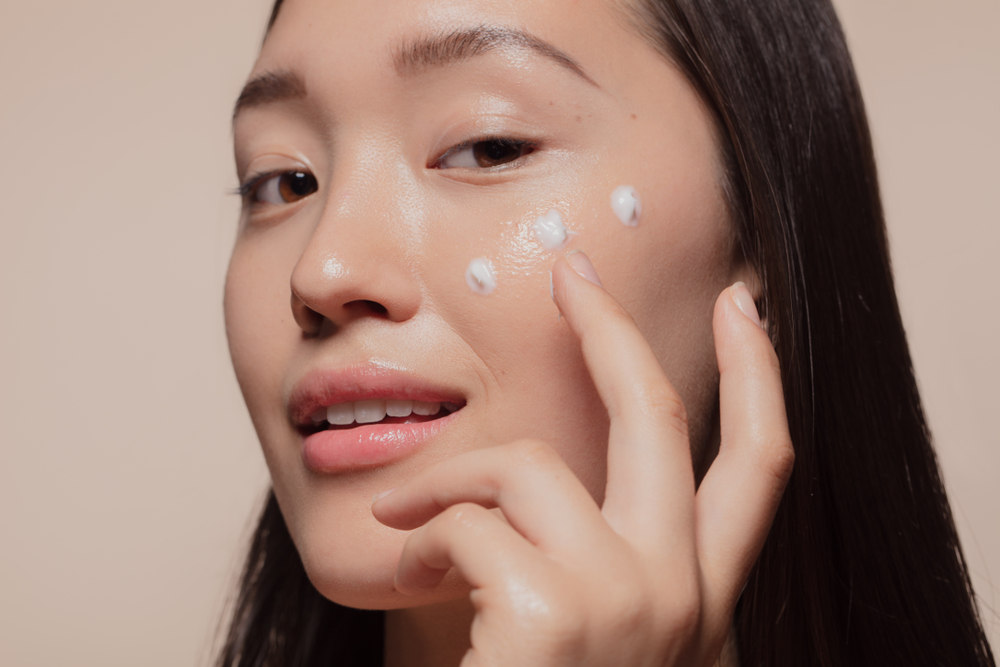
Protecting your skin from sun damage may reduce collagen breakdown, which supports overall skin structure.
- Sunscreen: Regularly applying a broad-spectrum sunscreen with UVA and UVB protection is generally recommended. Sunscreens with an SPF of at least 30 are often advised, and reapplication every two hours when outdoors can provide continued protection.
- Skincare Products: Using skincare products that support skin health, such as those containing retinoids, peptides, or hyaluronic acid, may help with hydration and elasticity. These ingredients work by supporting the skin’s natural structure.
Lifestyle Habits (Diet, Hydration, Avoiding Smoking)
Healthy lifestyle choices may support skin health and help slow visible changes in facial appearance over time.
- Balanced Diet: Consuming foods rich in antioxidants, such as vegetables, fruits, nuts, and whole grains, may help protect skin from oxidative stress. Vitamin C–rich foods, like citrus fruits and bell peppers, may also support the body’s natural collagen production.
- Hydration: Staying well-hydrated supports overall skin hydration. Drinking enough water throughout the day may help keep skin looking and feeling healthy.
- Avoiding Smoking: Smoking is associated with increased breakdown of collagen and elastin and reduces blood flow, which can deprive the skin of nutrients. Avoiding smoking may help reduce further changes linked to volume loss.
- Limiting Alcohol Intake: Excessive alcohol consumption can dehydrate the skin, which may affect its appearance over time.
Complications and Long-term Effects
Over time, facial volume loss may contribute to visible changes in appearance and skin support.
As facial fat diminishes, the skin can lose some of its underlying support, which may contribute to the appearance of deeper wrinkles. Areas such as the nasolabial folds (lines from the nose to the mouth) and marionette lines (lines from the corners of the mouth down to the chin) may become more noticeable.
A reduction in volume may also be linked with increased skin laxity, particularly around the jawline, which can result in looser skin and a less defined appearance in the lower face.
When to Seek Professional Help
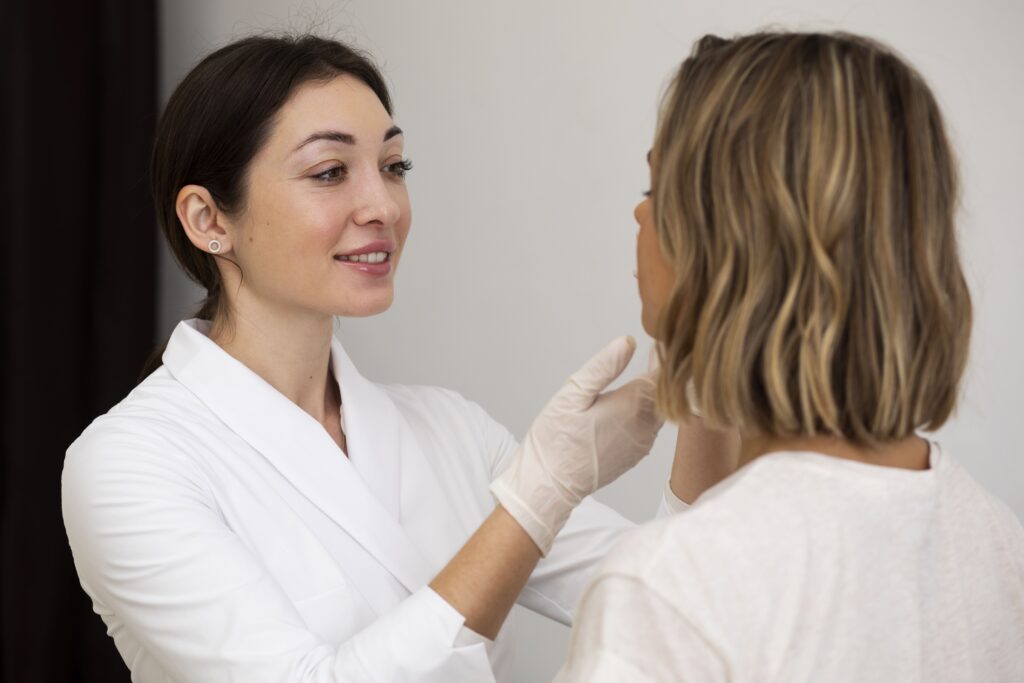
Some individuals may choose to consult a professional if they notice changes in facial volume that concern them. These may include:
- Hollow or Sunken Areas: Noticeable changes in the cheeks, temples, or under the eyes.
- Deepening Wrinkles: Increased visibility of fine lines and wrinkles.
- Flattened Cheeks: Cheeks that appear slimmer or less full.
- Sagging Skin: Looser skin along the jawline, which may be linked with changes in support.
- Thinning Lips: Lips that appear less full or have changed in contour.
- Changes Affecting Confidence: Visible changes that influence how individuals feel about their appearance.
If you notice these significant changes in your appearance, it may be time to consult a qualified professional.
Conclusion
Facial volume loss is a natural part of ageing and can be influenced by factors such as sun exposure, lifestyle habits, and genetics.
Non-surgical approaches, including skincare practices and lifestyle adjustments, may support skin health and slow visible changes in facial volume. Surgical and non-surgical procedures are also available for those considering additional options.
Understanding these factors may help individuals make informed decisions about how they manage facial changes over time. Consulting a qualified professional may provide further guidance on options suited to individual needs..