

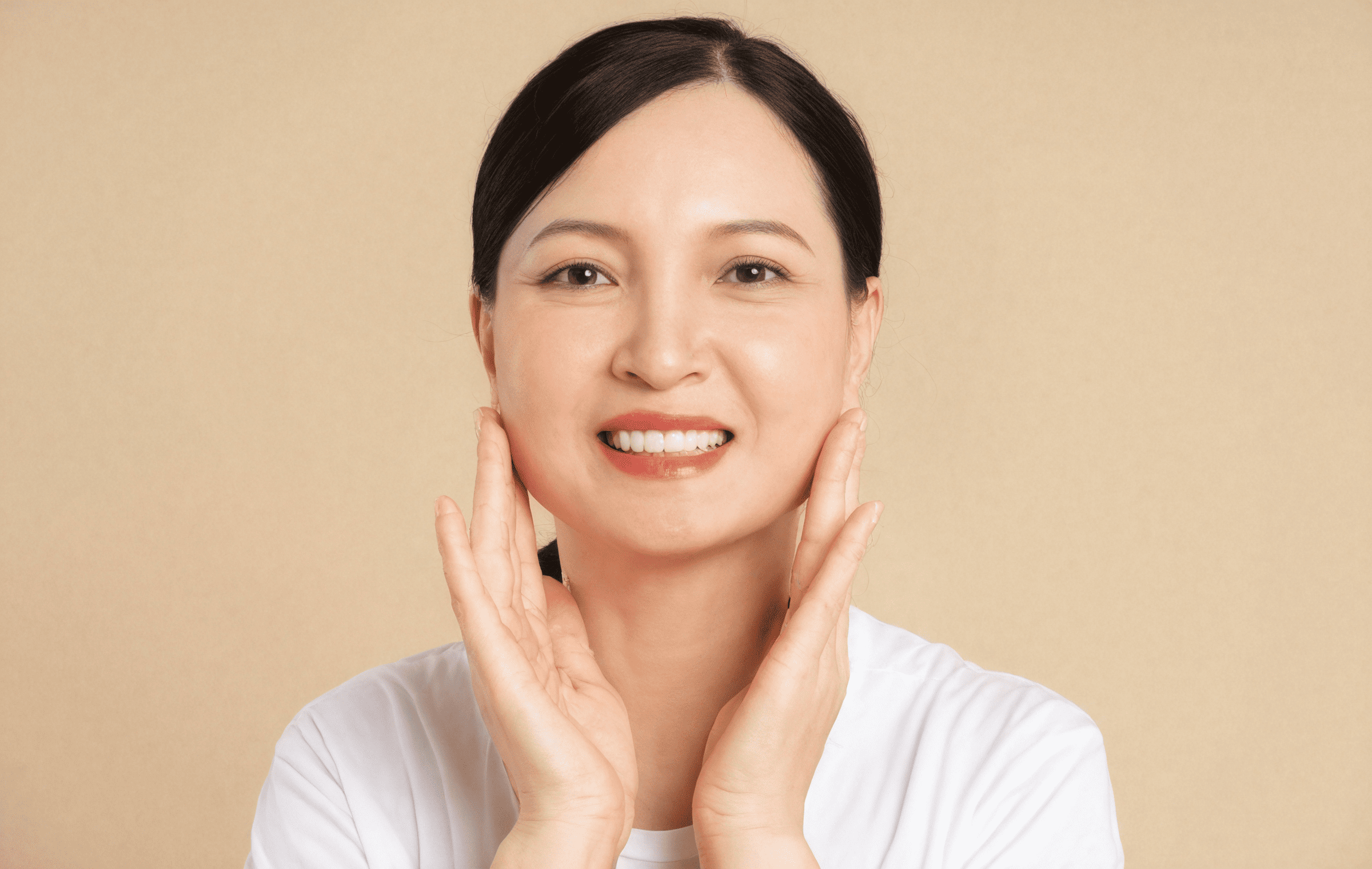
As you age, you may notice lines forming from the sides of your nose down to the corners of your mouth. These lines, known as nasolabial folds or smile lines, are a natural part of the ageing process. They may appear as early as your 20s or 30s and often become more noticeable with age
Understanding what smile lines are, why they occur, and how they can be treated or prevented can help you maintain your skin texture and take charge of your skin health.
What Are Smile Lines?
Smile lines, also known as nasolabial folds, are creases that appear around the mouth, often influenced by factors such as skin elasticity and facial expressions. The repeated movement of facial muscles can create lines in the skin over time. Although completely natural, many people notice these lines as part of the ageing process.
Smile lines tend to become more noticeable with age but can appear earlier, especially in people with frequent facial movements. Factors such as sun exposure, smoking, and diet may also influence when these lines become more noticeable. People with lighter skin types may notice these changes earlier.
Some people may be more aware of smile lines, particularly in settings where youthful appearance is emphasised. Recognising that these lines result from natural facial expressions places them in the context of normal ageing. There are a range of approaches, from skincare to professional treatments, that may help manage the visibility of smile lines
What Causes Smile Lines?

The formation of smile lines is a multifactorial process influenced by intrinsic and extrinsic factors. Intrinsic Factors are the natural, internal processes that occur within the body and influence how we age. They are largely determined by genetics and include the biological ageing of cells and tissues:
- Genetics: Genetics play a role in ageing, influencing skin elasticity and how the skin responds to changes over time.
- Facial Muscle Use: Frequent facial expressions such as smiling, frowning, or squinting can create temporary lines. As skin elasticity decreases, these lines may become visible even when the face is at rest.
- Cellular Changes. Over time, skin cells may become less efficient at regenerating and repairing, making signs of ageing more noticeable.
- Mid-Face Sagging: Sagging in the mid-face area may contribute to the appearance of deeper laugh lines, as facial volume and support gradually reduce with age.
Extrinsic Factors involve external environmental influences that can accelerate ageing, particularly of the skin. These factors are often within our control or influence and include lifestyle choices and environmental exposures such as:
- Sun Exposure. Prolonged UV exposure may contribute to wrinkles, pigmentation, and changes in skin texture. Sunscreen and protective clothing can help reduce UV exposure.
- Pollution. Environmental pollutants may contribute to oxidative stress in the skin, affecting tone and potentially increasing the visibility of wrinkles. Skincare products with antioxidants may support skin resilience.
- Smoking: Smoking is associated with reduced blood flow to the skin, which may affect elasticity and contribute to wrinkles. Stopping smoking may support overall skin health.
- Diet and Lifestyle. Diet, physical activity, and sleep patterns may influence how the skin ages. A balanced diet, regular exercise, and sufficient rest can support overall skin health.
Treatment Options for Smile Lines
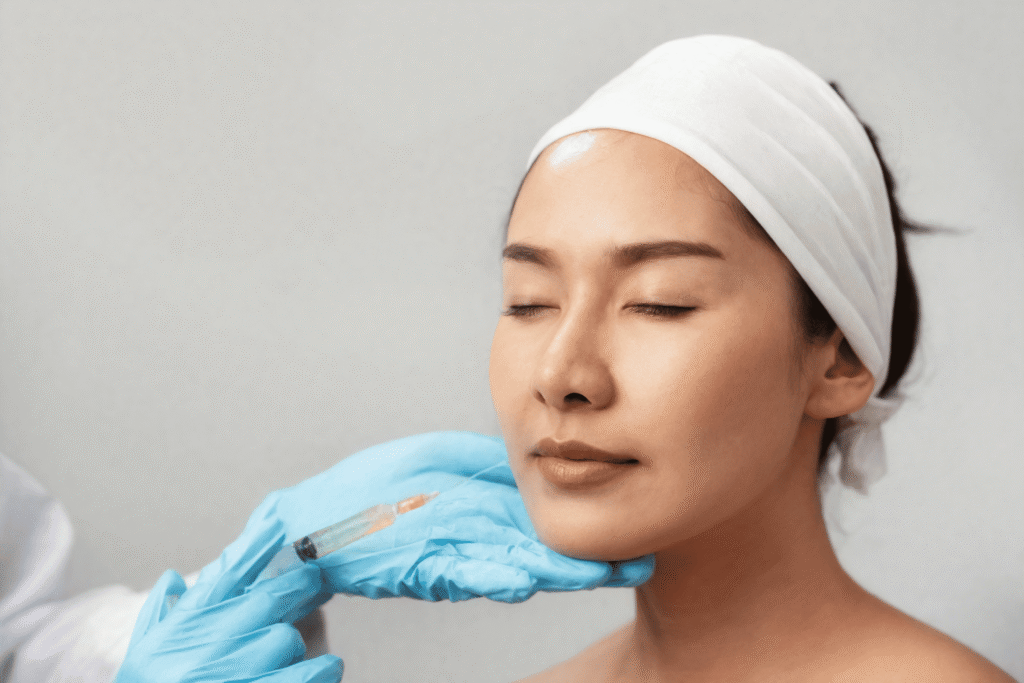
Understanding the treatment options available can help you make informed decisions about managing smile lines. Below are some commonly used approaches
Over-the-counter (OTC) Skincare Products
OTC skincare products can benefit those noticing the early development of smile lines. Look for products containing ingredients like:
- Retinoids: These are vitamin A derivatives that may support skin cell turnover and encourage collagen production. They are commonly included in products aimed at reducing the visibility of fine lines.
- Hyaluronic Acid: A powerful humectant that attracts moisture to the skin, helping maintain hydration. It is widely used in skincare formulations to support smoother-looking skin
- Peptides: These are short chains of amino acids used in skincare products. They are thought to support skin structure and may contribute to firmness.
- Vitamin C: An antioxidant that helps protect the skin from environmental damage, promotes collagen production, and can brighten the skin, reducing the appearance of wrinkles and fine lines.
- Niacinamide: Also known as Vitamin B3, is used in skincare for its potential to support skin barrier function and even out tone.
- Alpha Hydroxy Acids (AHAs): Ingredients like glycolic acid and lactic acid that exfoliate the outer layer of skin and may support cell turnover.
Dermal Fillers
Dermal fillers, such as hyaluronic acid injectables, may be used to restore volume beneath the skin. When placed strategically in areas like the cheeks and mid-face, they can provide a subtle lifting effect and may help soften the appearance of smile lines. This is considered a non-surgical option for managing age-related volume loss and facial lines.
Laser Therapy
Laser treatments, such as fractional CO₂ lasers, deliver focused light energy to the skin, creating controlled effects in its deeper layers. This process may encourage collagen renewal and support smoother-looking skin. Laser therapy is considered a non-surgical option that may help improve the appearance of lines and texture
Microneedling
Microneedling involves the use of fine needles to create controlled micro-injuries in the skin, triggering a natural healing response. This process may support collagen formation and contribute to smoother-looking skin. It is generally considered a minimally invasive option, with recovery time varying by individual
Facelifts
Facelifts are surgical procedures that involve tightening the skin and underlying tissues of the face. This may reduce the visibility of smile lines and enhance overall facial contours. Compared to non-surgical approaches, facelifts usually require more recovery time.
Non-Surgical Facelift (HIFU / Ultherapy)
HIFU and Ultherapy use focused ultrasound energy to lift and tighten the skin without surgery. By delivering energy deep into the skin’s layers, these treatments stimulate collagen production and improve firmness. This process helps lift the mid-face area and soften smile lines, offering a natural-looking enhancement with minimal downtime.
Thermage Face Treatment ( Radiofrequency)
Thermage treatment can also be used to tighten the skin around the lower face and mid cheeks, reduce sagging and hence improve the appearance of the nasolabial folds.
How To Prevent Smile Lines

While treatments may address existing smile lines, preventive strategies can also support long-term skin health. Here are some commonly recommended practices:
- Sun Protection: Regularly applying sunscreen with a high SPF helps protect your skin from harmful UV rays. This helps prevent sunburn, reduces the risk of skin cancer, and slows down premature ageing. Make sure to reapply every two hours, especially if you are sweating or swimming, to ensure continuous protection.
- Moisturise: Keeping your skin well-hydrated is essential in minimising the appearance of wrinkles and fine lines. Choose a moisturiser that suits your skin type—whether oily, dry, or sensitive—and make it a part of your daily skincare routine. Consider using products with ingredients like hyaluronic acid or glycerin for extra hydration.
- Healthy Lifestyle: A balanced diet rich in antioxidants, such as fruits, vegetables, nuts, and seeds, may support skin health by helping to counter oxidative stress. Combined with sufficient sleep and hydration, these practices contribute to overall wellbeing and may support skin appearance.
- Avoid Smoking: Smoking is associated with reduced skin elasticity due to its impact on collagen and elastin. Avoiding smoking may help support skin health over time.
- Stress Management: Chronic stress may influence skin health. Stress management techniques such as yoga, meditation, or regular exercise may help support overall well-being, which in turn can benefit the skin.
Common Myths About Smile Lines
There are several misconceptions about smile lines. One myth is that only older people get smile lines, but they can appear at any age due to factors like facial expressions and genetics
Another myth is that treating smile lines is expensive. Various affordable treatments and skincare products can effectively address smile lines, allowing you to manage them according to your budget.
When to Seek Professional Help
Consulting with a skincare professional may be helpful if smile lines are a concern. They can offer personalised advice and treatment options suited to your situation. If over-the-counter products and lifestyle adjustments are not sufficient on their own, medical procedures such as fillers or laser therapy may be considered.”
Conclusion
Smile lines are a natural aspect of ageing. Understanding their causes and the available treatment approaches can help you make informed decisions about management. Preventive measures and professional treatments may both play a role in supporting long-term skin health. Taking care of your skin through consistent habits may help maintain its overall condition over time.