

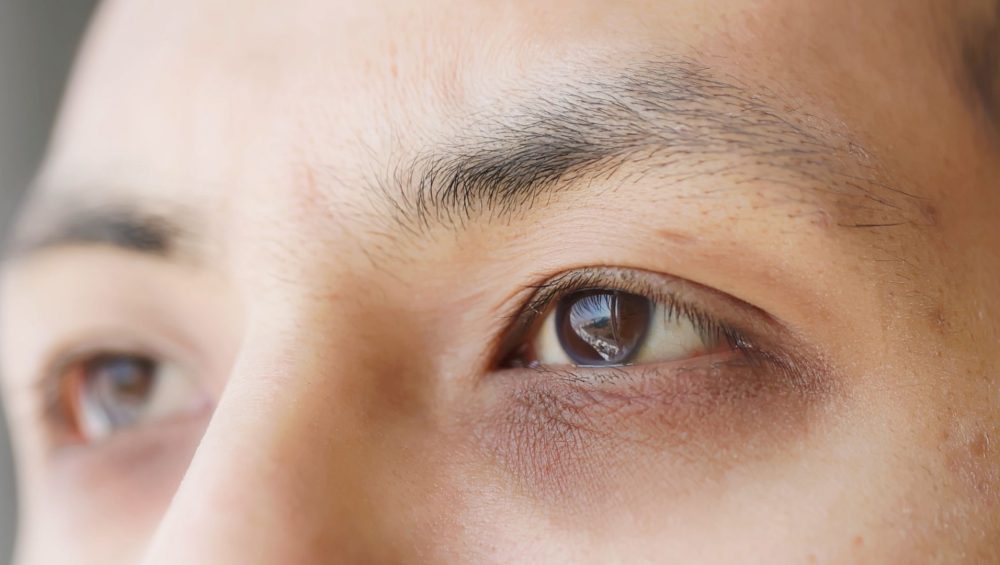
Sunken eyes, also known as tear trough deformity, are characterised by a hollow or darkened appearance beneath the eyes. This feature can influence facial appearance and create a tired or shadowed look.
Various management approaches are available that may help address the hollowing beneath the eyes. These include non-invasive skincare methods, energy-based treatments, and surgical procedures. Each approach varies in its technique and suitability, depending on individual needs.
Understanding the causes and available management options for sunken eyes can help you make informed decisions about maintaining or improving the appearance of the under-eye area.
What Causes Sunken Eyes?
Understanding the underlying causes of sunken eyes can provide useful insight into the factors that influence this condition. Several elements may contribute to the appearance of hollowing beneath the eyes:
Ageing
As part of the natural ageing process, the skin gradually loses volume, fat, and collagen, particularly in the delicate under-eye area. This reduction makes the skin thinner and less supportive, leading to a more noticeable tear trough (the hollow under the eyes).
Genetics
Some individuals are predisposed to deeper tear troughs due to genetic factors. A family history of similar facial features may indicate a hereditary tendency towards sunken eyes.
Lifestyle Factors
Lifestyle habits can influence the appearance of the under-eye area. Insufficient sleep may contribute to fatigue and accentuate hollowness beneath the eyes. Dehydration, which can result from low water intake, smoking, or alcohol use, may also cause the skin to appear dry and sunken.
A diet lacking in essential vitamins and minerals can affect collagen maintenance, which may accentuate the hollow appearance over time.
Health Conditions
Certain health conditions can contribute to sunken eyes. Allergies may cause nasal congestion and puffiness around the eyes, producing a shadowed effect. Sinus infections can similarly cause inflammation that affects the under-eye region. Rapid weight loss can also reduce facial fat, which may make the under-eye area appear more hollow.
Symptoms of Sunken Eyes
Recognising the signs of sunken eyes can help determine when a professional assessment may be useful. The features can vary among individuals but often include the following characteristics:
- Hollow or Shadowed Appearance: A noticeable hollowing under the eyes can create a shadow or darker appearance in this area.
- Dark Circles or Under-Eye Discolouration: Individuals with sunken eyes may also observe dark circles beneath the eyes, with the degree of discolouration varying between individuals.
- Persistent Tired Appearance: Despite adequate rest, the under-eye area may still appear shadowed or fatigued.
- Accompanying Features: These changes may also occur alongside dryness or mild irritation in the under-eye area. The skin may appear thinner or more transparent, sometimes revealing visible blood vessels.
Treatment Options for Sunken Eyes
When it comes to managing sunken eyes, several treatment approaches are available. The appropriate method depends on factors such as the severity of the condition and individual needs, and may include either non-invasive treatments or surgical procedures.
Non-Invasive Treatments
1. Topical Skincare Products
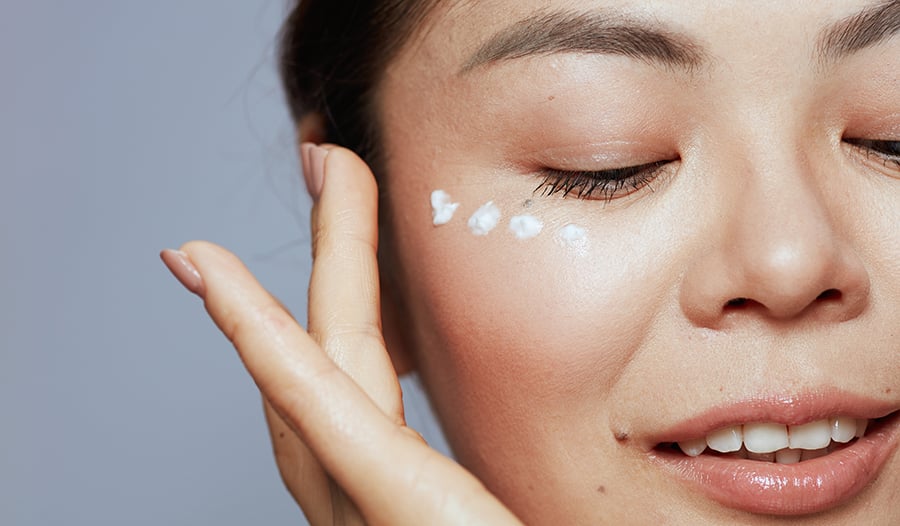
Topical skincare products may help support skin health around the under-eye area, offering a non-invasive way to maintain hydration and skin resilience.
Key ingredients that may support under-eye care include
- Hyaluronic acid (HA): Helps attract and retain moisture, supporting skin hydration in the under-eye area.
- Retinoids: Encourage cell turnover and support collagen production, contributing to smoother and more resilient skin.
- Vitamin C: Acts as an antioxidant that supports a more even skin tone.
- Peptides: Assist in maintaining collagen and skin repair processes.
Eye creams and serums containing these ingredients can be used as part of a daily skincare routine to maintain hydration, elasticity, and overall skin health around the under-eye area. Changes in the appearance of this region may occur gradually with consistent use.
2. Laser Treatments
Laser treatments are a non-invasive approach sometimes used to manage skin concerns associated with sunken eyes. Procedures such as CO₂ or fractional laser therapy work by stimulating collagen activity in the skin, which may help refine texture and support firmness around the under-eye area.
These treatments typically allow for a short recovery period and may require several sessions, depending on individual needs. Laser therapy is used to support overall skin quality and resilience rather than to provide immediate or permanent changes.
3. Microneedling
Microneedling is a minimally invasive procedure that uses fine needles to create controlled micro-injuries on the skin’s surface. This process stimulates collagen activity and supports natural skin renewal, which may help refine texture and resilience around the under-eye area.
The procedure is typically carried out over several sessions spaced a few weeks apart, depending on individual needs. Mild redness or swelling may occur temporarily after treatment, and most individuals can resume their usual activities soon after.
4. Dermal Fillers (Tear trough fillers)
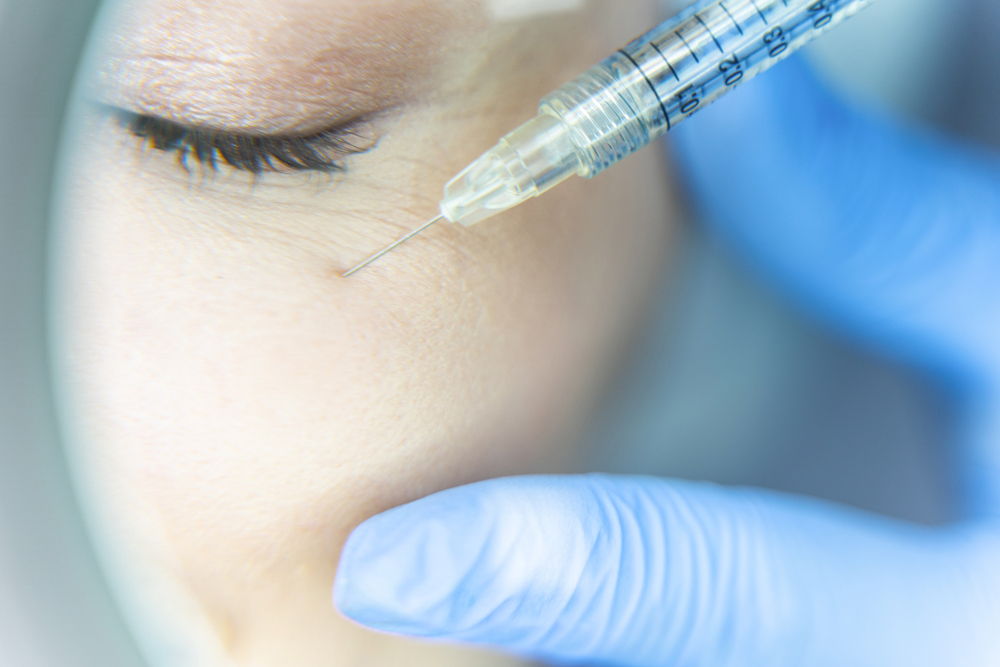
Dermal fillers are temporary volumising procedures used to add subtle volume beneath the eyes. They contain hyaluronic acid, a naturally occurring substance in the body that helps retain moisture and support the under-eye contour.
This non-surgical procedure produces visible effects shortly after treatment, and most individuals can resume normal activities soon after. The duration of effect may range between 6 and 18 months, depending on individual characteristics and the specific type of filler used.
5. Skin Booster
Skin boosters are an injectable approach used to improve skin hydration and quality in the under-eye area. Treatments often use formulations such as Polynucleotides (PDRN) or Hyaluronic Acid (HA), which may help support skin structure. By encouraging natural repair processes, skin boosters may help improve the appearance of fine lines and mild hollowness caused by thinning skin.
This treatment is typically administered over a series of sessions to support gradual improvements that maintain a natural appearance. Most individuals experience minimal downtime, though a professional assessment is necessary to determine the most suitable formulation for your skin type
6. Linerase Treatment
Linerase treatment is a bio-stimulating injectable that contains Heterologous Type I Collagen (HTIC), a purified equine-derived collagen that supports the skin’s natural renewal process. When applied to the under-eye area, it acts as a scaffold to encourage collagen activity in the skin, which may help support skin texture and soften the appearance of under-eye hollowing. Linerase may be used on both the upper and lower eyelids, depending on individual suitability, to support the delicate skin in these areas.
This treatment is typically administered over a series of 4 sessions, spaced 2 weeks apart, depending on individual skin condition and treatment goals. As with most injectable treatments, mild swelling or bruising may occur at the injection site. A professional assessment is required to determine suitability and treatment planning.
Surgical Options
For individuals considering longer-term management of sunken eyes, surgical options may be explored. These approaches generally involve a greater recovery commitment than non-invasive methods and aim to restore volume or adjust underlying structures around the eyes.
1. Fat Transfer (Autologous Fat Grafting)
The fat transfer procedures involve harvesting fat from another part of the body, such as the abdomen or thighs, and injecting it into the under-eye area to restore volume. This method uses the individual’s own fat and may provide effects that last longer compared to temporary procedures. These surgeries typically involve a recovery period, as is common with surgical treatments.
2. Eyelid Surgery (Blepharoplasty)
Blepharoplasty involves repositioning or removing fat and excess skin around the eyes. This procedure aims to refine the contour of the under-eye area and address concerns related to skin laxity or volume changes. Similar to fat transfer, this option involves a recovery period and may be considered for individuals seeking a surgical approach.
3. Tear Trough Implants
Tear trough implants are surgical devices placed beneath the eyes to restore volume and support the under-eye contour. This procedure is considered a longer-term approach and may be suitable for individuals with significant volume loss in this area.
As with other surgical options, a recovery period is required following this procedure.
Benefits of Non-Surgical vs. Surgical Treatments
Understanding the differences between non-invasive and surgical options for managing sunken eyes can help inform decision-making. Each approach varies in its technique, duration of effect, and level of recovery required.
Non-Invasive Treatments
- Shorter Recovery: These treatments usually allow individuals to resume normal activities soon after each session.
- Adjustable Approach: The treatment plan can be modified or paused depending on individual needs and progress.
- Gradual Changes: Results may appear progressively over multiple sessions.
- Lower Commitment: Non-invasive options are performed without surgery and typically require less recovery time.
Surgical Treatments
- Longer-Lasting Effects: Surgical procedures may offer more enduring outcomes compared to temporary treatments.
- Structural Adjustment: Suitable for individuals who prefer a procedure that modifies the under-eye contour.
- Addressing Advanced Concerns: These procedures may be considered when significant hollowing or skin laxity is present.
- Comprehensive Approach: Surgical options can address both volume restoration and excess skin in a single procedure.
Prevention Tips for Sunken Eyes
Certain daily habits may help maintain healthy skin around the eyes and support overall skin resilience:
- Stay Hydrated: Adequate hydration supports skin elasticity and general skin health. Keeping the body well hydrated helps the under-eye area appear refreshed.
- Use Sunscreen: Applying a broad-spectrum sunscreen can help protect the delicate under-eye skin from UV-related damage and preserve its integrity.
- Follow a Consistent Skincare Routine: Using moisturising products or eye creams that support collagen activity may help maintain hydration and elasticity in the under-eye area.
- Get Enough Sleep: Quality rest supports overall skin recovery and may help minimise puffiness and dark circles.
When to Consider Professional Help

If you notice persistent hollowing beneath the eyes, a professional assessment may help determine suitable management options. Understanding when to consult a professional can help you take the next steps toward achieving the results you want.
- Limited Response to Home Care: If topical or at-home skincare efforts do not appear to improve the under-eye area, medical review may be helpful.
- Pronounced Hollowing: If the hollowness beneath the eyes becomes more noticeable over time, a consultation can help assess potential causes.
Finding the Right Treatment for You
Selecting a management approach for sunken eyes depends on individual anatomy, preferences, and clinical findings. A doctor can evaluate the condition and recommend suitable non-surgical or surgical options based on medical assessment.
During a consultation, the practitioner can explain available methods and expected recovery considerations, allowing you to make an informed decision that aligns with your needs.
Conclusion
If you notice persistent hollowing beneath the eyes, various management options are available to support skin health and under-eye appearance. These include topical skincare products that help maintain hydration and elasticity, as well as procedures such as microneedling, dermal fillers, and surgical interventions, depending on individual needs.
Understanding these approaches can help you make informed decisions about managing this concern. A consultation with a healthcare professional can provide further assessment and guidance on appropriate options for your specific condition.