

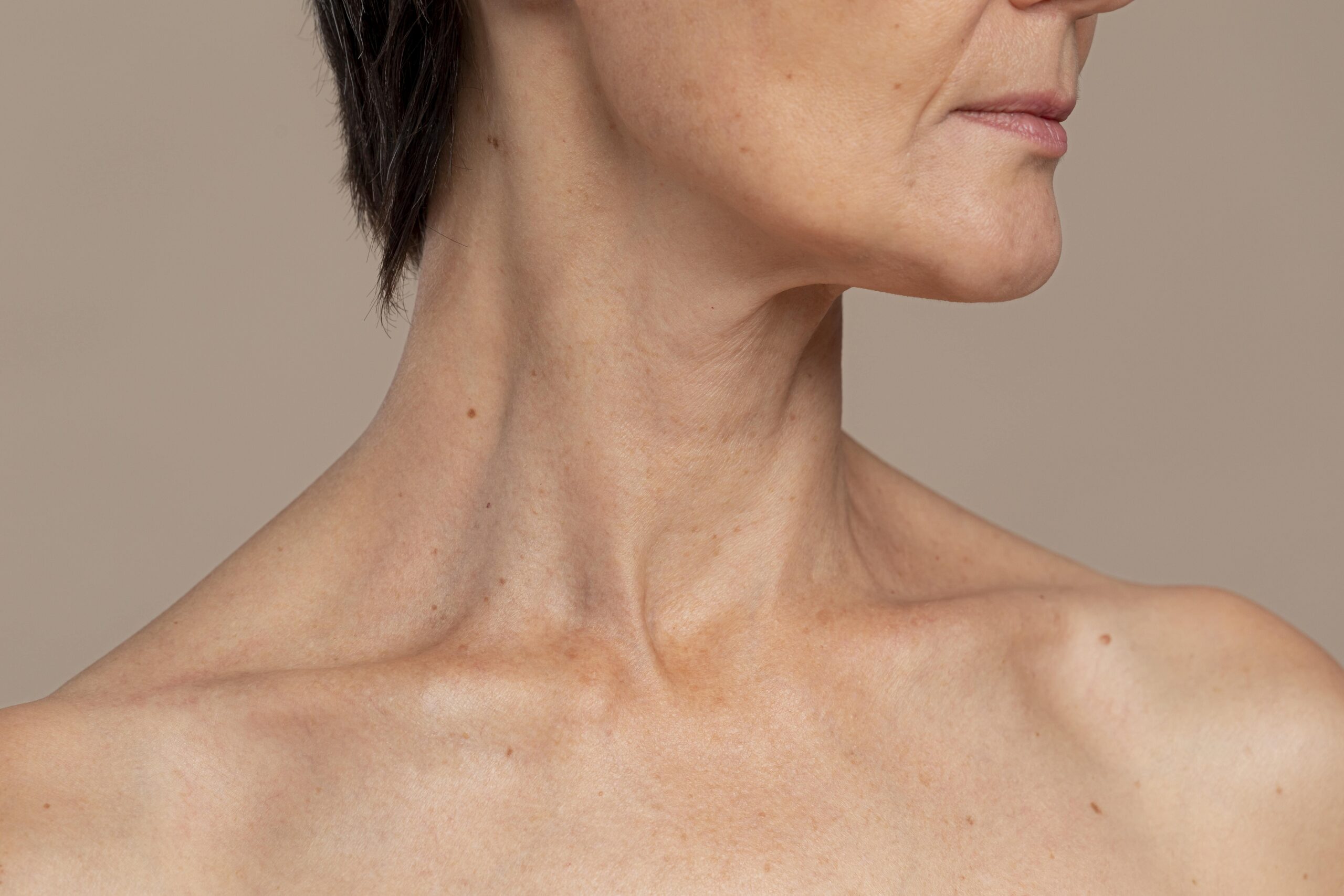
The neck is an area where signs of ageing may become visible earlier than on the face. Wrinkles on the neck can form due to several contributing factors, including natural ageing, repeated movement, and environmental exposure, such as sun damage.
This article outlines the possible causes of neck wrinkles, the different types that may appear, and practical strategies to support the skin’s condition in this area. With consistent care, it may be possible to manage the visible signs of ageing on the neck.
What Are Neck Wrinkles?
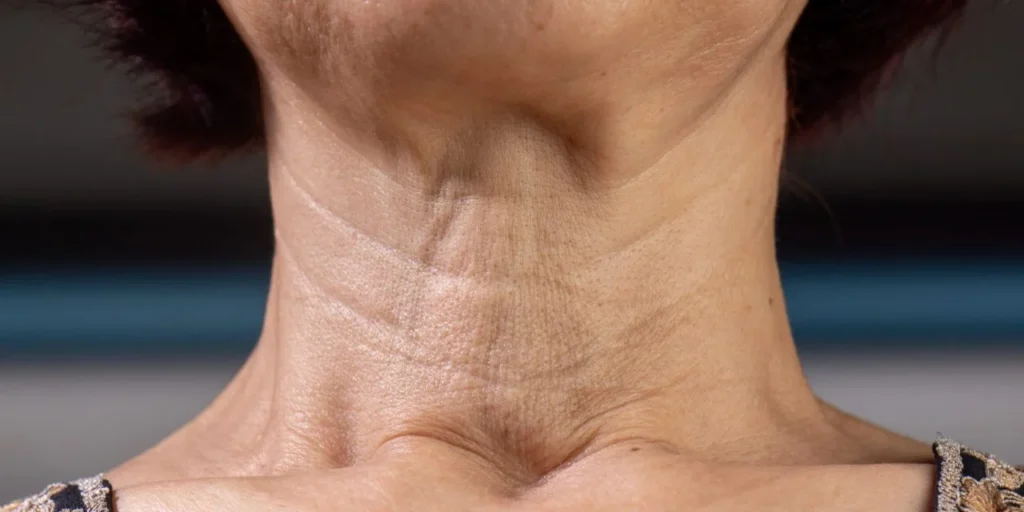
Neck wrinkles are creases and lines that form on the neck as a natural part of the ageing process. These lines can be influenced by various factors such as genetics, lifestyle choices, and environmental exposure. The skin on the neck is often exposed to the sun, making it susceptible to premature ageing. Common terms you might encounter include:
- Neck lines: Wrinkles that form around the neck area.
- Tech neck: Wrinkles caused by frequently looking down at electronic devices.
- Horizontal lines: Wrinkles that appear as horizontal creases on the neck.
These lines may appear horizontally across the neck or as vertical bands, depending on individual anatomy and movement patterns.
Causes of Neck Wrinkles
The skin on the neck tends to be thinner than facial skin and is frequently exposed to environmental factors, which may contribute to the appearance of wrinkles over time. Several factors can contribute to premature ageing and the development of neck wrinkles, including:
Ageing and Loss of Collagen
One of the main factors contributing to neck wrinkles is the natural ageing process. Over time, the skin produces less collagen and elastin—proteins that help maintain firmness and elasticity. As these levels decrease, the skin may become less firm, which can result in visible lines or creases on the neck.
These structural changes are part of the skin’s natural ageing process and may be influenced by genetics, lifestyle, and environmental exposure.
Sun Exposure and UV Damage
Prolonged exposure to ultraviolet (UV) rays may contribute to visible skin changes over time, including the appearance of lines or wrinkles. The neck, often overlooked in daily sun protection, is exposed to environmental factors that may affect collagen structure and skin elasticity.
Preventive steps may include applying a broad-spectrum sunscreen with an SPF of 30 or higher, wearing protective clothing such as wide-brimmed hats or scarves, and limiting direct sun exposure during peak UV hours between 10 a.m. and 4 p.m.
Poor Posture (Tech Neck)
In our increasingly digital age, “tech neck” has become a common term. It refers to the development of wrinkles and sagging neck skin, caused by the repetitive action of looking down at smartphones, tablets, and computer screens. This position strains the neck muscles and skin, leading to premature wrinkling and a noticeable loss of firmness. With more people using digital devices daily, cases of tech neck have increased substantially.
Adopting posture-supportive habits—such as adjusting monitor height, using ergonomic setups, and taking regular screen breaks—may help reduce unnecessary strain on the neck. These small adjustments may support overall comfort and skin movement patterns.
Types of Neck Wrinkles
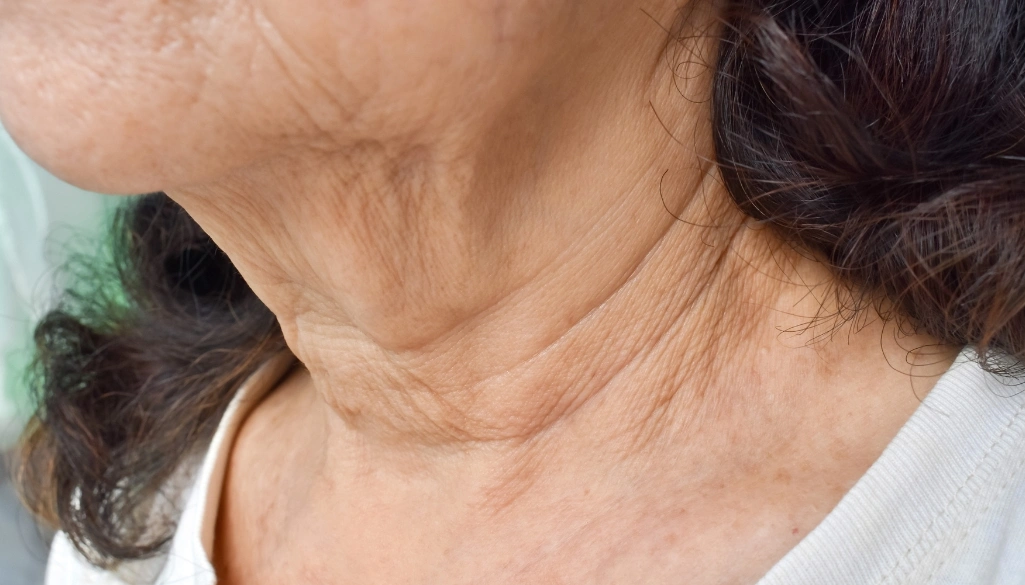
Understanding the different types of neck wrinkles may help in identifying suitable ways to support skin health. Horizontal lines are more commonly seen and typically appear as rings around the neck. Vertical bands are less frequent and may be associated with changes in underlying muscle activity. In some cases, other visible changes—such as skin laxity or uneven tone—may be present.
Each type may have different underlying causes. For example, horizontal lines may be associated with repeated movement and environmental exposure, while vertical bands may relate more to underlying muscular activity. Being aware of these distinctions may help individuals explore suitable skin care or lifestyle approaches.
Treatment Options for Neck Wrinkles
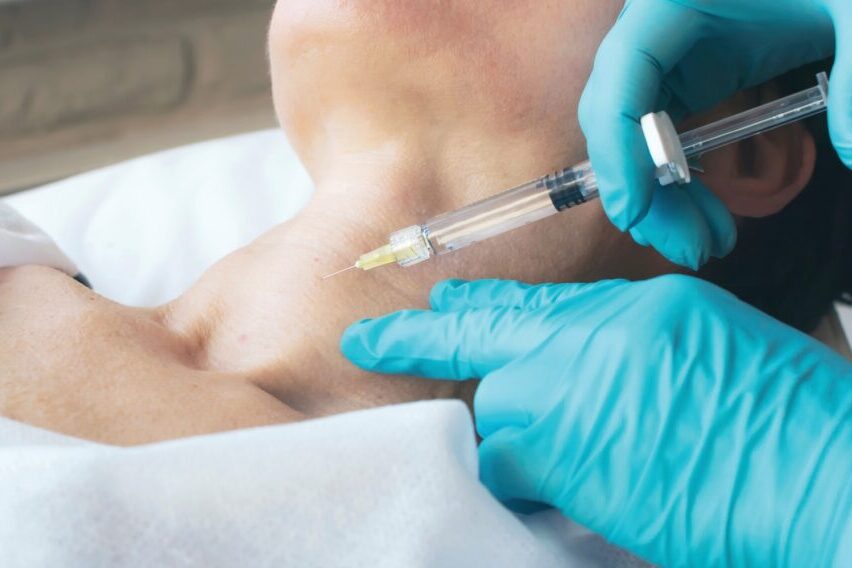
If you are self-conscious about neck wrinkles, various treatment options are available to help you treat neck lines and reduce their appearance. These include:
Anti-Wrinkle Injections for Neck Wrinkles
Anti-wrinkle injections are sometimes used to manage the appearance of neck wrinkles, particularly horizontal lines. This approach involves the injection of a purified protein that temporarily relaxes specific muscles, which may contribute to the formation of visible lines on the neck.
Procedure:
- A trained medical professional administers small amounts of the product into targeted neck muscles. This process is designed to relax muscle activity in the treated area, which may help improve the appearance of existing lines over time.
Expected Recovery Time:
- Recovery is usually brief, and most individuals are able to return to normal daily activities shortly after the procedure. Results may become visible within a few days to a week.
Potential Side Effects:
- Some individuals may experience minor bruising or discomfort at the injection site.
- Temporary muscle weakness or stiffness may occur in rare cases.
- As with any medical procedure, there is a small risk of allergic reaction, which should be discussed with a healthcare professional before treatment.
Laser Therapy for Neck Wrinkles
Laser treatments, such as fractional co2 laser, are sometimes used to improve the appearance of neck wrinkles. These methods work by resurfacing the skin to stimulate collagen production and support skin renewal over time.
Pros of Laser Treatments for Neck Wrinkles:
- Collagen Stimulation: May encourage collagen production, which supports skin structure and elasticity.
- Skin Texture: May help improve the appearance of fine lines and skin texture in the treated area.
- Gradual Improvements: Visible changes may occur gradually and can vary depending on individual skin response.
Cons of Laser Treatments for Neck Wrinkles:
- Cost: Laser therapies may be more expensive than other non-invasive approaches.
- Downtime: Temporary redness, swelling, or sensitivity may occur following treatment.
- Multiple Sessions: Several sessions may be recommended based on skin condition and treatment goals.
Microneedling for Neck Wrinkles
Microneedling is a minimally invasive procedure that involves the use of fine needles to create controlled micro-injuries in the skin. This process may stimulate the production of collagen and elastin, which are structural proteins that help support skin integrity over time.
Benefits:
- May support natural collagen and elastin production in the treated area.
- Can help improve the appearance of uneven skin texture or fine lines on the neck.
- Some individuals report gradual improvements in skin condition following a series of treatments.
Side Effects:
- Temporary redness or mild swelling may occur after the procedure.
- Some discomfort may be experienced during treatment.
- There is a potential risk of infection if not performed under proper hygienic conditions.
Multiple sessions may be recommended depending on individual skin characteristics and treatment goals. The number of treatments required varies between individuals.
Thermage for Neck Wrinkles
Thermage is a non-invasive treatment that uses radiofrequency energy to heat the deeper layers of the skin. This may stimulate collagen remodelling and tighten existing collagen fibres, which can help firm and smooth the neck area over time.
Benefits:
- May help firm and tighten mildly sagging skin on the neck
- It can soften the appearance of fine lines and wrinkles
- Typically performed in one session, with gradual improvement over several months as collagen rebuilds
Side Effects:
- Temporary redness, warmth, or mild swelling
- Slight tenderness for a few days after treatment
- Results vary based on individual skin condition and collagen response
Injectable Skincare for Neck Wrinkles
Injectable Skincare is an injectable treatment made with high concentrations of hyaluronic acid. It hydrates the skin from within and may stimulate collagen and elastin production, helping to improve skin texture and firmness in the neck area.
Benefits:
- Provides deep hydration and supports skin elasticity
- May improve the appearance of fine lines, crepiness, and mild laxity
- Gradual results that develop over a series of sessions
Side Effects:
- Mild swelling or redness at injection sites
- Temporary tenderness or small bumps that usually resolve within a few days
- Multiple sessions may be recommended, depending on individual needs
Linerase (Collagen Injection) for Neck Wrinkles
Linerase is a collagen-stimulating injectable that encourages the skin’s natural regeneration process. It may help improve skin texture, density, and firmness in the neck area over time.
Benefits:
- Stimulates natural collagen production for firmer, smoother skin
- May reduce the appearance of fine lines and crepey texture
- Results can improve progressively with repeated sessions
Side Effects:
- Temporary redness, swelling, or mild bruising at injection sites
- Minimal discomfort during the procedure
- As with all injectables, sterile technique is essential to reduce infection risk
Topical treatment for Neck Wrinkles
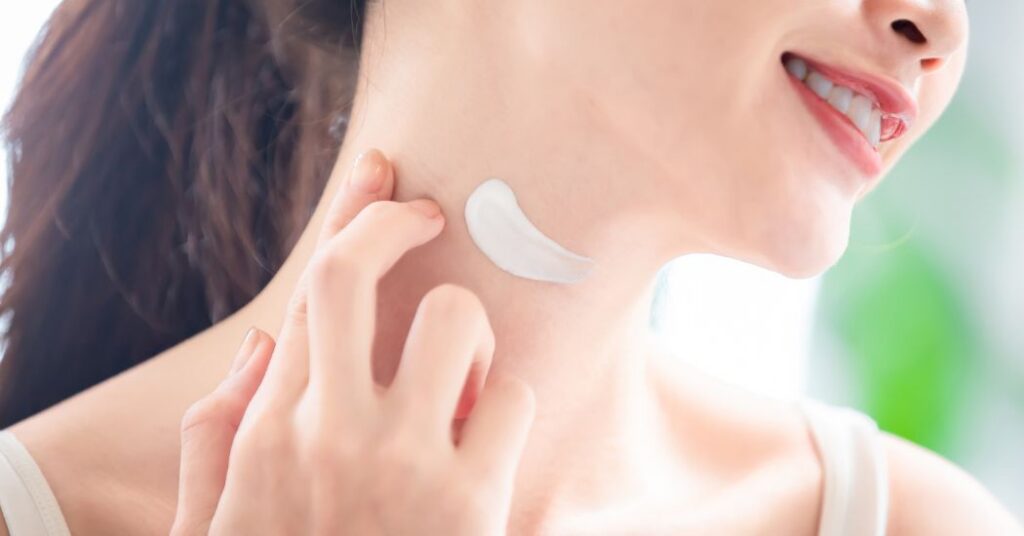
For individuals interested in non-invasive ways to support skin health around the neck, several skincare and lifestyle practices may be considered. While results can vary, consistent use of certain topical ingredients and daily habits may contribute to improved skin maintenance over time.
- Hyaluronic Acid: A hydrating agent that helps retain moisture in the skin.
- Retinol (Vitamin A): A derivative that may support cell turnover and collagen maintenance.
- Vitamin C: An antioxidant that helps protect the skin from oxidative stress caused by environmental exposure.
- Niacinamide (Vitamin B3): May help support the skin barrier and assist with moisture retention.
- Peptides: Short amino acid chains that are often used in formulations aimed at maintaining skin structure.
- Alpha Hydroxy Acids (AHAs): Exfoliating ingredients that help remove surface dead skin cells.
- Green Tea Extract: A plant-based antioxidant that may help soothe the skin and provide environmental protection.
- Glycolic Acid: A type of AHA used to support surface exfoliation and improve skin smoothness
Maintaining a balanced diet rich in fruits and vegetables, staying adequately hydrated, and engaging in regular physical activity may support overall skin health. Facial exercises are sometimes incorporated into skincare routines to encourage awareness of muscle movement, though evidence on their effectiveness remains limited. While these approaches do not offer immediate changes, consistent use over time may support healthier-looking skin.
How to Prevent Neck Wrinkles
Certain habits and skincare practices may help maintain the condition of the neck area and support the skin as it ages. While it’s not possible to prevent all wrinkles entirely, adopting these approaches may help slow their visible progression.
Lifestyle Changes to Prevent Neck Wrinkles
Making simple lifestyle changes can have a significant impact.
- Maintain Good Posture: Keeping the head aligned and limiting prolonged downward movements may help reduce repetitive strain on the neck area.
- Stay Hydrated: Drinking adequate water helps support the skin’s natural hydration levels.
- Eat a Balanced Diet: Nutrient-rich foods can support the skin’s natural functions.
- Avoid Smoking: Tobacco use may affect collagen levels and skin texture.
- Limit Alcohol Consumption: Excessive alcohol may dehydrate the skin and affect its appearance.
Skincare Products for Neck Wrinkles Prevention
Topical products may also help support the skin on the neck. Formulations that contain ingredients such as retinol, peptides, and antioxidants are commonly used to maintain skin texture and elasticity. These ingredients may assist in strengthening the skin barrier and supporting collagen maintenance.
As with any skincare approach, individual responses vary. It is advisable to consult a qualified healthcare provider if you’re considering a tailored plan for skin maintenance or ageing-related concerns.
How to Maintain Results After Neck Wrinkle Treatment
Following aesthetic treatment for neck wrinkles, consistent at-home care and medical follow-up may help maintain skin condition over time. Establishing a skincare routine with gentle cleansing, daily moisturising, and adequate sun protection can support the skin’s natural function and hydration levels.
Using a broad-spectrum sunscreen with SPF 30 or higher daily—even on cloudy days—may help reduce exposure to UV rays, which are known to affect collagen and skin elasticity. Protective clothing such as scarves or wide-brimmed hats may offer additional support when outdoors.
In some cases, follow-up sessions for professional treatments may be part of a broader maintenance plan. A healthcare provider may advise a personalised schedule based on your skin’s response, goals, and any specific concerns.
For tailored advice on ongoing skin maintenance, you may wish to consult with a qualified medical practitioner. They can help assess your skin’s condition and suggest suitable options to support your routine.
Conclusion
Neck wrinkles are a natural part of the ageing process, but there are ways to manage their appearance through informed skincare and lifestyle practices. Understanding the potential causes and different types of lines can help you make decisions that support your skin’s health.
Whether you choose to incorporate at-home care or explore professional options, maintaining consistent habits over time may support the skin’s structure and texture. For personalised guidance, consider speaking with a medical professional who can offer recommendations tailored to your skin type and goals.