

RF microneedling and laser resurfacing are commonly used to improve enlarged pores, particularly in patients with a history of acne. While both treatments can reduce pore visibility, they work through different mechanisms and suit different skin profiles. Neither option is universally more appropriate.
This article explains how RF microneedling and laser resurfacing improve enlarged pores, why acne scars are often involved, and how to choose between these approaches based on safety and individual needs.
Why Enlarged Pores Are Common After Acne
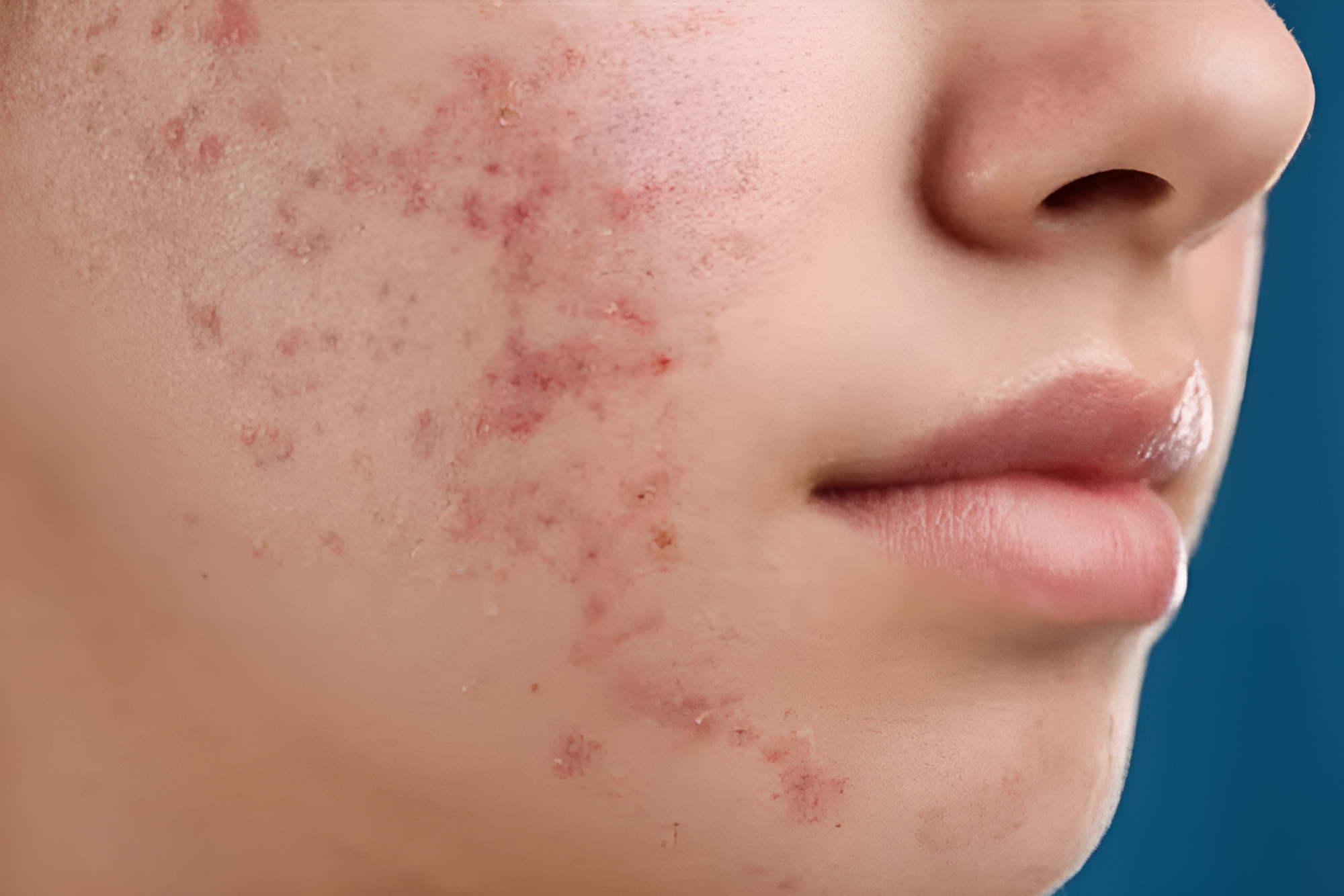
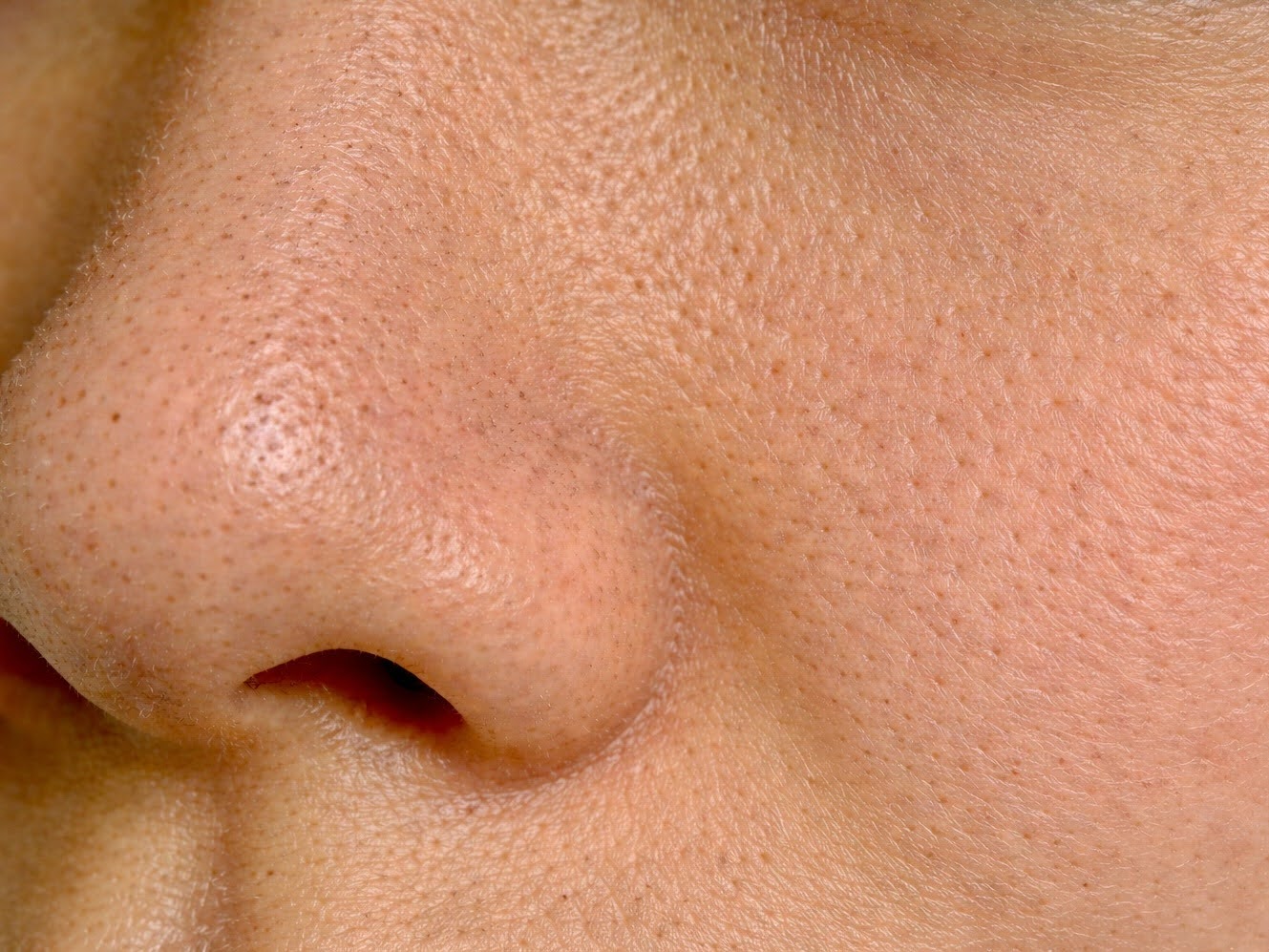
Enlarged pores are not simply a surface issue. In many patients, they reflect loss of dermal support around the pore opening, often caused by chronic acne inflammation. Factors such as previous acne and ongoing inflammation may affect the structure around pore openings, including collagen and elastin. When this happens, the skin may lose firmness, making pores appear more noticeable. This is why enlarged pores often coexist with mild atrophic acne scarring, even when obvious indentations are absent.
Treatments that stimulate collagen remodelling can therefore improve both enlarged pores and early acne-related texture changes. The key difference lies in how aggressively the skin surface is treated to achieve this collagen response.
How RF Microneedling Works for Enlarged Pores?
RF microneedling delivers radiofrequency energy into deeper skin layers using fine needles, creating small areas of controlled heat beneath the surface. This process can stimulate collagen and elastin activity while keeping the top layer of skin largely intact. By strengthening the dermal structure around pore openings, RF microneedling gradually reduces pore laxity, making pores appear smaller and less prominent.
Use of RF Microneedling for Enlarged Pores
RF microneedling is suitable for mild to moderate pore enlargement, particularly when pore visibility is associated with dermal laxity rather than deeper surface damage. Improvements typically develop gradually over multiple sessions as collagen remodelling occurs. Patients with early or subtle acne scarring may also notice some improvement in texture. However, as RF microneedling does not resurface the skin, it may have limited benefit for more pronounced surface irregularities.
Treatment Considerations of RF Microneedling for Pores
- Gradual pore tightening through collagen support
- Minimal downtime (usually short-lived redness)
- Lower chance of pigmentation changes when suitable settings are used
- Commonly considered for a wide range of skin tones, including Asian and darker skin types
- Suitable for maintenance and long-term collagen support
Limitations of RF Microneedling
- Changes in pore appearance may take multiple sessions and develop gradually
- Less noticeable per session compared with treatments that resurface the skin
- Limited effect when pores are associated with deeper surface damage or established scars
How Laser Resurfacing Works for Enlarged Pores?
Laser resurfacing uses focused light energy to heat or remove microscopic columns of skin, triggering a strong wound-healing response. This leads to collagen remodelling and surface renewal, reducing pore visibility and improving skin texture.
Laser resurfacing is often chosen when enlarged pores coexist with visible acne scars, rather than when isolated pore laxity is present.
Considerations for Laser Resurfacing for Pores
- Addresses surface irregularities and visible pore concerns
- Requires fewer sessions than some non-resurfacing treatments
- Commonly considered when pores are linked to acne scarring
Limitations and Risks
- Longer downtime, especially with ablative lasers
- Higher PIH risk in darker or Asian skin if not carefully managed
- Requires strict aftercare and experienced operators
RF Microneedling and Laser Resurfacing Key Differences for Enlarged Pores
| Aspect | RF Microneedling | Laser Resurfacing |
|---|---|---|
| Primary mechanism | Dermal collagen stimulation | Collagen remodelling and surface renewal |
| Surface damage | Minimal | Moderate to significant (ablative) |
| When it is considered | Mild to moderate enlargement | Moderate to severe enlargement |
| Sessions needed | Multiple | Fewer |
| Downtime | Short recovery, with redness resolving in days | Longer recovery, with peeling or crusting expected |
| PIH risk | Low | Higher in darker skin types |
Skin Type and Safety Considerations
Skin type plays a critical role in treatment choice. In melanin-rich skin, excessive heat or inflammation can trigger post-inflammatory hyperpigmentation. RF microneedling is generally considered safer for Fitzpatrick IV–VI because energy is delivered below the epidermis with minimal surface injury. Laser resurfacing can still be used in these skin types, but typically with conservative settings and careful patient selection.
Can RF Microneedling and Laser Resurfacing Be Combined for the Treatment of Pores?
Combination treatment is common when enlarged pores are accompanied by acne scarring. A typical approach is to use laser resurfacing to correct significant texture damage and pore depth, and RF microneedling later for ongoing collagen support and maintenance.
RF microneedling is often chosen for mild concerns or when recovery time needs to be minimised, while laser resurfacing is preferred for more pronounced texture changes or when acne scarring is present. Matching the treatment plan to pore severity, skin type, and downtime tolerance helps guide personalised care. Your doctor can advise whether a single method or combined approach may be more appropriate for your skin goals.
Frequently Asked Questions (FAQ)
Are enlarged pores permanent?
Enlarged pores cannot be completely eliminated, but their appearance can be reduced by enhancing dermal collagen support and skin texture.
How do RF microneedling and laser resurfacing differ for enlarged pores?
The choice depends on the skin’s condition. RF microneedling is often considered for mild-to-moderate pore visibility, whereas laser resurfacing may be used when enlarged pores are associated with acne scars or surface irregularities.
Can RF microneedling reduce pore visibility in the long term?
RF microneedling can support long-term changes in skin texture by stimulating collagen synthesis. Some people choose to repeat sessions over time to maintain these effects.
Is laser resurfacing too intensive for treating just pores?
Laser resurfacing may be excessive for isolated mild pore concerns. It is usually more appropriate when enlarged pores are accompanied by acne scars or significant texture irregularities.
What’s the difference in recovery time between RF microneedling and laser resurfacing?
RF microneedling usually involves a shorter recovery, with temporary redness that settles within days. Laser resurfacing typically involves a longer healing process, especially with ablative lasers.
Is RF microneedling suitable for Asian or darker skin tones?
RF microneedling is commonly considered for a wide range of skin types, including darker or melanin-rich skin, as it works beneath the skin surface with minimal disruption. Appropriate technique and settings are essential for safety.
Can laser resurfacing lead to pigmentation issues?
There may be a higher chance of post-inflammatory hyperpigmentation (PIH), especially in darker skin tones, if treatment is too aggressive or aftercare is not followed. Careful planning and provider experience help reduce this risk.