

Are you struggling with severe acne that goes beyond the occasional breakout? Nodular acne, a deeply rooted skin condition, might be the cause. Characterised by painful, inflamed nodules under the skin, this form of acne can be difficult to manage and may affect your confidence. In this article, you’ll learn more about nodular acne, its causes, symptoms, and available treatment options to help manage this condition.
What is Nodular Acne?
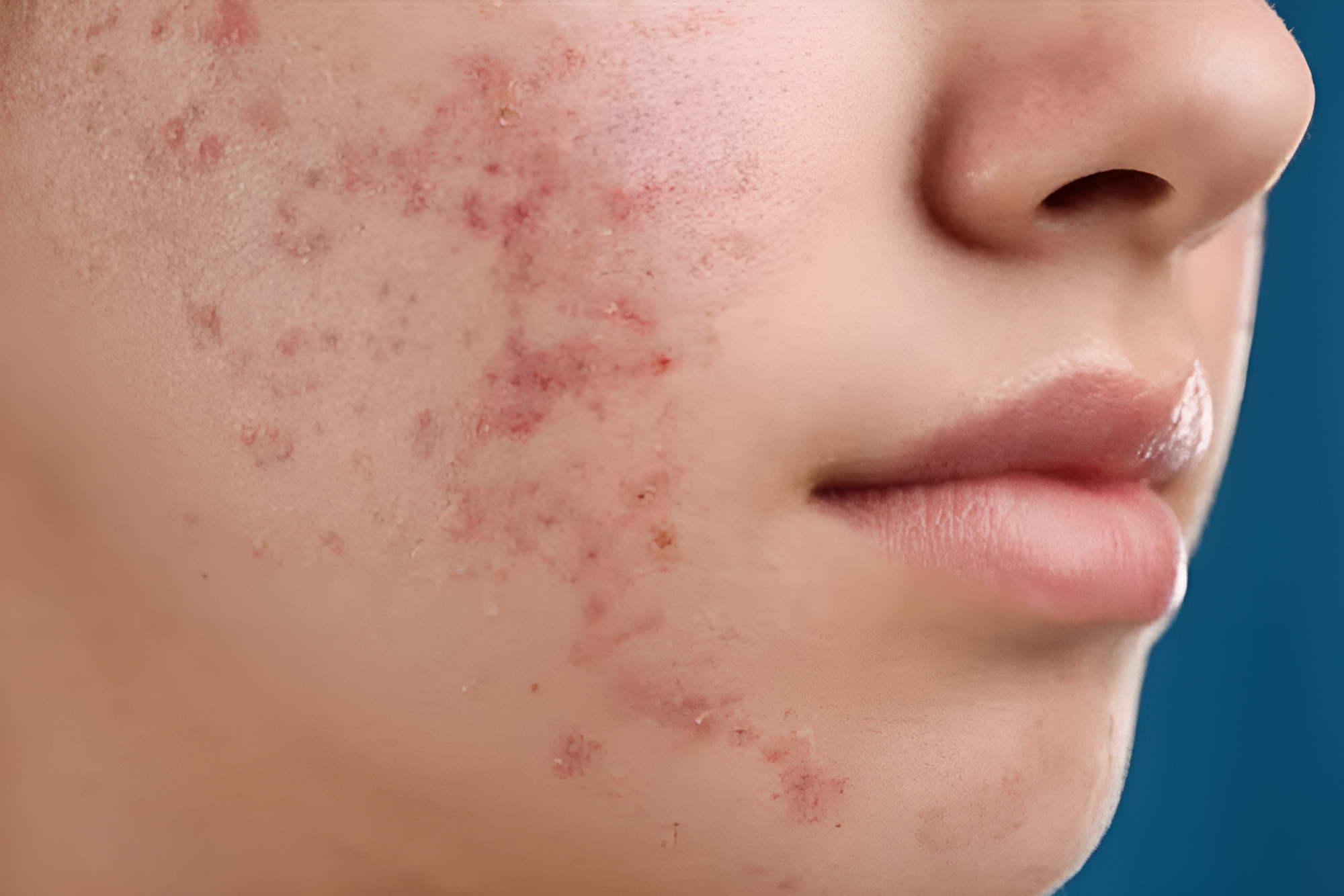
Nodular acne is a more persistent form of acne, characterised by large, inflamed nodules that develop deep beneath the skin’s surface. Unlike other types of acne, nodular acne does not form a visible head, which may make it more challenging to manage and can cause ongoing discomfort.
Comparison with Other Types of Acne
To better understand nodular acne, let’s explore how it differs from other types of acne:
| Type of Acne | Characteristics | Severity |
|---|---|---|
| Blackheads | Open comedones; clogged pores with a dark surface | Mild |
| Whiteheads | Closed comedones; clogged pores with white surface | Mild |
| Papules | Small, red, tender bumps | Moderate |
| Pustules | Pimples with pus at the top | Moderate |
| Nodular Acne | Large, painful lumps deep within the skin | Severe |
| Cystic Acne | Large, pus-filled lumps similar to nodules but softer | Severe |
Nodular acne shares similarities with cystic acne but differs because it does not contain pus and feels firmer to the touch.
Causes and Triggers of Nodular Acne
Understanding the underlying factors behind nodular acne can help guide appropriate treatment decisions and support effective acne management. This severe form of acne may arise from a combination of physiological and environmental triggers.
Blocked Pores and Trapped Sebum
The formation of nodular acne lesions begins with the clogging of hair follicles, which can stem from various factors. This blockage typically occurs when excess oil (sebum) and dead skin cells accumulate within the follicle, creating a plug. This plug prevents the normal oil flow out of the pores, leading to a buildup beneath the skin’s surface.
This environment can encourage bacterial growth, which may worsen inflammation and contribute to the development of painful nodules deep within the skin.
The Role of Bacteria
Cutibacterium acnes, a bacteria naturally present on the skin, can become problematic when it’s trapped in clogged pores. It may begin to multiply in low-oxygen environments, particularly when the skin’s natural defences are disrupted. The body’s immune response to this bacterial activity can trigger inflammation, leading to swollen and painful nodules associated with nodular acne. Unlike other types of acne, these nodules may not respond as well to topical treatments due to their depth and level of inflammation.
Hormonal Factors
Hormonal changes can influence sebum production, a key factor in acne formation. Periods of life such as puberty, menstrual cycles, pregnancy, and times of intense stress can lead to increased androgen levels. Androgens stimulate the sebaceous glands in the skin, increasing oil production. This hormonal surge may contribute to breakouts, particularly nodular acne, which is why these periods are often linked to flare-ups.
In addition to androgens, other hormonal shifts, such as those in cortisol during stress, may also affect the skin’s oil levels and its response to bacteria, further contributing to acne development.
Genetics and Family History
Genetic predisposition is one of the contributing factors in the likelihood of developing nodular acne, a form of acne characterised by large, painful nodules beneath the skin’s surface. If immediate family members, such as parents or siblings, have a history of severe nodular acne, you may be more likely to experience similar skin issues. This is because inherited genes can influence your skin’s behaviour.
For example, genetics can affect how much sebum your skin produces. An overproduction of sebum can lead to clogged pores and a higher risk of acne. Additionally, genetics can impact skin cell turnover, the process by which your skin sheds dead cells and produces new ones. If this process is unbalanced, it may contribute to pore blockages and inflammation.
Genetic factors may also affect how your body’s immune system responds to bacteria, which can influence the development of acne. Understanding these influences can help guide acne management more effectively.
Potential Triggers
Various lifestyle and environmental factors can also exacerbate nodular acne. Stress, for example, can influence hormone levels such as cortisol, which may increase oil production and contribute to acne symptoms. Certain medications, including corticosteroids and androgens, are known to aggravate acne in some cases. Dietary choices may also play a role; foods with a high glycaemic index and dairy products have been observed to trigger acne in individuals who are more prone to breakouts.
Environmental elements such as pollutants and high humidity can contribute to clogged pores, which may lead to acne flare-ups.
Symptoms of Nodular Acne
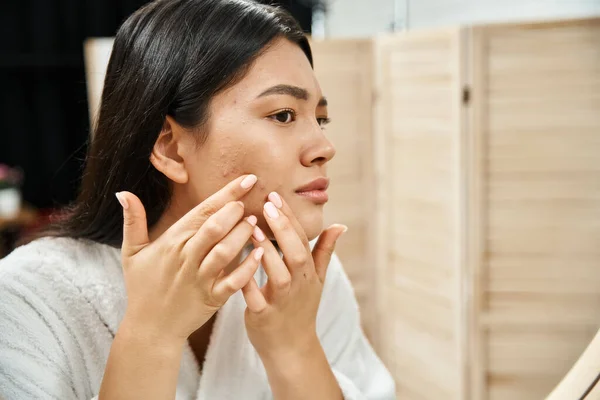
Recognising nodular acne is crucial in addressing it effectively, as it differs significantly from other forms of acne. Here are the key symptoms to look for:
Appearance of Hard, Painful Lumps
Nodular acne appears as large, firm lumps that develop deep beneath the skin’s surface. These nodules are often painful to touch and may last for several weeks or more, sometimes causing ongoing discomfort. Unlike surface-level pimples, nodular acne typically takes longer to form and heal and may benefit from medical evaluation to determine appropriate treatment.
Red Bumps on the Surface
Red bumps may appear on the skin’s surface, while nodules form deeper underneath. These bumps are often associated with inflammation and may contribute to skin discomfort and visibility of the condition.
Lack of Whitehead or Blackhead
Unlike other forms of acne, nodular acne typically does not form whiteheads or blackheads. This makes it harder to manage using over-the-counter products that target surface blemishes. Medical guidance is often required to manage these deeper lesions.
Persistence and Potential for Inflammation
Nodules can remain on the skin for an extended period and are prone to inflammation, which may increase the risk of scarring if not properly managed. The potential for scarring highlights the importance of early medical assessment. Seeking professional advice can help guide appropriate treatment to reduce inflammation and support healing.
Treatment Options for Nodular Acne
Managing nodular acne may involve a combination of approaches to address existing nodules and help prevent future breakouts. This type of acne can be persistent and uncomfortable, as it occurs when clogged pores lead to inflamed lumps beneath the skin’s surface. Below are some treatment options commonly used to manage nodular acne:
Over-the-Counter Solutions
Products with ingredients like benzoyl peroxide or salicylic acid may help manage mild cases. Benzoyl peroxide may help reduce acne-related bacteria and inflammation, while salicylic acid can assist with exfoliation and unclogging pores. However, some individuals may require additional medical support for more severe cases.
Prescription Medications
Doctors may prescribe oral antibiotics or topical retinoids to address the underlying causes of acne. Oral antibiotics can help reduce bacteria and inflammation, while topical retinoids promote skin cell turnover and may prevent clogged pores. These medications should be used under medical supervision due to possible side effects.
Hormonal Treatments
For individuals with a hormonal component to their acne, oral contraceptives or anti-androgen medications may be considered. These options aim to help regulate hormone levels and reduce sebum production, which may contribute to acne flare-ups.
Isotretinoin
In cases where other treatments have not been effective, isotretinoin may be prescribed. This medication reduces oil gland activity and may help with persistent symptoms. Regular monitoring is necessary due to potential side effects, including dry skin and changes in liver function.
Treatment plans should be based on individual skin conditions and acne severity. Consulting a doctor can help determine an appropriate course of action for managing nodular acne.
How to Prevent Nodular Acne Scarring
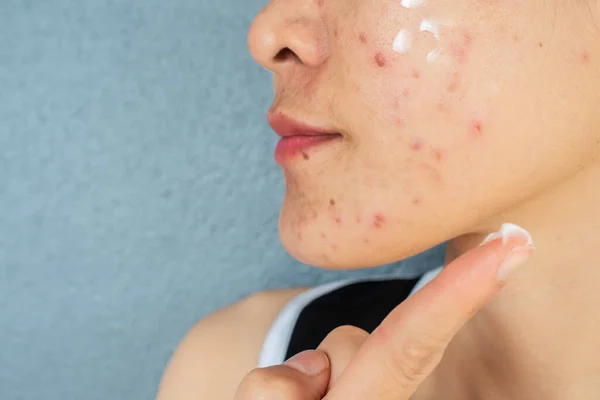
Preventing scarring is critical when managing nodular acne, as these scars can permanently affect self-esteem. Here are some essential strategies to minimise the risk:
Importance of Early Treatment
Early intervention may help reduce the risk of inflammation and scarring caused by nodular acne. Seeing a doctor when you first notice symptoms can be helpful. They can recommend a treatment plan that may include prescription medications such as antibiotics or isotretinoin. These treatments may help manage acne symptoms and reduce the likelihood of long-term effects.
Remember, nodular acne is a serious skin condition, and getting the right help can make a big difference in how your skin looks and feels.
Avoiding Picking or Popping Nodules
It’s important to resist the urge to pick or pop nodules, despite how tempting it may be, as this may increase the risk of inflammation, infection, and scarring. Maintaining a gentle skincare routine, including regular cleansing, can help minimise surface bacteria and excess oil. Professional treatments such as chemical peels or laser-based therapies may be considered, depending on the individual’s condition.
Use of Scar-Reducing Treatments
Some over-the-counter options, such as silicone gels, may help create a barrier over healing skin. Topical retinoids are sometimes used to support skin renewal and promote healthy turnover. Speak with a doctor to determine what options may suit your skin type and acne history.
Maintaining a Healthy Skincare Routine
A consistent skincare routine may support clearer skin over time. Cleanse your face twice daily, use non-comedogenic products, and protect your skin from excessive sun exposure.
When to Seek Professional Advice
When persistent nodular acne does not respond to home treatments, it is advisable to consult a doctor. At Lux Medical Aesthetic Clinic, our team can offer personalised advice and recommend treatments for your unique situation. We provide a range of therapies to effectively manage your various nodular acne forms, ensuring you receive comprehensive care.
By speaking with a healthcare professional, you can better understand available options and take steps to support your skin health. Our doctors will work with you to find suitable approaches for managing your acne symptoms.
Conclusion
Dealing with nodular acne can be challenging, but understanding its causes, symptoms, and possible treatment approaches can help you take control of your skin health. Taking early action and maintaining a consistent skincare routine may help reduce the risk of scarring and support skin recovery.
Remember, you’re not alone in this journey; seeking professional advice can make a difference. Don’t hesitate to contact your doctor to explore personalised solutions for your unique needs. You can regain confidence and enjoy clearer, healthier skin with the right approach.